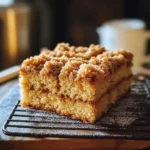
Ingredients
For the Legendary Crumb Topping:
- All-Purpose Flour: 3 cups (360g) – Provides the structure for the crumbs.
- Light Brown Sugar: 1 ½ cups (330g), packed – Adds moisture, chewiness, and a deep molasses flavor.
- Granulated Sugar: ½ cup (100g) – Contributes to crispness and sweetness.
- Ground Cinnamon: 1 ½ tablespoons – The essential warm spice. Feel free to adjust slightly based on your preference.
- Salt: ¾ teaspoon – Balances the sweetness and enhances all the flavors.
- Unsalted Butter: 1 cup (2 sticks or 226g), cold and cut into small ½-inch cubes – Cold butter is crucial for creating those distinct, larger crumbs rather than a sandy mixture.
For the Moist Sour Cream Cake Base:
- All-Purpose Flour: 2 cups (240g) – The foundation of the cake structure.
- Baking Powder: 1 teaspoon – Provides lift and tenderness.
- Baking Soda: ½ teaspoon – Reacts with the sour cream for additional leavening.
- Salt: ½ teaspoon – Enhances the cake’s flavor and balances sweetness.
- Unsalted Butter: ½ cup (1 stick or 113g), softened to room temperature – Crucial for a tender cake crumb. “Room temperature” means it should give slightly when pressed but not be greasy or melted.
- Granulated Sugar: 1 cup (200g) – Sweetens the cake and helps with creaming for a light texture.
- Large Eggs: 2, at room temperature – Bind the ingredients and add richness. Room temperature eggs incorporate better into the batter.
- Full-Fat Sour Cream: 1 cup (240g), at room temperature – The secret weapon for a moist, tender, slightly tangy cake. Room temperature ensures it mixes smoothly.
- Pure Vanilla Extract: 2 teaspoons – Adds essential background flavor.
Instructions
Part 1: Preparing the Star – The Crumb Topping
- Combine Dry Ingredients: In a large bowl, whisk together the 3 cups of all-purpose flour, 1 ½ cups of packed light brown sugar, ½ cup of granulated sugar, 1 ½ tablespoons of ground cinnamon, and ¾ teaspoon of salt. Ensure there are no large clumps of brown sugar.
- Cut in the Cold Butter: Add the cold, cubed butter to the dry ingredients. Using a pastry blender, two knives, or your fingertips, cut the butter into the flour mixture. Work relatively quickly to keep the butter cold.
- Achieve Crumb Perfection: Continue mixing until the mixture resembles coarse crumbs with some larger, pea-sized (or slightly larger) pieces of butter still visible. You want a clumpy, uneven texture, not a fine powder. Avoid overmixing, which can warm the butter too much and make the crumbs greasy.
- Chill (Optional but Recommended): For the best texture and distinct crumbs, cover the bowl and place the crumb mixture in the refrigerator while you prepare the cake batter. This helps keep the butter firm.
Part 2: Building the Foundation – The Cake Batter
- Preheat and Prep: Preheat your oven to 350°F (175°C). Grease and flour a 9×13 inch baking pan thoroughly. Alternatively, line the pan with parchment paper, leaving an overhang on two sides for easy lifting later. This is highly recommended for clean removal.
- Combine Dry Ingredients: In a medium bowl, whisk together the 2 cups of all-purpose flour, 1 teaspoon of baking powder, ½ teaspoon of baking soda, and ½ teaspoon of salt. Set aside.
- Cream Butter and Sugar: In the bowl of a stand mixer fitted with the paddle attachment, or in a large bowl using a handheld electric mixer, beat the ½ cup of softened unsalted butter on medium speed until creamy, about 1 minute. Add the 1 cup of granulated sugar and continue beating on medium-high speed until the mixture is light, fluffy, and pale yellow, about 3-4 minutes. Scrape down the sides and bottom of the bowl occasionally. This step incorporates air, which is crucial for a lighter cake texture.
- Add Eggs: Add the room temperature eggs one at a time, beating well after each addition until fully incorporated. Scrape down the bowl again.
- Mix in Vanilla: Beat in the 2 teaspoons of pure vanilla extract.
- Alternate Wet and Dry: Reduce the mixer speed to low. Add the dry ingredient mixture in three additions, alternating with the room temperature sour cream in two additions, beginning and ending with the dry ingredients. (Dry -> Sour Cream -> Dry -> Sour Cream -> Dry). Mix only until each addition is just combined. Be careful not to overmix at this stage; overmixing develops gluten and can lead to a tough cake. Stop mixing as soon as the last streaks of flour disappear. The batter will be thick.
- Spread Batter: Scrape the batter into the prepared 9×13 inch baking pan. Using an offset spatula or the back of a spoon, spread the batter evenly across the bottom of the pan. It might seem like a thin layer, but it will rise.
Part 3: Assembling and Baking
- Apply the Crumb Topping: Retrieve the chilled crumb topping from the refrigerator. Sprinkle it generously and evenly over the cake batter, covering the entire surface. Gently pat the crumbs down very lightly just so they adhere slightly – do not press them firmly into the batter. You want them to sit proudly on top. Ensure even distribution, especially around the edges.
- Bake: Place the pan in the preheated oven. Bake for 45-55 minutes, or until a wooden skewer or toothpick inserted into the cake layer (not just the crumbs) near the center comes out clean or with a few moist crumbs attached. The topping should be golden brown and set. Baking times can vary depending on your oven, so start checking around the 45-minute mark.
- Cool Completely: Once baked, remove the cake from the oven and place the pan on a wire rack. Let the crumb cake cool completely in the pan before slicing and serving. This is crucial! Cooling allows the cake structure to set and prevents the crumbs from falling apart when cut. This can take 2-3 hours at room temperature. Rushing this step will lead to a messy presentation.
Nutrition
- Serving Size: One Normal Portion
- Calories: 450 to 600