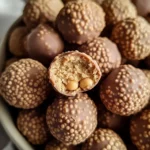
Ingredients
- Cooked Chickpeas (1 can, 15 ounces, drained and rinsed): The star of the show! Opt for canned chickpeas for convenience, ensuring they are thoroughly drained and rinsed to remove any excess sodium and the canning liquid (aquafaba – save this for vegan baking projects!). The chickpeas provide the creamy base and structure for the truffles. Their mild flavor disappears completely, leaving behind a smooth, almost buttery texture.
- High-Quality Dark Chocolate (8 ounces, roughly chopped): This is where the indulgence comes in. Choose a dark chocolate that you genuinely enjoy eating on its own. The quality of the chocolate significantly impacts the final flavor of the truffles. Aim for at least 70% cacao for a rich, intense chocolate experience. You can experiment with different percentages based on your preference – a higher percentage will result in a more bitter, sophisticated truffle, while a slightly lower percentage will be sweeter and more approachable. Using chocolate chips is convenient, but for the best melting and flavor, opt for a chocolate bar and chop it yourself.
- Nut Butter (1/4 cup, creamy, your choice): Nut butter adds richness, creaminess, and healthy fats to the truffles. Peanut butter is a classic choice, offering a delightful nutty flavor that complements chocolate beautifully. However, feel free to experiment with other nut butters like almond butter, cashew butter, or even sunflower seed butter for a nut-free option. Choose a natural, unsweetened nut butter for the best flavor and to control the overall sweetness of the truffles. The nut butter also helps to bind the ingredients together and creates a smoother, more luxurious texture.
- Sweetener (2-4 tablespoons, maple syrup or agave nectar): The amount of sweetener you need will depend on your preference and the sweetness of your chocolate. Maple syrup and agave nectar are excellent vegan-friendly options that add a touch of natural sweetness. Start with 2 tablespoons and taste the mixture before adding more. You can also use other liquid sweeteners like date syrup or brown rice syrup. For a less refined option, consider using mashed ripe banana or date paste (soaked and blended dates) to add sweetness and moisture.
- Vanilla Extract (1 teaspoon): A touch of vanilla extract enhances the chocolate flavor and adds depth to the truffles. Use pure vanilla extract for the best results. You can also experiment with other extracts like almond extract or peppermint extract for different flavor profiles. A pinch of sea salt can also be added to enhance the sweetness and balance the flavors.
- Optional Coatings (for rolling): This is where you can get creative and customize your truffles to your liking. Here are some popular and delicious coating options:
- Cocoa Powder: Classic and simple, cocoa powder provides a slightly bitter and elegant coating. Use unsweetened cocoa powder for the best flavor.
- Chopped Nuts: Finely chopped almonds, pecans, walnuts, or hazelnuts add texture and nutty flavor. Toast the nuts lightly before chopping for enhanced flavor.
- Shredded Coconut: Desiccated or shredded coconut offers a tropical twist and adds a delicate sweetness. Toasted coconut adds a richer flavor and crispier texture.
- Sprinkles: For a festive and fun touch, use colorful sprinkles. Choose natural sprinkles for a healthier option.
- Powdered Sugar (Confectioners’ Sugar): Provides a sweet and snowy coating. Use sparingly as it can be quite sweet.
- Melted Chocolate (different types): Drizzle with melted white chocolate, milk chocolate, or even a contrasting dark chocolate for a decorative and flavorful finish.
- Sesame Seeds: Toasted sesame seeds add a nutty and slightly savory element.
- Freeze-Dried Fruit Powder: Strawberry, raspberry, or other fruit powders add color and a burst of fruity flavor.
Instructions
- Prepare the Chickpeas: Begin by draining and rinsing the canned chickpeas thoroughly. Place the chickpeas in a fine-mesh sieve and rinse them under cold running water for at least a minute. This step is crucial for removing any residual canning liquid and ensuring a neutral flavor. After rinsing, pat the chickpeas dry with paper towels to remove excess moisture. This will help create a smoother truffle base.
- Melt the Chocolate: There are two main methods for melting chocolate: the microwave and the double boiler.
- Microwave Method (Faster but requires careful monitoring): Place the chopped chocolate in a microwave-safe bowl. Microwave in 30-second intervals, stirring well after each interval, until the chocolate is almost completely melted. Be very careful not to overheat the chocolate, as it can burn easily. Once almost melted, continue stirring until the residual heat melts the remaining chocolate and it becomes smooth and glossy.
- Double Boiler Method (Gentler and less prone to burning): Fill a saucepan with about an inch of water and bring it to a simmer over medium heat. Place a heatproof bowl (glass or stainless steel) on top of the saucepan, ensuring the bottom of the bowl does not touch the water. Add the chopped chocolate to the bowl and stir gently as it melts from the steam. Continue stirring until the chocolate is completely melted and smooth.
- Blend the Truffle Base: In a food processor, combine the drained and rinsed chickpeas, melted chocolate, nut butter, sweetener (maple syrup or agave nectar), and vanilla extract. Process the mixture until it is completely smooth and creamy. This may take a few minutes, and you may need to stop and scrape down the sides of the food processor bowl a few times to ensure everything is evenly incorporated. The mixture should be thick and resemble a fudgy paste. Taste the mixture at this stage and adjust the sweetness if needed by adding more sweetener, a tablespoon at a time, and blending again.
- Chill the Truffle Mixture: Transfer the truffle mixture to a bowl, cover it tightly with plastic wrap (pressing the wrap directly onto the surface of the mixture to prevent a skin from forming), and refrigerate for at least 2-3 hours, or preferably overnight. Chilling is essential for firming up the mixture, making it easier to roll into truffles. The longer the mixture chills, the firmer it will become.
- Roll the Truffles: Once the truffle mixture is chilled and firm, remove it from the refrigerator. Use a spoon or a small cookie scoop to scoop out portions of the mixture. Roll each portion between your palms to form smooth, round truffles. If the mixture is too sticky to handle easily, you can lightly dampen your hands with water or dust them with cocoa powder. Aim for consistent truffle sizes for a professional look.
- Coat the Truffles (Optional but recommended): Prepare your desired coatings in shallow bowls. Roll each truffle in your chosen coating until it is evenly coated. Gently shake off any excess coating. You can use a single coating or experiment with combining different coatings. For example, you could roll the truffles in cocoa powder and then drizzle them with melted white chocolate.
- Chill Again (Optional but enhances texture): For a firmer truffle and to help the coatings set, you can chill the coated truffles in the refrigerator for another 30 minutes to an hour before serving. This step is especially recommended if you are using coatings like melted chocolate or sprinkles.
- Enjoy! Your homemade chickpea truffles are now ready to be enjoyed. Store them in an airtight container in the refrigerator for up to a week. They are best served slightly chilled, but they are also delicious at room temperature.
Nutrition
- Serving Size: One Normal Portion
- Calories: 150-200
- Fat: 8-12 grams
- Carbohydrates: 15-20 grams
- Fiber: 3-4 grams
- Protein: 3-4 grams