
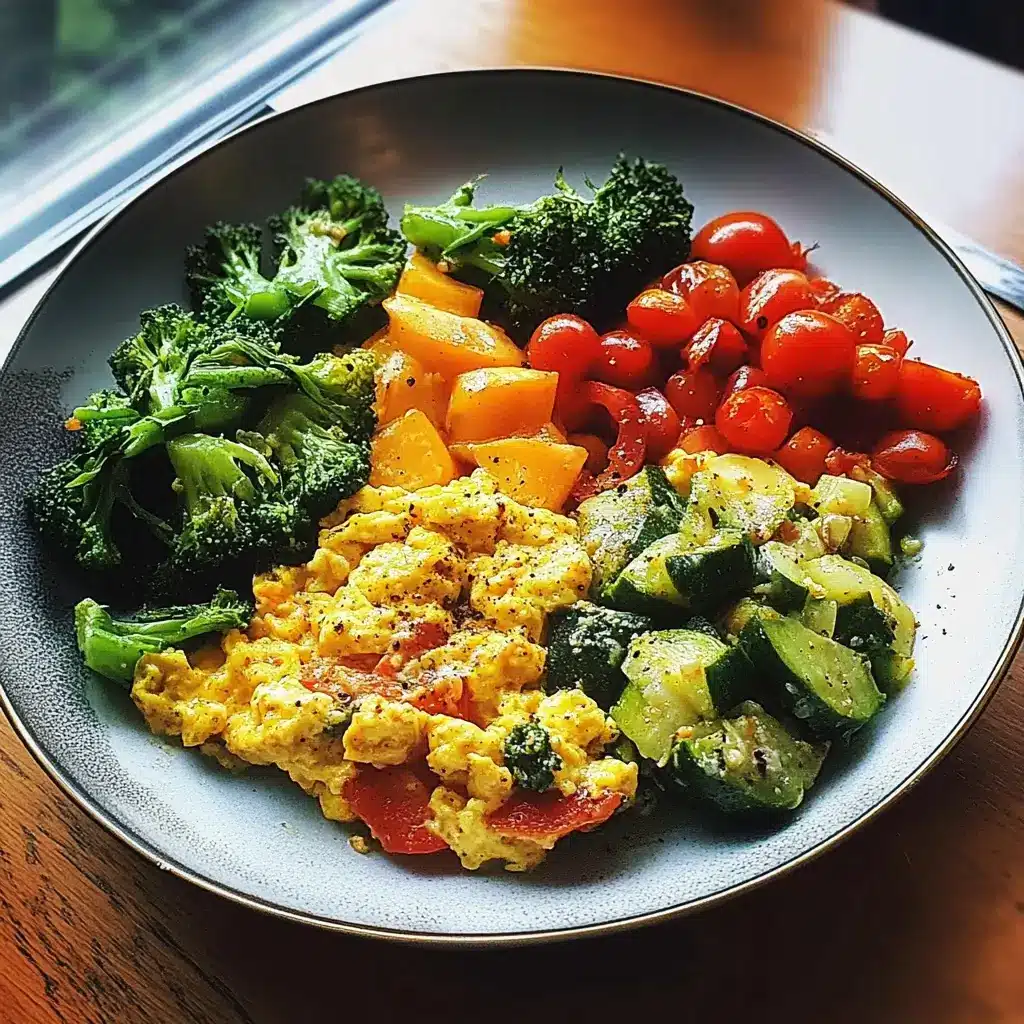

The first time I whipped up these Vegetable Breakfast Scrambles, it was on a whim. We had a fridge full of odds and ends – a bell pepper here, a handful of spinach there, a lonely onion – and a hungry family on a Saturday morning. I wasn’t expecting miracles, just a way to use up produce and get some protein into everyone before a busy day. What happened next was a delightful surprise. The aroma alone, as the onions and peppers softened in the pan, drew everyone to the kitchen. My kids, usually picky about “too many greens,” were intrigued by the vibrant colors. And the taste? It was a revelation! The sweetness of the peppers, the earthy mushrooms, the tender spinach, all enveloped in fluffy, perfectly cooked eggs with just a hint of garlic and a touch of cheese – it was restaurant-quality, right in our own kitchen. Since that day, these scrambles have become a weekend staple, sometimes a quick weeknight dinner, and always a crowd-pleaser. It’s a recipe that’s not just nourishing but also incredibly adaptable, forgiving, and, most importantly, utterly delicious. It’s the kind of meal that makes you feel good from the inside out, a vibrant start to any day.
Ingredients for Our Vibrant Vegetable Breakfast Scrambles
This recipe is designed to be a template, a starting point for your own culinary creativity. The amounts below yield a hearty breakfast for 2-3 people, but feel free to scale up or down as needed. The beauty of a scramble is its flexibility!
- Large Eggs: 6 (The star of the show! Use fresh, high-quality eggs for the best flavor and texture. Pastured eggs often have richer yolks and a more vibrant color.)
- Olive Oil or Butter: 1 tablespoon (Or a combination of both. Olive oil for a fruitier note, butter for richness.)
- Medium Onion: 1/2, finely chopped (Yellow or white onions work best, providing a sweet, aromatic base.)
- Garlic Cloves: 2, minced (Fresh garlic is key; adjust to your preference. For a milder flavor, use roasted garlic.)
- Bell Pepper: 1 medium, any color (or a mix), diced (Red, yellow, or orange bell peppers add sweetness and vibrant color. Green bell peppers offer a slightly more savory, grassy note.)
- Mushrooms: 1 cup, sliced or chopped (Cremini, button, or shiitake mushrooms add an earthy, umami depth. Ensure they are cleaned well.)
- Fresh Spinach: 2 cups, packed (Or kale, Swiss chard. Spinach wilts down significantly, adding a powerhouse of nutrients without overwhelming the dish.)
- Cherry Tomatoes: 1/2 cup, halved or quartered (Optional, but they add a burst of juicy acidity and color. Add them towards the end to prevent them from becoming too mushy.)
- Milk or Cream: 2 tablespoons (Optional, for creamier eggs. Whole milk, half-and-half, or even a non-dairy alternative like unsweetened almond milk can work.)
- Shredded Cheese: 1/2 cup (Cheddar, Monterey Jack, Gruyère, feta, or goat cheese. Choose your favorite! A good melting cheese works wonders.)
- Salt: 1/2 teaspoon, or to taste (Fine sea salt or kosher salt.)
- Freshly Ground Black Pepper: 1/4 teaspoon, or to taste
- Fresh Herbs (Optional for garnish): 1 tablespoon chopped parsley, chives, or dill (These add a final touch of freshness and visual appeal.)
- Pinch of Red Pepper Flakes (Optional): For a subtle kick of heat.
Step-by-Step Instructions to Culinary Success
Follow these simple steps to create a breakfast scramble that’s bursting with flavor and texture. The key is to cook the vegetables properly before adding the eggs, and then to cook the eggs gently.
- Prepare Your Ingredients (Mise en Place): This is a crucial first step for a smooth cooking process. Wash and chop all your vegetables: finely dice the onion, mince the garlic, dice the bell pepper, slice or chop the mushrooms, and halve or quarter the cherry tomatoes if using. Roughly chop the spinach if the leaves are very large. Grate your cheese. Having everything ready to go prevents rushing and potential burning. Set everything aside in separate bowls.
- Whisk the Eggs: In a medium-sized mixing bowl, crack the 6 large eggs. Add the optional 2 tablespoons of milk or cream. Season with 1/4 teaspoon of salt and a pinch of freshly ground black pepper. Whisk vigorously with a fork or a whisk until the yolks and whites are fully combined and the mixture is slightly frothy and an even pale yellow. Over-whisking can make eggs tough, so just until combined is perfect. Set aside.
- Sauté the Aromatics: Place a large non-stick skillet or a well-seasoned cast-iron pan over medium heat. Once the pan is warm, add the 1 tablespoon of olive oil or butter. Allow it to heat until the oil shimmers or the butter is melted and foamy. Add the chopped onion and sauté for 3-4 minutes, stirring occasionally, until it becomes translucent and softened.
- Cook the Harder Vegetables: Add the minced garlic and diced bell pepper to the skillet with the onions. Cook for another 4-5 minutes, stirring frequently, until the bell peppers begin to soften. The garlic should be fragrant but not browned (burnt garlic tastes bitter). If you’re adding other harder vegetables like diced carrots or broccoli florets, this is the time to add them.
- Add the Mushrooms: Stir in the sliced or chopped mushrooms. Cook for about 5-7 minutes, stirring occasionally. Mushrooms release a lot of water initially; continue cooking until most of this liquid has evaporated and the mushrooms are tender and slightly browned. This browning develops their rich, earthy flavor. Season the vegetables lightly with a pinch of salt and pepper at this stage to help draw out moisture and build layers of flavor.
- Wilt the Spinach: Add the packed fresh spinach to the skillet. It will look like a lot, but it wilts down significantly. Stir gently until the spinach is just wilted, which should only take 1-2 minutes. If using kale or Swiss chard, they might take a minute or two longer and benefit from having their tough stems removed and being chopped more finely.
- Introduce the Eggs: Reduce the heat to medium-low. Pour the whisked egg mixture evenly over the vegetables in the skillet. Let the eggs sit undisturbed for about 30-60 seconds, or until the edges begin to set. This initial pause helps create larger, fluffier curds.
- Scramble Gently: Using a heat-resistant spatula, gently push the cooked egg from the edges towards the center, tilting the pan so that the uncooked egg flows underneath. Continue this process, gently folding and stirring, until the eggs are mostly set but still slightly moist and glossy. Avoid stirring too vigorously or constantly, as this can result in small, dry curds. The goal is soft, creamy curds.
- Add Tomatoes and Cheese: If using cherry tomatoes, stir them in now. Sprinkle the 1/2 cup of shredded cheese evenly over the eggs. Gently fold the cheese into the scramble until it’s just melted and gooey. This should only take about 30 seconds to a minute. Be careful not to overcook at this stage; the residual heat will continue to cook the eggs.
- Final Seasoning and Serving: Taste the scramble and adjust seasoning with more salt and pepper if needed. If you’re using red pepper flakes for a bit of spice, sprinkle them in now. Immediately remove the skillet from the heat to prevent the eggs from overcooking. Serve hot, garnished with fresh chopped parsley, chives, or dill, if desired.
Nutrition Unveiled: What’s in Your Scramble?
While exact nutritional values can vary based on specific ingredients, brands, and precise quantities used, here’s an approximate breakdown:
- Servings: This recipe makes 2-3 generous servings.
- Calories per serving (approximate, for 2 servings): 350-450 calories.
- Calories per serving (approximate, for 3 servings): 230-300 calories.
A Closer Look at the Goodness:
- Protein Powerhouse: Eggs are a complete protein source, providing all essential amino acids necessary for muscle repair, immune function, and overall bodily processes. Each large egg offers about 6-7 grams of high-quality protein.
- Vitamin Rich Vegetables:
- Bell Peppers: Excellent source of Vitamin C (especially red peppers), Vitamin A, and antioxidants.
- Spinach: Packed with Vitamin K, Vitamin A, Vitamin C, folate, iron, and calcium.
- Onions & Garlic: Contain beneficial sulfur compounds, antioxidants, and have been linked to various health benefits, including heart health.
- Mushrooms: Provide B vitamins, selenium, potassium, and fiber. Some varieties exposed to UV light are also a good source of Vitamin D.
- Tomatoes: Rich in lycopene (a powerful antioxidant), Vitamin C, and potassium.
- Healthy Fats: If using olive oil, you’re getting monounsaturated fats, which are heart-healthy. Eggs themselves contain healthy fats, including omega-3 fatty acids (especially in pastured eggs).
- Fiber: The vegetables contribute dietary fiber, which is crucial for digestive health, blood sugar regulation, and promoting feelings of fullness.
- Cheese Contribution: Adds calcium, protein, and fat. The type of cheese will influence the fat and sodium content.
This Vegetable Breakfast Scramble is a fantastic way to start your day with a balanced mix of macronutrients (protein, fats, carbohydrates from veggies) and a significant dose of essential vitamins and minerals. It’s a filling meal that can keep you energized for hours.
Time is Precious: Preparation & Cooking Time
One of the many joys of this recipe is its efficiency, making it perfect for both leisurely weekend brunches and quicker weekday breakfasts.
- Preparation Time: Approximately 10-15 minutes. This includes washing and chopping all the vegetables and whisking the eggs. If you’re quick with your knife skills, you might even do it in under 10 minutes. Pre-chopped vegetables can reduce this time further.
- Cooking Time: Approximately 10-15 minutes.
- Sautéing onions and harder veggies: 7-9 minutes
- Cooking mushrooms: 5-7 minutes
- Wilting spinach: 1-2 minutes
- Cooking eggs and melting cheese: 3-5 minutes
- Total Time: Approximately 20-30 minutes from start to finish.
This relatively short timeframe means a highly nutritious and delicious meal is never far away. It’s faster than waiting for delivery and infinitely more satisfying!
Serving Suggestions: Elevate Your Breakfast Experience
While these Vegetable Breakfast Scrambles are a complete meal on their own, pairing them with complementary sides can turn a simple breakfast into a veritable feast. Here are some ideas:
- Toast or Crusty Bread:
- Whole-wheat toast: Offers extra fiber and a lovely crunch.
- Sourdough bread: Its tangy flavor beautifully complements the richness of the eggs.
- English muffins or bagels: Toasted and perhaps lightly buttered.
- Gluten-free bread options: For those with dietary restrictions.
- Avocado:
- Sliced or mashed avocado: Adds creamy texture and healthy fats. A sprinkle of everything bagel seasoning on top is divine.
- Quick guacamole: Mash avocado with a squeeze of lime juice, a pinch of salt, and some chopped cilantro.
- Potatoes:
- Crispy breakfast potatoes: Diced and roasted or pan-fried until golden.
- Hash browns: Shredded or patty-style.
- Sweet potato hash: For a slightly sweeter, nutrient-dense alternative.
- Fresh Fruit:
- A side of mixed berries (strawberries, blueberries, raspberries).
- Sliced melon or orange segments.
- A simple fruit salad adds a refreshing contrast.
- Condiments & Sauces:
- Hot sauce: A few dashes of your favorite (e.g., Sriracha, Tabasco, Cholula) for those who like a kick.
- Salsa: Fresh pico de gallo or a roasted tomato salsa adds zest.
- Ketchup: A classic for many.
- A dollop of Greek yogurt or sour cream: Adds a creamy, tangy element.
- Meats (if desired, for a non-vegetarian option):
- Crispy bacon strips.
- Breakfast sausage links or patties.
- Smoked salmon for a luxurious touch.
- Greens:
- A small side salad with a light vinaigrette for an extra boost of freshness.
- Presentation:
- Serve directly from the skillet for a rustic, family-style feel (if using a cast-iron pan).
- Plate individually and garnish thoughtfully with fresh herbs.
Consider a “build-your-own-scramble-bowl” bar for gatherings, where everyone can add their favorite toppings to their portion of the scramble.
Pro Tips for the Perfect Vegetable Scramble Every Time
Elevate your scramble game from good to great with these five expert tips:
- Don’t Overcrowd the Pan with Veggies: While it’s tempting to load up on vegetables (and you should!), cooking too many at once can cause them to steam rather than sauté. This results in softer, less flavorful veggies. If you’re making a large batch, cook the vegetables in stages or use a very large skillet. You want them to have good contact with the hot pan surface to achieve a slight caramelization and tender-crisp texture.
- Cook Eggs on Medium-Low Heat and Avoid Overcooking: This is perhaps the most critical tip for fluffy, tender scrambles. High heat cooks eggs too quickly, leading to a rubbery texture. Once you add the egg mixture to the pan, reduce the heat to medium-low or even low. Stir gently and infrequently, allowing large curds to form. Remove the eggs from the heat when they are mostly set but still look slightly moist and glossy. They will continue to cook from the residual heat in the pan and on the plate.
- Season in Layers: Don’t wait until the very end to season your dish. Lightly season the vegetables as they cook (especially the onions and mushrooms) to draw out their flavors and moisture. Then, season the eggs before whisking. Taste and adjust the final seasoning just before serving. This layered approach builds a more complex and well-rounded flavor profile.
- Embrace “Mise en Place”: French for “everything in its place,” this culinary principle means preparing and organizing all your ingredients before you start cooking. For scrambles, this means chopping all veggies, mincing garlic, grating cheese, and whisking eggs ahead of time. Since scrambles cook quickly, having everything ready ensures a smooth, stress-free process and prevents ingredients from burning while you’re busy chopping something else.
- Fresh Herbs Make a Difference: While dried herbs can be used in a pinch (add them with the vegetables to allow their flavor to bloom), fresh herbs added at the end provide an unparalleled brightness and aromatic lift. Chopped parsley, chives, dill, or even a bit of cilantro or basil can transform your scramble. They also add a beautiful pop of color, making the dish even more appealing.
Frequently Asked Questions (FAQ) About Vegetable Breakfast Scrambles
Here are answers to some common questions you might have about making the best vegetable breakfast scrambles:
- Q: Can I make these vegetable scrambles vegan?
- A: Absolutely! To make a vegan version, you’d typically create a “tofu scramble.” Crumble a block of firm or extra-firm tofu into a bowl (press out excess water first). Sauté your vegetables as directed. Then, add the crumbled tofu to the pan along with seasonings like nutritional yeast (for a cheesy flavor), turmeric (for color and earthy notes), black salt (kala namak, for an eggy flavor), garlic powder, onion powder, salt, and pepper. Cook until heated through and the flavors have melded. Many vegan cheese alternatives also melt well and can be added at the end.
- Q: Can I use frozen vegetables instead of fresh?
- A: Yes, you can use frozen vegetables, but there are a few considerations. Frozen vegetables release more water than fresh ones. It’s best to thaw them and pat them dry before adding to the pan to prevent your scramble from becoming watery. Alternatively, you can add them directly from frozen, but be prepared to cook them a bit longer to allow the excess moisture to evaporate before adding other ingredients like eggs. Frozen spinach works particularly well; just squeeze out as much liquid as possible after thawing. Corn, peas, and diced bell peppers are other good frozen options.
- Q: How do I store and reheat leftover vegetable breakfast scrambles?
- A: Store leftover scrambles in an airtight container in the refrigerator for up to 2-3 days. To reheat, you can gently warm them in a non-stick skillet over low heat, stirring occasionally, until heated through. Adding a tiny splash of water or milk can help prevent them from drying out. Alternatively, you can microwave them in short 20-30 second intervals, stirring in between, until warm. Be mindful that reheated eggs can sometimes become slightly rubbery, so gentle reheating is key.
- Q: Can I prepare any parts of this recipe ahead of time to save time in the morning?
- A: Yes, prepping ahead can make your morning routine much smoother! You can chop all your vegetables (onions, peppers, mushrooms) the night before and store them in an airtight container in the fridge. You can even grate your cheese. However, it’s best to whisk the eggs just before cooking for the freshest taste and best texture. Cooking the entire scramble ahead and reheating is possible (see above), but it’s always best enjoyed fresh.
- Q: What are some other vegetables that work well in a breakfast scramble?
- A: The beauty of a vegetable scramble is its versatility! Many other vegetables are delicious in scrambles. Consider these:
- Zucchini or Yellow Squash: Dice and sauté along with the bell peppers.
- Asparagus: Snap off the tough ends, cut into 1-inch pieces, and add with the harder vegetables.
- Broccoli or Cauliflower Florets: Chop into small, bite-sized pieces and cook until tender-crisp. Steaming them slightly beforehand can speed up the process.
- Kale or Swiss Chard: Remove tough stems, chop, and add similarly to spinach (they may need a minute or two longer to wilt).
- Sweet Potatoes: Peel, dice small, and roast or pan-fry until tender before adding to the scramble mixture.
- Corn Kernels: Fresh or frozen, they add a lovely sweetness.
- Leeks: Use the white and light green parts, well-cleaned and sliced, as an alternative to onions for a milder flavor.
Experiment with your favorites or what’s in season!
- A: The beauty of a vegetable scramble is its versatility! Many other vegetables are delicious in scrambles. Consider these:
Vegetable Breakfast Scrambles
Ingredients
- Large Eggs: 6 (The star of the show! Use fresh, high-quality eggs for the best flavor and texture. Pastured eggs often have richer yolks and a more vibrant color.)
- Olive Oil or Butter: 1 tablespoon (Or a combination of both. Olive oil for a fruitier note, butter for richness.)
- Medium Onion: 1/2, finely chopped (Yellow or white onions work best, providing a sweet, aromatic base.)
- Garlic Cloves: 2, minced (Fresh garlic is key; adjust to your preference. For a milder flavor, use roasted garlic.)
- Bell Pepper: 1 medium, any color (or a mix), diced (Red, yellow, or orange bell peppers add sweetness and vibrant color. Green bell peppers offer a slightly more savory, grassy note.)
- Mushrooms: 1 cup, sliced or chopped (Cremini, button, or shiitake mushrooms add an earthy, umami depth. Ensure they are cleaned well.)
- Fresh Spinach: 2 cups, packed (Or kale, Swiss chard. Spinach wilts down significantly, adding a powerhouse of nutrients without overwhelming the dish.)
- Cherry Tomatoes: 1/2 cup, halved or quartered (Optional, but they add a burst of juicy acidity and color. Add them towards the end to prevent them from becoming too mushy.)
- Milk or Cream: 2 tablespoons (Optional, for creamier eggs. Whole milk, half-and-half, or even a non-dairy alternative like unsweetened almond milk can work.)
- Shredded Cheese: 1/2 cup (Cheddar, Monterey Jack, Gruyère, feta, or goat cheese. Choose your favorite! A good melting cheese works wonders.)
- Salt: 1/2 teaspoon, or to taste (Fine sea salt or kosher salt.)
- Freshly Ground Black Pepper: 1/4 teaspoon, or to taste
- Fresh Herbs (Optional for garnish): 1 tablespoon chopped parsley, chives, or dill (These add a final touch of freshness and visual appeal.)
- Pinch of Red Pepper Flakes (Optional): For a subtle kick of heat.
Instructions
- Prepare Your Ingredients (Mise en Place): This is a crucial first step for a smooth cooking process. Wash and chop all your vegetables: finely dice the onion, mince the garlic, dice the bell pepper, slice or chop the mushrooms, and halve or quarter the cherry tomatoes if using. Roughly chop the spinach if the leaves are very large. Grate your cheese. Having everything ready to go prevents rushing and potential burning. Set everything aside in separate bowls.
- Whisk the Eggs: In a medium-sized mixing bowl, crack the 6 large eggs. Add the optional 2 tablespoons of milk or cream. Season with 1/4 teaspoon of salt and a pinch of freshly ground black pepper. Whisk vigorously with a fork or a whisk until the yolks and whites are fully combined and the mixture is slightly frothy and an even pale yellow. Over-whisking can make eggs tough, so just until combined is perfect. Set aside.
- Sauté the Aromatics: Place a large non-stick skillet or a well-seasoned cast-iron pan over medium heat. Once the pan is warm, add the 1 tablespoon of olive oil or butter. Allow it to heat until the oil shimmers or the butter is melted and foamy. Add the chopped onion and sauté for 3-4 minutes, stirring occasionally, until it becomes translucent and softened.
- Cook the Harder Vegetables: Add the minced garlic and diced bell pepper to the skillet with the onions. Cook for another 4-5 minutes, stirring frequently, until the bell peppers begin to soften. The garlic should be fragrant but not browned (burnt garlic tastes bitter). If you’re adding other harder vegetables like diced carrots or broccoli florets, this is the time to add them.
- Add the Mushrooms: Stir in the sliced or chopped mushrooms. Cook for about 5-7 minutes, stirring occasionally. Mushrooms release a lot of water initially; continue cooking until most of this liquid has evaporated and the mushrooms are tender and slightly browned. This browning develops their rich, earthy flavor. Season the vegetables lightly with a pinch of salt and pepper at this stage to help draw out moisture and build layers of flavor.
- Wilt the Spinach: Add the packed fresh spinach to the skillet. It will look like a lot, but it wilts down significantly. Stir gently until the spinach is just wilted, which should only take 1-2 minutes. If using kale or Swiss chard, they might take a minute or two longer and benefit from having their tough stems removed and being chopped more finely.
- Introduce the Eggs: Reduce the heat to medium-low. Pour the whisked egg mixture evenly over the vegetables in the skillet. Let the eggs sit undisturbed for about 30-60 seconds, or until the edges begin to set. This initial pause helps create larger, fluffier curds.
- Scramble Gently: Using a heat-resistant spatula, gently push the cooked egg from the edges towards the center, tilting the pan so that the uncooked egg flows underneath. Continue this process, gently folding and stirring, until the eggs are mostly set but still slightly moist and glossy. Avoid stirring too vigorously or constantly, as this can result in small, dry curds. The goal is soft, creamy curds.
- Add Tomatoes and Cheese: If using cherry tomatoes, stir them in now. Sprinkle the 1/2 cup of shredded cheese evenly over the eggs. Gently fold the cheese into the scramble until it’s just melted and gooey. This should only take about 30 seconds to a minute. Be careful not to overcook at this stage; the residual heat will continue to cook the eggs.
- Final Seasoning and Serving: Taste the scramble and adjust seasoning with more salt and pepper if needed. If you’re using red pepper flakes for a bit of spice, sprinkle them in now. Immediately remove the skillet from the heat to prevent the eggs from overcooking. Serve hot, garnished with fresh chopped parsley, chives, or dill, if desired.
Nutrition
- Serving Size: One Normal Portion
- Calories: 350-450