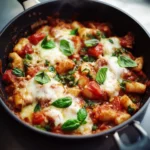
Ingredients
1–1.5 pounds Protein (chicken, beef, or tofu):
Protein is the star of the show, providing substance and satiety to your one-pan creation. The recipe suggests chicken, beef, or tofu, but the protein world is your oyster!
- Chicken: Chicken is a classic choice for one-pan meals due to its versatility and quick cooking time. You can use boneless, skinless chicken breasts or thighs. Chicken breasts are leaner and cook faster, while chicken thighs are richer in flavor and stay moist even with longer cooking. For a deeper flavor profile, consider using bone-in, skin-on chicken pieces, but remember they will require a longer cooking time and may render more fat. For a quicker option, pre-cooked rotisserie chicken, shredded or chopped, can be added towards the end of the cooking process, just to heat through and absorb the flavors of the sauce.
- Beef: Beef adds a robust and hearty dimension to your one-pan meal. For quick cooking, opt for cuts like sirloin steak, flank steak, or even ground beef. Sirloin and flank steak can be cut into strips or cubes for stir-fry style dishes. Ground beef is excellent for creating a more casserole-like one-pan meal, especially when combined with vegetables like potatoes and onions. For tougher cuts like stew beef, pre-browning and a longer simmering time in the broth will be necessary to achieve tenderness. Remember to trim excess fat from your beef to keep the dish leaner.
- Tofu: For a vegetarian or vegan option, tofu is an excellent choice. Firm or extra-firm tofu works best as it holds its shape during cooking. Pressing the tofu before cooking is crucial to remove excess water and allow it to absorb flavors better. You can cube the tofu and pan-fry it until golden brown and crispy, or toss it in cornstarch before frying for extra crispiness. Tofu is a blank canvas that readily absorbs marinades and sauces, making it incredibly versatile. Consider marinating it in soy sauce, ginger, and garlic for an Asian-inspired flavor, or in Italian herbs and balsamic vinegar for a Mediterranean twist.
- Other Protein Options: Don’t limit yourself to just chicken, beef, or tofu! Explore other protein sources to add variety to your one-pan meals:
- Shrimp: Shrimp cooks incredibly quickly and adds a delicate sweetness to the dish. Add shrimp in the last few minutes of cooking to prevent overcooking and rubberiness.
- Sausage: Italian sausage, chorizo, or chicken sausage can bring bold flavors to your one-pan meals. Pre-cooked sausages can be sliced and added towards the end to heat through, while raw sausages should be cooked through before adding vegetables.
- Fish: Flaky white fish like cod, tilapia, or haddock cooks quickly and pairs well with vegetables and herbs. Add fish in the last 5-7 minutes of cooking and cook until it flakes easily with a fork.
- Beans and Legumes: For a plant-based protein boost, add chickpeas, lentils, black beans, or white beans to your one-pan meal. Canned beans can be added towards the end to heat through, while dried beans should be cooked separately beforehand or added at the beginning with extra broth to simmer until tender.
2 cups Fresh Vegetables (bell peppers, zucchini, broccoli):
Vegetables are the heart of a healthy and flavorful one-pan meal. They provide essential vitamins, minerals, and fiber, while also adding color, texture, and deliciousness. The recipe suggests bell peppers, zucchini, and broccoli, but feel free to mix and match your favorites and what’s in season.
- Bell Peppers: Bell peppers offer a sweet and slightly tangy flavor, along with a satisfying crunch. They come in a rainbow of colors – red, yellow, orange, and green – each with slightly different flavor profiles. Red peppers are the sweetest, while green peppers are slightly more bitter. Bell peppers are rich in Vitamin C and antioxidants. They are versatile and can be sliced, diced, or cut into strips for one-pan meals.
- Zucchini: Zucchini is a mild and versatile summer squash that cooks quickly and absorbs flavors beautifully. It’s low in calories and a good source of Vitamin C and potassium. Zucchini can be sliced, diced, or halved lengthwise for one-pan meals. Consider grilling or roasting zucchini before adding it to the pan for a smoky flavor.
- Broccoli: Broccoli is a nutritional powerhouse, packed with vitamins, minerals, and fiber. It has a slightly bitter and earthy flavor that pairs well with many proteins and sauces. Broccoli florets are best for one-pan meals, but you can also use the stems, peeled and chopped. Broccoli can be roasted, steamed, or sautéed in a one-pan meal. Be mindful of cooking time as broccoli can become mushy if overcooked.
- Expanding Your Vegetable Horizons: Don’t stop at bell peppers, zucchini, and broccoli! Explore the vast world of vegetables to create exciting and diverse one-pan meals:
- Onions and Garlic: Aromatic foundations for almost any savory dish. Onions add sweetness and depth, while garlic provides pungent flavor. Sauté onions and garlic at the beginning to build flavor.
- Carrots: Carrots add sweetness and a vibrant orange color to your meals. They can be sliced, diced, or cut into rounds. Carrots take a bit longer to cook than some other vegetables, so add them earlier in the cooking process.
- Potatoes: Potatoes are starchy and satisfying, making your one-pan meal more substantial. Use Yukon Gold or red potatoes for quicker cooking, or sweet potatoes for a sweeter flavor and added nutrients. Dice potatoes into small cubes to ensure they cook through.
- Asparagus: Asparagus is a delicate spring vegetable that cooks quickly and adds a slightly grassy flavor. Snap off the woody ends and add asparagus spears in the last few minutes of cooking.
- Green Beans: Green beans provide a crisp and fresh element to one-pan meals. Trim the ends and add green beans alongside other vegetables.
- Mushrooms: Mushrooms add an earthy and umami flavor to your dishes. Cremini, shiitake, or portobello mushrooms are all great options. Sauté mushrooms until they release their moisture and brown slightly.
- Spinach and Kale: Leafy greens like spinach and kale are packed with nutrients and cook down quickly. Add them towards the end of cooking and stir until wilted.
- Cherry Tomatoes: Cherry tomatoes add bursts of sweetness and acidity. Add them whole or halved towards the end of cooking so they soften slightly but don’t become mushy.
2 tablespoons Olive Oil:
Olive oil is the preferred cooking oil for this recipe, adding healthy fats and a subtle fruity flavor. Extra virgin olive oil is ideal for its rich flavor and health benefits. However, you can also use other cooking oils based on your preference and what you have on hand.
- Alternative Oils:
- Avocado Oil: Avocado oil has a mild, buttery flavor and a high smoke point, making it suitable for sautéing and pan-frying.
- Coconut Oil: Coconut oil adds a subtle coconut flavor and is a good option for Asian-inspired one-pan meals.
- Vegetable Oil: Vegetable oil is a neutral-flavored oil that works well for general cooking.
- Canola Oil: Canola oil is another neutral-flavored oil with a high smoke point.
1 cup Broth (chicken or vegetable):
Broth is the liquid base for the sauce and adds depth of flavor to the dish. Chicken broth provides a savory richness, while vegetable broth keeps the dish vegetarian or vegan.
- Broth Variations:
- Beef Broth: Use beef broth for beef-based one-pan meals to enhance the meaty flavor.
- Bone Broth: Bone broth is rich in collagen and nutrients and adds a deeper, more complex flavor.
- Mushroom Broth: Mushroom broth adds an earthy and umami flavor, especially delicious with vegetarian or mushroom-heavy one-pan meals.
- Water: In a pinch, water can be used as a substitute for broth, but it will lack the depth of flavor. Consider adding extra herbs and spices to compensate.
Assorted Herbs and Spices (thyme, rosemary):
Herbs and spices are the flavor enhancers that elevate your one-pan meal from simple to sensational. The recipe suggests thyme and rosemary, classic Mediterranean herbs that pair well with chicken and vegetables.
- Herb and Spice Combinations:
- Italian: Oregano, basil, parsley, garlic powder, onion powder, red pepper flakes.
- Mediterranean: Thyme, rosemary, oregano, lemon zest, garlic, paprika.
- Asian: Ginger, garlic, soy sauce, sesame oil, chili flakes, cilantro.
- Mexican: Cumin, chili powder, paprika, oregano, coriander, cayenne pepper.
- Indian: Curry powder, turmeric, cumin, coriander, garam masala, ginger, garlic.
- French: Thyme, rosemary, bay leaf, parsley, tarragon.
- Fresh vs. Dried Herbs: Fresh herbs have a brighter and more delicate flavor than dried herbs. Use fresh herbs when possible, adding them towards the end of cooking to preserve their flavor. Dried herbs are more concentrated in flavor and should be added earlier in the cooking process to allow them to rehydrate and release their flavor. Generally, use about 1 teaspoon of dried herbs for every tablespoon of fresh herbs.
- Spice Level: Adjust the amount of spices to your taste. Start with a smaller amount and add more to taste as you cook. For a spicier dish, add red pepper flakes, cayenne pepper, or a dash of hot sauce.
Instructions
1. Preheat a large skillet over medium heat and add olive oil.
- Skillet Selection: A large skillet, preferably 12 inches or larger, is essential for one-pan meals to ensure all ingredients cook evenly without overcrowding. Cast iron skillets, stainless steel skillets, or non-stick skillets all work well. A skillet with high sides is helpful to contain the ingredients and prevent splattering.
- Heat Control: Medium heat is generally ideal for sautéing and browning protein and vegetables without burning them. Adjust the heat as needed depending on your stovetop and the ingredients you are using. If the pan is smoking excessively or the food is browning too quickly, reduce the heat.
- Oil Distribution: Ensure the olive oil is evenly distributed across the bottom of the skillet to prevent sticking and promote even cooking. Swirl the pan or use a spatula to spread the oil.
2. Sauté your chosen protein until golden brown on all sides (5-7 minutes).
- Protein Preparation: Cut your chosen protein into bite-sized pieces for faster and more even cooking. Pat the protein dry with paper towels before sautéing to help it brown better. Excess moisture can steam the protein instead of browning it.
- Browning is Key: Browning the protein, also known as the Maillard reaction, is crucial for developing flavor. It creates a rich, savory crust and adds depth to the overall dish. Don’t overcrowd the pan when browning the protein; work in batches if necessary to ensure proper browning.
- Doneness Check: Cook chicken and beef until they are no longer pink inside and the juices run clear when pierced with a fork. Tofu should be golden brown and slightly crispy on all sides. Shrimp should turn pink and opaque.
3. Add chopped vegetables and cook until tender (5-10 minutes).
- Vegetable Prep: Chop vegetables into similar sizes for even cooking. Start with vegetables that take longer to cook, such as carrots and potatoes, and add quicker-cooking vegetables like zucchini and bell peppers later.
- Sautéing Techniques: Sauté vegetables by tossing them in the skillet with the protein and olive oil. Stir frequently to prevent sticking and ensure even cooking. The vegetables should become tender-crisp, meaning they are cooked through but still have a slight bite.
- Vegetable Order: The order in which you add vegetables to the pan matters. Add harder vegetables first and softer vegetables later. This ensures that all vegetables are cooked to the desired tenderness without some becoming overcooked and mushy.
4. Sprinkle herbs and spices in the last minute of cooking.
- Timing is Everything: Adding herbs and spices towards the end of cooking helps to preserve their flavor and aroma. Prolonged heat can diminish the volatile oils in herbs and spices, reducing their impact.
- Flavor Infusion: Sprinkling herbs and spices in the last minute allows them to bloom in the heat and infuse the entire dish with their flavor. Stir to distribute the herbs and spices evenly.
- Fresh Herb Addition: If using fresh herbs, add them at the very end of cooking, just before serving, for the freshest flavor and vibrant color. Chop fresh herbs before adding them for easier distribution.
5. Pour in broth, scraping up any browned bits from the pan, and simmer for another five minutes.
- Deglazing the Pan: Pouring in the broth deglazes the pan, which means scraping up the browned bits (fond) that have accumulated on the bottom of the skillet. These browned bits are packed with flavor and add richness to the sauce. Use a spatula or wooden spoon to scrape the bottom of the pan as you pour in the broth.
- Simmering for Flavor: Simmering the broth allows the flavors to meld together and create a delicious sauce. The broth will also reduce slightly, thickening the sauce and concentrating the flavors. Simmer for 5 minutes or until the sauce has reached your desired consistency. If you prefer a thicker sauce, simmer for a longer time or add a cornstarch slurry (cornstarch mixed with cold water) to thicken it.
- Sauce Consistency: The sauce should be flavorful and slightly thickened, coating the protein and vegetables. Adjust the simmering time to achieve your desired sauce consistency.
6. Serve warm on plates, drizzled with remaining sauce.
- Serving Suggestions: Serve your one-pan meal immediately while it’s hot and flavorful. Drizzle any remaining sauce over the top for extra flavor and moisture.
- Garnish Options: Garnish with fresh herbs, a squeeze of lemon juice, or a sprinkle of grated cheese for added flavor and visual appeal.
- Accompaniments: One-pan meals are often complete meals in themselves, but you can serve them with sides like rice, quinoa, couscous, bread, or a simple salad to round out the meal.
Nutrition
- Serving Size: One Normal Portion
- Calories: 400-550
- Sugar: 5-10 grams
- Sodium: 400-600 mg
- Fat: 20-30 grams
- Saturated Fat: 5-10 grams
- Carbohydrates: 20-30 grams
- Fiber: 5-8 grams
- Protein: 30-40 grams
- Cholesterol: 80-120 mg