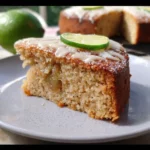
Ingredients
- Butter: 150g (⅔ cup), softened to room temperature
- Caster Sugar (Superfine Sugar): 200g (1 cup)
- Eggs: 2 large, at room temperature
- Vanilla Extract: 1 teaspoon
- Feijoa Pulp: 250g (approximately 1 cup), scooped from about 8-10 medium-sized ripe feijoas
- All-Purpose Flour: 250g (2 cups)
- Baking Powder: 2 teaspoons
- Baking Soda: ½ teaspoon
- Ground Cinnamon: 1 teaspoon
- Salt: ¼ teaspoon
- Milk: 125ml (½ cup), at room temperature
- Walnuts or Pecans (Optional): 75g (¾ cup), roughly chopped
Instructions
Step 1: Preparation
- Preheat your oven to 180°C (350°F) for a conventional oven or 160°C (320°F) for a fan-forced oven.
- Grease a 20cm (8-inch) round cake tin or a standard 22cm x 12cm (9×5 inch) loaf tin thoroughly with butter or a non-stick cooking spray.
- Line the base and sides of the tin with baking paper. This ensures the cake won’t stick and makes it much easier to remove after baking.
Step 2: Prepare the Feijoas
- Wash and dry your feijoas. Cut them in half horizontally.
- Using a teaspoon, scoop the pulp and seeds out from the skin. Don’t worry about any small bits of the inner skin; they add to the texture.
- You can choose to roughly chop the pulp for more distinct pieces of fruit in your cake or mash it slightly with a fork for a more uniform distribution. Set the prepared pulp aside.
Step 3: Combine Dry Ingredients
- In a medium-sized bowl, sift together the all-purpose flour, baking powder, baking soda, ground cinnamon, and salt.
- Sifting is an important step as it aerates the flour and removes any lumps, contributing to a lighter cake. Whisk the sifted ingredients together to ensure everything is evenly distributed.
Step 4: Cream Butter and Sugar
- In a large mixing bowl, using either a stand mixer with the paddle attachment or a handheld electric mixer, beat the softened butter and caster sugar together on medium-high speed.
- Continue beating for about 3-4 minutes until the mixture is pale, light, and fluffy. This process, known as creaming, incorporates air into the batter, which is fundamental for a tender cake structure.
Step 5: Add Eggs and Vanilla
- Add the eggs to the creamed butter and sugar mixture, one at a time. Beat well after each addition until it is fully incorporated. If the mixture looks like it’s starting to curdle or separate, don’t panic. It will come back together when you add the flour.
- Beat in the vanilla extract.
Step 6: Incorporate Wet and Dry Ingredients
- This is where the magic happens. You will now add the dry ingredients and the milk to the creamed mixture in alternating additions. This technique prevents the batter from being overworked and ensures a tender crumb.
- Start by adding one-third of the flour mixture to the bowl. Beat on a low speed until just combined.
- Pour in half of the milk and mix on low until just incorporated.
- Add another third of the flour mixture, mix, then the remaining milk, and mix again.
- Finish by adding the last of the flour mixture. Mix only until you can no longer see any dry streaks of flour. Do not overmix! Overmixing develops the gluten in the flour, which can lead to a tough, dense cake.
Step 7: Fold in Feijoas and Nuts
- Switch from your electric mixer to a rubber spatula or large metal spoon.
- Add the prepared feijoa pulp and the optional chopped walnuts to the batter.
- Gently fold them into the batter using large, sweeping motions from the bottom of the bowl up to the top. Continue just until everything is evenly distributed. This gentle folding technique keeps the air you incorporated earlier in the batter.
Step 8: Bake to Perfection
- Pour the finished batter into your prepared cake tin and use your spatula to smooth the top.
- Place the tin in the center rack of your preheated oven.
- Bake for 45-55 minutes. If using a loaf tin, it may take closer to 55-65 minutes.
- The cake is done when it is golden brown on top, has started to pull away from the sides of the tin, and a skewer or toothpick inserted into the center comes out clean or with a few moist crumbs attached (but no wet batter).
Step 9: Cool and Glaze
- Remove the cake from the oven and let it cool in the tin on a wire rack for 10-15 minutes. This allows the cake to set slightly, making it less likely to break when you remove it.
- After 15 minutes, carefully invert the cake onto the wire rack, remove the tin and the baking paper, and turn it right-side up to cool completely.
- While the cake is cooling, you can prepare the lemon glaze. In a small bowl, whisk the sifted icing sugar with 2 tablespoons of lemon juice until you have a smooth, pourable consistency. If it’s too thick, add more lemon juice, a teaspoon at a time. If it’s too thin, add more sifted icing sugar.
- Once the cake is completely cool, drizzle the glaze over the top, letting it drip down the sides. Allow the glaze to set for about 30 minutes before slicing and serving.
Nutrition
- Serving Size: One Normal Portion
- Calories: 380