


Of all the signs that autumn has truly arrived, none is more fragrant or welcome in my kitchen than the arrival of feijoas. The annual feijoa glut is a celebrated event, a challenge to see how many ways we can enjoy this unique fruit before its short season ends. For my family, the undisputed champion of feijoa season is this very cake. The first time I baked it, the aroma filled the house with a perfume that was part pineapple, part guava, and part pure nostalgic comfort. When my children, usually picky about fruit in their baked goods, came back for a second, then a third slice, I knew I had a winner. This isn’t just a cake; it’s an experience. The crumb is incredibly moist, almost buttery, studded with the tangy, slightly gritty jewels of feijoa pulp. It’s simple enough for a weekday afternoon treat but special enough to serve to guests, who are always left asking for the recipe. It has become our official taste of autumn, a delicious tradition we look forward to all year.
The Ultimate Moist Feijoa Cake: A Complete Recipe
This recipe has been tested and perfected to create a feijoa cake that is reliably moist, packed with flavour, and beautifully balanced. The subtle warmth of cinnamon complements the feijoa’s unique tang without overpowering it, and the optional addition of walnuts adds a delightful textural contrast. This is the quintessential recipe for celebrating the feijoa harvest.
Ingredients
Before you begin, gather all your ingredients and ensure your butter and eggs are at room temperature. This is a crucial step for achieving a smooth batter and a light, even crumb in your final cake.
For the Cake:
- Butter: 150g (⅔ cup), softened to room temperature
- Caster Sugar (Superfine Sugar): 200g (1 cup)
- Eggs: 2 large, at room temperature
- Vanilla Extract: 1 teaspoon
- Feijoa Pulp: 250g (approximately 1 cup), scooped from about 8-10 medium-sized ripe feijoas
- All-Purpose Flour: 250g (2 cups)
- Baking Powder: 2 teaspoons
- Baking Soda: ½ teaspoon
- Ground Cinnamon: 1 teaspoon
- Salt: ¼ teaspoon
- Milk: 125ml (½ cup), at room temperature
- Walnuts or Pecans (Optional): 75g (¾ cup), roughly chopped
For the Simple Lemon Glaze (Optional but Recommended):
- Icing Sugar (Powdered Sugar): 120g (1 cup), sifted
- Lemon Juice: 2-3 tablespoons, freshly squeezed
Step-by-Step Instructions
Follow these detailed instructions carefully for a flawless feijoa cake every time. The key is in the technique, from creaming the butter and sugar properly to gently folding the final ingredients.
Step 1: Preparation
- Preheat your oven to 180°C (350°F) for a conventional oven or 160°C (320°F) for a fan-forced oven.
- Grease a 20cm (8-inch) round cake tin or a standard 22cm x 12cm (9×5 inch) loaf tin thoroughly with butter or a non-stick cooking spray.
- Line the base and sides of the tin with baking paper. This ensures the cake won’t stick and makes it much easier to remove after baking.
Step 2: Prepare the Feijoas
- Wash and dry your feijoas. Cut them in half horizontally.
- Using a teaspoon, scoop the pulp and seeds out from the skin. Don’t worry about any small bits of the inner skin; they add to the texture.
- You can choose to roughly chop the pulp for more distinct pieces of fruit in your cake or mash it slightly with a fork for a more uniform distribution. Set the prepared pulp aside.
Step 3: Combine Dry Ingredients
- In a medium-sized bowl, sift together the all-purpose flour, baking powder, baking soda, ground cinnamon, and salt.
- Sifting is an important step as it aerates the flour and removes any lumps, contributing to a lighter cake. Whisk the sifted ingredients together to ensure everything is evenly distributed.
Step 4: Cream Butter and Sugar
- In a large mixing bowl, using either a stand mixer with the paddle attachment or a handheld electric mixer, beat the softened butter and caster sugar together on medium-high speed.
- Continue beating for about 3-4 minutes until the mixture is pale, light, and fluffy. This process, known as creaming, incorporates air into the batter, which is fundamental for a tender cake structure.
Step 5: Add Eggs and Vanilla
- Add the eggs to the creamed butter and sugar mixture, one at a time. Beat well after each addition until it is fully incorporated. If the mixture looks like it’s starting to curdle or separate, don’t panic. It will come back together when you add the flour.
- Beat in the vanilla extract.
Step 6: Incorporate Wet and Dry Ingredients
- This is where the magic happens. You will now add the dry ingredients and the milk to the creamed mixture in alternating additions. This technique prevents the batter from being overworked and ensures a tender crumb.
- Start by adding one-third of the flour mixture to the bowl. Beat on a low speed until just combined.
- Pour in half of the milk and mix on low until just incorporated.
- Add another third of the flour mixture, mix, then the remaining milk, and mix again.
- Finish by adding the last of the flour mixture. Mix only until you can no longer see any dry streaks of flour. Do not overmix! Overmixing develops the gluten in the flour, which can lead to a tough, dense cake.
Step 7: Fold in Feijoas and Nuts
- Switch from your electric mixer to a rubber spatula or large metal spoon.
- Add the prepared feijoa pulp and the optional chopped walnuts to the batter.
- Gently fold them into the batter using large, sweeping motions from the bottom of the bowl up to the top. Continue just until everything is evenly distributed. This gentle folding technique keeps the air you incorporated earlier in the batter.
Step 8: Bake to Perfection
- Pour the finished batter into your prepared cake tin and use your spatula to smooth the top.
- Place the tin in the center rack of your preheated oven.
- Bake for 45-55 minutes. If using a loaf tin, it may take closer to 55-65 minutes.
- The cake is done when it is golden brown on top, has started to pull away from the sides of the tin, and a skewer or toothpick inserted into the center comes out clean or with a few moist crumbs attached (but no wet batter).
Step 9: Cool and Glaze
- Remove the cake from the oven and let it cool in the tin on a wire rack for 10-15 minutes. This allows the cake to set slightly, making it less likely to break when you remove it.
- After 15 minutes, carefully invert the cake onto the wire rack, remove the tin and the baking paper, and turn it right-side up to cool completely.
- While the cake is cooling, you can prepare the lemon glaze. In a small bowl, whisk the sifted icing sugar with 2 tablespoons of lemon juice until you have a smooth, pourable consistency. If it’s too thick, add more lemon juice, a teaspoon at a time. If it’s too thin, add more sifted icing sugar.
- Once the cake is completely cool, drizzle the glaze over the top, letting it drip down the sides. Allow the glaze to set for about 30 minutes before slicing and serving.
Nutrition at a Glance
Please note that these nutritional values are an estimate and can vary based on the specific ingredients used, the size of your feijoas, and the final serving size. This calculation assumes the cake is made with walnuts and divided into 12 servings.
- Servings: 12 slices
- Calories per serving (approximate): 380 kcal
Time is of the Essence: Preparation and Baking Time
Proper time management is key to stress-free baking. Here is a breakdown of the time you’ll need for this delicious feijoa cake.
- Preparation Time: 20 minutes (This includes gathering ingredients, preparing the feijoas, and mixing the batter).
- Baking Time: 45 – 65 minutes (depending on your oven and tin size).
- Cooling Time: 1 hour (It’s crucial to let the cake cool completely before glazing and slicing).
- Total Time: Approximately 2 hours and 20 minutes
How to Serve Your Masterpiece: Serving Suggestions
This feijoa cake is delightful on its own, but it can be elevated to a truly spectacular dessert with the right accompaniments. Here are some ideas for serving:
- Classic and Simple:
- Serve a warm slice on its own with a cup of tea or coffee for the perfect afternoon treat.
- A simple dusting of icing sugar (powdered sugar) is elegant if you choose to skip the glaze.
- With Cream or Yogurt:
- Thickened Cream or Clotted Cream: A generous dollop of rich, thick cream is a classic pairing that balances the cake’s tanginess.
- Vanilla Bean Yogurt: For a lighter, tangier option, serve with a spoonful of high-quality Greek or vanilla bean yogurt.
- Mascarpone: The smooth, rich, and slightly sweet flavour of mascarpone cheese is a luxurious accompaniment.
- As a Dessert:
- Vanilla Ice Cream: A slice of warm feijoa cake with a scoop of melting vanilla bean ice cream is a universally loved dessert combination.
- Salted Caramel Sauce: Drizzle warm salted caramel sauce over a slice of the cake for an indulgent and decadent flavour explosion.
- Feijoa Coulis: For the ultimate feijoa experience, make a simple coulis by simmering feijoa pulp with a little sugar and lemon juice until thickened. Pour this over the cake before serving.
- At a Gathering:
- Place the fully glazed cake on a beautiful cake stand as the centerpiece of a dessert table or afternoon tea spread.
- Garnish the plate with a few fresh mint leaves or some extra chopped walnuts for a professional touch.
Baker’s Secrets: 5 Additional Tips for Feijoa Cake Perfection
These professional tips will help you troubleshoot common baking issues and ensure your feijoa cake is the best it can be.
- The Importance of Room Temperature Ingredients: This tip cannot be overstated. Softened butter creams more effectively with sugar, trapping more air. Room temperature eggs and milk emulsify into the batter seamlessly, creating a uniform, stable structure. Cold ingredients can cause the batter to split or curdle, resulting in a dense, greasy cake. Plan ahead and take your ingredients out of the fridge at least an hour before you start baking.
- Don’t Squeeze the Feijoas: When preparing your feijoa pulp, simply scoop it out. There’s no need to drain it or squeeze out any excess liquid. That natural juice is packed with flavour and is essential for creating the incredibly moist texture that makes this cake so special. It’s a key ingredient, not just a mix-in.
- Master the “Fold”: The difference between a light, airy cake and a tough, rubbery one often comes down to the final mixing stage. Once you start adding the flour, you are developing gluten. An electric mixer can quickly overdo it. By switching to a spatula and using a gentle folding motion (scraping down the side of the bowl and bringing the batter from the bottom up and over the top), you combine the ingredients perfectly while preserving the air you worked so hard to incorporate during the creaming stage.
- Know Your Oven: All ovens are different. The baking times provided are a guide, but your oven may run hotter or cooler. An inexpensive oven thermometer is a baker’s best friend. For this cake, check it at the 45-minute mark. If it’s browning too quickly on top but the inside is still raw, you can loosely tent a piece of aluminum foil over the top for the remainder of the baking time to prevent it from burning.
- Patience During Cooling: It can be tempting to slice into a cake the moment it comes out of the oven, but patience is a virtue in baking. Allowing the cake to cool in the tin for 10-15 minutes first helps it to firm up. Transferring it to a wire rack to cool completely is essential before glazing. If you try to glaze a warm cake, the glaze will melt and soak in, becoming a sticky mess rather than a beautiful, crisp shell.
Your Feijoa Cake Questions Answered: FAQ
Here are answers to some of the most frequently asked questions about baking with feijoas.
Q1: Can I use frozen feijoas for this recipe?
A: Absolutely! Freezing feijoa pulp is a fantastic way to enjoy this cake all year round. Simply scoop the pulp during the feijoa season and freeze it in recipe-sized portions (e.g., 1 cup or 250g bags). When you’re ready to bake, let the pulp thaw completely in the fridge or on the counter. Drain away any excess watery liquid that has separated during the thawing process before adding the pulp to your batter.
Q2: My cake sunk in the middle. What did I do wrong?
A: A sunken cake is a common baking frustration and can be caused by a few things. The most likely culprits are: 1) Opening the oven door too early or too often during baking, which causes a sudden drop in temperature. 2) Underbaking the cake, meaning the internal structure wasn’t set enough to support itself when it cooled. 3) Over-beating the batter after adding the flour, which developed too much gluten and caused it to rise quickly and then collapse. Always test for doneness with a skewer in the very center before removing the cake from the oven.
Q3: How should I store the finished feijoa cake?
A: This cake stores beautifully, and its flavour often deepens on the second day. Store the cake in an airtight container at room temperature for up to 3 days. If your kitchen is very warm, or if you’ve used a cream cheese frosting instead of a glaze, it’s best to store it in the fridge. The cake can also be frozen. For best results, freeze it un-glazed. Wrap the completely cooled cake tightly in a double layer of plastic wrap and then a layer of aluminum foil. It will keep well in the freezer for up to 3 months. Thaw at room temperature before glazing and serving.
Q4: Can I make this recipe into muffins?
A: Yes, this recipe adapts wonderfully to muffins. Simply divide the batter evenly among 12-14 lined muffin cups, filling them about two-thirds full. The baking time will be significantly shorter. Start checking them at the 18-20 minute mark. They are done when a toothpick inserted into the center of a muffin comes out clean. This is a great option for lunchboxes and easy portion control.
Q5: Are feijoa skins edible? Can I leave them on for the cake?
A: While feijoa skins are technically edible and are sometimes used in things like feijoa skin syrup or tea, they have a very strong, slightly bitter, and astringent flavour that is not suitable for this cake. Their texture is also quite tough. For the best flavour and a tender crumb in your cake, it is essential to scoop out the soft inner pulp and discard the skins (or save them for another experiment!).
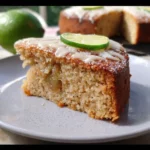
Moist Feijoa Cake Recipe
Ingredients
- Butter: 150g (⅔ cup), softened to room temperature
- Caster Sugar (Superfine Sugar): 200g (1 cup)
- Eggs: 2 large, at room temperature
- Vanilla Extract: 1 teaspoon
- Feijoa Pulp: 250g (approximately 1 cup), scooped from about 8-10 medium-sized ripe feijoas
- All-Purpose Flour: 250g (2 cups)
- Baking Powder: 2 teaspoons
- Baking Soda: ½ teaspoon
- Ground Cinnamon: 1 teaspoon
- Salt: ¼ teaspoon
- Milk: 125ml (½ cup), at room temperature
- Walnuts or Pecans (Optional): 75g (¾ cup), roughly chopped
Instructions
Step 1: Preparation
- Preheat your oven to 180°C (350°F) for a conventional oven or 160°C (320°F) for a fan-forced oven.
- Grease a 20cm (8-inch) round cake tin or a standard 22cm x 12cm (9×5 inch) loaf tin thoroughly with butter or a non-stick cooking spray.
- Line the base and sides of the tin with baking paper. This ensures the cake won’t stick and makes it much easier to remove after baking.
Step 2: Prepare the Feijoas
- Wash and dry your feijoas. Cut them in half horizontally.
- Using a teaspoon, scoop the pulp and seeds out from the skin. Don’t worry about any small bits of the inner skin; they add to the texture.
- You can choose to roughly chop the pulp for more distinct pieces of fruit in your cake or mash it slightly with a fork for a more uniform distribution. Set the prepared pulp aside.
Step 3: Combine Dry Ingredients
- In a medium-sized bowl, sift together the all-purpose flour, baking powder, baking soda, ground cinnamon, and salt.
- Sifting is an important step as it aerates the flour and removes any lumps, contributing to a lighter cake. Whisk the sifted ingredients together to ensure everything is evenly distributed.
Step 4: Cream Butter and Sugar
- In a large mixing bowl, using either a stand mixer with the paddle attachment or a handheld electric mixer, beat the softened butter and caster sugar together on medium-high speed.
- Continue beating for about 3-4 minutes until the mixture is pale, light, and fluffy. This process, known as creaming, incorporates air into the batter, which is fundamental for a tender cake structure.
Step 5: Add Eggs and Vanilla
- Add the eggs to the creamed butter and sugar mixture, one at a time. Beat well after each addition until it is fully incorporated. If the mixture looks like it’s starting to curdle or separate, don’t panic. It will come back together when you add the flour.
- Beat in the vanilla extract.
Step 6: Incorporate Wet and Dry Ingredients
- This is where the magic happens. You will now add the dry ingredients and the milk to the creamed mixture in alternating additions. This technique prevents the batter from being overworked and ensures a tender crumb.
- Start by adding one-third of the flour mixture to the bowl. Beat on a low speed until just combined.
- Pour in half of the milk and mix on low until just incorporated.
- Add another third of the flour mixture, mix, then the remaining milk, and mix again.
- Finish by adding the last of the flour mixture. Mix only until you can no longer see any dry streaks of flour. Do not overmix! Overmixing develops the gluten in the flour, which can lead to a tough, dense cake.
Step 7: Fold in Feijoas and Nuts
- Switch from your electric mixer to a rubber spatula or large metal spoon.
- Add the prepared feijoa pulp and the optional chopped walnuts to the batter.
- Gently fold them into the batter using large, sweeping motions from the bottom of the bowl up to the top. Continue just until everything is evenly distributed. This gentle folding technique keeps the air you incorporated earlier in the batter.
Step 8: Bake to Perfection
- Pour the finished batter into your prepared cake tin and use your spatula to smooth the top.
- Place the tin in the center rack of your preheated oven.
- Bake for 45-55 minutes. If using a loaf tin, it may take closer to 55-65 minutes.
- The cake is done when it is golden brown on top, has started to pull away from the sides of the tin, and a skewer or toothpick inserted into the center comes out clean or with a few moist crumbs attached (but no wet batter).
Step 9: Cool and Glaze
- Remove the cake from the oven and let it cool in the tin on a wire rack for 10-15 minutes. This allows the cake to set slightly, making it less likely to break when you remove it.
- After 15 minutes, carefully invert the cake onto the wire rack, remove the tin and the baking paper, and turn it right-side up to cool completely.
- While the cake is cooling, you can prepare the lemon glaze. In a small bowl, whisk the sifted icing sugar with 2 tablespoons of lemon juice until you have a smooth, pourable consistency. If it’s too thick, add more lemon juice, a teaspoon at a time. If it’s too thin, add more sifted icing sugar.
- Once the cake is completely cool, drizzle the glaze over the top, letting it drip down the sides. Allow the glaze to set for about 30 minutes before slicing and serving.
Nutrition
- Serving Size: One Normal Portion
- Calories: 380