Ingredients
- Fresh Spinach: The star of our show! Spinach is a nutritional powerhouse, packed with vitamins A, C, and K, as well as iron and antioxidants. Don’t be shy with the spinach; a generous handful (around 2 cups loosely packed) is ideal for a single serving. Fresh spinach is preferable for its vibrant flavor and texture, but frozen spinach can also be used, especially if you prefer a colder, thicker smoothie. If using frozen, you may want to thaw it slightly or add a bit more liquid to ensure smooth blending. Organic spinach is always a great choice if available to minimize pesticide exposure. The mild flavor of spinach makes it incredibly versatile and easily masked by fruits, making it an ideal base for beginner green smoothie enthusiasts.
- Frozen Fruit: Frozen fruit is your secret weapon for creating a cold, creamy, and naturally sweet smoothie without relying on added sugars. Berries are fantastic choices – think frozen blueberries, strawberries, raspberries, or mixed berries. They are low in calories, high in antioxidants, and contribute a delightful sweetness and vibrant color. Bananas, particularly frozen bananas, are another excellent option. They add a wonderful creaminess and natural sweetness, acting almost like a natural ice cream in your smoothie. If you are conscious about calorie intake, use banana in moderation, or opt for other fruits like berries or peaches which are lower in calories. Mango and pineapple, while slightly higher in natural sugars, can also be used in moderation for a tropical twist. Aim for about 1 cup of frozen fruit per serving for a good balance of sweetness and texture.
- Liquid Base: The liquid base is crucial for achieving the desired consistency of your smoothie. Water is the simplest and lowest calorie option, allowing the flavors of the fruits and spinach to truly shine. For a creamier texture, unsweetened almond milk, coconut milk (light version), or oat milk are excellent choices. These plant-based milks add a touch of richness without significantly increasing the calorie count. Regular dairy milk can also be used, but it will be higher in calories and fat. Consider also using green tea for an extra antioxidant boost and subtle earthy flavor, or even coconut water for added hydration and electrolytes. Start with about ½ cup of liquid and add more as needed to reach your preferred smoothie consistency. Remember, you can always add more liquid, but you can’t take it away!
- Protein Source (Optional but Recommended): Adding a protein source to your smoothie is highly recommended, especially if you’re having it for breakfast or as a meal replacement. Protein helps to keep you feeling full and satisfied for longer, preventing those mid-morning or mid-afternoon energy crashes. Unflavored or vanilla protein powder (whey, plant-based, or collagen) is a convenient option. Greek yogurt (non-fat or low-fat) is another excellent choice, adding both protein and creaminess. For plant-based protein sources, consider adding chia seeds, flax seeds, hemp seeds, or nut butter (in moderation due to calorie density). A tablespoon or two of seeds or a scoop of protein powder is usually sufficient per serving.
- Natural Sweetener (Optional): While the fruit provides natural sweetness, some may prefer an extra touch of sweetness, especially when first adjusting to green smoothies. If needed, opt for natural, low-calorie sweeteners. A small amount of stevia or monk fruit sweetener is a calorie-free option. A drizzle of pure maple syrup or honey can also be used, but keep in mind these add calories and should be used sparingly. Dates are a whole-food sweetener option; one or two pitted dates can add sweetness and fiber, but they are also calorie-dense, so use them judiciously in a low-calorie smoothie. Often, as you get used to green smoothies, you’ll find you need less and less added sweetener, appreciating the natural flavors of the fruits and vegetables.
- Flavor Boosters (Optional): To elevate the flavor profile of your spinach smoothie, consider adding flavor boosters. A squeeze of fresh lemon or lime juice brightens the flavors and adds a zesty kick. A small piece of fresh ginger or a pinch of ground ginger adds warmth and a spicy note, as well as digestive benefits. A dash of cinnamon, nutmeg, or vanilla extract adds comforting and aromatic depth. For a chocolatey twist, a tablespoon of unsweetened cocoa powder or cacao nibs can be included (cacao nibs also add a delightful crunch). Fresh herbs like mint or basil can also be surprisingly delicious additions, adding freshness and unique flavor dimensions. Experiment and find your favorite combinations!
Instructions
- Prepare Your Ingredients: The key to a smooth and efficient smoothie-making process is to have all your ingredients prepped and ready to go. Wash your fresh spinach thoroughly under cold water to remove any dirt or grit. If using frozen spinach, you can use it directly from frozen, or thaw it slightly for easier blending. Measure out your frozen fruit – berries, bananas, mango, or your preferred mix. Gather your liquid base – water, almond milk, or your chosen alternative. If you are adding protein powder, Greek yogurt, seeds, or any optional flavor boosters, have these measured and ready as well. Prepping everything beforehand makes the actual blending process a breeze.
- Load Ingredients into the Blender (Liquid First): The order in which you add ingredients to your blender can actually impact the blending process and the final texture of your smoothie. It’s generally recommended to start by adding your liquid base to the blender jar first. This helps to create a vortex when blending, ensuring that all the ingredients are properly incorporated. Next, add your leafy greens – in this case, spinach. Placing the spinach closer to the blades initially helps it blend more smoothly. Then, add your frozen fruit. Frozen fruit is best added last as it sits on top and gets pulled down into the blades as the liquid starts to blend. Finally, if you are using protein powder, yogurt, seeds, or any other additions, add them on top of the frozen fruit. This layering technique can help achieve a smoother blend, especially with less powerful blenders.
- Blend Until Smooth and Creamy: Now for the fun part – blending! Securely place the lid on your blender and start blending on a low speed initially, gradually increasing to a higher speed. Blend for about 30 seconds to 1 minute, or until all the ingredients are completely smooth and creamy. The blending time will depend on the power of your blender and the texture you desire. If you are using a high-powered blender, it may only take 20-30 seconds. For less powerful blenders, you may need to blend for a bit longer, and you might need to stop and scrape down the sides of the blender jar with a spatula a couple of times to ensure everything is evenly blended. If your smoothie is too thick, add a little more liquid, one tablespoon at a time, and blend again until you reach your desired consistency. If it’s too thin, you can add a few more pieces of frozen fruit or a handful of ice cubes and blend again.
- Taste and Adjust (Optional): Once your smoothie is blended to a smooth and creamy consistency, it’s always a good idea to give it a taste test. This is your opportunity to adjust the flavor to your liking. If you find it’s not sweet enough, you can add a touch of natural sweetener like stevia, monk fruit, or a tiny drizzle of maple syrup. If you want a brighter flavor, add a squeeze of lemon or lime juice. If you prefer a thicker smoothie, add a few more pieces of frozen fruit or a couple of ice cubes and blend again. Don’t be afraid to experiment and personalize your smoothie to perfectly match your taste preferences. This step ensures that your smoothie is not only healthy but also enjoyable and satisfying.
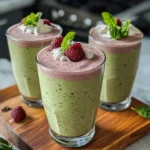
- Serve Immediately and Enjoy: Freshly made smoothies are always best enjoyed immediately. Pour your low-calorie spinach smoothie into a glass or shaker. You can garnish it with a few fresh berries, a sprig of mint, or a sprinkle of chia seeds for visual appeal, although this is entirely optional. Sip slowly and savor the refreshing and nutritious goodness. If you are making smoothies ahead of time, it’s best to consume them within a few hours for optimal freshness and nutrient retention. If you need to store it for a slightly longer period, keep it in an airtight container in the refrigerator, but be aware that the texture and color may change slightly over time. Enjoy your delicious and healthy low-calorie spinach smoothie!
Nutrition
- Serving Size: one normal portion
- Calories: 150-250
- Fat: 2-5 grams
- Carbohydrates: 25-40 grams
- Fiber: 5-8 grams
- Protein: 8-15 grams