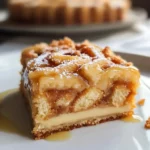
Ingredients
Scale
Cake Ingredients
- 1 Tablespoon Butter (for greasing pan): This seemingly small amount of butter is essential for ensuring your cake releases cleanly from the 9×13 inch baking pan. Using butter, rather than cooking spray, adds a subtle richness to the edges of the cake and helps create a beautifully browned crust. Unsalted butter is preferred here to control the overall saltiness of the recipe. Make sure to grease the pan thoroughly, reaching all corners and sides to prevent any sticking. For an extra layer of insurance, you can also dust the buttered pan with a light coating of all-purpose flour.
- 2 ½ cups (312 g) All-Purpose Flour: All-purpose flour forms the structural backbone of this cake. It provides the gluten necessary for a tender yet sturdy crumb. When measuring flour, it’s crucial to do it correctly. Avoid scooping directly from the bag, which can compact the flour and lead to using too much. Instead, spoon the flour lightly into your measuring cup and level it off with a straight edge. Using a kitchen scale for precise measurement (312g) is highly recommended, especially in baking, for consistent results every time. If you’re looking for a slightly nuttier flavor, you can substitute up to ½ cup of all-purpose flour with whole wheat pastry flour, but be mindful that this might slightly alter the texture, making it a touch denser.
- 1 teaspoon Baking Powder: Baking powder is the leavening agent in this recipe, responsible for giving the cake its light and airy texture. It’s a chemical leavener that works by releasing carbon dioxide gas when moistened and heated, causing the cake to rise. Ensure your baking powder is fresh; old baking powder may lose its potency and result in a flat cake. To test its freshness, you can add a teaspoon of baking powder to a half cup of hot water; if it fizzes vigorously, it’s still good to use.
- ½ teaspoon Salt: Salt might seem insignificant in a sweet cake, but it’s a crucial ingredient for flavor balance. Salt enhances the sweetness of the sugar and other flavors, preventing the cake from tasting flat or one-dimensional. It also controls the activity of the baking powder, contributing to the cake’s texture. Use fine sea salt or table salt for this recipe.
- ⅔ cup (150 g) Unsalted Butter, Room Temperature: Room temperature butter is essential for creating a light and fluffy cake. When butter is at room temperature (around 65-68°F or 18-20°C), it can be creamed with sugar to incorporate air, which is vital for a tender crumb. Unsalted butter allows you to control the total salt content of the recipe. If you only have salted butter, you can use it but reduce the added salt in the recipe to ¼ teaspoon. To quickly bring butter to room temperature, you can cut it into smaller cubes and let it sit at room temperature for about 30-45 minutes, or microwave it in short 5-second bursts, being careful not to melt it.
- 1 ½ cups (300 g) Granulated Sugar: Granulated sugar not only sweetens the cake but also contributes to its moisture and tenderness. During creaming with butter, sugar crystals create air pockets, which further contribute to the cake’s light texture. The amount of sugar is balanced to provide sweetness without being overwhelming, complementing the honey glaze and cinnamon filling.
- 2 Large Eggs, Room Temperature: Eggs provide structure, richness, and moisture to the cake. Using room temperature eggs is important because they emulsify more easily with the butter and sugar, resulting in a smoother batter. Room temperature eggs also contribute to a better rise and overall texture of the cake. To quickly bring eggs to room temperature, you can place them in a bowl of warm (not hot) water for about 5-10 minutes.
- 2 Egg Yolks, Room Temperature: Adding extra egg yolks enhances the richness and tenderness of the cake. Egg yolks are high in fat, which contributes to a moist and decadent crumb. They also add a beautiful golden color to the cake. Like whole eggs, room temperature egg yolks will incorporate more smoothly into the batter.
- 1 Tablespoon Pure Vanilla Extract: Vanilla extract is a flavor enhancer that elevates the overall taste of the cake. Pure vanilla extract provides the best flavor; avoid imitation vanilla, which can taste artificial. A tablespoon is a generous amount that adds a warm, aromatic note to the cake, complementing the cinnamon and honey flavors. You can also experiment with other extracts like almond or maple extract for a slightly different flavor profile, but vanilla is classic and works exceptionally well in this recipe.
- 1 ¼ cups (300 g) Sour Cream, Room Temperature: Sour cream is the secret ingredient for an incredibly moist cake. Its acidity tenderizes the gluten in the flour, resulting in a softer crumb. Sour cream also adds a subtle tanginess that balances the sweetness of the cake and glaze. Full-fat sour cream is recommended for the best flavor and texture; low-fat or non-fat sour cream can be used but may result in a slightly drier cake. Ensure the sour cream is at room temperature so it blends smoothly into the batter and doesn’t cool down the butter, which could cause the batter to curdle.
Cinnamon Sugar Filling Ingredients
- ¾ cup (150 g) Light Brown Sugar: Light brown sugar provides a warm, caramel-like sweetness to the cinnamon filling. It also contains molasses, which adds moisture and depth of flavor. The slightly coarser texture of brown sugar compared to granulated sugar contributes to the delightful swirls within the cake. You can use dark brown sugar for a richer, more intense molasses flavor, but light brown sugar is typically preferred for honey bun cakes as it provides a more balanced sweetness.
- 1 Tablespoon Ground Cinnamon: Cinnamon is the star spice in the filling, delivering the signature warm and comforting flavor of honey bun cake. Use fresh ground cinnamon for the best aroma and taste. If your cinnamon has been sitting in your pantry for a while, it might be worth replacing it for optimal flavor. You can also experiment with adding a pinch of nutmeg or cloves to the cinnamon mixture for a slightly more complex spice profile, but cinnamon alone is classic and delicious.
Glaze Ingredients
- 1 ½ cups (180 g) Confectioners’ Sugar: Confectioners’ sugar, also known as powdered sugar or icing sugar, forms the base of the sweet and smooth glaze. Its fine texture dissolves easily in liquid, creating a lump-free glaze. Make sure to sift the confectioners’ sugar before measuring to remove any clumps, which will ensure a perfectly smooth glaze.
- 3–4 Tablespoons Milk: Milk is used to thin out the confectioners’ sugar and create the desired glaze consistency. Start with 3 tablespoons and add more, one tablespoon at a time, until you reach a glaze that is pourable but not too runny. The amount of milk needed can vary slightly depending on humidity and the exact consistency of your confectioners’ sugar. Whole milk will give a richer glaze, but 2% or even non-dairy milk alternatives like almond or oat milk can also be used.
- 1 Tablespoon Honey: Honey is the key ingredient that gives honey bun cake its signature flavor and name. It adds a distinct sweetness and a slightly floral, warm note to the glaze. Use a good quality honey for the best flavor. Different types of honey, such as wildflower, clover, or orange blossom, will each impart slightly different flavor nuances to the glaze, allowing you to customize the taste to your preference.
- 1 teaspoon Pure Vanilla Extract: Just like in the cake batter, vanilla extract enhances the overall flavor of the glaze, adding a touch of warmth and complexity. It complements the honey and sweet confectioners’ sugar, creating a well-rounded and delicious glaze.
Instructions
- Preheat and Prepare: Begin by preheating your oven to 350°F (175°C). This ensures the oven is at the correct temperature when you place the cake in, promoting even baking. Grease a 9×13 inch cake pan with 1 tablespoon of butter. Make sure to coat the bottom and sides thoroughly to prevent sticking. Set the prepared pan aside. This initial step is crucial for a hassle-free cake removal later on.
- Combine Dry Ingredients: In a large bowl, whisk together 2 ½ cups all-purpose flour, 1 teaspoon baking powder, and ½ teaspoon salt. Whisking helps to aerate the flour and evenly distribute the baking powder and salt throughout. This step ensures that the dry ingredients are properly combined and ready to be incorporated into the wet ingredients. Set this bowl aside.
- Cream Butter and Sugar: In the bowl of a stand mixer fitted with the paddle attachment (or using a hand mixer in a large bowl), cream together ⅔ cup (150 g) room temperature unsalted butter and 1 ½ cups (300 g) granulated sugar on medium-high speed. Beat for about 3 minutes, or until the mixture is light and fluffy. This creaming process is essential for incorporating air into the batter, which contributes to the cake’s light and tender texture. Scrape down the sides and bottom of the bowl as necessary during this step to ensure all ingredients are evenly incorporated.
- Incorporate Eggs and Vanilla: Add 2 room temperature large eggs and 2 room temperature egg yolks, one at a time, to the creamed butter and sugar mixture, beating well after each addition. This gradual addition allows the eggs to emulsify properly into the batter, creating a smooth and stable mixture. Mix in 1 tablespoon of pure vanilla extract. The vanilla extract enhances the overall flavor profile of the cake. Scrape down the sides and bottom of the bowl again to ensure everything is well combined.
- Alternate Wet and Dry Ingredients: With the mixer on low speed, add half of the flour mixture to the wet ingredients and beat just until combined. Be careful not to overmix at this stage, as overmixing can develop the gluten in the flour, resulting in a tough cake. Mix in 1 ¼ cups (300 g) room temperature sour cream until just combined. The sour cream adds moisture and a subtle tang to the cake. Add the remaining flour mixture and mix just until combined. Again, mix only until the flour is incorporated and no streaks remain.
- Prepare Cinnamon Sugar Filling: In a separate small bowl, whisk together ¾ cup (150 g) light brown sugar and 1 tablespoon ground cinnamon. This simple mixture creates the signature cinnamon swirl within the honey bun cake. Set aside.
- Assemble the Cake: Transfer half of the cake batter to the prepared 9×13 inch cake pan. Spread it into an even layer using a spatula or the back of a spoon. Sprinkle half of the cinnamon sugar mixture evenly over the batter layer. Repeat with the remaining cake batter, dropping it in dollops over the cinnamon sugar layer to make it easier to spread. Spread the top layer of batter into an even layer and sprinkle the remaining brown sugar cinnamon mixture evenly over the top.
- Create Cinnamon Swirls: Use a knife or a toothpick to swirl the cinnamon sugar mixture into the cake batter. Gently drag the knife through the batter in a swirling motion, creating marbled patterns of cinnamon sugar throughout the cake. Be careful not to over-swirl, as you want to maintain distinct pockets of cinnamon sugar.
- Bake the Cake: Bake in the preheated oven at 350°F (175°C) for 30 to 35 minutes, or until a toothpick inserted into the center of the cake comes out with just a few moist crumbs attached. Avoid overbaking, as this can dry out the cake. Start checking for doneness around 30 minutes and adjust baking time as needed depending on your oven.
- Prepare Honey Glaze: While the cake is baking, prepare the glaze. In a medium bowl, whisk together 1 ½ cups (180 g) confectioners’ sugar, 3-4 tablespoons of milk, 1 tablespoon of honey, and 1 teaspoon of pure vanilla extract. Whisk until smooth and the glaze reaches a pourable consistency. Add more milk, 1 tablespoon at a time, if needed to achieve the desired consistency.
- Glaze the Warm Cake: Once the cake is out of the oven, let it cool in the pan for about 5-10 minutes. While the cake is still warm, pour the honey glaze evenly over the top. The warmth of the cake will help the glaze to melt slightly and seep into the cake, adding extra moisture and flavor.
- Cool and Harden: Allow the glazed cake to cool completely in the pan, about 2 hours, or until the glaze has hardened. This cooling time is crucial for the glaze to set properly and for the cake to fully develop its moist texture. Once cooled and glazed, slice the Honey Bun Cake into squares and serve.
Nutrition
- Serving Size: One Normal Portion
- Calories: 350-450
- Sugar: 35-45g
- Sodium: 150-200mg
- Fat: 15-20g
- Saturated Fat: 8-12g
- Unsaturated Fat: 5-8g
- Trans Fat: 0g
- Carbohydrates: 50-60g
- Fiber: 1-2g
- Protein: 4-6g
- Cholesterol: 80-100mg