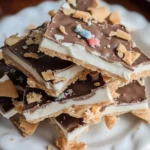
Ingredients
Core Ingredients: The Foundation of Flavor
At the heart of Greek Yogurt Bark are just three essential ingredients: Greek yogurt, a sweetener, and a touch of flavor enhancer. These form the creamy, tangy, and subtly sweet base that holds all the delicious toppings together.
- Greek Yogurt: This is the star of the show, providing the creamy texture, protein punch, and characteristic tang. When choosing your Greek yogurt, consider these options:
- Full-Fat Greek Yogurt: For the richest, creamiest bark, full-fat Greek yogurt is your best bet. It has a luxuriously smooth texture that freezes beautifully and provides a satisfyingly decadent mouthfeel. The higher fat content also contributes to a slightly softer bark, making it easier to bite into straight from the freezer. Brands like Fage Total 5% Milkfat or Chobani Plain Whole Milk Greek Yogurt are excellent choices for a truly indulgent experience.
- Low-Fat Greek Yogurt: If you’re looking to reduce the fat content while still maintaining a creamy texture, low-fat Greek yogurt is a great alternative. It will still freeze well and offer a good balance of creaminess and tang. You might find the texture slightly icier compared to full-fat, but it’s still incredibly delicious. Brands like Oikos Triple Zero Blended Greek Yogurt or Fage Total 2% Milkfat are popular low-fat options.
- Non-Fat Greek Yogurt: While non-fat Greek yogurt is the leanest choice, it can result in a slightly icier and less creamy bark due to its higher water content. However, it’s still a perfectly viable option, especially if you prioritize lower calories and fat. To combat potential iciness, you can add a touch of cream cheese (just a tablespoon or two per cup of yogurt) to improve the texture. Brands like Chobani Plain Non-Fat Greek Yogurt or Wallaby Organic Aussie Greek Plain Nonfat Yogurt are readily available non-fat options.
- Flavor Note: Always choose plain, unsweetened Greek yogurt. This allows you to control the sweetness level and flavor profile of your bark, ensuring it complements your chosen toppings perfectly. Flavored yogurts often contain artificial sweeteners and added sugars that can detract from the fresh, natural taste we’re aiming for.
- Sweetener: A touch of sweetness is essential to balance the tang of the Greek yogurt and make the bark more dessert-like. Natural sweeteners are preferred for both flavor and health benefits:
- Honey: Honey adds a warm, floral sweetness that pairs beautifully with a wide range of toppings, especially fruits and nuts. It also has a slightly thicker consistency that can contribute to a smoother bark. Local honey is always a wonderful choice, offering unique flavors and supporting local producers.
- Maple Syrup: Maple syrup provides a richer, caramel-like sweetness that is particularly delicious with toppings like pecans, walnuts, and cinnamon. Choose pure maple syrup (Grade A Dark Color or Grade B for a more intense flavor) for the best taste and avoid pancake syrups that are often made with corn syrup.
- Agave Nectar: Agave nectar is a vegan-friendly option with a mild, neutral sweetness. It dissolves easily into the yogurt and works well with most toppings. However, it’s sweeter than honey or maple syrup, so you may need to use slightly less.
- Stevia or Monk Fruit: For a sugar-free option, stevia or monk fruit are excellent choices. These natural sweeteners provide sweetness without adding calories or impacting blood sugar levels. Start with a small amount and adjust to your taste, as they can be intensely sweet. Powdered or liquid forms work well.
- Sweetener Quantity: Start with 1-2 tablespoons of sweetener per cup of Greek yogurt and adjust to your preference. Remember that the sweetness of your toppings will also contribute to the overall flavor profile.
- Vanilla Extract (Optional but Recommended): A splash of pure vanilla extract enhances the overall flavor of the bark, adding a touch of warmth and depth. It complements both sweet and tart toppings and elevates the simple yogurt base to something truly special. Use pure vanilla extract for the best flavor; imitation vanilla extract can have a less desirable artificial taste. A teaspoon per cup of yogurt is usually sufficient.
Toppings: Unleash Your Creativity
This is where the real fun begins! The toppings are what transform Greek Yogurt Bark from a simple frozen treat into a personalized culinary masterpiece. The possibilities are truly endless, limited only by your imagination and what you have on hand. Think of your toppings in categories to ensure a balanced and flavorful bark:
- Fresh Fruits: Fruits add vibrant colors, natural sweetness, and juicy bursts of flavor. They are also packed with vitamins and antioxidants, making your bark even healthier.
- Berries: Strawberries, blueberries, raspberries, blackberries – all berries are fantastic choices. Their slight tartness complements the sweetness of the yogurt, and they add beautiful pops of color. Slice larger berries like strawberries for even distribution.
- Bananas: Sliced bananas add a creamy sweetness and soft texture. For best results, use slightly underripe bananas, as overly ripe bananas can become mushy when frozen. Consider dipping banana slices in lemon juice to prevent browning.
- Peaches, Nectarines, Plums: These stone fruits, when diced, offer a juicy sweetness and slightly tangy flavor. Choose ripe but firm fruits for the best texture after freezing.
- Mango, Pineapple, Kiwi: For a tropical twist, diced mango, pineapple, or kiwi add vibrant color and exotic flavors. Ensure they are ripe but not overly soft.
- Nuts and Seeds: Nuts and seeds provide satisfying crunch, healthy fats, and protein. They also add a lovely textural contrast to the smooth yogurt base.
- Almonds, Walnuts, Pecans: Chopped almonds, walnuts, or pecans add a classic nutty flavor and satisfying crunch. Toasting them lightly before adding them to the bark enhances their flavor and texture.
- Cashews, Pistachios, Macadamia Nuts: For a more luxurious touch, consider chopped cashews, pistachios, or macadamia nuts. Pistachios add a beautiful green color, while macadamia nuts offer a buttery richness.
- Chia Seeds, Flax Seeds, Hemp Seeds: These seeds are nutritional powerhouses, adding omega-3 fatty acids, fiber, and a subtle nutty flavor. They also provide a slight crunch and visual appeal.
- Sunflower Seeds, Pumpkin Seeds (Pepitas): Sunflower and pumpkin seeds offer a milder nutty flavor and satisfying crunch. Roasted and salted seeds can add a savory element to your bark.
- Chocolate and Sweet Treats: For those with a serious sweet tooth, a touch of chocolate or other sweet treats can elevate your bark to dessert heaven.
- Dark Chocolate Chips or Chunks: Dark chocolate provides a rich, bittersweet flavor that balances the sweetness of the yogurt and fruits. Choose dark chocolate with at least 70% cacao for the most intense flavor and antioxidant benefits. Mini chocolate chips are easier to distribute evenly.
- White Chocolate Chips or Chunks: White chocolate adds a creamy sweetness and decadent touch. Pair it with berries or tropical fruits for a delightful combination.
- Shredded Coconut (Sweetened or Unsweetened): Shredded coconut adds a tropical flavor and chewy texture. Toasted coconut flakes offer a richer, nuttier flavor.
- Mini Marshmallows: For a fun, kid-friendly bark, sprinkle with mini marshmallows. They add a soft, chewy sweetness.
- Crushed Cookies or Pretzels: For added texture and flavor, sprinkle with crushed graham crackers, Oreos (cream removed for a slightly healthier option), or pretzels.
- Spices and Extracts: A sprinkle of spices or a different extract can completely transform the flavor profile of your bark.
- Cinnamon, Nutmeg, Cardamom: These warm spices pair beautifully with fruits like apples, bananas, and pears, creating a cozy, comforting bark.
- Lemon or Orange Zest: Citrus zest adds a bright, zesty flavor that complements berries and tropical fruits.
- Peppermint Extract: For a refreshing, minty bark, add a few drops of peppermint extract. Pair it with dark chocolate chips for a mint chocolate bark.
- Almond Extract: Almond extract adds a delicate, nutty flavor that complements nuts and fruits.
Instructions
- Prepare Your Baking Sheet: Start by lining a baking sheet with parchment paper or a silicone baking mat. This is crucial to prevent the yogurt bark from sticking to the pan and makes it easy to remove and break into pieces later. Choose a baking sheet size that allows you to spread the yogurt base in a relatively thin and even layer – about 9×13 inches is ideal. Ensure the parchment paper or silicone mat extends slightly beyond the edges of the baking sheet for easy handling.
- Combine the Yogurt Base: In a medium-sized bowl, combine your Greek yogurt, sweetener (honey, maple syrup, agave, etc.), and vanilla extract (if using). Use a whisk or spatula to gently stir the ingredients together until they are well combined and the mixture is smooth and creamy. Taste the yogurt base at this stage and adjust the sweetness as needed. Remember that the toppings will also contribute to the overall sweetness, so don’t over-sweeten the yogurt base.
- Spread the Yogurt Mixture: Pour the yogurt mixture onto the prepared baking sheet. Using a spatula or the back of a spoon, spread the yogurt evenly across the parchment paper or silicone mat, creating a thin, even layer. Aim for a thickness of about ¼ to ½ inch. A thinner layer will freeze faster and result in crisper bark, while a slightly thicker layer will be creamier. Ensure the yogurt is spread to the edges of the baking sheet for maximum bark surface area.
- Add Your Toppings: Now comes the fun part – decorating your bark with your chosen toppings! Distribute your toppings evenly over the yogurt base. If using larger fruits, nuts, or chocolate chunks, gently press them into the yogurt to ensure they adhere well and don’t fall off when the bark is broken. For smaller toppings like seeds, sprinkles, or shredded coconut, simply scatter them over the surface. Get creative with your arrangement! You can create patterns, sections with different toppings, or a random, colorful mix. For drizzles like melted chocolate or peanut butter, use a spoon or piping bag to create decorative swirls over the yogurt base before adding other toppings.
- Freeze Until Solid: Carefully transfer the baking sheet to the freezer. Place it on a flat surface to prevent the yogurt from shifting and ensure even freezing. Freeze for at least 2-4 hours, or until the yogurt bark is completely solid and frozen through. The freezing time will depend on the thickness of your bark and the temperature of your freezer. To check if it’s ready, gently tap the surface – it should be firm to the touch and not soft or slushy. For optimal results, freezing overnight is recommended, ensuring the bark is completely frozen and easy to break.
- Break into Pieces and Serve: Once the bark is fully frozen, remove the baking sheet from the freezer. Gently peel the parchment paper or silicone mat away from the back of the bark. Now, you can break the bark into irregular pieces. You can use your hands to snap it into pieces, or for more uniform pieces, use a large knife to score lines and then break along the scored lines. Serve immediately for the best texture and flavor. Greek Yogurt Bark is best enjoyed straight from the freezer as it will soften quickly at room temperature.
- Store Properly (If Not Serving Immediately): If you’re not serving all the bark immediately, store the remaining pieces in an airtight container or freezer bag in the freezer. To prevent the pieces from sticking together, you can layer them between sheets of parchment paper or wax paper. Properly stored Greek Yogurt Bark can last in the freezer for up to 2-3 months, although it’s best enjoyed within the first month for optimal flavor and texture.
Nutrition
- Serving Size: one normal portion
- Calories: 80-150
- Fat: 2-7 grams.
- Carbohydrates: 10-20 grams
- Fiber: 1-3 grams
- Protein: 5-8 grams