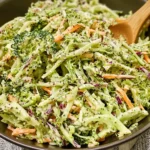
Ingredients
- 1 cup Mayonnaise: The creamy foundation of our dressing, mayonnaise provides richness and binds all the ingredients together. But not all mayonnaise is created equal, and the choice you make can subtly influence the final flavor profile of your slaw.
- Full-Fat Mayonnaise: For the ultimate creamy indulgence and classic slaw flavor, full-fat mayonnaise is the way to go. Its higher fat content contributes to a richer texture and a more decadent mouthfeel. Brands like Duke’s, Hellmann’s (Best Foods west of the Rockies), and Blue Plate are popular choices known for their balanced flavor.
- Light Mayonnaise: If you’re looking to lighten things up slightly without sacrificing too much creaminess, light mayonnaise is a viable option. It will still provide the necessary moisture and binding, but with fewer calories and fat. Be aware that some light mayonnaises can have a slightly tangier flavor or a thinner consistency, so taste and adjust seasonings accordingly.
- Avocado Oil Mayonnaise: For those seeking a healthier alternative or avoiding soybean oil, avocado oil mayonnaise is an excellent choice. It offers a similar creamy texture to traditional mayonnaise and often has a milder, slightly fruity flavor. Brands like Primal Kitchen and Chosen Foods are popular options.
- Homemade Mayonnaise (Advanced): For the adventurous cook, homemade mayonnaise is the pinnacle of flavor and freshness. While it requires a bit more effort, the result is a truly exceptional mayonnaise with a flavor that store-bought versions simply can’t match. Numerous recipes are available online, allowing you to customize the flavor with different oils, vinegars, and seasonings.
No matter which mayonnaise you choose, ensure it’s fresh and of good quality, as it plays a central role in the overall taste and texture of the slaw.
- 1 cup Chopped Toasted Pecans: Pecans bring a delightful crunch and nutty warmth that perfectly complements the creamy dressing and fresh vegetables. Toasted pecans are crucial here, as toasting enhances their flavor and crispness, preventing them from becoming soggy in the slaw.
- Why Toast Pecans? Toasting pecans unlocks their hidden depths of flavor. The heat draws out their natural oils, intensifying their nutty aroma and creating a more complex and satisfying taste. Toasting also crisps them up, providing a wonderful textural contrast to the creamy slaw.
- How to Toast Pecans:
- Oven Toasting: Preheat your oven to 350°F (175°C). Spread the chopped pecans in a single layer on a baking sheet. Bake for 5-7 minutes, or until fragrant and lightly golden brown, stirring halfway through to ensure even toasting. Watch them carefully as they can burn quickly.
- Stovetop Toasting: Heat a dry skillet over medium heat. Add the chopped pecans and cook, stirring frequently, for 3-5 minutes, or until fragrant and lightly browned. Again, watch them closely to prevent burning.
- Pecan Substitutions (If Needed): While pecans are ideal, you can substitute other nuts for a slightly different flavor profile:
- Walnuts: Offer a similar earthy flavor and crunch, but are slightly more assertive than pecans.
- Almonds: Provide a milder, slightly sweet nuttiness and a good crunch. Slivered or sliced almonds work well.
- Hazelnuts: Bring a rich, buttery, and slightly sweet flavor. Toast and remove the skins for best results.
- Sunflower Seeds (Nut-Free Option): For a nut-free alternative, toasted sunflower seeds offer a satisfying crunch and a mild, nutty flavor.
Chopping the pecans into bite-sized pieces ensures they distribute evenly throughout the slaw and provide a pleasant crunch in every bite.
- 1 cup Golden Raisins: Golden raisins add a burst of sweetness and chewiness that balances the savory elements of the slaw and provides a delightful counterpoint to the crisp vegetables.
- Golden vs. Regular Raisins: Golden raisins are treated differently during the drying process, resulting in a lighter color, a slightly sweeter flavor, and a more tender texture compared to regular raisins (which are typically darker and more intensely flavored). Golden raisins are preferred in this recipe for their brighter sweetness and softer texture.
- Raisin Variations:
- Regular Raisins (In a Pinch): If you only have regular raisins on hand, you can use them, but the flavor will be slightly different and less delicate.
- Dried Cranberries: For a tart-sweet alternative, dried cranberries can be substituted for golden raisins. They add a vibrant color and a tangy twist.
- Chopped Dried Apricots: Dried apricots offer a chewy texture and a unique fruity sweetness that can be a delightful alternative.
- Currants: Smaller and more tart than raisins, currants can add a different kind of sweetness and complexity.
Plumping the raisins (optional): If your raisins are particularly dry, you can plump them up by soaking them in warm water or apple cider vinegar for 10-15 minutes before adding them to the slaw. This will make them softer and juicier.
- ½ cup Chopped Scallions: Scallions, also known as green onions, bring a mild oniony flavor with a fresh, grassy note that adds depth and complexity to the dressing.
- White and Green Parts: Both the white and green parts of scallions are used in this recipe. The white part has a slightly stronger, more pungent onion flavor, while the green part is milder and more herbaceous. Using both parts provides a balanced onion flavor.
- Shallots (Substitution): If you don’t have scallions, finely minced shallots can be used as a substitute. Shallots have a milder, sweeter onion flavor compared to yellow or white onions.
- Chives (Garnish/Flavor Boost): While not a direct substitute for scallions in the dressing, chopped fresh chives can be sprinkled over the finished slaw for an extra burst of fresh, mild onion flavor and a vibrant green garnish.
Ensure you chop the scallions finely so they distribute evenly throughout the slaw and their flavor infuses the dressing.
- 2 Tbsp. Apple Cider Vinegar: Apple cider vinegar provides a zippy tanginess that cuts through the richness of the mayonnaise and brightens the overall flavor profile of the slaw. It adds a crucial acidic element that balances the sweetness and creaminess.
- Why Apple Cider Vinegar? Apple cider vinegar has a fruity, slightly sweet, and less harsh acidity compared to white vinegar. Its nuanced flavor complements the other ingredients in the slaw beautifully.
- Vinegar Substitutions (If Needed):
- White Wine Vinegar: Offers a mild, slightly fruity acidity similar to apple cider vinegar.
- Rice Vinegar: Provides a milder, slightly sweet, and less acidic flavor than apple cider vinegar.
- Lemon Juice (Already Included): While lemon juice is already in the recipe, you could slightly increase the lemon juice and reduce the vinegar if you prefer a more pronounced citrus tang.
- Distilled White Vinegar (Last Resort): Distilled white vinegar is more pungent and acidic than apple cider vinegar. If using white vinegar, start with a smaller amount and taste as you go, adjusting to your preference.
Use good quality apple cider vinegar for the best flavor. Raw, unfiltered apple cider vinegar with “the mother” (a cloudy sediment at the bottom) is often considered to have a richer flavor and potential health benefits, but any apple cider vinegar will work.
- 2 Tbsp. Grated Lemon Zest (from 3 lemons): Lemon zest is the finely grated outer rind of a lemon. It adds a concentrated burst of bright, citrusy aroma and flavor without the acidity of lemon juice. It’s essential for adding a fresh, invigorating element to the slaw.
- Zesting Technique: Use a microplane or a fine grater to zest the lemons. Grate only the yellow part of the rind, avoiding the white pith underneath, which is bitter. Rotate the lemon as you zest to avoid grating the same area repeatedly and reaching the pith.
- Lemon Zest vs. Lemon Juice: Lemon zest provides the aromatic oils and bright citrus flavor, while lemon juice contributes acidity and liquid. Both are important in this recipe, working together to create a balanced citrus profile.
- Lime Zest (Substitution): Lime zest can be used as a substitute for lemon zest if desired, offering a slightly different, more tart citrus flavor.
Freshly grated lemon zest is always preferred for the most vibrant flavor. Avoid using dried lemon zest, which lacks the same intensity and freshness.
- 2 Tbsp. Fresh Lemon Juice (from 3 lemons): Fresh lemon juice provides the essential acidity that brightens the slaw, balances the richness of the mayonnaise, and complements the lemon zest.
- Freshly Squeezed is Best: Always use freshly squeezed lemon juice for the best flavor. Bottled lemon juice can have a slightly metallic or artificial taste.
- Lemon Juicing Tips: Roll the lemons firmly on the countertop before juicing to help release more juice. Cut the lemons in half and use a citrus juicer or reamer to extract the juice. Remove any seeds.
- Lime Juice (Substitution): Lime juice can be substituted for lemon juice if you prefer a slightly different citrus tang.
Using fresh lemon juice is crucial for the bright, zesty flavor of this slaw.
- 1 tsp. Kosher Salt: Salt is a fundamental seasoning that enhances all the other flavors in the slaw. Kosher salt is preferred by many cooks for its clean taste and ease of use.
- Salt to Taste: The amount of salt may need to be adjusted depending on your personal preference and the saltiness of your mayonnaise. Start with the recommended amount and add more to taste as needed.
- Table Salt vs. Kosher Salt: Kosher salt has larger crystals than table salt, which makes it easier to pinch and measure. If using table salt, you may need to use slightly less, as it is denser than kosher salt.
- Sea Salt (Alternative): Sea salt can also be used as a substitute for kosher salt, offering a slightly different mineral flavor.
Salt is essential for bringing out the best flavors in all the ingredients and creating a well-balanced slaw.
- ½ tsp. Black Pepper: Black pepper adds a subtle warmth and a touch of spice that complements the other flavors in the slaw. Freshly ground black pepper is always preferred for the most robust flavor.
- Freshly Ground Pepper: Using a pepper grinder to freshly grind black peppercorns releases the most aromatic and flavorful pepper.
- White Pepper (Substitution): White pepper can be used as a substitute for black pepper, offering a milder, earthier flavor.
- Pepper to Taste: Adjust the amount of black pepper to your preference. Some may prefer a more peppery slaw, while others may prefer a milder flavor.
Freshly ground black pepper adds a subtle depth and complexity to the slaw’s flavor profile.
- 2 (12-oz.) pkg. Broccoli Slaw Mix: The star of the show! Store-bought broccoli slaw mix is a convenient and readily available base for this recipe. It typically contains shredded broccoli stalks, carrots, and red cabbage, providing a vibrant mix of colors, textures, and flavors.
- What is Broccoli Slaw Mix? Broccoli slaw mix is a pre-shredded blend of vegetables designed to be a quick and easy base for slaws and salads. It saves significant preparation time by eliminating the need to shred broccoli stalks, carrots, and cabbage separately.
- Homemade Broccoli Slaw Mix (Alternative): As the recipe mentions, you can easily make your own broccoli slaw mix if you prefer, or if you want to use up broccoli stalks that might otherwise be discarded. Shred broccoli stalks (using a food processor with a shredding attachment or a box grater), carrots, and red or green cabbage. Aim for a ratio of approximately 5 cups of broccoli to 2 cups of other vegetables for a similar balance to store-bought mixes.
- Cabbage Slaw Mix (Alternative): If you can’t find broccoli slaw mix, or prefer a more traditional coleslaw base, you can use a cabbage slaw mix (typically containing shredded green and red cabbage and carrots). The flavor will be slightly different, but still delicious.
Using store-bought broccoli slaw mix makes this recipe incredibly quick and easy to prepare, perfect for busy weeknights or last-minute gatherings.
Instructions
Step 1: Make the Dressing
This recipe starts by creating the flavorful and creamy dressing that will coat the broccoli slaw mix. This is a simple “stir-together” process, but each element contributes to the final taste:
- Gather your ingredients: Have all your dressing ingredients measured and ready to go: 1 cup mayonnaise, 1 cup chopped toasted pecans, 1 cup golden raisins, ½ cup chopped scallions, 2 Tbsp. apple cider vinegar, 2 Tbsp. grated lemon zest, 2 Tbsp. fresh lemon juice, 1 tsp. kosher salt, and ½ tsp. black pepper. Using pre-measured ingredients streamlines the process and ensures accuracy.
- Choose a large bowl: Select a large mixing bowl – it should be big enough to comfortably hold all the dressing ingredients plus the broccoli slaw mix later on. A stainless steel or glass bowl works well.
- Combine wet ingredients: Start by adding the mayonnaise, apple cider vinegar, and fresh lemon juice to the bowl. These are the liquid components that will form the base of the dressing.
- Add flavor enhancers: Next, incorporate the grated lemon zest, chopped scallions, kosher salt, and black pepper. These ingredients bring layers of flavor – citrusy brightness, oniony depth, and savory seasoning.
- Incorporate the textural elements: Now, add the toasted pecans and golden raisins. These provide crucial textural contrast – the crunch of the pecans and the chewiness of the raisins – as well as adding nutty and sweet notes to the dressing.
- Stir until combined: Use a whisk or a sturdy spoon to thoroughly stir all the dressing ingredients together until they are evenly combined. The dressing should be creamy and well-emulsified, with all the ingredients distributed throughout. Taste the dressing at this stage. This is your opportunity to adjust the seasoning. Does it need a little more salt? A touch more lemon juice for extra tang? Make small adjustments and taste again until you are happy with the flavor balance. Remember, the flavor will mellow slightly after chilling and combining with the slaw mix.
Step 2: Add the Slaw Mix and Toss
Once your dressing is ready, the next step is to combine it with the broccoli slaw mix:
- Open the broccoli slaw mix packages: Open both 12-oz. packages of broccoli slaw mix. You’ll notice the mix is a colorful blend of shredded broccoli stalks, carrots, and red cabbage.
- Add slaw mix to the bowl: Pour the entire contents of both packages of broccoli slaw mix into the large bowl with the prepared dressing. Distribute the slaw mix evenly over the dressing.
- Gently toss to coat: Using tongs or two large spoons, gently toss the broccoli slaw mix with the dressing until all the vegetables are thoroughly coated. Be gentle to avoid bruising or breaking down the slaw mix. You want to ensure every strand of shredded vegetable is glistening with the creamy dressing. Continue tossing until the dressing is evenly distributed and no dry slaw mix remains at the bottom of the bowl.
Step 3: Chill and Serve
Chilling is a crucial step for broccoli slaw, allowing the flavors to meld and the textures to develop:
- Cover the bowl: Cover the bowl tightly with plastic wrap or transfer the slaw to an airtight container. This prevents the slaw from drying out in the refrigerator and also helps to prevent any refrigerator odors from affecting the flavor.
- Refrigerate for 30 minutes: Place the covered bowl in the refrigerator and chill for at least 30 minutes. This chilling time allows the flavors of the dressing to fully penetrate the broccoli slaw mix, creating a more cohesive and flavorful slaw. It also helps the slaw to become slightly more tender while still retaining its pleasant crunch. While 30 minutes is the minimum chilling time, you can chill the slaw for longer – up to a few hours – if needed. In fact, the slaw often tastes even better after chilling for an hour or two, as the flavors continue to meld and deepen.
- Toss again before serving: Just before serving, remove the slaw from the refrigerator and give it another gentle toss. This redistributes the dressing, ensuring that any dressing that may have settled at the bottom is incorporated throughout the slaw again.
- Serve and enjoy! Your Creamy Broccoli Slaw is now ready to be served. Transfer it to a serving bowl and enjoy as a side dish, sandwich topper, or salad base. For the best texture, serve the slaw chilled. If you made a large batch and are not serving all of it immediately, store the remaining slaw in an airtight container in the refrigerator for up to 2-3 days. Keep in mind that the pecans may soften slightly over time, and a bit of liquid may accumulate at the bottom of the container. Tossing the slaw again before serving leftovers will help to redistribute any liquid.
Nutrition
- Serving Size: One Normal Portion
- Calories: 350-400
- Fat: 30-35 grams
- Carbohydrates: 20-25 grams
- Protein: 5-7 grams