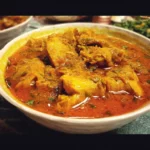
Ingredients
For the Chicken Marinade:
- Chicken: 2.2 lbs (1 kg) bone-in, skinless chicken pieces (a mix of thighs and drumsticks is ideal), cut into medium-sized pieces
- Yogurt: ½ cup plain, full-fat yogurt (Greek or regular)
- Turmeric Powder: 1 teaspoon
- Red Chili Powder: 1 teaspoon (adjust to your heat preference, Kashmiri chili powder gives great color with less heat)
- Salt: 1 teaspoon
- Lemon Juice: 1 tablespoon, freshly squeezed
For the Whole Spices (Tadka):
- Oil: 4 tablespoons neutral oil (like canola, vegetable, or sunflower) or ghee for a richer flavor
- Cumin Seeds: 1 teaspoon
- Cinnamon Stick: 1-inch piece
- Green Cardamom Pods: 3-4 pods, lightly crushed
- Cloves: 4-5
- Black Peppercorns: 5-6
- Bay Leaf: 1 large
For the Curry Base (Masala):
- Onions: 2 large (about 3 cups), finely chopped or pureed
- Ginger-Garlic Paste: 2 tablespoons (ideally freshly made by blending equal parts ginger and garlic)
- Tomatoes: 3 medium (about 2 cups), pureed, or 1 (14.5 oz) can of crushed tomatoes
- Green Chilies: 2-3, slit lengthwise (optional, for extra heat and flavor)
- Coriander Powder: 2 tablespoons
- Cumin Powder: 1 tablespoon
- Red Chili Powder: 1-2 teaspoons (adjust to taste)
- Turmeric Powder: ½ teaspoon
- Garam Masala Powder: 1½ teaspoons (to be added at the end)
- Hot Water: 1 to 1½ cups, as needed for gravy consistency
- Salt: To taste (remember you’ve already added some to the marinade)
- Fresh Cilantro (Coriander Leaves): ½ cup, finely chopped, for garnish
- Kasuri Methi (Dried Fenugreek Leaves): 1 tablespoon (optional, but highly recommended for an authentic aroma)
Instructions
In a large mixing bowl, combine the chicken pieces with all the ingredients listed under “For the Chicken Marinade”: yogurt, 1 teaspoon of turmeric powder, 1 teaspoon of red chili powder, 1 teaspoon of salt, and fresh lemon juice. Use your hands to thoroughly coat each piece of chicken with the marinade. Cover the bowl and let it rest for at least 30 minutes at room temperature, or for best results, refrigerate for 2 to 4 hours. This step is crucial as the yogurt and lemon juice tenderize the meat, while the spices begin to infuse it with flavor.
Place a heavy-bottomed pot or Dutch oven over medium-high heat. Add the oil or ghee. Once the oil is hot (you’ll see it shimmer slightly), add all the whole spices: cumin seeds, cinnamon stick, green cardamom pods, cloves, black peppercorns, and the bay leaf. Let them sizzle for about 30-45 seconds until they become fragrant. This process, called “tadka” or “tempering,” blooms the spices and infuses the oil with their essential flavors. Be careful not to burn them.
Add the finely chopped or pureed onions to the pot. Sauté them on medium heat, stirring frequently. This is the most important and time-consuming step for building the curry’s flavor foundation. You need to cook the onions until they are deeply golden brown and have significantly reduced in volume. This can take anywhere from 12 to 18 minutes. Do not rush this process. Properly caramelized onions provide a subtle sweetness and deep, savory base that cannot be replicated. If they start to stick, add a splash of water and scrape the bottom of the pan.
Once the onions are perfectly browned, add the ginger-garlic paste and the slit green chilies (if using). Sauté for another 1-2 minutes until the raw smell of the ginger and garlic disappears. The kitchen will fill with an incredible aroma at this stage. Now, add the pureed tomatoes.
Stir the tomato puree into the onion mixture. Add all the powdered spices for the curry base: coriander powder, cumin powder, red chili powder, and ½ teaspoon of turmeric powder. Also, add salt to taste, starting with about ½ teaspoon. Mix everything thoroughly. Cook this masala mixture, stirring occasionally, for about 10-15 minutes. The goal is to cook until the paste darkens in color, thickens considerably, and you see the oil separating from the edges of the masala. This separation is the visual cue that your masala is perfectly cooked.
Add the marinated chicken pieces to the pot. Turn the heat up to high and sauté the chicken for 5-7 minutes, stirring gently to coat it completely with the masala. You want to sear the chicken on all sides. This locks in the juices and incorporates the flavors from the marinade into the curry base.
Once the chicken has a light brown sear, reduce the heat to medium-low. Add 1 to 1½ cups of hot water. The amount of water determines the thickness of your gravy; start with 1 cup for a thicker curry and add more if you prefer a thinner consistency. Stir everything well, scraping any bits from the bottom of the pot. Bring the curry to a gentle boil.
Cover the pot with a tight-fitting lid and let the curry simmer on low heat for 20-25 minutes, or until the chicken is cooked through and tender. The meat should easily pull away from the bone. The gravy will have thickened, and a layer of flavorful oil may float to the top, which is a sign of a well-cooked curry.
Turn off the heat. Now, stir in the 1½ teaspoons of garam masala powder. This is added at the end to preserve its fragrant aroma. If you are using Kasuri Methi (dried fenugreek leaves), crush them between your palms to release their flavor and sprinkle them into the curry. Stir gently. Finally, garnish generously with freshly chopped cilantro. Let the curry rest for at least 10 minutes before serving to allow the flavors to meld together perfectly.
Nutrition
- Serving Size: One Normal Portion
- Calories: 350-450