

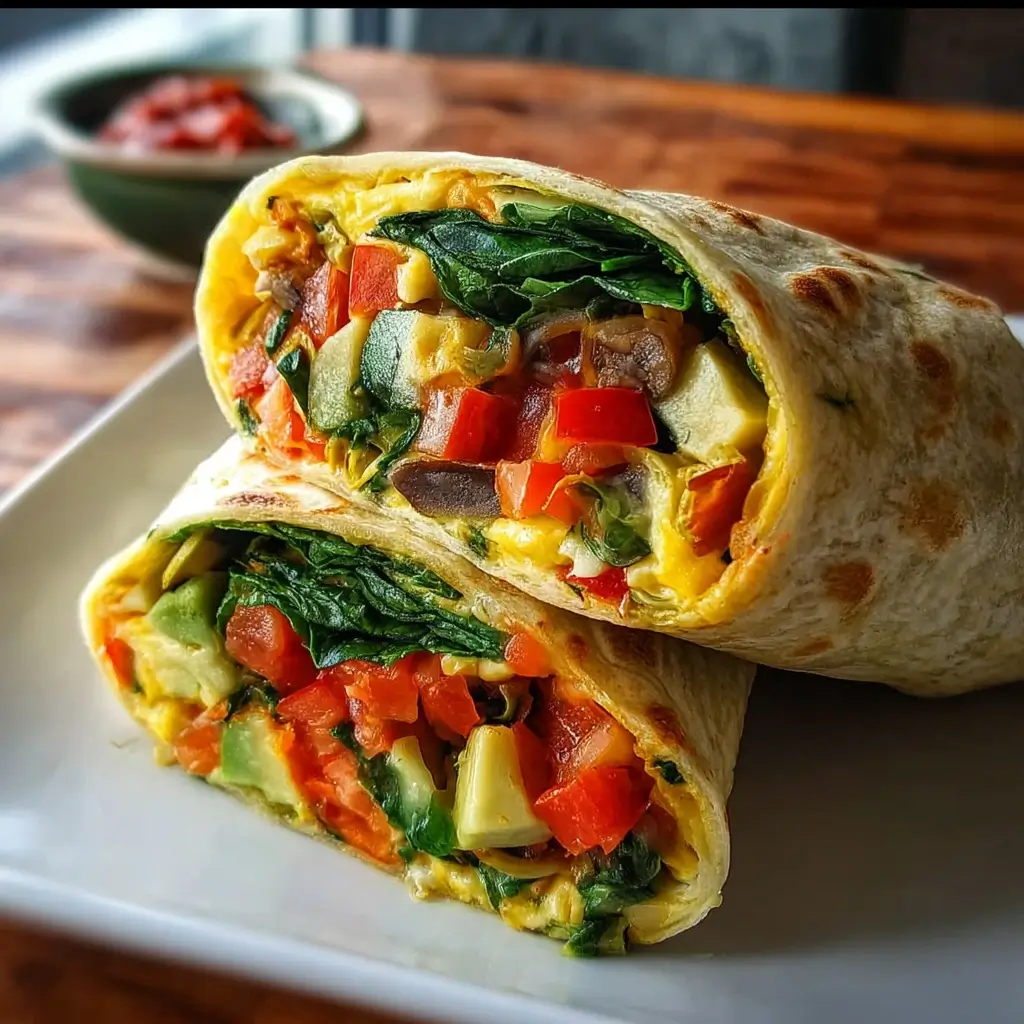

Of all the breakfast battles I’ve fought in my kitchen, the quest for a meal that is simultaneously fast, healthy, and genuinely loved by everyone in my family has been the most challenging. Mornings are a whirlwind of finding school shoes, packing lunches, and chugging coffee. For years, my go-to was toast or cereal, which left us all feeling hungry an hour later. I needed a hero, a culinary champion that could swoop in and save our mornings. That hero, I discovered, came in the form of the humble yet magnificent Veggie Omelette Wrap. The first time I made it, I was skeptical. Would the kids eat something packed with spinach and peppers? The answer was a resounding yes. The magic lies in its disguise; wrapped in a warm, soft tortilla, the vibrant, cheesy omelette becomes an irresistible, handheld package of goodness. It’s the perfect fusion of a classic, fluffy omelette and the convenient, portable nature of a burrito. This recipe has become our weekday morning staple, our weekend brunch special, and even a go-to for a quick “breakfast-for-dinner” night. It’s endlessly customizable, packed with protein and nutrients, and, most importantly, it brings a moment of delicious peace to our otherwise chaotic mornings.
The Ultimate Veggie Omelette Wrap Recipe
This recipe is designed for maximum flavor and nutrition with minimal fuss. It’s a blueprint for perfection, but feel free to experiment with your favorite vegetables and cheeses. The quantities below yield two generous and filling wraps.
Ingredients:
For the Omelette Base:
- 4 Large Eggs: The cornerstone of our wrap. Large eggs provide the perfect volume to create a substantial omelette that’s big enough to fill the tortilla without being too thin or too thick. For a richer flavor, use farm-fresh, free-range eggs if available.
- 2 Tablespoons Milk or Cream: This is the secret to a tender, fluffy omelette. The fat and water content in milk create steam as the eggs cook, lifting them and preventing a rubbery texture. You can use whole milk, 2%, or even a splash of heavy cream for an extra-decadent result. For a dairy-free option, unsweetened almond or soy milk works well.
- Salt, to taste (approx. ¼ teaspoon): Salt does more than just add flavor; it actually helps in creating a more tender egg structure by breaking down some of the proteins.
- Freshly Ground Black Pepper, to taste (approx. ⅛ teaspoon): Freshly ground pepper provides a pungent, woody spice that beautifully contrasts the richness of the eggs and cheese.
For the Vegetable Filling:
- 1 Tablespoon Olive Oil or Butter: For sautéing the vegetables. Olive oil adds a fruity, peppery note, while butter lends a rich, nutty flavor that complements the eggs perfectly.
- ¼ Cup Diced Red Onion: Red onion provides a sweet yet sharp flavor that mellows beautifully when cooked. Its vibrant color also adds a wonderful visual appeal to the filling.
- ½ Cup Diced Bell Pepper: We recommend using a mix of colors like red and yellow for sweetness and visual variety. Bell peppers provide a satisfying crunch and a healthy dose of Vitamin C.
- 1 Cup Fresh Spinach, loosely packed: Spinach wilts down significantly, so don’t be afraid to use a generous handful. It adds essential nutrients like iron and vitamins without overpowering the other flavors.
- ½ Cup Sliced Mushrooms (Cremini or White Button): Mushrooms add a wonderful umami depth and a meaty texture, making the wrap even more satisfying.
For Assembly:
- 2 Large Flour Tortillas (10-inch “burrito size”): The vessel for our delicious filling. A large, soft tortilla is crucial for being able to wrap everything up without tearing.
- ¾ Cup Shredded Cheese: A sharp cheddar, Monterey Jack, or a Mexican blend works fantastically here. The cheese is the glue that brings everything together, adding a savory, salty, and creamy element.
Step-by-Step Instructions for the Perfect Wrap
Follow these detailed steps to ensure a flawless, restaurant-quality omelette wrap every time. The key is to work efficiently and have your ingredients prepped and ready to go.
Step 1: Prepare Your Vegetables (Mise en Place)
Before you even think about turning on the stove, get all your chopping done. Finely dice the red onion and bell peppers. Slice the mushrooms. Having everything prepped and within arm’s reach is a professional kitchen technique called “mise en place,” and it’s the secret to a stress-free cooking experience.
Step 2: Sauté the Vegetables
Place a 10-inch non-stick skillet over medium heat. Add the tablespoon of olive oil or butter. Once the oil shimmers or the butter has melted and is foaming, add the diced onion and bell peppers. Sauté for 3-4 minutes, stirring occasionally, until they begin to soften. Next, add the sliced mushrooms and continue to cook for another 3-4 minutes, until they have released their moisture and started to brown. Finally, add the entire cup of fresh spinach. It will look like a huge amount, but it will wilt down in about 60 seconds. Stir until the spinach is fully wilted. Season the vegetable mixture with a small pinch of salt and pepper. Transfer the cooked vegetables to a separate bowl and set aside.
Step 3: Whisk the Eggs
In a medium-sized mixing bowl, crack the four large eggs. Add the two tablespoons of milk or cream, along with the salt and pepper. Whisk vigorously with a fork or a whisk for about 30-60 seconds. You’re looking for a uniform, pale yellow color with a slightly frothy texture. This incorporates air into the eggs, which is essential for a light and fluffy result.
Step 4: Cook the Omelette
Wipe the same skillet clean with a paper towel and return it to medium-low heat. It’s important to lower the heat for cooking the eggs to prevent them from becoming tough or browning too quickly. Add a small pat of butter or a light spray of cooking oil if your pan isn’t perfectly non-stick. Pour half of the whisked egg mixture into the pan. As the edges begin to set (after about 30 seconds), use a silicone spatula to gently push the cooked edges toward the center, tilting the pan to allow the uncooked egg to flow underneath. Continue this process until the omelette is mostly set but still slightly moist on top. This should take about 2-3 minutes.
Step 5: Add Fillings and Fold
Sprinkle half of your shredded cheese over the surface of the setting omelette. Then, arrange half of the cooked vegetable mixture on one side of the omelette. Allow it to cook for another 30 seconds to melt the cheese. Using your spatula, carefully fold the empty half of the omelette over the filled half. Press down gently and cook for another 30 seconds to seal.
Step 6: Assemble the Wrap
While the omelette is finishing, warm one of the tortillas. You can do this by placing it in the microwave for 15-20 seconds or by heating it for a few seconds per side in a separate dry pan. A warm tortilla is more pliable and less likely to crack. Carefully slide the folded omelette from the skillet onto the center of the warm tortilla.
Step 7: Fold the Wrap
Tightly fold the bottom edge of the tortilla up over the omelette. Then, fold in the two sides. Finally, roll the wrap up tightly from the bottom. The initial bottom fold is key to ensuring none of your delicious filling escapes.
Step 8: Repeat and Serve
Repeat steps 4 through 7 with the remaining egg mixture, vegetables, cheese, and the second tortilla. Slice the wraps in half on a diagonal for a beautiful presentation and serve immediately while they are warm and the cheese is gooey.
Nutrition Facts
- Servings: 2 wraps
- Calories per serving: Approximately 580 kcal
Disclaimer: The nutritional information is an estimate and can vary based on the specific ingredients used (e.g., type of cheese, size of eggs, type of tortilla).
This wrap provides a well-balanced macronutrient profile. It’s high in protein from the eggs and cheese, which promotes satiety and muscle maintenance. The vegetables deliver essential vitamins, minerals, and fiber, aiding in digestion and overall health. The tortilla provides carbohydrates for sustained energy to power you through your morning.
Preparation Time
- Prep Time: 10 minutes (for chopping vegetables)
- Cook Time: 15 minutes
- Total Time: 25 minutes
This 25-minute timeline makes it a feasible option for a hearty weekday breakfast or a very quick and satisfying lunch or dinner. To save even more time, you can chop your vegetables the night before.
How to Serve Your Veggie Omelette Wrap
While this wrap is a complete meal on its own, pairing it with the right accompaniments can elevate it from a simple breakfast to a full-blown brunch experience.
- Sauces and Drizzles: The right sauce adds moisture and an extra layer of flavor.
- Salsa or Pico de Gallo: The fresh, acidic kick of tomato-based salsa cuts through the richness of the egg and cheese beautifully.
- Avocado Crema or Guacamole: For a creamy, cool contrast, mash an avocado with lime juice, salt, and a little cilantro.
- Hot Sauce: For those who like a spicy start to their day, a few dashes of Sriracha, Cholula, or your favorite hot sauce is a must.
- Sour Cream or Greek Yogurt: A dollop on the side or inside the wrap adds a tangy creaminess. Greek yogurt also boosts the protein content.
- Perfect Side Dishes:
- Fresh Fruit Salad: A simple bowl of mixed berries, melon, and citrus provides a light, refreshing, and sweet counterpoint to the savory wrap.
- Breakfast Potatoes: Crispy, seasoned home fries or hash browns make this a classic, diner-style feast.
- Simple Green Salad: If serving for lunch or dinner, a side salad with a light vinaigrette dressing completes the meal perfectly.
- Black Beans: A small side of seasoned black beans can be served alongside or even added inside the wrap for extra fiber and protein.
- Presentation Tips:
- The Diagonal Cut: Always slice your wrap in half on a bias (diagonally). This reveals the colorful layers of egg, cheese, and vegetables inside, making it look instantly more appealing.
- Wrap in Parchment: For a cafe-style presentation or for easy on-the-go eating, wrap the bottom half of the wrap in parchment paper or aluminum foil.
- Garnish: A sprinkle of fresh chopped cilantro or chives over the top of the plated wrap adds a final touch of freshness and color.
5 Additional Tips for Omelette Wrap Perfection
- Meal Prep Like a Pro: You can make your mornings even faster by prepping the components ahead of time. Chop all your vegetables and store them in an airtight container in the fridge for up to 3 days. You can even pre-cook the entire vegetable mixture and store it. In the morning, all you have to do is whisk the eggs, cook the omelette, and assemble.
- The Secret to a Non-Soggy Wrap: The enemy of any good wrap is sogginess. To combat this, ensure your sautéed vegetables are not overly wet. If they release a lot of liquid, drain it off before adding them to the omelette. Also, assemble and eat the wrap immediately. If you need to pack it for later, let the omelette cool for a few minutes before wrapping it in the tortilla to reduce steam condensation.
- Go Gluten-Free or Low-Carb: This recipe is easily adaptable. For a gluten-free version, simply use your favorite gluten-free tortillas. For a low-carb or keto-friendly option, ditch the tortilla altogether and use large lettuce leaves (like iceberg or butter lettuce) to create a wrap, or simply enjoy the filled omelette as is. You can also find many low-carb tortillas on the market now.
- Boost the Protein and Fiber: To make this wrap even more of a powerhouse, consider adding a ½ cup of rinsed black beans or chickpeas to your vegetable mix. For a non-vegetarian boost, add cooked, crumbled sausage or diced ham. You can also increase the egg-to-veggie ratio by using three eggs per omelette instead of two.
- Master the Art of Cheese: Don’t be afraid to experiment with cheese! While cheddar is a classic, other varieties can completely change the character of your wrap.
- Feta Cheese: Crumbled feta adds a briny, salty punch that pairs wonderfully with spinach and bell peppers.
- Goat Cheese: Creamy and tangy, goat cheese melts into a luscious sauce-like consistency.
- Pepper Jack: For a built-in kick of spice, Pepper Jack is an excellent choice.
- Provolone or Swiss: These offer a milder, nuttier flavor and a superior “cheese pull.”
Frequently Asked Questions (FAQ)
Q1: Can I make these omelette wraps ahead of time and freeze them?
A: Yes, you can! For the best results, assemble the wraps completely and let them cool to room temperature. Wrap each one individually and tightly in plastic wrap, and then in a layer of aluminum foil or place them in a freezer-safe bag. They can be frozen for up to 2 months. To reheat, remove the plastic wrap and wrap the frozen wrap in a damp paper towel. Microwave for 2-3 minutes, flipping halfway through, or until heated through. You can also reheat it in an oven or air fryer at 350°F (175°C) for 10-15 minutes for a crispier tortilla.
Q2: My omelette always falls apart or sticks to the pan. What am I doing wrong?
A: This is a common issue with three likely culprits. First, ensure you are using a good-quality non-stick skillet. Even the best pans can lose their coating, so if everything sticks, it might be time for a new one. Second, control your heat. High heat is the enemy of tender eggs; it cooks them too fast, making them rubbery and prone to breaking. Cook on medium-low. Third, be patient. Don’t try to flip or fold the omelette until the eggs are mostly set. A flexible silicone spatula is your best tool for getting underneath the omelette without tearing it.
Q3: What other vegetables work well in this wrap?
A: The beauty of this recipe is its versatility. Feel free to “clean out the fridge” with other vegetables. Some excellent additions or substitutions include:
- Zucchini or yellow squash, diced
- Broccoli florets, finely chopped and lightly steamed
- Asparagus tips, chopped
- Kalamata olives, sliced
- Sun-dried tomatoes, chopped
- Jalapeños, finely diced for extra heat
- Kale, finely chopped (it’s heartier than spinach, so sauté it for a bit longer)
Q4: How do I prevent my wrap from becoming watery?
A: Watery wraps are usually caused by vegetables that retain a lot of moisture, like mushrooms or zucchini. The key is to cook them long enough to evaporate that excess water. Sauté them until they are lightly browned. If you’re using frozen spinach, you must thaw it completely and squeeze out as much water as physically possible before adding it to the pan. Finally, as mentioned in the tips, drain any pooled liquid from your cooked vegetable mix before adding it to the omelette.
Q5: Can I make this recipe dairy-free?
A: Absolutely. To make this veggie omelette wrap dairy-free, make two simple swaps. First, replace the milk or cream in the egg mixture with a splash of unsweetened almond milk, soy milk, or even just water. Second, use your favorite brand of dairy-free shredded cheese. There are many great-tasting vegan cheese alternatives available now made from nuts, soy, or coconut oil that melt surprisingly well. Finally, ensure you use olive oil instead of butter for sautéing the vegetables.
Print
Veggie Omelette Wrap Recipe
Ingredients
For the Omelette Base:
- 4 Large Eggs: The cornerstone of our wrap. Large eggs provide the perfect volume to create a substantial omelette that’s big enough to fill the tortilla without being too thin or too thick. For a richer flavor, use farm-fresh, free-range eggs if available.
- 2 Tablespoons Milk or Cream: This is the secret to a tender, fluffy omelette. The fat and water content in milk create steam as the eggs cook, lifting them and preventing a rubbery texture. You can use whole milk, 2%, or even a splash of heavy cream for an extra-decadent result. For a dairy-free option, unsweetened almond or soy milk works well.
- Salt, to taste (approx. ¼ teaspoon): Salt does more than just add flavor; it actually helps in creating a more tender egg structure by breaking down some of the proteins.
- Freshly Ground Black Pepper, to taste (approx. ⅛ teaspoon): Freshly ground pepper provides a pungent, woody spice that beautifully contrasts the richness of the eggs and cheese.
For the Vegetable Filling:
- 1 Tablespoon Olive Oil or Butter: For sautéing the vegetables. Olive oil adds a fruity, peppery note, while butter lends a rich, nutty flavor that complements the eggs perfectly.
- ¼ Cup Diced Red Onion: Red onion provides a sweet yet sharp flavor that mellows beautifully when cooked. Its vibrant color also adds a wonderful visual appeal to the filling.
- ½ Cup Diced Bell Pepper: We recommend using a mix of colors like red and yellow for sweetness and visual variety. Bell peppers provide a satisfying crunch and a healthy dose of Vitamin C.
- 1 Cup Fresh Spinach, loosely packed: Spinach wilts down significantly, so don’t be afraid to use a generous handful. It adds essential nutrients like iron and vitamins without overpowering the other flavors.
- ½ Cup Sliced Mushrooms (Cremini or White Button): Mushrooms add a wonderful umami depth and a meaty texture, making the wrap even more satisfying.
For Assembly:
- 2 Large Flour Tortillas (10-inch “burrito size”): The vessel for our delicious filling. A large, soft tortilla is crucial for being able to wrap everything up without tearing.
- ¾ Cup Shredded Cheese: A sharp cheddar, Monterey Jack, or a Mexican blend works fantastically here. The cheese is the glue that brings everything together, adding a savory, salty, and creamy element.
Instructions
Step 1: Prepare Your Vegetables (Mise en Place)
Before you even think about turning on the stove, get all your chopping done. Finely dice the red onion and bell peppers. Slice the mushrooms. Having everything prepped and within arm’s reach is a professional kitchen technique called “mise en place,” and it’s the secret to a stress-free cooking experience.
Step 2: Sauté the Vegetables
Place a 10-inch non-stick skillet over medium heat. Add the tablespoon of olive oil or butter. Once the oil shimmers or the butter has melted and is foaming, add the diced onion and bell peppers. Sauté for 3-4 minutes, stirring occasionally, until they begin to soften. Next, add the sliced mushrooms and continue to cook for another 3-4 minutes, until they have released their moisture and started to brown. Finally, add the entire cup of fresh spinach. It will look like a huge amount, but it will wilt down in about 60 seconds. Stir until the spinach is fully wilted. Season the vegetable mixture with a small pinch of salt and pepper. Transfer the cooked vegetables to a separate bowl and set aside.
Step 3: Whisk the Eggs
In a medium-sized mixing bowl, crack the four large eggs. Add the two tablespoons of milk or cream, along with the salt and pepper. Whisk vigorously with a fork or a whisk for about 30-60 seconds. You’re looking for a uniform, pale yellow color with a slightly frothy texture. This incorporates air into the eggs, which is essential for a light and fluffy result.
Step 4: Cook the Omelette
Wipe the same skillet clean with a paper towel and return it to medium-low heat. It’s important to lower the heat for cooking the eggs to prevent them from becoming tough or browning too quickly. Add a small pat of butter or a light spray of cooking oil if your pan isn’t perfectly non-stick. Pour half of the whisked egg mixture into the pan. As the edges begin to set (after about 30 seconds), use a silicone spatula to gently push the cooked edges toward the center, tilting the pan to allow the uncooked egg to flow underneath. Continue this process until the omelette is mostly set but still slightly moist on top. This should take about 2-3 minutes.
Step 5: Add Fillings and Fold
Sprinkle half of your shredded cheese over the surface of the setting omelette. Then, arrange half of the cooked vegetable mixture on one side of the omelette. Allow it to cook for another 30 seconds to melt the cheese. Using your spatula, carefully fold the empty half of the omelette over the filled half. Press down gently and cook for another 30 seconds to seal.
Step 6: Assemble the Wrap
While the omelette is finishing, warm one of the tortillas. You can do this by placing it in the microwave for 15-20 seconds or by heating it for a few seconds per side in a separate dry pan. A warm tortilla is more pliable and less likely to crack. Carefully slide the folded omelette from the skillet onto the center of the warm tortilla.
Step 7: Fold the Wrap
Tightly fold the bottom edge of the tortilla up over the omelette. Then, fold in the two sides. Finally, roll the wrap up tightly from the bottom. The initial bottom fold is key to ensuring none of your delicious filling escapes.
Step 8: Repeat and Serve
Repeat steps 4 through 7 with the remaining egg mixture, vegetables, cheese, and the second tortilla. Slice the wraps in half on a diagonal for a beautiful presentation and serve immediately while they are warm and the cheese is gooey.
Nutrition
- Serving Size: One Normal Portion
- Calories: 580