

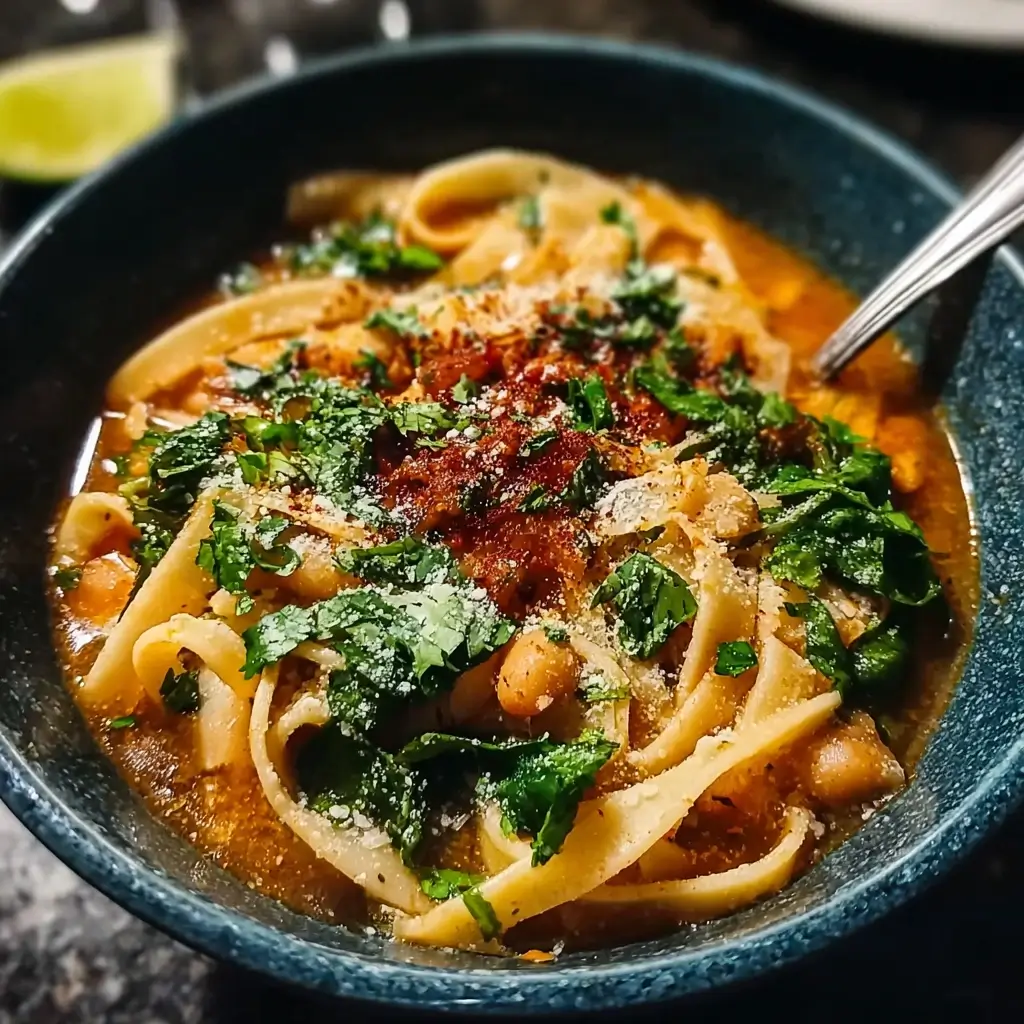

Of all the dishes that have the power to transport you, to wrap you in a blanket of warmth and flavor, pozole is at the top of my list. For years, I associated it purely with the rich, pork-laden versions I’d try at local taquerias. But a desire to create a show-stopping, plant-based centerpiece for our family gatherings led me down a delicious path of discovery. The result is this Vegetarian Pozole Rojo, a recipe that has become legendary in our home. The first time I made it, the aroma of toasting chiles and simmering spices filled the house, drawing everyone to the kitchen. My husband, a skeptic of “vegetarian versions,” was the first to ask for a second bowl. My kids, who normally pick at stews, were completely engrossed in building their own bowls with a mountain of toppings. This isn’t just a meatless soup; it’s a deeply satisfying, complex, and hearty stew that stands proudly on its own. The earthy mushrooms provide a wonderful savory depth, while the creamy pinto beans and chewy hominy make it incredibly filling. It’s the kind of meal that tastes even better the next day, a testament to the magic that happens when simple, powerful ingredients are given time to meld. This recipe is more than just food; it’s an experience, a celebration in a bowl, and I’m so excited to share it with you.
The Ultimate Hearty Vegetarian Pozole Rojo
Pozole is a traditional Mexican stew with a history as rich as its flavor. Its defining ingredient is hominy—corn that has been treated in an alkaline solution in a process called nixtamalization. This process softens the kernels, puffs them up, and unlocks nutrients, making it both delicious and nourishing. While traditionally made with pork or chicken, this vegetarian version builds its profound flavor on a foundation of dried chiles, earthy mushrooms, and aromatic spices, proving that you don’t need meat to create a truly spectacular pozole.
This recipe focuses on Pozole Rojo, which gets its name and signature deep red color from a sauce made of rehydrated dried red chiles. It’s smoky, slightly spicy, and incredibly aromatic. We will guide you through every step, from toasting the chiles to creating the ultimate topping bar for serving.
Ingredients for the Perfect Bowl
This list is broken down into components to make the process clear and organized. The quality of your ingredients, especially the chiles and broth, will directly impact the final flavor.
For the Chile Sauce Base:
- Dried Guajillo Chiles: 6 (about 1.5 oz) – These provide a mild, sweet, and slightly smoky flavor with a beautiful red color.
- Dried Ancho Chiles: 3 (about 1 oz) – These are dried poblanos and add a rich, fruity, raisin-like sweetness and dark color.
- White Onion: ½, roughly chopped
- Garlic Cloves: 4 large, peeled
- Roma Tomatoes: 2, halved
- Mexican Oregano: 1 tablespoon, dried (this is key, it has a more floral, less minty flavor than Mediterranean oregano)
- Cumin Seeds: 1 teaspoon (or ½ teaspoon ground cumin)
For the Pozole Stew:
- Avocado or Olive Oil: 2 tablespoons
- White Onion: 1 large, finely chopped
- Garlic Cloves: 4 large, minced
- Mushrooms: 1 lb (16 oz) cremini or a mix of cremini and shiitake, sliced or quartered
- Vegetable Broth: 8 cups (64 oz), low-sodium and high-quality
- Canned Hominy: 2 cans (25-29 oz each), drained and rinsed thoroughly
- Canned Pinto or Black Beans: 1 can (15 oz), drained and rinsed (optional, for extra protein and heartiness)
- Bay Leaves: 2
- Salt: 1 ½ teaspoons, or to taste
- Black Pepper: ½ teaspoon, freshly ground
For the Toppings Bar (Garnishes):
- Shredded Green Cabbage or Iceberg Lettuce: Thinly sliced
- Radishes: Thinly sliced
- White Onion: Finely diced
- Fresh Cilantro: Roughly chopped
- Limes: Cut into wedges
- Avocado: Diced or sliced
- Tostadas or Tortilla Chips: For crumbling and dipping
- Mexican Crema or Vegan Sour Cream: For a creamy finish
- Crumbled Cotija Cheese or Vegan Feta: For a salty bite
Step-by-Step Instructions
Making pozole is a process of building layers of flavor. Don’t rush the steps, especially preparing the chile sauce, as this is where the magic happens.
Part 1: Prepare the Chile Sauce
- Toast the Chiles: Use scissors to snip the stems off the guajillo and ancho chiles. Cut a slit down the side of each and shake out the seeds and remove the veins. You don’t need to get every single seed out.
- Heat a dry skillet (cast iron is ideal) over medium heat. Place the destemmed, deseeded chiles on the hot surface in a single layer. Press them down with a spatula and toast for about 30-60 seconds per side. They will become fragrant and slightly change color. Be very careful not to burn them, or the sauce will be bitter.
- Rehydrate the Chiles: Place the toasted chiles in a medium bowl. In the same skillet, add the halved tomatoes (cut side down), the ½ rough-chopped onion, and the 4 whole garlic cloves. Cook for 5-7 minutes, turning occasionally, until they are softened and have some charred spots.
- Boil and Soak: Bring 4 cups of water to a boil. Pour the boiling water over the chiles in the bowl. Place the charred tomatoes, onion, and garlic in the bowl with the chiles. Use a small plate to keep everything submerged. Let them soak for 20-30 minutes, until the chiles are very soft and pliable.
- Blend the Sauce: Using tongs, transfer the soaked chiles, onion, tomatoes, and garlic to a high-speed blender. Add 1 ½ cups of the soaking liquid, the Mexican oregano, and the cumin seeds. Blend on high for 2-3 minutes until the sauce is completely smooth. If it’s too thick, add another splash of the soaking liquid.
- Strain the Sauce: For an authentic, silky-smooth pozole, strain the sauce. Place a fine-mesh sieve over a large bowl and pour the blended chile sauce through it. Use a spatula to press all the liquid through, leaving the pulp (seeds and skins) behind. Discard the pulp. This step is crucial for the perfect texture.
Part 2: Assemble the Pozole Stew
- Sauté the Aromatics: In a large pot or Dutch oven, heat the 2 tablespoons of oil over medium-high heat. Add the finely chopped large onion and cook until softened and translucent, about 5-7 minutes.
- Cook the Mushrooms: Add the sliced mushrooms to the pot. Cook, stirring occasionally, for 8-10 minutes. Allow them to release their liquid and then brown nicely. This browning develops a deep, savory, “meaty” flavor. Once browned, add the 4 minced garlic cloves and cook for another minute until fragrant.
- Combine and Simmer: Pour the strained red chile sauce into the pot with the mushrooms. Cook for 5 minutes, stirring constantly, allowing the sauce to cook down and deepen in color and flavor. This is called “frying the salsa” and it’s an important flavor-building step.
- Add Liquids and Hominy: Pour in the 8 cups of vegetable broth, the drained and rinsed hominy, the optional pinto beans, and the bay leaves. Stir everything together.
- Simmer for Flavor: Bring the stew to a boil, then reduce the heat to low. Cover and let it simmer for at least 45 minutes, but preferably 1 to 1.5 hours. The longer it simmers, the more the flavors will meld and deepen.
- Final Seasoning: After simmering, remove the bay leaves. Taste the pozole and season generously with salt and black pepper. The amount of salt needed will depend on the saltiness of your broth. It will likely need more salt than you think!
Nutrition Facts
- Servings: 8-10 generous servings
- Calories per serving (approximate): 280-320 kcal (this can vary based on toppings)
Please note that this is an estimate. The final nutritional value will depend on the specific ingredients you use, the amount of oil, and your choice of toppings.
Preparation Time
- Active Prep Time: 30 minutes (chopping, toasting chiles)
- Soaking Time: 30 minutes
- Cook Time: 1 hour 15 minutes
- Total Time: Approximately 2 hours 15 minutes
While it takes a bit of time, most of it is hands-off simmering. It’s a perfect weekend cooking project.
How to Serve Vegetarian Pozole
Serving pozole is an interactive and customizable experience. The key is to provide a vibrant “toppings bar” so each person can dress their bowl exactly how they like.
The Classic Serving Method:
- Ladle: Ladle the hot pozole into large, deep bowls, making sure to get a good ratio of broth, hominy, and mushrooms.
- Set Up the Bar: Arrange all your prepared garnishes in small, individual bowls on the table.
- Let Everyone Garnish: Each person customizes their own bowl. Here’s what each topping adds:
- For Freshness and Crunch:
- Shredded Cabbage/Lettuce: Adds a cool, crisp contrast to the warm stew.
- Sliced Radishes: Provides a sharp, peppery bite and beautiful color.
- Diced Onion: A pungent, sharp kick.
- For Herbaceous Brightness:
- Fresh Cilantro: A non-negotiable for its bright, classic Mexican flavor.
- A Big Squeeze of Lime Juice: This is essential! The acid cuts through the richness of the chile sauce and brightens all the flavors.
- For Creaminess and Richness:
- Diced Avocado: Adds a cool, creamy texture.
- Mexican Crema or Sour Cream: Tames the heat and adds a tangy richness.
- For Texture and Saltiness:
- Tostadas or Tortilla Chips: Crumble them over the top for a salty crunch or use them for dipping.
- Cotija Cheese: A salty, crumbly “finishing cheese” that adds a savory punch.
- For Freshness and Crunch:
Additional Tips for the Best Pozole
- Don’t Skip Toasting the Chiles: This step is fundamental. Toasting awakens the essential oils in the dried chiles, moving their flavor from flat and dusty to complex, smoky, and aromatic. A mere 30-60 seconds per side is all it takes to transform your final dish. Just watch them closely to prevent burning.
- The Strainer is Your Best Friend: While it seems like an extra, fussy step, straining the chile sauce after blending is the secret to a professional-quality pozole. It removes any tough bits of chile skin or stray seeds, resulting in a broth that is luxuriously smooth and silky, not gritty.
- Taste and Adjust Seasoning at the End: Because you are simmering the stew for a long time, the flavors concentrate and the broth reduces slightly. Wait until the end of the simmering time to do your final tasting for salt. The pozole will likely need a generous amount of salt to make the chile and spice flavors “pop.” Don’t be shy!
- Make it Ahead for Even Better Flavor: Like many stews, pozole is a fantastic make-ahead meal. The flavors continue to meld and deepen in the refrigerator overnight. Reheat it gently on the stovetop the next day. It’s the perfect dish for entertaining because you can do all the work a day in advance.
- Invest in Mexican Oregano: If you can find it, use it. Mexican oregano (Lippia graveolens) is from a different plant family than Mediterranean oregano (Origanum vulgare). It has a more earthy, citrusy, and slightly licorice-like flavor profile that is authentic to Mexican cuisine and complements the smoky chiles beautifully. It’s readily available online or in Latin American markets.
Frequently Asked Questions (FAQ)
1. Can I make this Vegetarian Pozole in a slow cooker or Instant Pot?
- Yes! Both are great options.
- Slow Cooker: Follow steps 1-6 to make the chile sauce. Sauté the onions and mushrooms on the stovetop as directed, then “fry” the chile sauce in the same pan. Transfer this mixture to the slow cooker. Add the broth, hominy, beans, and bay leaves. Cook on LOW for 6-8 hours or on HIGH for 3-4 hours.
- Instant Pot: Use the “Sauté” function to toast the chiles (remove them), then char the tomatoes/onion/garlic. Proceed with making the sauce. Use the “Sauté” function again to cook the onions and mushrooms. Add the chile sauce and “fry” it for a few minutes. Pour in the broth, hominy, beans, and bay leaves. Secure the lid, set the valve to “Sealing,” and cook on High Pressure for 20 minutes. Allow a 10-minute natural pressure release before quick-releasing the rest.
2. How do I store and reheat leftover pozole?
- Store leftover pozole in an airtight container in the refrigerator for up to 5 days. Store the toppings separately. To reheat, gently warm it in a pot on the stovetop over medium-low heat until hot. You can also reheat individual portions in the microwave. The flavor is often even better the next day!
3. I can’t find dried chiles. Can I use chili powder instead?
- While you technically can, it is strongly discouraged. The flavor will be completely different and lack the depth, smokiness, and complexity of pozole made from whole dried chiles. Standard chili powder is a blend of various spices (cumin, garlic powder, etc.) and ground chiles of unknown origin. Making the sauce from rehydrated chiles is the heart and soul of this recipe. You can easily find Guajillo and Ancho chiles online or in the international aisle of most large supermarkets.
4. What is the difference between hominy and regular corn?
- Hominy is corn that has undergone a process called nixtamalization. The corn kernels are soaked and cooked in an alkaline solution (usually limewater or lye), which removes the hull and germ. This process causes the kernels to swell to about twice their normal size, softens them, and gives them a distinctive chewy texture and slightly “corny” but unique flavor. Nutritionally, it also makes the niacin (vitamin B3) in the corn bioavailable. Regular corn will not work as a substitute in pozole.
5. Is this vegetarian pozole recipe healthy?
- Absolutely! This pozole is packed with nutrients. It’s high in fiber from the hominy, beans, and vegetables, which is great for digestive health. The mushrooms provide B vitamins and a savory, low-fat source of substance. The chiles themselves are rich in vitamins A and C. By controlling the sodium in your broth and being mindful of high-fat toppings like crema and cheese, this is a wonderfully wholesome, satisfying, and relatively low-calorie meal.

Vegetarian Pozole Rojo Recipe
Ingredients
For the Chile Sauce Base:
- Dried Guajillo Chiles: 6 (about 1.5 oz) – These provide a mild, sweet, and slightly smoky flavor with a beautiful red color.
- Dried Ancho Chiles: 3 (about 1 oz) – These are dried poblanos and add a rich, fruity, raisin-like sweetness and dark color.
- White Onion: ½, roughly chopped
- Garlic Cloves: 4 large, peeled
- Roma Tomatoes: 2, halved
- Mexican Oregano: 1 tablespoon, dried (this is key, it has a more floral, less minty flavor than Mediterranean oregano)
- Cumin Seeds: 1 teaspoon (or ½ teaspoon ground cumin)
For the Pozole Stew:
- Avocado or Olive Oil: 2 tablespoons
- White Onion: 1 large, finely chopped
- Garlic Cloves: 4 large, minced
- Mushrooms: 1 lb (16 oz) cremini or a mix of cremini and shiitake, sliced or quartered
- Vegetable Broth: 8 cups (64 oz), low-sodium and high-quality
- Canned Hominy: 2 cans (25-29 oz each), drained and rinsed thoroughly
- Canned Pinto or Black Beans: 1 can (15 oz), drained and rinsed (optional, for extra protein and heartiness)
- Bay Leaves: 2
- Salt: 1 ½ teaspoons, or to taste
- Black Pepper: ½ teaspoon, freshly ground
For the Toppings Bar (Garnishes):
- Shredded Green Cabbage or Iceberg Lettuce: Thinly sliced
- Radishes: Thinly sliced
- White Onion: Finely diced
- Fresh Cilantro: Roughly chopped
- Limes: Cut into wedges
- Avocado: Diced or sliced
- Tostadas or Tortilla Chips: For crumbling and dipping
- Mexican Crema or Vegan Sour Cream: For a creamy finish
- Crumbled Cotija Cheese or Vegan Feta: For a salty bite
Instructions
Part 1: Prepare the Chile Sauce
- Toast the Chiles: Use scissors to snip the stems off the guajillo and ancho chiles. Cut a slit down the side of each and shake out the seeds and remove the veins. You don’t need to get every single seed out.
- Heat a dry skillet (cast iron is ideal) over medium heat. Place the destemmed, deseeded chiles on the hot surface in a single layer. Press them down with a spatula and toast for about 30-60 seconds per side. They will become fragrant and slightly change color. Be very careful not to burn them, or the sauce will be bitter.
- Rehydrate the Chiles: Place the toasted chiles in a medium bowl. In the same skillet, add the halved tomatoes (cut side down), the ½ rough-chopped onion, and the 4 whole garlic cloves. Cook for 5-7 minutes, turning occasionally, until they are softened and have some charred spots.
- Boil and Soak: Bring 4 cups of water to a boil. Pour the boiling water over the chiles in the bowl. Place the charred tomatoes, onion, and garlic in the bowl with the chiles. Use a small plate to keep everything submerged. Let them soak for 20-30 minutes, until the chiles are very soft and pliable.
- Blend the Sauce: Using tongs, transfer the soaked chiles, onion, tomatoes, and garlic to a high-speed blender. Add 1 ½ cups of the soaking liquid, the Mexican oregano, and the cumin seeds. Blend on high for 2-3 minutes until the sauce is completely smooth. If it’s too thick, add another splash of the soaking liquid.
- Strain the Sauce: For an authentic, silky-smooth pozole, strain the sauce. Place a fine-mesh sieve over a large bowl and pour the blended chile sauce through it. Use a spatula to press all the liquid through, leaving the pulp (seeds and skins) behind. Discard the pulp. This step is crucial for the perfect texture.
Part 2: Assemble the Pozole Stew
- Sauté the Aromatics: In a large pot or Dutch oven, heat the 2 tablespoons of oil over medium-high heat. Add the finely chopped large onion and cook until softened and translucent, about 5-7 minutes.
- Cook the Mushrooms: Add the sliced mushrooms to the pot. Cook, stirring occasionally, for 8-10 minutes. Allow them to release their liquid and then brown nicely. This browning develops a deep, savory, “meaty” flavor. Once browned, add the 4 minced garlic cloves and cook for another minute until fragrant.
- Combine and Simmer: Pour the strained red chile sauce into the pot with the mushrooms. Cook for 5 minutes, stirring constantly, allowing the sauce to cook down and deepen in color and flavor. This is called “frying the salsa” and it’s an important flavor-building step.
- Add Liquids and Hominy: Pour in the 8 cups of vegetable broth, the drained and rinsed hominy, the optional pinto beans, and the bay leaves. Stir everything together.
- Simmer for Flavor: Bring the stew to a boil, then reduce the heat to low. Cover and let it simmer for at least 45 minutes, but preferably 1 to 1.5 hours. The longer it simmers, the more the flavors will meld and deepen.
- Final Seasoning: After simmering, remove the bay leaves. Taste the pozole and season generously with salt and black pepper. The amount of salt needed will depend on the saltiness of your broth. It will likely need more salt than you think!
Nutrition
- Serving Size: One Normal Portion
- Calories: 280-320