
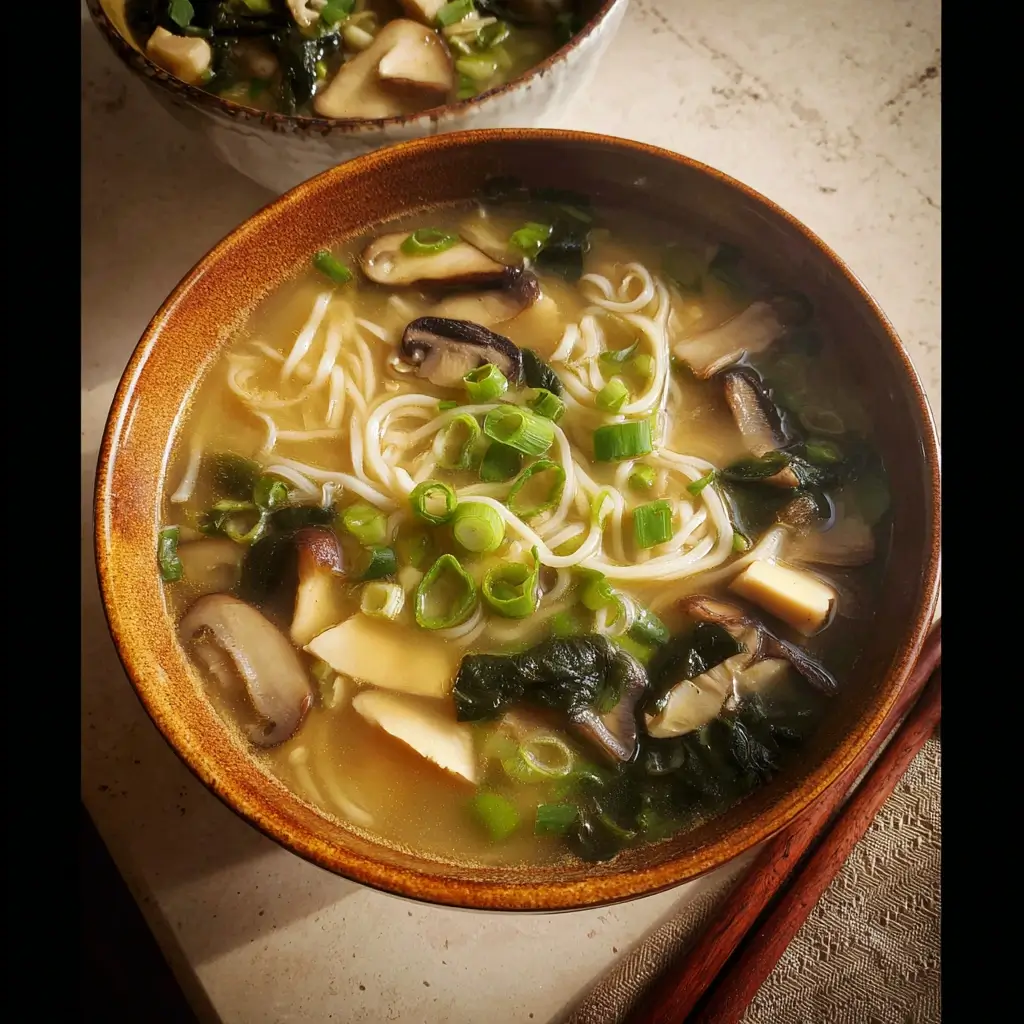

There are few dishes that feel like a warm, comforting hug in a bowl, and this Vegetarian Miso Noodle Soup with Mushrooms is the undisputed champion of that category in my household. I still remember the first time I made it on a dreary, rain-soaked Tuesday. The entire family was feeling a bit sluggish, and the thought of a complicated dinner was daunting. I wanted something deeply flavorful yet nourishing, something that would warm us from the inside out. This recipe was born from that need, and it instantly became a sensation. The kids, who can be notoriously picky about mushrooms, were suddenly slurping up every last noodle and asking for seconds of the savory, umami-rich broth. The magic lies in the symphony of flavors and textures: the earthy, meaty mushrooms, the silky tofu, the chewy noodles, and the profoundly satisfying miso broth that ties it all together. It’s the kind of meal that feels both incredibly wholesome and luxuriously indulgent, a weeknight wonder that tastes like a weekend treat. Now, the aroma of ginger, garlic, and simmering miso broth is a signal in our home that everything is about to be alright.
A Symphony of Umami: The Ultimate Vegetarian Miso Noodle Soup Recipe
This recipe is designed to be a foundational guide. It provides a rich, layered, and deeply satisfying bowl of noodle soup. We will explore countless ways to customize it later in the article, but mastering this base version will give you a powerful tool in your culinary arsenal. This version focuses on creating a robust vegetarian “dashi” or broth, which is the soul of any good miso soup.
Ingredients
- For the Vegetarian Dashi (Broth Base):
- 8 cups filtered water
- 1 large piece of kombu (dried kelp), about 6×6 inches
- 1 oz (about 30g) dried shiitake mushrooms
- For the Soup Assembly:
- 1 tbsp toasted sesame oil
- 1 tbsp neutral oil (like avocado or canola)
- 1 lb (450g) mixed fresh mushrooms, sliced (cremini, shiitake, and oyster work beautifully)
- 4 cloves garlic, minced
- 1 inch fresh ginger, peeled and finely grated
- 1 block (14-16 oz) firm or extra-firm tofu, pressed and cut into ½-inch cubes
- 4 tbsp white or yellow miso paste (shiro or shinsu)
- 2 tbsp soy sauce or tamari (for gluten-free)
- 1 lb (450g) fresh or dried noodles of choice (ramen, udon, or soba)
- 1 large head of bok choy, leaves separated and washed
- For Garnish and Topping:
- 4 scallions, thinly sliced
- 2 tbsp toasted sesame seeds
- 1 sheet of nori, cut into thin strips
- Chili oil or sriracha, to taste (optional)
Instructions: Crafting Your Perfect Bowl Step-by-Step
Follow these steps carefully to build layers of flavor, resulting in a soup that is much greater than the sum of its parts. The key is patience, especially when developing the broth and browning the mushrooms.
- Create the Vegetarian Dashi: In a large stockpot or Dutch oven, combine the 8 cups of water, the piece of kombu, and the dried shiitake mushrooms. Bring the water to a bare simmer over medium heat. Do not let it come to a rolling boil, as this can make the kombu bitter. As soon as you see small bubbles forming around the edge of the pot, turn off the heat. Let the mixture steep for at least 30 minutes, or up to an hour for a more intense flavor.
- Strain and Prepare the Broth: Using a slotted spoon, remove the rehydrated shiitake mushrooms and the kombu. Set the kombu aside (it can be discarded or sliced thinly for other dishes). Finely slice the rehydrated shiitake mushrooms and set them aside to be added back to the soup later. Your flavorful dashi is now ready.
- Sauté the Aromatics and Fresh Mushrooms: Place the same stockpot back on the stove over medium-high heat. Add the toasted sesame oil and the neutral oil. Once the oil is shimmering, add the fresh sliced mushrooms in a single layer. Let them cook without moving for 3-4 minutes, until they are deeply browned and caramelized on one side. This step is crucial for developing a meaty, umami flavor. Once browned, stir the mushrooms and continue to cook for another 4-5 minutes until tender. Add the minced garlic and grated ginger, and sauté for another minute until fragrant.
- Brown the Tofu: Push the mushroom mixture to one side of the pot and add the cubed tofu to the empty side. Allow the tofu to pan-fry, turning occasionally, for 5-7 minutes until it’s golden brown on most sides. This gives it a wonderful texture that holds up in the soup. Once browned, you can gently mix it with the mushrooms.
- Simmer the Soup: Pour the prepared vegetarian dashi back into the pot with the mushrooms and tofu. Add the sliced, rehydrated shiitake mushrooms you set aside earlier. Stir in the soy sauce (or tamari). Bring the soup to a gentle simmer and let it cook for 10 minutes to allow the flavors to meld together.
- Cook the Noodles: While the soup is simmering, cook your chosen noodles according to the package directions in a separate pot of boiling water. Drain the noodles well once they are al dente. Rinsing them briefly with cool water can help prevent them from sticking.
- Incorporate the Miso (The Most Important Step!): Turn the heat on the soup pot down to low. Ladle about one cup of the warm broth into a small bowl. Add the 4 tablespoons of miso paste to this small bowl and whisk vigorously until the miso is completely dissolved and no lumps remain. This creates a smooth slurry. Pour this miso slurry back into the main soup pot. Stir gently to combine. CRITICAL: Do not allow the soup to boil after adding the miso. Boiling can kill the beneficial probiotics in the miso and can negatively alter its delicate flavor.
- Wilt the Bok Choy: Add the separated bok choy leaves to the warm soup. They will wilt perfectly in the residual heat within 2-3 minutes.
- Assemble and Serve: To serve, divide the cooked noodles among four large bowls. Ladle the hot miso broth, mushrooms, and tofu generously over the noodles. Garnish lavishly with sliced scallions, toasted sesame seeds, and strips of nori. Offer chili oil on the side for those who enjoy a bit of heat.
Nutrition Facts
- Servings: 4 large bowls
- Calories per serving: Approximately 550-650 kcal
(Note: This is an estimate and can vary significantly based on the type of noodles, the amount of oil used, and the specific brands of ingredients.)
Preparation Time
- Prep Time: 20 minutes (includes chopping vegetables and pressing tofu)
- Cook Time: 45 minutes (includes steeping the dashi and simmering the soup)
- Total Time: 1 hour 5 minutes
How to Serve: Assembling Your Masterpiece
Serving this soup is an art form that enhances the dining experience. A beautifully assembled bowl is more inviting and allows the diner to enjoy each component perfectly.
- The Foundation is Key: Always place the cooked noodles in the bottom of the bowl first. This prevents them from becoming a tangled mess on top and ensures they are fully submerged in the delicious broth.
- Broth is Next: Carefully ladle the hot broth, along with a generous portion of the mushrooms and tofu, over the noodles. Fill the bowl about three-quarters full.
- Arrange Your Elements: Instead of just dumping toppings on, arrange them thoughtfully.
- Create a small pile of the wilted bok choy on one side.
- Fan out a few strips of nori on the other side.
- Generously sprinkle the sliced scallions and toasted sesame seeds over the entire surface.
- The Final Drizzle: For a final touch of flavor and visual appeal, drizzle a small amount of toasted sesame oil or your favorite chili oil in a circular pattern over the top of the soup.
- Provide the Right Tools: Serve with both a deep soup spoon for the broth and a pair of chopsticks for the noodles and solid ingredients. This is the traditional and most enjoyable way to eat this type of soup.
Deep Dive: Understanding the Core Ingredients
To truly master this vegetarian miso noodle soup, it helps to understand the role each primary ingredient plays. This knowledge will empower you to make substitutions and adjustments like a pro.
The Soul of the Soup: Miso Paste
Miso is a traditional Japanese seasoning produced by fermenting soybeans with salt and kōji (a fungus) and sometimes rice, barley, or other ingredients. It’s the primary source of the soup’s signature savory, salty, and umami flavor.
- White Miso (Shiro Miso): This is the mildest and sweetest variety. It’s fermented for the shortest amount of time and has a higher rice content. It’s perfect for this recipe as it adds a delicate, nuanced umami without overpowering the other ingredients. It’s the best choice for beginners.
- Yellow Miso (Shinshu Miso): A happy medium, yellow miso is fermented longer than white miso and is slightly stronger and saltier. It provides a wonderful, earthy flavor and is another excellent choice for this soup.
- Red Miso (Aka Miso): This is the most pungent type, having been fermented for the longest period. It has a very deep, rich, and salty flavor. While delicious, it can easily dominate the soup. It’s best used by those who know they love a very strong miso flavor, or it can be used in smaller quantities mixed with white miso.
The Earthy Foundation: A Guide to Mushrooms
Mushrooms are the “meat” of this vegetarian soup. Their texture and deep, earthy flavor are essential. Using a combination of mushrooms provides a more complex and interesting result.
- Cremini Mushrooms: These are workhorses. They are readily available, affordable, and have a deeper flavor than standard white button mushrooms. They brown beautifully and provide a satisfyingly meaty bite.
- Shiitake Mushrooms: Both dried and fresh shiitakes are non-negotiable for the best flavor. The dried shiitakes form the backbone of the dashi broth, imparting an intense, smoky umami. The fresh shiitakes, when sautéed, have a wonderful chewy texture and a distinct, woodsy taste.
- Oyster Mushrooms: These have a delicate, almost velvety texture when cooked and a mild flavor. They add a touch of elegance and a different textural experience to the mix.
The Noodle Dilemma: Choosing Your Perfect Slurp
The noodles provide substance and that satisfying chew. The type you choose can dramatically change the character of the dish.
- Ramen Noodles: The classic choice. Fresh ramen noodles offer the best bouncy, chewy texture. If using dried instant ramen, discard the seasoning packet and cook just the noodle block.
- Udon Noodles: These are thick, chewy wheat noodles. They are incredibly satisfying and make the soup feel even more substantial and comforting. They are perfect for a hearty winter meal.
- Soba Noodles: Made from buckwheat flour, soba noodles have a nuttier, earthier flavor. They are a great choice for a slightly healthier-feeling soup. Be sure to check the package for 100% buckwheat if you need a gluten-free option.
Building the Broth: The Secret to Vegetarian Dashi
Dashi is the traditional Japanese soup stock that forms the base of most Japanese soups. The conventional version is made with bonito fish flakes. Our vegetarian version uses two key ingredients to replicate that deep umami flavor.
- Kombu (Dried Kelp): This is a sea vegetable that is rich in glutamic acid, the natural compound responsible for the umami taste. It imparts a subtle, clean, and savory flavor to the water. The key is to never boil it, which releases bitter compounds.
- Dried Shiitake Mushrooms: As mentioned before, these are umami powerhouses. When rehydrated, they release a rich, dark, and intensely savory flavor into the water, creating a broth that is complex and deeply satisfying.
Additional Tips for Miso Soup Perfection
- Never Boil Your Miso: This is the golden rule. Boiling miso not only diminishes its complex, delicate flavor but also destroys the beneficial live probiotic cultures that make it so healthy. Always add the miso at the very end, with the heat turned off or on the lowest possible setting.
- The Art of the Caramelized Mushroom: Do not rush the mushroom sautéing step. Use a pot that is large enough to hold them in a single layer. High heat and not moving them for the first few minutes are the secrets to achieving a deep brown crust. This Maillard reaction creates an incredible depth of flavor that steaming or simply softening the mushrooms cannot replicate.
- Press Your Tofu: This is a non-negotiable step for great texture. Pressing extra-firm tofu for at least 30 minutes removes excess water, allowing it to absorb more flavor from the broth and, more importantly, to get wonderfully crispy and golden when pan-fried. A soggy, watery piece of tofu can ruin the textural experience.
- Make Dashi in Advance: The vegetarian dashi can be made up to 3-4 days in advance and stored in an airtight container in the refrigerator. This cuts down on the prep time significantly, making this a very achievable weeknight meal. Just heat the dashi and proceed with the recipe from the mushroom-sautéing step.
- Toast Your Toppings: Don’t just use sesame seeds from the jar. Toast them in a dry skillet over medium heat for 2-3 minutes until they are fragrant and lightly golden. This simple step awakens their nutty flavor and adds an incredible aromatic dimension to the finished bowl.
Frequently Asked Questions (FAQ)
1. Can I make this recipe vegan?
Absolutely! This recipe is already 100% vegan as written. All ingredients, from the kombu and miso to the tofu and vegetables, are plant-based. It’s a common misconception that all miso soup contains fish, but this vegetarian version proves it can be just as, if not more, flavorful.
2. How can I make this soup gluten-free?
It’s very easy to adapt this recipe to be gluten-free.
- Noodles: Swap the wheat-based ramen or udon noodles for 100% buckwheat soba noodles or any variety of rice noodles.
- Soy Sauce: Use tamari, which is a Japanese sauce made from fermented soybeans that is typically brewed without wheat, instead of standard soy sauce. Always double-check the label to ensure it’s certified gluten-free.
- Miso Paste: Most miso paste is naturally gluten-free, but some varieties (especially barley miso, or mugi miso) contain gluten. Stick to soybean-and-rice-based miso and check the label to be safe.
3. Can I meal prep this Miso Noodle Soup?
Yes, but with a specific strategy. Do not combine all the components in advance, as the noodles will become mushy and absorb all the broth.
- For Meal Prep: Prepare the soup base (the broth with mushrooms and tofu) and store it in an airtight container in the fridge for up to 4 days. Cook the noodles separately and store them in another container, perhaps with a tiny bit of sesame oil to prevent sticking. Store the garnishes (scallions, nori) in a separate bag or container. When you’re ready to eat, simply reheat the soup base until hot, place the cold noodles in a bowl, and ladle the hot soup over them. Add your fresh garnishes.
4. My soup tastes too salty. How can I fix it?
This can happen, especially if using a stronger miso or a saltier soy sauce. The easiest way to fix it is by dilution. Add a bit more warm water or unsalted vegetable broth until the salt level is to your liking. You can also add a squeeze of lemon or a dash of mirin (sweet rice wine) to help balance the saltiness. For next time, start with less miso and soy sauce, taste, and then add more as needed.
5. What if I can’t find kombu?
While kombu is key to an authentic dashi, you can still make a delicious soup without it. If you can’t find it, simply use a high-quality, low-sodium vegetable broth as your base instead of water. The dried shiitake mushrooms will still impart a significant amount of umami. You could also add a splash of tamari or a tiny bit more miso at the end to compensate for the lost savory depth.
Vegetarian Miso Noodle Soup Recipe
Ingredients
- For the Vegetarian Dashi (Broth Base):
- 8 cups filtered water
- 1 large piece of kombu (dried kelp), about 6×6 inches
- 1 oz (about 30g) dried shiitake mushrooms
- For the Soup Assembly:
- 1 tbsp toasted sesame oil
- 1 tbsp neutral oil (like avocado or canola)
- 1 lb (450g) mixed fresh mushrooms, sliced (cremini, shiitake, and oyster work beautifully)
- 4 cloves garlic, minced
- 1 inch fresh ginger, peeled and finely grated
- 1 block (14-16 oz) firm or extra-firm tofu, pressed and cut into ½-inch cubes
- 4 tbsp white or yellow miso paste (shiro or shinsu)
- 2 tbsp soy sauce or tamari (for gluten-free)
- 1 lb (450g) fresh or dried noodles of choice (ramen, udon, or soba)
- 1 large head of bok choy, leaves separated and washed
- For Garnish and Topping:
- 4 scallions, thinly sliced
- 2 tbsp toasted sesame seeds
- 1 sheet of nori, cut into thin strips
- Chili oil or sriracha, to taste (optional)
Instructions
- Create the Vegetarian Dashi: In a large stockpot or Dutch oven, combine the 8 cups of water, the piece of kombu, and the dried shiitake mushrooms. Bring the water to a bare simmer over medium heat. Do not let it come to a rolling boil, as this can make the kombu bitter. As soon as you see small bubbles forming around the edge of the pot, turn off the heat. Let the mixture steep for at least 30 minutes, or up to an hour for a more intense flavor.
- Strain and Prepare the Broth: Using a slotted spoon, remove the rehydrated shiitake mushrooms and the kombu. Set the kombu aside (it can be discarded or sliced thinly for other dishes). Finely slice the rehydrated shiitake mushrooms and set them aside to be added back to the soup later. Your flavorful dashi is now ready.
- Sauté the Aromatics and Fresh Mushrooms: Place the same stockpot back on the stove over medium-high heat. Add the toasted sesame oil and the neutral oil. Once the oil is shimmering, add the fresh sliced mushrooms in a single layer. Let them cook without moving for 3-4 minutes, until they are deeply browned and caramelized on one side. This step is crucial for developing a meaty, umami flavor. Once browned, stir the mushrooms and continue to cook for another 4-5 minutes until tender. Add the minced garlic and grated ginger, and sauté for another minute until fragrant.
- Brown the Tofu: Push the mushroom mixture to one side of the pot and add the cubed tofu to the empty side. Allow the tofu to pan-fry, turning occasionally, for 5-7 minutes until it’s golden brown on most sides. This gives it a wonderful texture that holds up in the soup. Once browned, you can gently mix it with the mushrooms.
- Simmer the Soup: Pour the prepared vegetarian dashi back into the pot with the mushrooms and tofu. Add the sliced, rehydrated shiitake mushrooms you set aside earlier. Stir in the soy sauce (or tamari). Bring the soup to a gentle simmer and let it cook for 10 minutes to allow the flavors to meld together.
- Cook the Noodles: While the soup is simmering, cook your chosen noodles according to the package directions in a separate pot of boiling water. Drain the noodles well once they are al dente. Rinsing them briefly with cool water can help prevent them from sticking.
- Incorporate the Miso (The Most Important Step!): Turn the heat on the soup pot down to low. Ladle about one cup of the warm broth into a small bowl. Add the 4 tablespoons of miso paste to this small bowl and whisk vigorously until the miso is completely dissolved and no lumps remain. This creates a smooth slurry. Pour this miso slurry back into the main soup pot. Stir gently to combine. CRITICAL: Do not allow the soup to boil after adding the miso. Boiling can kill the beneficial probiotics in the miso and can negatively alter its delicate flavor.
- Wilt the Bok Choy: Add the separated bok choy leaves to the warm soup. They will wilt perfectly in the residual heat within 2-3 minutes.
- Assemble and Serve: To serve, divide the cooked noodles among four large bowls. Ladle the hot miso broth, mushrooms, and tofu generously over the noodles. Garnish lavishly with sliced scallions, toasted sesame seeds, and strips of nori. Offer chili oil on the side for those who enjoy a bit of heat.
Nutrition
- Serving Size: One Normal Portion
- Calories: 550-650