
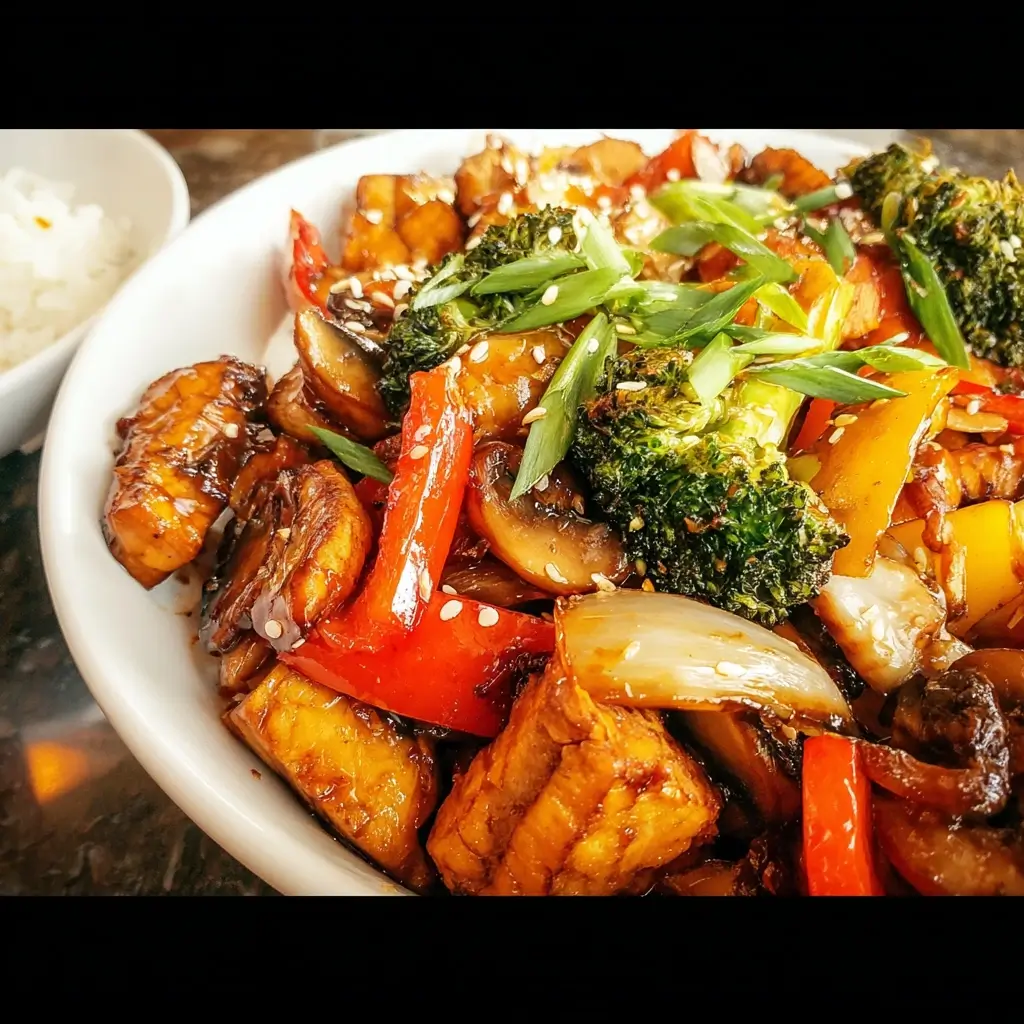

Of all the recipes in my plant-based arsenal, this one holds a special place in my heart and on my weekly meal plan. I still remember the first time I made this specific vegan stir-fry. It was one of those hectic Tuesdays where everything felt rushed, and the thought of cooking an elaborate meal was daunting. I needed something fast, nutritious, and, most importantly, something my entire family, including my notoriously picky partner, would actually eat without complaint. I grabbed a block of tofu, a rainbow of veggies from the crisper drawer, and whipped up the sauce, crossing my fingers. The result was nothing short of magic. The kitchen filled with the incredible aroma of sizzling ginger, garlic, and savory soy sauce. The tofu was perfectly crispy, the vegetables were tender-crisp, and the sauce coated everything in a glossy, flavor-packed glaze. That night, there were no leftovers. Plates were wiped clean, and my partner looked at me and said, “We’re having this again, right?” Since then, this “Everything-in-the-Pan” Vegan Stir-Fry has become our go-to for a reason. It’s a culinary chameleon—endlessly adaptable, incredibly forgiving, and consistently delicious. It’s the meal that proves that vegan cooking isn’t about restriction; it’s about vibrant, joyful, and utterly satisfying abundance.
The Ultimate Crowd-Pleasing Vegan Stir-Fry Recipe
This isn’t just a recipe; it’s a blueprint for the perfect stir-fry experience. We’ve meticulously tested and balanced the components to ensure every bite is a symphony of textures and tastes. You get the crispy, protein-packed tofu, the crisp-tender bite of fresh vegetables, and a savory-sweet-umami sauce that ties it all together.
Ingredients
Clarity and organization are key to a successful stir-fry, which comes together very quickly once you start cooking. We’ve broken down the ingredients into three components: the protein, the sauce, and the vegetables.
For the Crispy Tofu:
- 1 block (14-16 ounces) extra-firm or super-firm tofu, pressed for at least 30 minutes and patted very dry
- 2 tablespoons cornstarch (or arrowroot starch)
- 1 tablespoon soy sauce (or tamari for gluten-free)
- 2 tablespoons neutral oil, for frying (like avocado, canola, or grapeseed oil)
For the Signature Stir-Fry Sauce:
- ⅓ cup low-sodium soy sauce (or tamari)
- ¼ cup water or vegetable broth
- 3 tablespoons pure maple syrup (or agave nectar)
- 2 tablespoons rice vinegar (unseasoned)
- 1 tablespoon toasted sesame oil
- 2-3 cloves garlic, minced (about 1 tablespoon)
- 1 tablespoon fresh ginger, grated
- 1 tablespoon cornstarch (slurry thickener)
- 1-2 teaspoons sriracha or chili garlic sauce (optional, for heat)
For the Vegetable Medley:
- 1 tablespoon neutral oil
- 1 large head of broccoli, cut into bite-sized florets (about 3 cups)
- 1 large red bell pepper, deseeded and sliced
- 1 medium yellow onion, sliced
- 2 medium carrots, thinly sliced on a diagonal
- 8 ounces cremini mushrooms, sliced
- 4 ounces snow peas or snap peas
- 4 scallions (green onions), chopped, whites and greens separated
For Serving & Garnish (Optional):
- Cooked brown rice, white rice, quinoa, or noodles
- Toasted sesame seeds
- Chopped peanuts or cashews
- Fresh cilantro leaves
Step-by-Step Instructions for Stir-Fry Perfection
Stir-frying is a technique that relies on speed and high heat. The secret is in the preparation. Have every single ingredient chopped, measured, and ready to go before you even think about turning on the stove. This French culinary principle, mise en place (everything in its place), is non-negotiable for a great stir-fry.
Step 1: Prepare the Crispy Tofu
This step is the foundation for a texturally satisfying stir-fry. Soggy tofu is the enemy!
- Press the Tofu: If you haven’t already, press your block of extra-firm tofu for at least 30 minutes. You can use a dedicated tofu press or wrap the block in paper towels, place it on a plate, and set something heavy on top (like a cast-iron skillet or a few cookbooks). This step is crucial for removing excess water, which allows the tofu to get crispy instead of steaming.
- Cut and Coat: Once pressed, pat the tofu block completely dry with a clean kitchen towel. Cut it into 1-inch cubes. In a medium bowl, toss the tofu cubes gently with 1 tablespoon of soy sauce until they are lightly coated.
- Add Cornstarch: Sprinkle the 2 tablespoons of cornstarch over the tofu and toss again, ensuring each cube has a light, even, dusty coating. This coating is the secret to a super crispy exterior.
Step 2: Cook the Tofu
- Heat the Pan: Place a large skillet, wok, or cast-iron pan over medium-high heat. Add 2 tablespoons of neutral oil. Once the oil is shimmering (a good indicator it’s hot enough), it’s time to cook.
- Pan-Fry: Carefully add the cornstarch-coated tofu cubes to the hot pan in a single layer. Do not overcrowd the pan; cook in two batches if necessary. Let the tofu cook for 3-4 minutes per side, without moving it too much, until it’s golden brown and crispy on all sides.
- Set Aside: Once all the tofu is beautifully crisped, use a slotted spoon to remove it from the pan and set it aside on a plate.
Step 3: Prepare the Signature Sauce
While the tofu is cooking, you can whisk together the sauce.
- Combine Ingredients: In a small bowl or liquid measuring cup, combine all the sauce ingredients: soy sauce, water, maple syrup, rice vinegar, toasted sesame oil, minced garlic, grated ginger, and optional sriracha.
- Make the Slurry: In a separate tiny bowl, whisk the 1 tablespoon of cornstarch with 2 tablespoons of cold water until it’s completely smooth and free of lumps. This is your “slurry.” Do not add the slurry to the main sauce mixture yet. Keeping it separate allows you to control the thickness of the sauce at the end. Set both the sauce mixture and the slurry next to your stove.
Step 4: Stir-Fry the Vegetables
Using the same pan (no need to wash it), you’re ready to cook the veggies. The key is to add them in stages, starting with the ones that take the longest to cook.
- Heat Oil and Aromatics: Add the remaining 1 tablespoon of oil to the hot pan. Add the sliced yellow onion and the white parts of the scallions. Stir-fry for 1-2 minutes until they begin to soften and become fragrant.
- Add Hard Vegetables: Add the carrots and broccoli florets to the pan. Stir-fry for 3-4 minutes. These vegetables need a head start to become tender-crisp. You can add a tablespoon or two of water and cover the pan for a minute to help steam the broccoli if you prefer it softer.
- Add Softer Vegetables: Now add the sliced red bell pepper and mushrooms. Continue to stir-fry for another 3-4 minutes, tossing frequently, until the peppers are vibrant and the mushrooms have released their liquid and started to brown.
- Add Delicate Greens: Finally, toss in the snow peas and cook for just 1-2 minutes. You want them to remain bright green and have a distinct snap.
Step 5: Combine, Sauce, and Serve
This is the final, fast-paced stage where everything comes together.
- Return Tofu to Pan: Add the crispy tofu back into the pan with the cooked vegetables. Gently toss to combine.
- Add the Sauce: Give your sauce mixture a quick stir (the ginger and garlic may have settled) and pour it all over the tofu and vegetables. Let it bubble for about 30 seconds, tossing everything to coat.
- Thicken the Sauce: Now, grab your cornstarch slurry. Give it a quick re-whisk (it separates quickly) and pour it into the pan while stirring continuously. The sauce will thicken almost instantly into a beautiful, glossy glaze. Cook for another 30-60 seconds until it’s the consistency you like.
- Final Touches: Turn off the heat. Stir in the green parts of the scallions.
- Serve Immediately: Serve the hot stir-fry over your favorite base and top with your desired garnishes like sesame seeds and fresh cilantro.
Nutrition Facts
- Servings: 4 large servings
- Calories Per Serving: Approximately 485 kcal (this is for the stir-fry only and does not include rice, noodles, or other bases)
Disclaimer: The nutritional information provided is an estimate and can vary depending on the specific ingredients and brands used. This stir-fry is a powerhouse of nutrients, rich in plant-based protein from tofu, loaded with fiber from the plethora of vegetables, and packed with vitamins and minerals like Vitamin C (from bell peppers and broccoli) and Vitamin A (from carrots).
Preparation & Cook Time
- Prep Time: 25 minutes (includes pressing tofu, chopping all vegetables, and mixing the sauce)
- Cook Time: 20 minutes
- Total Time: 45 minutes
This recipe is the epitome of a perfect weeknight meal—delivering a complex, restaurant-quality dish in under an hour.
How to Serve Your Vegan Stir-Fry
The base and garnishes are where you can truly customize this dish to your mood and pantry contents. Here are some of our favorite ways to serve it:
- Classic & Comforting:
- Steamed Jasmine Rice: The fluffy, fragrant grains are perfect for soaking up every last drop of the delicious sauce.
- Hearty Brown Rice: For a healthier, fiber-rich option with a chewier texture and nutty flavor.
- Noodle Night:
- Udon Noodles: Thick, chewy wheat noodles that make the meal incredibly satisfying.
- Soba Noodles: Nutty buckwheat noodles that offer a wonderful contrast (check the package for 100% buckwheat for a gluten-free option).
- Rice Noodles: A naturally gluten-free choice that’s light and delicious.
- Low-Carb & Grain-Free:
- Cauliflower Rice: A fantastic low-carb alternative that’s light and absorbs the sauce beautifully.
- Zucchini Noodles (Zoodles): For a fresh, veggie-forward base. Add them to the pan for the last minute of cooking to warm through.
- Quinoa: A complete protein, grain-free seed that adds a fluffy texture and extra nutrients.
- Garnish Extravaganza (The More, The Merrier!):
- For Crunch: Toasted sesame seeds, chopped roasted peanuts, cashews, or crispy fried onions.
- For Freshness: A generous handful of fresh cilantro leaves or sliced Thai basil.
- For Extra Heat: A drizzle of sriracha, a spoonful of chili crisp, or a sprinkle of red pepper flakes.
- For Acidity: A fresh lime wedge to squeeze over the top just before eating.
5 Additional Tips for Stir-Fry Mastery
Take your stir-fry from great to absolutely unforgettable with these pro tips.
- The Wok is Your Friend (But Not Required): A carbon steel wok is the traditional and ideal vessel for stir-frying. Its sloped sides allow you to push cooked food up the sides while adding new ingredients to the hot center, promoting even cooking. However, a large, heavy-bottomed skillet (cast iron is excellent) will also work wonderfully. The key is to use a pan that retains heat well.
- Don’t Crowd the Pan: This is the cardinal sin of stir-frying. Overloading your pan with too many ingredients at once drops the temperature of the oil, causing the food to steam in its own juices rather than sear. The result is soggy vegetables and pale tofu. If your pan isn’t large enough, cook the vegetables in two separate batches, then combine everything at the end.
- Cut Vegetables Uniformly (But Strategically): Chop your vegetables into similar-sized pieces so they cook at a relatively even rate. However, be strategic. Harder vegetables that take longer to cook (like carrots and broccoli stems) should be cut smaller or thinner than quicker-cooking vegetables (like bell peppers and mushrooms).
- Embrace High Heat: Stir-frying is a high-heat cooking method. Get your pan and oil properly hot before you add any food. You should hear a distinct sizzle the moment the ingredients hit the pan. This high heat is what creates the coveted wok hei—a complex, smoky flavor that is the hallmark of a great stir-fry—and ensures your vegetables stay crisp.
- Sauce at the Very End: Never add your sauce too early. If you pour it in with the raw vegetables, it will burn before the veggies are cooked, and the vegetables will become soggy. The sauce should be added in the final minute or two of cooking, just long enough to heat through and be thickened by the cornstarch slurry, perfectly glazing all the ingredients.
Frequently Asked Questions (FAQ)
1. Can I make this stir-fry gluten-free?
Absolutely! This recipe is very easy to adapt for a gluten-free diet. Simply make two swaps: use tamari or a certified gluten-free soy sauce instead of regular soy sauce, as regular soy sauce contains wheat. Secondly, if you plan to serve it with noodles, opt for 100% buckwheat soba noodles, rice noodles, or glass noodles.
2. My tofu never gets crispy! What am I doing wrong?
This is a common frustration, but it’s easily solved with three key steps. First, you must use extra-firm or super-firm tofu. Silken or soft tofu will not work. Second, you must press it thoroughly to remove as much water as possible. Don’t skip this step! Third, the cornstarch coating is your secret weapon. It creates a dry outer layer that crisps up beautifully in the hot oil. Also, ensure your oil is hot enough before adding the tofu.
3. How do I store and reheat leftovers?
Leftover stir-fry can be stored in an airtight container in the refrigerator for up to 3-4 days. The vegetables will lose some of their crispness upon reheating, but it will still be delicious. For the best results, reheat it in a skillet or wok over medium heat with a splash of water or oil until warmed through. This helps to revive the textures much better than a microwave, which can make the tofu rubbery.
4. Can I use different vegetables or protein?
Of course! This recipe is a fantastic base for a “clean-out-the-fridge” meal.
- Vegetable Swaps: Feel free to substitute with bok choy, zucchini, baby corn, water chestnuts, cabbage, or green beans. Just remember to add them to the pan according to their cooking time (harder veggies first).
- Protein Swaps: If you’re not a fan of tofu, you can use tempeh (cubed and steamed for 10 minutes before pan-frying), seitan, or even a can of rinsed and drained chickpeas or edamame (add these with the softer vegetables as they just need to be heated through).
5. Can I make this recipe oil-free?
Yes, you can make an oil-free version. To “sauté” without oil, use a few tablespoons of water or vegetable broth to keep the vegetables from sticking to the pan, adding more as needed. For the tofu, an air fryer is your best bet for achieving crispiness without oil. Toss the pressed, soy sauce-coated, and cornstarch-dusted tofu in an air fryer at 400°F (200°C) for 15-20 minutes, shaking the basket halfway through, until crispy. Then, proceed with the recipe as written, using water to sauté the veggies.
Vegan Stir-Fry Recipe
Ingredients
For the Crispy Tofu:
- 1 block (14-16 ounces) extra-firm or super-firm tofu, pressed for at least 30 minutes and patted very dry
- 2 tablespoons cornstarch (or arrowroot starch)
- 1 tablespoon soy sauce (or tamari for gluten-free)
- 2 tablespoons neutral oil, for frying (like avocado, canola, or grapeseed oil)
For the Signature Stir-Fry Sauce:
- ⅓ cup low-sodium soy sauce (or tamari)
- ¼ cup water or vegetable broth
- 3 tablespoons pure maple syrup (or agave nectar)
- 2 tablespoons rice vinegar (unseasoned)
- 1 tablespoon toasted sesame oil
- 2–3 cloves garlic, minced (about 1 tablespoon)
- 1 tablespoon fresh ginger, grated
- 1 tablespoon cornstarch (slurry thickener)
- 1–2 teaspoons sriracha or chili garlic sauce (optional, for heat)
For the Vegetable Medley:
- 1 tablespoon neutral oil
- 1 large head of broccoli, cut into bite-sized florets (about 3 cups)
- 1 large red bell pepper, deseeded and sliced
- 1 medium yellow onion, sliced
- 2 medium carrots, thinly sliced on a diagonal
- 8 ounces cremini mushrooms, sliced
- 4 ounces snow peas or snap peas
- 4 scallions (green onions), chopped, whites and greens separated
For Serving & Garnish (Optional):
- Cooked brown rice, white rice, quinoa, or noodles
- Toasted sesame seeds
- Chopped peanuts or cashews
- Fresh cilantro leaves
Instructions
Step 1: Prepare the Crispy Tofu
This step is the foundation for a texturally satisfying stir-fry. Soggy tofu is the enemy!
- Press the Tofu: If you haven’t already, press your block of extra-firm tofu for at least 30 minutes. You can use a dedicated tofu press or wrap the block in paper towels, place it on a plate, and set something heavy on top (like a cast-iron skillet or a few cookbooks). This step is crucial for removing excess water, which allows the tofu to get crispy instead of steaming.
- Cut and Coat: Once pressed, pat the tofu block completely dry with a clean kitchen towel. Cut it into 1-inch cubes. In a medium bowl, toss the tofu cubes gently with 1 tablespoon of soy sauce until they are lightly coated.
- Add Cornstarch: Sprinkle the 2 tablespoons of cornstarch over the tofu and toss again, ensuring each cube has a light, even, dusty coating. This coating is the secret to a super crispy exterior.
Step 2: Cook the Tofu
- Heat the Pan: Place a large skillet, wok, or cast-iron pan over medium-high heat. Add 2 tablespoons of neutral oil. Once the oil is shimmering (a good indicator it’s hot enough), it’s time to cook.
- Pan-Fry: Carefully add the cornstarch-coated tofu cubes to the hot pan in a single layer. Do not overcrowd the pan; cook in two batches if necessary. Let the tofu cook for 3-4 minutes per side, without moving it too much, until it’s golden brown and crispy on all sides.
- Set Aside: Once all the tofu is beautifully crisped, use a slotted spoon to remove it from the pan and set it aside on a plate.
Step 3: Prepare the Signature Sauce
While the tofu is cooking, you can whisk together the sauce.
- Combine Ingredients: In a small bowl or liquid measuring cup, combine all the sauce ingredients: soy sauce, water, maple syrup, rice vinegar, toasted sesame oil, minced garlic, grated ginger, and optional sriracha.
- Make the Slurry: In a separate tiny bowl, whisk the 1 tablespoon of cornstarch with 2 tablespoons of cold water until it’s completely smooth and free of lumps. This is your “slurry.” Do not add the slurry to the main sauce mixture yet. Keeping it separate allows you to control the thickness of the sauce at the end. Set both the sauce mixture and the slurry next to your stove.
Step 4: Stir-Fry the Vegetables
Using the same pan (no need to wash it), you’re ready to cook the veggies. The key is to add them in stages, starting with the ones that take the longest to cook.
- Heat Oil and Aromatics: Add the remaining 1 tablespoon of oil to the hot pan. Add the sliced yellow onion and the white parts of the scallions. Stir-fry for 1-2 minutes until they begin to soften and become fragrant.
- Add Hard Vegetables: Add the carrots and broccoli florets to the pan. Stir-fry for 3-4 minutes. These vegetables need a head start to become tender-crisp. You can add a tablespoon or two of water and cover the pan for a minute to help steam the broccoli if you prefer it softer.
- Add Softer Vegetables: Now add the sliced red bell pepper and mushrooms. Continue to stir-fry for another 3-4 minutes, tossing frequently, until the peppers are vibrant and the mushrooms have released their liquid and started to brown.
- Add Delicate Greens: Finally, toss in the snow peas and cook for just 1-2 minutes. You want them to remain bright green and have a distinct snap.
Step 5: Combine, Sauce, and Serve
This is the final, fast-paced stage where everything comes together.
- Return Tofu to Pan: Add the crispy tofu back into the pan with the cooked vegetables. Gently toss to combine.
- Add the Sauce: Give your sauce mixture a quick stir (the ginger and garlic may have settled) and pour it all over the tofu and vegetables. Let it bubble for about 30 seconds, tossing everything to coat.
- Thicken the Sauce: Now, grab your cornstarch slurry. Give it a quick re-whisk (it separates quickly) and pour it into the pan while stirring continuously. The sauce will thicken almost instantly into a beautiful, glossy glaze. Cook for another 30-60 seconds until it’s the consistency you like.
- Final Touches: Turn off the heat. Stir in the green parts of the scallions.
- Serve Immediately: Serve the hot stir-fry over your favorite base and top with your desired garnishes like sesame seeds and fresh cilantro.
Nutrition
- Serving Size: One Normal Portion
- Calories: 485 kcal