
It started on a Tuesday, a day that usually holds no particular culinary promise. My family, a mix of devout foodies and picky eaters, was in a rut. The usual rotation of pasta, tacos, and roasted chicken had lost its spark. I wanted something vibrant, something that would wake up our taste buds and bring a bit of excitement back to the dinner table. That’s when I decided to tackle a dish I’d always loved ordering but was too intimidated to make at home: Pad Thai. But with a twist—a completely plant-based version centered around perfectly cooked, savory tofu. I was skeptical if I could replicate the complex, addictive flavors of my favorite Thai restaurant. The pressure was on. After an hour of chopping, whisking, and a final, furious stir-fry in my trusty wok, I presented the Tofu Pad Thai. The aroma alone—a tantalizing blend of tangy tamarind, savory soy, and nutty peanuts—had everyone gathered around the pan. The first bite was a revelation. The tofu wasn’t soggy or bland; it was golden-brown and chewy. The noodles were tender but not mushy, coated in a sauce that was the perfect symphony of sweet, sour, and salty. The fresh crunch of bean sprouts and peanuts sealed the deal. Silence fell over the dinner table, quickly replaced by the sounds of enthusiastic slurping. My partner, usually a tough critic of tofu dishes, looked up and said, “This is better than takeout.” That was it. That was the ultimate seal of approval. This recipe isn’t just about making a meal; it’s about creating an experience—one that proves plant-based cooking can be incredibly decadent and satisfying.
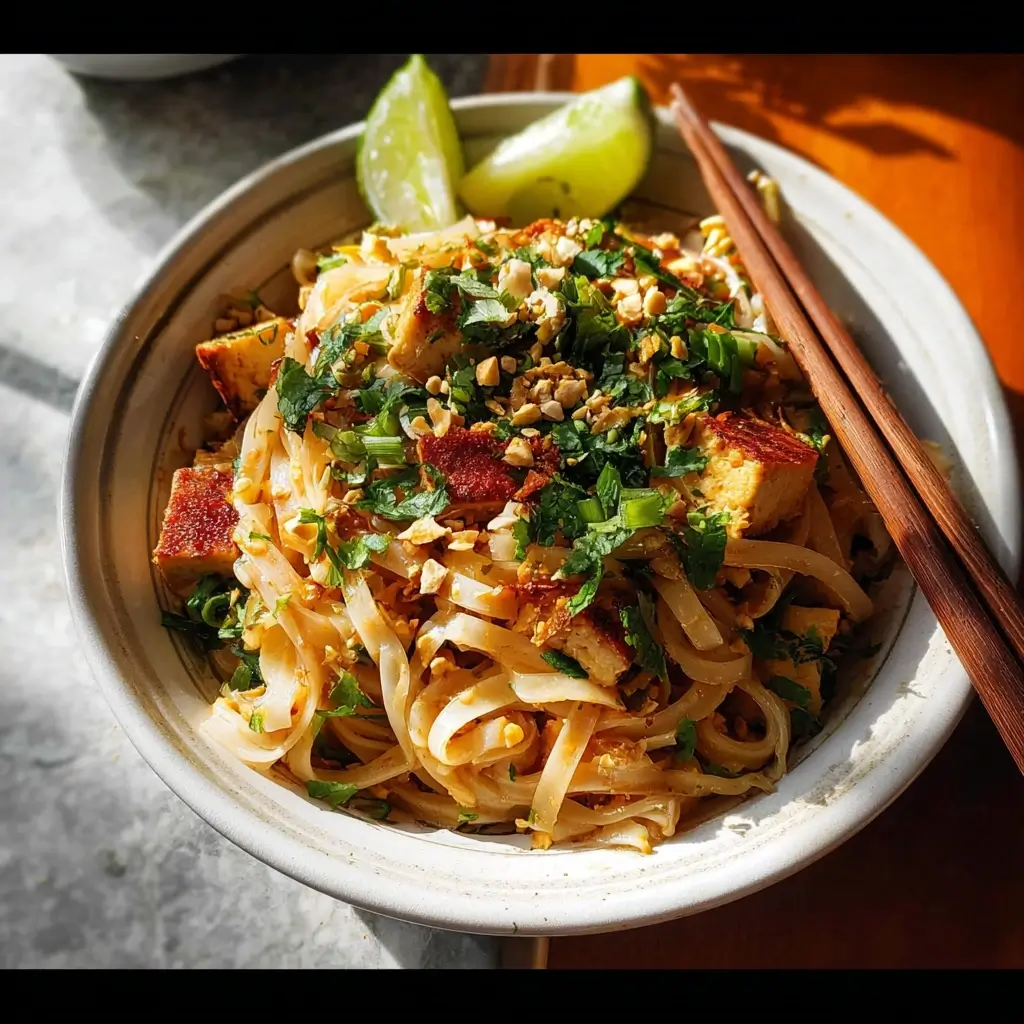
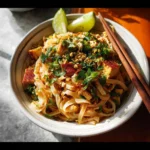
[Image: A beautifully styled, large bowl of freshly made Tofu Pad Thai, garnished with vibrant green cilantro, a lime wedge, and a generous sprinkle of crushed peanuts. Steam is gently rising from the dish.]
The Ultimate Tofu Pad Thai: Better Than Takeout
This guide is more than just a list of instructions. It’s your comprehensive masterclass in creating the most delicious, authentic-tasting vegan Tofu Pad Thai from scratch. We’ll dive deep into the secrets of the sauce, the technique for achieving unbelievably crispy tofu, and the art of balancing every component for a dish that will have you skipping the delivery apps for good.
Ingredients for a Flavor-Packed Tofu Pad Thai
The key to an incredible Pad Thai lies in its ingredients. While the list might seem long, each component plays a crucial role in building the layers of flavor that make this dish so iconic. We’ve broken it down by component for clarity.
For the Perfect Pad Thai Sauce:
- 3 tbsp Tamarind Paste (or concentrate): This is the non-negotiable heart and soul of Pad Thai sauce, providing its signature sour and tangy flavor. Look for it in Asian grocery stores or online.
- 3 tbsp Soy Sauce (or Tamari for gluten-free): Adds the salty, umami backbone to the sauce.
- 3-4 tbsp Maple Syrup (or Brown Sugar/Palm Sugar): This provides the essential sweetness to balance the tamarind’s sour notes. Adjust to your personal preference.
- 1 tbsp Rice Vinegar: Brightens the sauce with a clean, sharp acidity.
- 1-2 tsp Sriracha or Chili Garlic Sauce (optional): For a kick of heat. Start with one teaspoon and add more if you like it spicy.
- 2 tbsp Water: Helps to create the perfect consistency for coating the noodles.
For the Crispy Pan-Fried Tofu:
- 1 (14-16 oz) block Extra-Firm Tofu: Extra-firm is essential as it holds its shape best and will result in a chewier, meatier texture.
- 1 tbsp Cornstarch: The secret weapon for an ultra-crispy exterior that stays crisp even after being tossed in the sauce.
- 1 tbsp Soy Sauce: For a quick marinade that infuses the tofu with flavor from the inside out.
- 2 tbsp High-Heat Neutral Oil (like avocado, canola, or grapeseed oil): For pan-frying the tofu to golden perfection.
For the Stir-Fry Assembly:
- 8 oz Dried Flat Rice Noodles (Pad Thai noodles): Look for noodles about ¼-inch wide. These are sometimes labeled “rice stick noodles.”
- 2 tbsp High-Heat Neutral Oil, divided: For sautéing the aromatics and stir-frying the dish.
- 4 cloves Garlic, minced: A foundational aromatic that builds immense flavor.
- 1 small Shallot, thinly sliced: Milder and sweeter than an onion, adding a delicate, authentic flavor.
- 1 Red Bell Pepper, thinly sliced (optional): Adds color, sweetness, and a pleasant crunch.
- 4 Green Onions (scallions), cut into 2-inch pieces, whites and greens separated: The whites are cooked with the aromatics, and the greens are added at the end for fresh flavor.
- 2 cups Fresh Mung Bean Sprouts, divided: One cup is cooked into the Pad Thai for a tender-crisp texture, and one cup is reserved for a fresh, crunchy garnish.
- ¼ cup Water (for the wok/pan): To help steam the noodles and bring the sauce together without it becoming too thick.
For the Essential Garnishes:
- ½ cup Roasted Peanuts, roughly chopped: Provides a crucial nutty flavor and crunchy texture.
- ½ cup Fresh Cilantro, roughly chopped: Adds a bright, herbaceous, and fresh counterpoint to the rich sauce.
- 1 Lime, cut into wedges: A final squeeze of fresh lime juice at the end elevates the entire dish, cutting through the richness and brightening all the flavors.
- Red Pepper Flakes (optional): For those who want an extra level of spice.
Step-by-Step Instructions for Pad Thai Perfection
Stir-frying happens fast! The most important step before you even turn on the stove is to have all your ingredients prepped and ready to go. This French culinary concept, known as mise en place, is the key to a successful and stress-free stir-fry.
Step 1: Prepare the Tofu (The Crispy Secret)
- Press the Tofu: Remove the tofu from its packaging and drain the water. Wrap the block in several layers of paper towels or a clean kitchen towel. Place it on a plate and put something heavy on top (like a cast-iron skillet or a few books). Let it press for at least 30 minutes, or up to an hour. This step is crucial for removing excess water, which allows the tofu to get crispy instead of steaming.
- Cut and Coat: Once pressed, unwrap the tofu and cut it into ½-inch cubes or ¾-inch rectangles. Place the cubes in a medium bowl. Drizzle with 1 tablespoon of soy sauce and gently toss to coat. Sprinkle the 1 tablespoon of cornstarch over the tofu and toss again until each piece is lightly and evenly coated. This cornstarch layer will create a wonderfully crispy crust.
- Pan-Fry the Tofu: Heat 2 tablespoons of oil in a large wok or non-stick skillet over medium-high heat. Once the oil is shimmering, carefully add the tofu cubes in a single layer, ensuring not to overcrowd the pan (work in batches if necessary). Fry for 4-5 minutes per side, until golden brown, crispy, and delicious on all sides. Use tongs to transfer the cooked tofu to a plate lined with a paper towel. Set aside.
Step 2: Cook the Noodles and Whisk the Sauce
- Cook the Noodles: While the tofu is pressing or frying, prepare the rice noodles according to the package directions. Typically, this involves soaking them in hot (not boiling) water for about 8-10 minutes, or until they are pliable but still firm and chewy (al dente). They will finish cooking in the wok. It’s critical not to overcook them at this stage, or they will turn mushy.
- Rinse and Drain: Once the noodles are ready, drain them completely and rinse them under cold water. This stops the cooking process and removes excess starch, preventing them from clumping together. Set them aside.
- Mix the Sauce: In a small bowl, whisk together all the sauce ingredients: tamarind paste, soy sauce (or tamari), maple syrup, rice vinegar, sriracha (if using), and 2 tablespoons of water. Taste and adjust if necessary. You’re looking for a bold balance of sour, salty, and sweet. Set the sauce aside right next to your stove.
Step 3: The Stir-Fry Assembly
- Sauté Aromatics: Wipe out the wok or skillet you used for the tofu and place it back over high heat. Add the remaining 1 tablespoon of oil. When the oil is hot, add the minced garlic and sliced shallots. Stir-fry for about 30 seconds until fragrant, being careful not to burn the garlic.
- Add Vegetables: Add the white parts of the green onions and the sliced red bell pepper (if using). Continue to stir-fry for 1-2 minutes, until the pepper is slightly tender-crisp.
- Combine Noodles and Sauce: Push the vegetables to one side of the wok. Add the cooked and drained noodles to the empty side. Pour the prepared Pad Thai sauce all over the noodles. Use tongs to gently toss the noodles in the sauce for about 1-2 minutes, until they are evenly coated and have absorbed most of the liquid.
- Incorporate Remaining Ingredients: Add the crispy fried tofu, 1 cup of the mung bean sprouts, and the green parts of the green onions to the wok. Add the ¼ cup of water around the edges of the pan—this will create steam to help meld the flavors and finish cooking the noodles. Continue to toss everything together gently but quickly for another 1-2 minutes until the bean sprouts are slightly wilted but still have a bite.
- Serve Immediately: Remove the wok from the heat. Your Tofu Pad Thai is ready!
[Image: A step-by-step collage showing the process: 1. Pressing the tofu. 2. Tofu cubes sizzling in a pan. 3. Whisking the dark, rich sauce. 4. The final toss of all ingredients in a large wok.]
Nutrition Facts
- Servings: 4 large servings
- Calories per serving: Approximately 580-650 kcal (This is an estimate and can vary based on the specific brands of ingredients used, amount of oil, and sugar content in the sauce.)
Preparation Time
- Prep Time: 40 minutes (includes 30 minutes of inactive time for pressing the tofu)
- Cook Time: 20 minutes
- Total Time: 60 minutes
How to Serve Your Tofu Pad Thai
The presentation and garnishes are just as important as the cooking process itself. They add layers of texture and fresh flavor that complete the dish.
- Family-Style Platter: Serve the Pad Thai on a large platter in the center of the table.
- Garnish Bar: Place all the garnishes in small, separate bowls around the platter. This allows everyone to customize their own plate to their liking. It’s interactive and fun!
- Essential Garnishes:
- Crushed Roasted Peanuts: Don’t skip these! The nutty, crunchy texture is iconic.
- Fresh Lime Wedges: A generous squeeze of fresh lime juice right before eating is essential. It cuts through the richness and makes all the flavors pop.
- Fresh Cilantro: Adds a burst of herbaceous freshness that balances the savory sauce.
- Optional Power-Up Garnishes:
- More Bean Sprouts: For those who love an extra fresh crunch.
- Chili Flakes or Sliced Thai Chilis: For the heat-seekers who want to dial it up even further.
- Thinly Sliced Green Onions: For an extra layer of mild, oniony bite.
5 Additional Tips for Flawless Tofu Pad Thai
- Don’t Rush the Press: I cannot overstate the importance of pressing your tofu. If you’re short on time, you can buy “super-firm” or “high-protein” vacuum-packed tofu, which contains much less water and may not require pressing. However, for the best texture from a standard block, give it the full 30 minutes.
- Tamarind is a Must, but Know What You’re Buying: Tamarind comes in a few forms. Tamarind paste is thick like molasses, while tamarind concentrate is a bit looser. They can often be used interchangeably, but you may need to adjust the amount. Avoid tamarind pulp blocks that contain seeds and fibers unless you’re prepared to soak and strain them yourself. If you absolutely cannot find it, you can substitute with 2 tablespoons of lime juice plus 1 tablespoon of brown sugar, but the flavor will lack the unique depth of true tamarind.
- Embrace the “Wok Hei”: “Wok Hei” translates to “the breath of the wok” and refers to the complex, smoky flavor that comes from stir-frying at very high heat. To achieve this at home, get your pan or wok screaming hot before you add the oil. Don’t overcrowd the pan, as this lowers the temperature and causes the ingredients to steam instead of fry. This is why we cook the tofu separately and work in batches if needed.
- Noodle Finesse Prevents Stickiness: The biggest pitfall with rice noodles is them becoming a sticky, gummy mess. The secrets to avoiding this are: 1) Do not overcook them during the initial soak. They should be pliable, not fully soft. 2) Rinse them thoroughly with cold water to wash off the surface starch. 3) Add them to the wok near the end of the cooking process, giving them just enough time to heat through and absorb the sauce.
- Taste and Adjust Your Sauce: Your Pad Thai sauce is the conductor of the flavor orchestra. Before you add it to the wok, give it a taste. Is it tangy enough? Add a bit more tamarind or a squeeze of lime. Not sweet enough? A little more maple syrup. Not salty enough? A splash more soy sauce. The “perfect” balance is subjective, so trust your own palate!
Frequently Asked Questions (FAQ)
1. Can I make this Tofu Pad Thai gluten-free?
Absolutely! This recipe is very easy to make gluten-free. Simply swap the regular soy sauce for Tamari, which is a Japanese soy sauce brewed without wheat. Also, double-check that your brand of flat rice noodles is certified gluten-free (most are, as they are made only from rice and water).
2. What can I do if I can’t find shallots?
While shallots provide a specific delicate flavor, you can substitute them if needed. Use about ¼ of a small yellow or red onion, finely chopped. It will have a slightly sharper flavor but will still be delicious.
3. Can I add different vegetables to my Pad Thai?
Yes, Pad Thai is very versatile! Feel free to add other quick-cooking vegetables along with the bell pepper. Great additions include:
- Shredded carrots
- Broccoli florets (blanch them first for 1 minute to ensure they cook through)
- Sliced shiitake or cremini mushrooms
- Snow peas or snap peas
4. How do I store and reheat leftover Tofu Pad Thai?
Store leftovers in an airtight container in the refrigerator for up to 3 days. Be aware that the rice noodles will firm up and can become a bit sticky when cold. The best way to reheat is in a skillet or wok over medium heat. Add a tablespoon or two of water to the pan to create steam, which will help loosen the noodles and sauce. Avoid the microwave if possible, as it can make the noodles gummy.
5. Is this recipe truly authentic?
This recipe is an “authentic-style” vegan adaptation. It uses the foundational flavor profiles and techniques of traditional Pad Thai, centered on the critical tamarind-based sauce. We’ve replaced the traditional fish sauce with soy sauce for umami and shrimp with crispy tofu for protein. The result is a dish that honors the spirit and taste of the original while being 100% plant-based and accessible for home cooks.
Tofu Pad Thai Recipe
Ingredients
For the Perfect Pad Thai Sauce:
- 3 tbsp Tamarind Paste (or concentrate): This is the non-negotiable heart and soul of Pad Thai sauce, providing its signature sour and tangy flavor. Look for it in Asian grocery stores or online.
- 3 tbsp Soy Sauce (or Tamari for gluten-free): Adds the salty, umami backbone to the sauce.
- 3–4 tbsp Maple Syrup (or Brown Sugar/Palm Sugar): This provides the essential sweetness to balance the tamarind’s sour notes. Adjust to your personal preference.
- 1 tbsp Rice Vinegar: Brightens the sauce with a clean, sharp acidity.
- 1–2 tsp Sriracha or Chili Garlic Sauce (optional): For a kick of heat. Start with one teaspoon and add more if you like it spicy.
- 2 tbsp Water: Helps to create the perfect consistency for coating the noodles.
For the Crispy Pan-Fried Tofu:
- 1 (14-16 oz) block Extra-Firm Tofu: Extra-firm is essential as it holds its shape best and will result in a chewier, meatier texture.
- 1 tbsp Cornstarch: The secret weapon for an ultra-crispy exterior that stays crisp even after being tossed in the sauce.
- 1 tbsp Soy Sauce: For a quick marinade that infuses the tofu with flavor from the inside out.
- 2 tbsp High-Heat Neutral Oil (like avocado, canola, or grapeseed oil): For pan-frying the tofu to golden perfection.
For the Stir-Fry Assembly:
- 8 oz Dried Flat Rice Noodles (Pad Thai noodles): Look for noodles about ¼-inch wide. These are sometimes labeled “rice stick noodles.”
- 2 tbsp High-Heat Neutral Oil, divided: For sautéing the aromatics and stir-frying the dish.
- 4 cloves Garlic, minced: A foundational aromatic that builds immense flavor.
- 1 small Shallot, thinly sliced: Milder and sweeter than an onion, adding a delicate, authentic flavor.
- 1 Red Bell Pepper, thinly sliced (optional): Adds color, sweetness, and a pleasant crunch.
- 4 Green Onions (scallions), cut into 2-inch pieces, whites and greens separated: The whites are cooked with the aromatics, and the greens are added at the end for fresh flavor.
- 2 cups Fresh Mung Bean Sprouts, divided: One cup is cooked into the Pad Thai for a tender-crisp texture, and one cup is reserved for a fresh, crunchy garnish.
- ¼ cup Water (for the wok/pan): To help steam the noodles and bring the sauce together without it becoming too thick.
For the Essential Garnishes:
- ½ cup Roasted Peanuts, roughly chopped: Provides a crucial nutty flavor and crunchy texture.
- ½ cup Fresh Cilantro, roughly chopped: Adds a bright, herbaceous, and fresh counterpoint to the rich sauce.
- 1 Lime, cut into wedges: A final squeeze of fresh lime juice at the end elevates the entire dish, cutting through the richness and brightening all the flavors.
- Red Pepper Flakes (optional): For those who want an extra level of spice.
Instructions
Step 1: Prepare the Tofu (The Crispy Secret)
- Press the Tofu: Remove the tofu from its packaging and drain the water. Wrap the block in several layers of paper towels or a clean kitchen towel. Place it on a plate and put something heavy on top (like a cast-iron skillet or a few books). Let it press for at least 30 minutes, or up to an hour. This step is crucial for removing excess water, which allows the tofu to get crispy instead of steaming.
- Cut and Coat: Once pressed, unwrap the tofu and cut it into ½-inch cubes or ¾-inch rectangles. Place the cubes in a medium bowl. Drizzle with 1 tablespoon of soy sauce and gently toss to coat. Sprinkle the 1 tablespoon of cornstarch over the tofu and toss again until each piece is lightly and evenly coated. This cornstarch layer will create a wonderfully crispy crust.
- Pan-Fry the Tofu: Heat 2 tablespoons of oil in a large wok or non-stick skillet over medium-high heat. Once the oil is shimmering, carefully add the tofu cubes in a single layer, ensuring not to overcrowd the pan (work in batches if necessary). Fry for 4-5 minutes per side, until golden brown, crispy, and delicious on all sides. Use tongs to transfer the cooked tofu to a plate lined with a paper towel. Set aside.
Step 2: Cook the Noodles and Whisk the Sauce
- Cook the Noodles: While the tofu is pressing or frying, prepare the rice noodles according to the package directions. Typically, this involves soaking them in hot (not boiling) water for about 8-10 minutes, or until they are pliable but still firm and chewy (al dente). They will finish cooking in the wok. It’s critical not to overcook them at this stage, or they will turn mushy.
- Rinse and Drain: Once the noodles are ready, drain them completely and rinse them under cold water. This stops the cooking process and removes excess starch, preventing them from clumping together. Set them aside.
- Mix the Sauce: In a small bowl, whisk together all the sauce ingredients: tamarind paste, soy sauce (or tamari), maple syrup, rice vinegar, sriracha (if using), and 2 tablespoons of water. Taste and adjust if necessary. You’re looking for a bold balance of sour, salty, and sweet. Set the sauce aside right next to your stove.
Step 3: The Stir-Fry Assembly
- Sauté Aromatics: Wipe out the wok or skillet you used for the tofu and place it back over high heat. Add the remaining 1 tablespoon of oil. When the oil is hot, add the minced garlic and sliced shallots. Stir-fry for about 30 seconds until fragrant, being careful not to burn the garlic.
- Add Vegetables: Add the white parts of the green onions and the sliced red bell pepper (if using). Continue to stir-fry for 1-2 minutes, until the pepper is slightly tender-crisp.
- Combine Noodles and Sauce: Push the vegetables to one side of the wok. Add the cooked and drained noodles to the empty side. Pour the prepared Pad Thai sauce all over the noodles. Use tongs to gently toss the noodles in the sauce for about 1-2 minutes, until they are evenly coated and have absorbed most of the liquid.
- Incorporate Remaining Ingredients: Add the crispy fried tofu, 1 cup of the mung bean sprouts, and the green parts of the green onions to the wok. Add the ¼ cup of water around the edges of the pan—this will create steam to help meld the flavors and finish cooking the noodles. Continue to toss everything together gently but quickly for another 1-2 minutes until the bean sprouts are slightly wilted but still have a bite.
- Serve Immediately: Remove the wok from the heat. Your Tofu Pad Thai is ready!
Nutrition
- Serving Size: One Normal Portion
- Calories: 580-650