
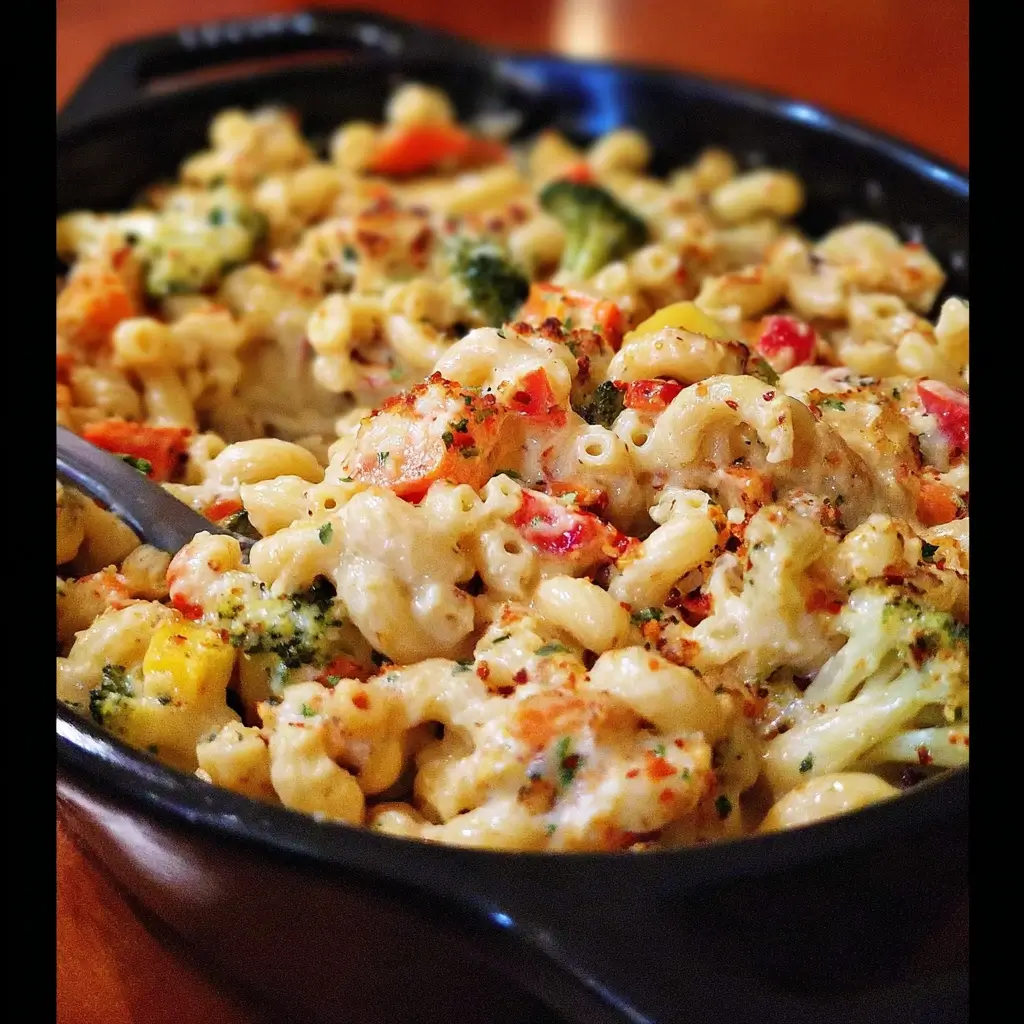
Of all the culinary experiments that have graced my kitchen over the years, few have received the thunderous, unanimous approval that this Spicy Roasted Vegetable Macaroni and Cheese did. For a long time, mac and cheese in our house was a simple, comforting affair—a dish for quiet weeknights or a kid-friendly potluck contribution. But I craved something more. I wanted the soul-soothing creaminess of the classic but elevated with a grown-up complexity, a kick of heat, and the wholesome goodness of vegetables. The first time I pulled this bubbling, golden-crusted casserole from the oven, the aroma alone was a declaration of victory. The sweet, caramelized scent of roasted peppers and onions mingled with the sharp, savory promise of aged cheddar and a whisper of smoky spice. My family, initially skeptical of “messing with a classic,” fell silent after the first bite. The silence was quickly replaced by a chorus of “Wow!” and “You have to make this again!” The tender pasta, bathed in a velvety, spicy cheese sauce, was perfectly complemented by the slightly charred, sweet-and-savory vegetables scattered throughout. It wasn’t just mac and cheese with vegetables; it was a symphony of textures and flavors, where every ingredient played a vital, delicious role. This dish has since become our go-to for everything from cozy family dinners to impressive holiday side dishes. It’s the ultimate comfort food, reimagined.
The Ultimate Spicy Roasted Vegetable Macaroni and Cheese
This recipe is designed to be a showstopper. It balances the richness of a classic three-cheese sauce with the deep, caramelized flavors of roasted vegetables and a customizable kick of spice that will awaken your taste buds.
Yields: 8-10 servings
Prep time: 30 minutes
Cook time: 45-50 minutes
Total time: 1 hour 15 minutes
Ingredients
For the Roasted Vegetables:
- 1 large head of broccoli, cut into small florets (about 4 cups)
- 1 red bell pepper, seeds removed and diced into 1-inch pieces
- 1 large yellow onion, diced into 1-inch pieces
- 2 fresh jalapeños, seeds removed and finely minced (use one for less heat)
- 4 cloves garlic, minced
- 2 tablespoons olive oil
- 1 teaspoon sea salt
- 1/2 teaspoon black pepper
For the Macaroni and Cheese Sauce:
- 1 lb (16 oz) elbow macaroni or cavatappi pasta
- 1/2 cup (1 stick) unsalted butter
- 1/2 cup all-purpose flour
- 1 teaspoon smoked paprika
- 1/2 teaspoon cayenne pepper (adjust to your spice preference)
- 1/4 teaspoon ground mustard powder
- 4 cups whole milk, warmed
- 1 cup heavy cream
- 4 cups (16 oz) sharp cheddar cheese, freshly grated
- 2 cups (8 oz) Gruyère cheese, freshly grated
- 1 cup (4 oz) Parmesan cheese, freshly grated, divided
- Salt and freshly ground black pepper to taste
For the Topping:
- 1 cup panko breadcrumbs
- 2 tablespoons unsalted butter, melted
- 1/2 cup of the reserved Parmesan cheese
Step-by-Step Instructions
Follow these detailed steps to create a flawless, bubbling, and incredibly delicious macaroni and cheese. We’ll break the process down into three main stages: roasting the vegetables, creating the cheese sauce, and assembling the final dish.
Part 1: Roasting the Vegetables
Roasting the vegetables is a critical first step. This process caramelizes their natural sugars, deepening their flavor and preventing the final dish from becoming watery.
- Preheat and Prep: Preheat your oven to 400°F (200°C). Line a large baking sheet with parchment paper for easy cleanup.
- Combine Vegetables: In a large bowl, combine the broccoli florets, diced red bell pepper, diced yellow onion, and minced jalapeños.
- Season: Drizzle the vegetables with olive oil, then add the minced garlic, 1 teaspoon of sea salt, and 1/2 teaspoon of black pepper. Toss everything together thoroughly until the vegetables are evenly coated.
- Roast: Spread the seasoned vegetables in a single, even layer on the prepared baking sheet. It’s important not to overcrowd the pan; use two sheets if necessary. Overcrowding will steam the vegetables instead of roasting them.
- Cook to Perfection: Roast for 20-25 minutes, or until the vegetables are tender and have developed some caramelized, slightly charred edges. Once done, remove them from the oven and set them aside. Keep the oven on.
Part 2: Cooking the Pasta and Making the Velvety Cheese Sauce
This is the heart of the recipe. A smooth, well-seasoned béchamel-based cheese sauce is the key to an unforgettable mac and cheese.
- Cook the Pasta: While the vegetables are roasting, bring a large pot of heavily salted water to a rolling boil. Add the macaroni and cook according to package directions, but be sure to cook it for 1-2 minutes less than the recommended time. You want it to be very al dente (firm to the bite). It will continue to cook in the oven. Drain the pasta well and set it aside.
- Start the Roux: In a large, heavy-bottomed pot or Dutch oven, melt the 1/2 cup of unsalted butter over medium heat. Once the butter is fully melted and bubbling slightly, whisk in the all-purpose flour.
- Cook the Roux: Continue whisking the flour and butter mixture constantly for about 2-3 minutes. This step is crucial for cooking out the raw flour taste and is the foundation of your béchamel sauce. The mixture should be smooth, bubbly, and smell slightly nutty.
- Incorporate Spices: Whisk the smoked paprika, cayenne pepper, and ground mustard powder into the roux. Cook for another 30 seconds until the spices are fragrant. This “blooms” the spices, intensifying their flavor.
- Add the Milk: Slowly—and this is very important—begin to pour the warmed milk into the roux, a little at a time, while whisking vigorously. Adding warm milk helps prevent lumps and creates a smoother sauce. Continue to gradually add the milk and then the heavy cream, whisking constantly until the sauce is completely smooth.
- Thicken the Sauce: Increase the heat slightly to medium-high and bring the sauce to a gentle simmer, stirring frequently to prevent it from scorching on the bottom. Let it simmer for 5-7 minutes, or until it has thickened enough to coat the back of a spoon.
- Melt the Cheeses: Remove the pot from the heat. This prevents the sauce from becoming grainy. Begin adding the grated sharp cheddar and Gruyère cheeses in handfuls, stirring continuously until each addition is fully melted and incorporated before adding the next. Stir in half of the Parmesan cheese (1/2 cup).
- Season: Once all the cheese is melted and the sauce is velvety smooth, taste it. Add salt and black pepper as needed. Remember that the pasta water was salted and the cheese is salty, so be judicious with your seasoning at first. The sauce should be robustly flavored.
Part 3: Assembling and Baking
Now it’s time to bring all the delicious components together for the final bake.
- Combine Components: To the pot with the cheese sauce, add the cooked and drained pasta and the roasted vegetables. Gently fold everything together until the pasta and vegetables are evenly coated in the glorious cheese sauce.
- Prepare the Casserole Dish: Transfer the macaroni and cheese mixture into a large 9×13-inch baking dish or a similar-sized casserole dish. Spread it into an even layer.
- Make the Topping: In a small bowl, combine the panko breadcrumbs, the melted butter, and the remaining 1/2 cup of Parmesan cheese. Mix with your fingers or a fork until the breadcrumbs are evenly moistened.
- Top the Casserole: Sprinkle the panko topping evenly over the surface of the macaroni and cheese.
- Bake to Golden Perfection: Place the dish in the preheated 400°F (200°C) oven. Bake for 15-20 minutes, or until the sauce is bubbly around the edges and the panko topping is golden brown and crispy.
- Rest Before Serving: This is a crucial final step! Remove the macaroni and cheese from the oven and let it rest on a wire rack for at least 10-15 minutes. This allows the sauce to set up and thicken slightly, ensuring it’s creamy rather than runny when you serve it.
Nutrition Facts
- Servings: 8-10
- Calories per serving (approximate): 750-850 kcal
Disclaimer: The nutritional information provided is an estimate and can vary based on the specific ingredients and brands used.
Preparation and Cooking Time Breakdown
- Active Prep Time: 30 minutes (chopping vegetables, grating cheese)
- Cooking Time: 45-50 minutes (roasting, boiling pasta, making sauce, baking)
- Total Time: Approximately 1 hour and 15 minutes, plus 10-15 minutes of resting time.
How to Serve This Masterpiece
This Spicy Roasted Vegetable Macaroni and Cheese is a versatile dish that can be served in numerous ways. Here are some of our favorite suggestions:
- As a Hearty Main Course: This dish is substantial enough to stand on its own as a complete meal. Serve generous portions in bowls for a comforting and satisfying dinner.
- With a Crisp Side Salad: Balance the richness of the mac and cheese with a simple green salad tossed in a tangy vinaigrette. The acidity of the dressing cuts through the creaminess beautifully.
- Paired with a Protein:
- Serve smaller portions as a side dish alongside grilled chicken breast.
- It’s a fantastic accompaniment to a perfectly cooked steak.
- For an extra kick, serve it with grilled spicy Italian sausage or andouille sausage.
- The Star of the Potluck: Bring this to your next gathering, and you’re guaranteed to go home with an empty dish. It travels well and is a universal crowd-pleaser.
- Garnished for Extra Flair: Elevate the presentation by garnishing individual servings with:
- A sprinkle of fresh chopped chives or parsley.
- A few extra slices of fresh or pickled jalapeño.
- A drizzle of high-quality chili oil for an extra layer of heat and flavor.
Additional Tips for Macaroni and Cheese Perfection
Even a straightforward recipe can be made better with a few professional tricks. Here are five tips to ensure your spicy vegetable mac and cheese is flawless every time.
- Grate Your Own Cheese: This is the single most important tip for a creamy, smooth cheese sauce. Pre-shredded cheeses are coated with anti-caking agents like potato starch or cellulose, which prevent the cheese from melting smoothly and can result in a grainy, clumpy sauce. Buying blocks of cheese and grating them yourself takes a few extra minutes but guarantees a superior, velvety texture.
- Don’t Overcook the Pasta: Remember that the pasta will continue to cook in the hot cheese sauce and again in the oven. Cooking it to a true al dente state (firm, with a slight bite in the center) is essential. If you fully cook the pasta initially, it will become soft and mushy by the time the dish is finished baking, compromising the overall texture.
- Use Warmed Milk: Adding cold milk to a hot roux can cause the flour mixture to seize up and form lumps. By gently warming your milk in a separate saucepan or in the microwave before adding it to the roux, you help maintain an even temperature, making it significantly easier to achieve a silky, lump-free béchamel sauce.
- Embrace the Roux: Don’t rush the process of making the roux (the butter and flour mixture). Cooking it for a full 2-3 minutes over medium heat is vital. This step cooks out the raw, pasty flavor of the flour and develops a subtle, nutty depth that forms the savory foundation of your entire sauce.
- Let It Rest After Baking: It’s tempting to dive right in as soon as the bubbling casserole comes out of the oven, but patience pays off. Allowing the macaroni and cheese to rest for 10-15 minutes before serving is crucial. This gives the molten cheese sauce time to cool slightly and set up, resulting in a creamier, more cohesive dish that holds its shape when served.
Frequently Asked Questions (FAQ)
Here are answers to some common questions about making this Spicy Roasted Vegetable Macaroni and Cheese.
1. Can I make this dish ahead of time?
Yes, absolutely! You can assemble the entire casserole (without the panko topping) up to 2 days in advance. Simply follow all the steps, transfer the mixture to your baking dish, let it cool completely, then cover it tightly with foil and refrigerate. When you’re ready to bake, let it sit at room temperature for about 30 minutes. Mix the panko topping, sprinkle it over the top, and bake as directed, adding an extra 10-15 minutes to the baking time to ensure it’s heated through.
2. Why did my cheese sauce turn out grainy or gritty?
A grainy sauce is usually caused by one of two things: the heat was too high when you added the cheese, or you used pre-shredded cheese. To avoid this, always remove the béchamel sauce from the direct heat before you start stirring in the cheese. The residual heat is more than enough to melt it smoothly. The high heat can cause the proteins in the cheese to curdle and separate, creating a gritty texture. Secondly, as mentioned in the tips, always grate your own cheese to avoid the anti-caking agents in packaged shreds.
3. What other vegetables would work well in this recipe?
This recipe is highly adaptable! Feel free to substitute or add other vegetables that roast well. Some excellent choices include:
- Cauliflower florets: They become wonderfully sweet and tender when roasted.
- Diced zucchini or yellow squash: Be sure to roast them well to remove excess moisture.
- Mushrooms: Cremini or button mushrooms, quartered, add a great earthy flavor.
- Asparagus: Cut into 2-inch pieces and roasted.
- Butternut squash: Cubed into small pieces for a sweet, autumnal twist.
4. Can I make this recipe less spicy or even spicier?
Definitely. The heat level is completely customizable.
- For a Milder Version: Use only one jalapeño and make sure to remove all seeds and membranes, as that’s where most of the heat resides. You can also reduce or omit the cayenne pepper entirely. Using a sweet paprika instead of smoked paprika will also create a milder flavor profile.
- For an Even Spicier Version: Keep some or all of the seeds in your jalapeños. You can also add a minced serrano or habanero pepper to the vegetable mix for a significant heat increase. Feel free to increase the amount of cayenne pepper in the sauce or add a teaspoon of your favorite hot sauce or chili-garlic paste.
5. I don’t have Gruyère cheese. What’s a good substitute?
Gruyère adds a wonderful nutty and slightly sweet complexity, but other cheeses can work well in its place. For a good substitute that still melts beautifully, consider using:
- Fontina: It’s creamy, nutty, and melts exceptionally well.
- Gouda: A young, smoked Gouda would be a delicious choice.
- White Cheddar: To maintain a strong cheesy flavor.
- Monterey Jack or Pepper Jack: For a milder, creamier melt or an extra kick of spice.

Spicy Roasted Vegetable Macaroni and Cheese Recipe
Ingredients
For the Roasted Vegetables:
- 1 large head of broccoli, cut into small florets (about 4 cups)
- 1 red bell pepper, seeds removed and diced into 1-inch pieces
- 1 large yellow onion, diced into 1-inch pieces
- 2 fresh jalapeños, seeds removed and finely minced (use one for less heat)
- 4 cloves garlic, minced
- 2 tablespoons olive oil
- 1 teaspoon sea salt
- 1/2 teaspoon black pepper
For the Macaroni and Cheese Sauce:
- 1 lb (16 oz) elbow macaroni or cavatappi pasta
- 1/2 cup (1 stick) unsalted butter
- 1/2 cup all-purpose flour
- 1 teaspoon smoked paprika
- 1/2 teaspoon cayenne pepper (adjust to your spice preference)
- 1/4 teaspoon ground mustard powder
- 4 cups whole milk, warmed
- 1 cup heavy cream
- 4 cups (16 oz) sharp cheddar cheese, freshly grated
- 2 cups (8 oz) Gruyère cheese, freshly grated
- 1 cup (4 oz) Parmesan cheese, freshly grated, divided
- Salt and freshly ground black pepper to taste
For the Topping:
- 1 cup panko breadcrumbs
- 2 tablespoons unsalted butter, melted
- 1/2 cup of the reserved Parmesan cheese
Instructions
Part 1: Roasting the Vegetables
Roasting the vegetables is a critical first step. This process caramelizes their natural sugars, deepening their flavor and preventing the final dish from becoming watery.
- Preheat and Prep: Preheat your oven to 400°F (200°C). Line a large baking sheet with parchment paper for easy cleanup.
- Combine Vegetables: In a large bowl, combine the broccoli florets, diced red bell pepper, diced yellow onion, and minced jalapeños.
- Season: Drizzle the vegetables with olive oil, then add the minced garlic, 1 teaspoon of sea salt, and 1/2 teaspoon of black pepper. Toss everything together thoroughly until the vegetables are evenly coated.
- Roast: Spread the seasoned vegetables in a single, even layer on the prepared baking sheet. It’s important not to overcrowd the pan; use two sheets if necessary. Overcrowding will steam the vegetables instead of roasting them.
- Cook to Perfection: Roast for 20-25 minutes, or until the vegetables are tender and have developed some caramelized, slightly charred edges. Once done, remove them from the oven and set them aside. Keep the oven on.
Part 2: Cooking the Pasta and Making the Velvety Cheese Sauce
This is the heart of the recipe. A smooth, well-seasoned béchamel-based cheese sauce is the key to an unforgettable mac and cheese.
- Cook the Pasta: While the vegetables are roasting, bring a large pot of heavily salted water to a rolling boil. Add the macaroni and cook according to package directions, but be sure to cook it for 1-2 minutes less than the recommended time. You want it to be very al dente (firm to the bite). It will continue to cook in the oven. Drain the pasta well and set it aside.
- Start the Roux: In a large, heavy-bottomed pot or Dutch oven, melt the 1/2 cup of unsalted butter over medium heat. Once the butter is fully melted and bubbling slightly, whisk in the all-purpose flour.
- Cook the Roux: Continue whisking the flour and butter mixture constantly for about 2-3 minutes. This step is crucial for cooking out the raw flour taste and is the foundation of your béchamel sauce. The mixture should be smooth, bubbly, and smell slightly nutty.
- Incorporate Spices: Whisk the smoked paprika, cayenne pepper, and ground mustard powder into the roux. Cook for another 30 seconds until the spices are fragrant. This “blooms” the spices, intensifying their flavor.
- Add the Milk: Slowly—and this is very important—begin to pour the warmed milk into the roux, a little at a time, while whisking vigorously. Adding warm milk helps prevent lumps and creates a smoother sauce. Continue to gradually add the milk and then the heavy cream, whisking constantly until the sauce is completely smooth.
- Thicken the Sauce: Increase the heat slightly to medium-high and bring the sauce to a gentle simmer, stirring frequently to prevent it from scorching on the bottom. Let it simmer for 5-7 minutes, or until it has thickened enough to coat the back of a spoon.
- Melt the Cheeses: Remove the pot from the heat. This prevents the sauce from becoming grainy. Begin adding the grated sharp cheddar and Gruyère cheeses in handfuls, stirring continuously until each addition is fully melted and incorporated before adding the next. Stir in half of the Parmesan cheese (1/2 cup).
- Season: Once all the cheese is melted and the sauce is velvety smooth, taste it. Add salt and black pepper as needed. Remember that the pasta water was salted and the cheese is salty, so be judicious with your seasoning at first. The sauce should be robustly flavored.
Part 3: Assembling and Baking
Now it’s time to bring all the delicious components together for the final bake.
- Combine Components: To the pot with the cheese sauce, add the cooked and drained pasta and the roasted vegetables. Gently fold everything together until the pasta and vegetables are evenly coated in the glorious cheese sauce.
- Prepare the Casserole Dish: Transfer the macaroni and cheese mixture into a large 9×13-inch baking dish or a similar-sized casserole dish. Spread it into an even layer.
- Make the Topping: In a small bowl, combine the panko breadcrumbs, the melted butter, and the remaining 1/2 cup of Parmesan cheese. Mix with your fingers or a fork until the breadcrumbs are evenly moistened.
- Top the Casserole: Sprinkle the panko topping evenly over the surface of the macaroni and cheese.
- Bake to Golden Perfection: Place the dish in the preheated 400°F (200°C) oven. Bake for 15-20 minutes, or until the sauce is bubbly around the edges and the panko topping is golden brown and crispy.
- Rest Before Serving: This is a crucial final step! Remove the macaroni and cheese from the oven and let it rest on a wire rack for at least 10-15 minutes. This allows the sauce to set up and thicken slightly, ensuring it’s creamy rather than runny when you serve it.
Nutrition
- Serving Size: One Normal Portion
- Calories: 750-850