
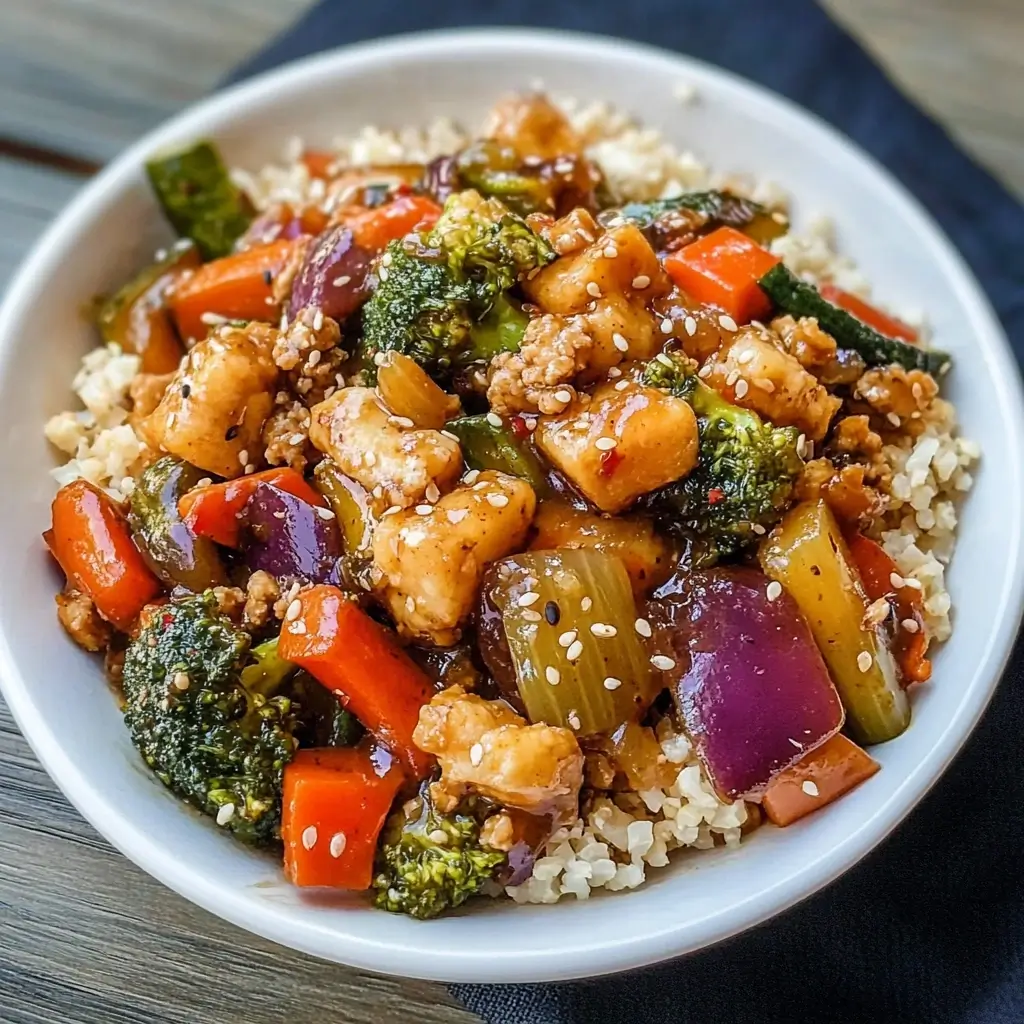
I still remember the first time I truly nailed a slow cooker stir fry. For years, I associated stir-fries with rapid, high-heat cooking in a wok, a flurry of activity that, while exciting, wasn’t always practical for a busy weeknight. The idea of a “slow” stir fry seemed almost counterintuitive. But then, a particularly hectic week hit. Juggling work deadlines, kids’ school events, and the general chaos of life, I craved a healthy, flavorful meal that wouldn’t chain me to the stove. That’s when I decided to experiment with this Slow Cooker Stir Fry Vegetables & Cauliflower Rice. My expectations were modest, but the result? Absolutely phenomenal. The vegetables were surprisingly tender-crisp, not the mushy mess I half-feared, and the sauce had melded beautifully, coating every piece in a savory, umami-rich glaze. Served over fluffy cauliflower rice, it was a revelation. My family, usually a tough crowd for veggie-heavy meals, devoured it. My eldest even asked for seconds, a rare compliment! It’s since become a staple in our home, a testament to how easy, healthy, and utterly delicious convenient cooking can be. This recipe isn’t just about saving time; it’s about creating a vibrant, nourishing meal that genuinely satisfies, proving that even on the busiest days, a wholesome, home-cooked dinner is within reach.
Complete Recipe: Slow Cooker Stir Fry Vegetables & Cauliflower Rice
This recipe focuses on using the slow cooker to tenderize heartier vegetables and meld flavors, with quicker-cooking veggies and the sauce thickener added towards the end to maintain texture and freshness.
Yields: 4-6 servings
Prep time: 25-30 minutes
Cook time: 2-3 hours on HIGH or 4-5 hours on LOW
Ingredients
For the Stir Fry Vegetables:
- Firm Vegetables (add at the beginning):
- 1 large head of broccoli, cut into medium florets (about 4 cups)
- 2 large carrots, peeled and sliced diagonally into ¼-inch thick pieces (about 1.5 cups)
- 1 red bell pepper, cored, seeded, and sliced into strips
- 1 yellow or orange bell pepper, cored, seeded, and sliced into strips
- 1 medium yellow onion, cut into wedges or thick slices
- 8 oz cremini or white button mushrooms, cleaned and halved or quartered if large
- Optional Protein (add at the beginning if using plant-based, or cooked at the end if animal-based):
- 1 (14-16 oz) block extra-firm tofu, pressed and cubed (if using)
- OR 1.5 cups cooked edamame, shelled (add with tender vegetables)
- OR 1 lb boneless, skinless chicken breast or thighs, cut into 1-inch pieces (brown lightly before adding, or add raw and ensure it’s cooked through)
- OR 1 lb shrimp, peeled and deveined (add during the last 20-30 minutes of cooking)
- Tender Vegetables (add during the last 30-45 minutes):
- 1 cup snap peas or snow peas, trimmed
- 1 (8 oz) can water chestnuts, drained and sliced (optional)
- 1 (8 oz) can bamboo shoots, drained and sliced (optional)
- 2 cups baby spinach or chopped bok choy (optional, wilts quickly)
For the Stir Fry Sauce:
- ½ cup low-sodium soy sauce (or tamari for gluten-free, or coconut aminos for soy-free)
- ¼ cup water or vegetable broth
- 3 tablespoons rice vinegar
- 2 tablespoons honey or maple syrup (adjust to taste)
- 1 tablespoon toasted sesame oil
- 3-4 cloves garlic, minced (about 1.5 tablespoons)
- 1 tablespoon fresh ginger, grated or minced
- ½ teaspoon red pepper flakes (optional, for heat)
- 2 tablespoons cornstarch (or arrowroot starch) mixed with 3 tablespoons cold water (for slurry, to be added at the end)
For the Cauliflower Rice:
- 1 large head of cauliflower (about 2-2.5 lbs), cut into florets
- OR 4-5 cups pre-riced cauliflower (fresh or frozen)
- 1 tablespoon olive oil or avocado oil
- Salt and freshly ground black pepper to taste
- Optional: 1-2 cloves garlic, minced; 1 tablespoon soy sauce or coconut aminos for flavoring
For Garnish (Optional):
- 2 tablespoons sesame seeds, toasted
- 2-3 green onions, thinly sliced
Instructions
Step 1: Prepare the Sauce
In a medium bowl, whisk together all the stir fry sauce ingredients except for the cornstarch slurry (soy sauce, water/broth, rice vinegar, honey/maple syrup, sesame oil, minced garlic, grated ginger, and red pepper flakes if using). Set aside. This step allows the flavors to meld while you prepare the other components.
Step 2: Prepare and Layer Firm Vegetables (and Tofu/Chicken if using)
Wash and chop all your firm vegetables (broccoli, carrots, bell peppers, onion, mushrooms). If using tofu, ensure it’s pressed to remove excess water and then cubed. If using raw chicken, cut it into bite-sized pieces.
Place the prepared firm vegetables (and tofu/raw chicken, if using) into the basin of your slow cooker. Try to layer them somewhat evenly.
Step 3: Add Sauce and Cook
Pour about two-thirds of the prepared stir fry sauce over the vegetables (and protein, if added) in the slow cooker. Reserve the remaining one-third of the sauce to be added later with the cornstarch slurry.
Gently toss the vegetables to ensure they are lightly coated with the sauce.
Cover the slow cooker and cook on LOW for 3-4 hours or on HIGH for 1.5-2 hours. The goal is for the vegetables to be tender-crisp, not mushy. Cooking times can vary depending on your slow cooker model and the size of your vegetable pieces. Start checking for tenderness earlier rather than later.
Step 4: Prepare Tender Vegetables
While the firm vegetables are cooking, wash and prepare your tender vegetables (snap peas, snow peas, water chestnuts, bamboo shoots, spinach/bok choy). If using cooked edamame, have it ready.
Step 5: Add Tender Vegetables and Thicken Sauce
About 30-45 minutes before the end of the cooking time (or when firm vegetables are almost tender-crisp):
Add the prepared tender vegetables (and cooked edamame or shrimp, if using) to the slow cooker. Gently stir them in.
In a small bowl, whisk the cornstarch with the cold water until smooth to create a slurry. Add this slurry to the reserved one-third of the stir fry sauce and whisk well.
Pour this sauce-slurry mixture into the slow cooker. Stir gently to combine everything.
Cover and continue to cook on HIGH for another 30-45 minutes, or until the tender vegetables are bright green and tender-crisp, and the sauce has thickened. If using shrimp, it should be pink and opaque. If using spinach or bok choy, it will wilt down considerably.
Step 6: Prepare the Cauliflower Rice (while sauce thickens)
While the stir fry finishes cooking and thickening, prepare the cauliflower rice.
- If making from a whole head: Roughly chop the cauliflower florets. Work in batches, pulse the florets in a food processor until they resemble coarse grains of rice. Be careful not to over-process, or it will become mushy. Alternatively, you can use the coarse side of a box grater.
- Cooking the Cauliflower Rice: Heat 1 tablespoon of olive oil or avocado oil in a large skillet or wok over medium-high heat. Add the riced cauliflower (and optional minced garlic). Stir-fry for 5-7 minutes, or until it’s tender and slightly toasted. Avoid overcrowding the pan; cook in batches if necessary. Season with salt, pepper, and optional soy sauce/coconut aminos during the last minute of cooking. If using frozen riced cauliflower, you can often microwave it according to package directions or stir-fry it directly from frozen (it may take a bit longer and release more water).
Step 7: Serve
Once the vegetables are perfectly cooked and the sauce has thickened to your liking, turn off the slow cooker.
Taste the stir fry and adjust seasonings if necessary (more soy sauce for saltiness, a touch more honey/maple for sweetness, or a dash of sriracha for extra heat).
Serve the slow cooker stir fry vegetables generously over a bed of the freshly prepared cauliflower rice.
Garnish with toasted sesame seeds and sliced green onions, if desired.
Nutrition Facts
- Servings: 4-6
- Calories per serving (approximate): 250-350 calories (This is a broad estimate and will vary significantly based on whether protein is added, the exact types and quantities of vegetables used, and the amount of oil/sweetener. This estimate assumes a vegetable-heavy version without added high-calorie protein like chicken and minimal oil for cauliflower rice).
Note: This nutritional information is an estimate. For precise values, consider using a nutritional calculator with your specific ingredients and quantities.
Preparation Time
- Active Preparation Time: 25-30 minutes (chopping vegetables, making sauce, preparing cauliflower rice).
- Slow Cooker Time: 2-3 hours on HIGH or 4-5 hours on LOW (this includes the final 30-45 minutes after adding tender veggies and thickener).
- Total Time: Approximately 2.5 – 5.5 hours, depending on the slow cooker setting and active prep.
How to Serve
This Slow Cooker Stir Fry is wonderfully versatile. Here are some serving suggestions to make it a complete and appealing meal:
- Classic Bowl:
- Serve a generous portion of the stir fry vegetables and sauce over a fluffy bed of cauliflower rice in individual bowls. This is the quintessential way to enjoy it.
- Garnish Generously:
- Toasted Sesame Seeds: Adds a nutty crunch and visual appeal.
- Sliced Green Onions (Scallions): Provides a fresh, mild oniony bite and a pop of green.
- Fresh Cilantro Leaves: If you enjoy cilantro, its bright, herbaceous notes complement the stir fry flavors beautifully.
- A Wedge of Lime: A squeeze of fresh lime juice can brighten all the flavors just before serving.
- Add a Spicy Kick:
- Offer a bottle of Sriracha or your favorite chili garlic sauce on the side for those who like extra heat.
- A small dish of red pepper flakes also allows for customized spiciness.
- Protein Boost (if not already included):
- If you cooked protein separately (like pan-seared chicken, shrimp, or baked tofu), slice or arrange it on top of the vegetables.
- A fried or poached egg on top can also add richness and protein.
- With Other Low-Carb Sides (if desired):
- While the cauliflower rice makes it a complete meal, you could serve it alongside a simple Asian-inspired cucumber salad for extra freshness.
- Meal Prep Perfection:
- Portion the stir fry and cauliflower rice into individual meal prep containers. Store the sauce separately if you prefer to add it just before reheating to maintain vegetable crispness, though it generally holds up well.
- Lettuce Wraps (Low-Carb Alternative to Rice):
- For an even lower-carb option or a fun appetizer style, serve the stir fry mixture in crisp lettuce cups (like butter lettuce or romaine hearts) instead of or alongside cauliflower rice.
- Family Style Platter:
- Arrange the cauliflower rice on a large platter and top with the colorful stir fry vegetables. Place garnishes in small bowls around it for everyone to customize their own serving. This makes for a beautiful presentation.
Additional Tips (5 Tips)
- Mastering Vegetable Texture in the Slow Cooker:
The biggest challenge with slow cooker stir-fries is preventing mushy vegetables. The key is twofold: strategic ingredient addition and knowing your slow cooker.- Cut Matters: Cut heartier vegetables like carrots and dense broccoli stems into slightly larger, uniform pieces than you would for a traditional stir-fry. This helps them withstand the longer cooking time.
- Stagger Your Additions: As outlined in the recipe, add firm vegetables (carrots, broccoli florets, bell peppers, onions, mushrooms) at the beginning. Delicate, quick-cooking vegetables like snap peas, snow peas, bok choy, or spinach should only be added in the last 30-45 minutes of cooking. This ensures they retain their color, crunch, and nutrients.
- Don’t Overcrowd: While you want a good amount, an overly packed slow cooker can steam vegetables more than “stir-frying” them, leading to sogginess. Ensure there’s some room for heat to circulate.
- Know Thine Slow Cooker: Some slow cookers run hotter than others. The first time you make this, check the vegetables earlier than the recipe states. You’re looking for tender-crisp, not falling apart. Adjust future cooking times based on your specific appliance.
- Maximizing Sauce Flavor & Consistency:
A great stir fry sauce is the heart of the dish.- Fresh is Best (for aromatics): Using fresh garlic and ginger will always yield a more vibrant and potent flavor than dried powders. A microplane or fine grater makes quick work of ginger.
- Taste and Adjust Before Thickening: Sample the sauce mixture before you create the cornstarch slurry. This is your chance to adjust the core flavors – more soy for saltiness/umami, more honey/maple for sweetness, more rice vinegar for tang, or more red pepper flakes for heat.
- Proper Slurry Technique: Always mix cornstarch (or arrowroot) with cold water before adding it to hot liquids. Adding starch directly to hot sauce will create lumps. Ensure the slurry is smooth and fully incorporated into the sauce.
- Simmer to Thicken: The sauce needs to come to a gentle simmer after the slurry is added for the cornstarch to activate and thicken properly. This is why it’s added with the tender vegetables on HIGH for the last 30-45 minutes. If it’s not thick enough, you can make a tiny bit more slurry and add it, letting it cook for another 10-15 minutes.
- Perfecting Your Cauliflower Rice:
Cauliflower rice is a fantastic low-carb, grain-free alternative, but it can be bland or watery if not prepared correctly.- Don’t Over-Process: Whether using a food processor or box grater, aim for rice-sized grains. Over-processing creates a wet, mushy paste. It’s better to have a few slightly larger pieces than a puree.
- Squeeze Out Excess Moisture (especially if grating): If you grate cauliflower, it can release moisture. You can gently squeeze the riced cauliflower in a clean kitchen towel or paper towels before cooking to remove some of this, leading to a fluffier result.
- Hot Pan, Don’t Crowd: Use a large skillet over medium-high heat. If you overcrowd the pan, the cauliflower will steam instead of “frying” and getting slightly toasted. Cook in batches if necessary.
- Flavor Boosters: Sautéing with a little minced garlic, onion powder, or even a splash of soy sauce or coconut aminos towards the end of cooking can elevate its flavor significantly. A dash of turmeric can add color and anti-inflammatory benefits.
- Frozen Option: Frozen riced cauliflower is convenient. You can cook it from frozen in a skillet. It might release more water, so cook until the water evaporates and it starts to get tender.
- Smart Protein Integration:
Adding protein makes this a more complete and satiating meal.- Tofu: Use extra-firm or super-firm tofu. Press it well to remove excess water – this helps it absorb flavor and achieve a better texture. You can add it cubed directly with the firm vegetables. For a crispier texture, pan-fry or bake the tofu cubes separately and stir them in at the end.
- Chicken/Pork: Cut into bite-sized pieces. You can lightly brown it in a skillet before adding it to the slow cooker with the firm vegetables to develop more flavor, or add it raw. Ensure it’s cooked through (internal temperature of 165°F/74°C).
- Shrimp/Fish: These cook very quickly. Add raw, peeled, and deveined shrimp or bite-sized firm fish pieces (like cod or tilapia) during the last 20-30 minutes of cooking, along with the tender vegetables. They are done when the shrimp is pink and opaque, and fish flakes easily.
- Edamame/Chickpeas: Cooked, shelled edamame or canned (rinsed and drained) chickpeas can be added with the tender vegetables for a plant-based protein boost.
- Meal Prep and Storage Strategies:
This recipe is excellent for meal prepping.- Cool Completely: Before storing, allow the stir fry and cauliflower rice to cool completely to room temperature. This prevents condensation in the containers, which can make things soggy.
- Separate or Together?: You can store the stir fry mixture and cauliflower rice in the same container if eating within 1-2 days. For longer storage (up to 4 days in the fridge), or if you prefer crisper cauliflower rice, store them in separate containers.
- Reheating: Reheat gently in the microwave or on the stovetop. If reheating on the stovetop, you might need to add a tablespoon or two of water or broth to the stir fry to loosen the sauce. Cauliflower rice can also be quickly refreshed in a dry skillet.
- Freezing: The vegetable stir fry (without delicate greens like spinach) can be frozen for up to 2-3 months. The texture of some vegetables might change slightly upon thawing (becoming softer). Cauliflower rice also freezes well. Thaw in the refrigerator overnight before reheating. You might want to stir-fry the thawed cauliflower rice briefly to remove any excess moisture.
FAQ Section (5 Q/A)
Q1: Can I use frozen vegetables for this slow cooker stir fry?
A1: Yes, you absolutely can use frozen vegetables, which can be a great time-saver! However, there are a few considerations. Frozen vegetables tend to release more water during cooking and can become soft more quickly than fresh ones.
* For heartier frozen vegetables (like broccoli florets, carrot slices, or mixed stir-fry blends that include these): You can add them directly to the slow cooker, but you might want to reduce the initial cooking time slightly or add them a bit later than fresh firm vegetables. For instance, if the recipe calls for 3-4 hours on LOW for fresh firm veggies, you might add frozen ones after 1-2 hours.
* For more delicate frozen vegetables (like peas or corn): Add these during the last 30-45 minutes, similar to fresh tender vegetables.
* No need to thaw: Add them directly from frozen. Thawing can make them mushier.
* Sauce Consistency: Because frozen vegetables release more water, your sauce might be a bit thinner. You might need to use a slightly larger cornstarch slurry or let the sauce simmer uncovered (if your slow cooker lid allows, or by transferring to a pot) for a few minutes at the end to thicken up.
Q2: My vegetables always turn out mushy in the slow cooker. How can I keep them tender-crisp for this stir fry?
A2: This is a common concern with slow cooking vegetables! Here’s a multi-pronged approach:
* Choose the Right Veggies: Start with firmer vegetables that can withstand some cooking time like broccoli, carrots, bell peppers, and onions.
* Cut Larger: Cut your vegetables into larger, more uniform pieces than you would for a quick stovetop stir-fry. This gives them more resilience.
* Staggered Cooking (Crucial!): This is the most important tip, as highlighted in the recipe. Add dense, firm vegetables first. Quick-cooking, delicate vegetables (snap peas, snow peas, spinach, bok choy) should only go in for the last 30-45 minutes. This prevents them from overcooking.
* Don’t Overcook: Slow cookers vary. Start checking your vegetables for doneness earlier than the maximum time suggested, especially if your slow cooker tends to run hot. You’re aiming for tender-crisp – cooked through but still with a slight bite.
* Avoid Overfilling: An overpacked slow cooker traps more steam, which can lead to softer vegetables. Ensure there’s a bit of space.
* Consider the “Low” Setting: While HIGH is faster, the LOW setting cooks more gently and can sometimes give you more control over vegetable texture, especially if you’re busy and can’t check frequently.
Q3: How can I make this recipe spicier or adjust the sauce to my liking?
A3: This recipe is wonderfully adaptable to your taste preferences!
* For More Heat:
* Red Pepper Flakes: Increase the amount in the sauce or sprinkle extra on top before serving.
* Sriracha or Chili Garlic Sauce: Whisk a teaspoon (or more to taste) directly into the sauce. You can also serve it on the side.
* Fresh Chilies: Add thinly sliced jalapeño, serrano, or a Thai chili (seeds removed for less heat, included for more) to the slow cooker along with the firm vegetables.
* Cayenne Pepper: A pinch of cayenne pepper in the sauce will add a clean heat.
* For a Sweeter Sauce: Increase the honey or maple syrup by a teaspoon or two. Brown sugar can also be used.
* For More Umami/Savory Depth: A teaspoon of miso paste (whisked into a little warm water before adding to the sauce), a dash of fish sauce (if not strictly vegan/vegetarian), or a bit more soy sauce/tamari can enhance savory notes. Mushroom powder or a splash of Worcestershire sauce (check for vegan versions if needed) can also work.
* For Tanginess: Add a little extra rice vinegar or a squeeze of fresh lime juice at the end.
* Gluten-Free/Soy-Free: Use tamari or coconut aminos instead of soy sauce for gluten-free. For soy-free, coconut aminos is the primary choice.
* Always taste the sauce components before adding the cornstarch slurry and adjust as needed.
Q4: What other proteins work well in this slow cooker stir fry besides tofu or chicken?
A4: Many proteins can be successfully incorporated!
* Pork: Boneless pork loin or shoulder, cut into 1-inch cubes, works well. Brown it first for better flavor and add it with the firm vegetables.
* Beef: Use stewing beef or flank/sirloin steak cut into thin strips against the grain. For tender beef, you might want to brown it and let it cook for a longer portion of the slow cooking time. Flank/sirloin strips can be added towards the end, similar to shrimp, if you prefer them less well-done.
* Shrimp: As mentioned, add peeled and deveined shrimp during the last 20-30 minutes of cooking until pink and opaque.
* Tempeh: Crumble or cube tempeh and add it with the firm vegetables. It holds its shape well and absorbs flavors beautifully. You can pan-fry it first for a crispier texture.
* Edamame (Shelled): A great plant-based option. Add cooked, shelled edamame with the tender vegetables.
* Chickpeas or Other Beans: Canned (rinsed and drained) chickpeas, cannellini beans, or kidney beans can be added with the tender vegetables for a hearty, fibrous protein source.
* Scallops: Add large sea scallops during the last 15-20 minutes of cooking. They cook very quickly.
Q5: Is this recipe inherently gluten-free and vegan? What adjustments are needed?
A5: This recipe can easily be made both gluten-free and vegan with careful ingredient selection.
* For Gluten-Free:
* Soy Sauce: The primary concern is soy sauce. Standard soy sauce contains wheat. To make it gluten-free, you must use Tamari (which is traditionally made without wheat, but always check labels) or Coconut Aminos (a soy-free and gluten-free alternative with a similar umami flavor, though slightly sweeter).
* Other Ingredients: Double-check labels on any pre-made broths or less common sauce ingredients you might add, but generally, vegetables, rice vinegar, sesame oil, honey/maple syrup, ginger, garlic, and cornstarch are naturally gluten-free.
* For Vegan:
* Sweetener: If using honey, replace it with maple syrup, agave nectar, or brown sugar to make the recipe vegan.
* Protein: Opt for plant-based proteins like tofu, tempeh, edamame, or chickpeas as detailed above. Avoid chicken, shrimp, beef, pork, or fish sauce.
* Broth: If using vegetable broth instead of water in the sauce, ensure it’s a vegan-certified brand (some broths can have hidden animal-derived flavorings, though rare for vegetable broth).
* By choosing tamari/coconut aminos for the soy sauce component and maple syrup/agave for the sweetener, and sticking to plant-based proteins, this Slow Cooker Stir Fry becomes a delicious gluten-free and vegan meal that everyone can enjoy. Always read ingredient labels if you have severe allergies or sensitivities.
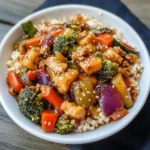
Slow Cooker Stir Fry Vegetables & Cauliflower Rice Recipe
Ingredients
For the Stir Fry Vegetables:
- Firm Vegetables (add at the beginning):
- 1 large head of broccoli, cut into medium florets (about 4 cups)
- 2 large carrots, peeled and sliced diagonally into ¼-inch thick pieces (about 1.5 cups)
- 1 red bell pepper, cored, seeded, and sliced into strips
- 1 yellow or orange bell pepper, cored, seeded, and sliced into strips
- 1 medium yellow onion, cut into wedges or thick slices
- 8 oz cremini or white button mushrooms, cleaned and halved or quartered if large
- Optional Protein (add at the beginning if using plant-based, or cooked at the end if animal-based):
- 1 (14-16 oz) block extra-firm tofu, pressed and cubed (if using)
- OR 1.5 cups cooked edamame, shelled (add with tender vegetables)
- OR 1 lb boneless, skinless chicken breast or thighs, cut into 1-inch pieces (brown lightly before adding, or add raw and ensure it’s cooked through)
- OR 1 lb shrimp, peeled and deveined (add during the last 20–30 minutes of cooking)
- Tender Vegetables (add during the last 30-45 minutes):
- 1 cup snap peas or snow peas, trimmed
- 1 (8 oz) can water chestnuts, drained and sliced (optional)
- 1 (8 oz) can bamboo shoots, drained and sliced (optional)
- 2 cups baby spinach or chopped bok choy (optional, wilts quickly)
For the Stir Fry Sauce:
- ½ cup low-sodium soy sauce (or tamari for gluten-free, or coconut aminos for soy-free)
- ¼ cup water or vegetable broth
- 3 tablespoons rice vinegar
- 2 tablespoons honey or maple syrup (adjust to taste)
- 1 tablespoon toasted sesame oil
- 3–4 cloves garlic, minced (about 1.5 tablespoons)
- 1 tablespoon fresh ginger, grated or minced
- ½ teaspoon red pepper flakes (optional, for heat)
- 2 tablespoons cornstarch (or arrowroot starch) mixed with 3 tablespoons cold water (for slurry, to be added at the end)
For the Cauliflower Rice:
- 1 large head of cauliflower (about 2-2.5 lbs), cut into florets
- OR 4–5 cups pre-riced cauliflower (fresh or frozen)
- 1 tablespoon olive oil or avocado oil
- Salt and freshly ground black pepper to taste
- Optional: 1-2 cloves garlic, minced; 1 tablespoon soy sauce or coconut aminos for flavoring
For Garnish (Optional):
- 2 tablespoons sesame seeds, toasted
- 2–3 green onions, thinly sliced
Instructions
Step 1: Prepare the Sauce
In a medium bowl, whisk together all the stir fry sauce ingredients except for the cornstarch slurry (soy sauce, water/broth, rice vinegar, honey/maple syrup, sesame oil, minced garlic, grated ginger, and red pepper flakes if using). Set aside. This step allows the flavors to meld while you prepare the other components.
Step 2: Prepare and Layer Firm Vegetables (and Tofu/Chicken if using)
Wash and chop all your firm vegetables (broccoli, carrots, bell peppers, onion, mushrooms). If using tofu, ensure it’s pressed to remove excess water and then cubed. If using raw chicken, cut it into bite-sized pieces.
Place the prepared firm vegetables (and tofu/raw chicken, if using) into the basin of your slow cooker. Try to layer them somewhat evenly.
Step 3: Add Sauce and Cook
Pour about two-thirds of the prepared stir fry sauce over the vegetables (and protein, if added) in the slow cooker. Reserve the remaining one-third of the sauce to be added later with the cornstarch slurry.
Gently toss the vegetables to ensure they are lightly coated with the sauce.
Cover the slow cooker and cook on LOW for 3-4 hours or on HIGH for 1.5-2 hours. The goal is for the vegetables to be tender-crisp, not mushy. Cooking times can vary depending on your slow cooker model and the size of your vegetable pieces. Start checking for tenderness earlier rather than later.
Step 4: Prepare Tender Vegetables
While the firm vegetables are cooking, wash and prepare your tender vegetables (snap peas, snow peas, water chestnuts, bamboo shoots, spinach/bok choy). If using cooked edamame, have it ready.
Step 5: Add Tender Vegetables and Thicken Sauce
About 30-45 minutes before the end of the cooking time (or when firm vegetables are almost tender-crisp):
Add the prepared tender vegetables (and cooked edamame or shrimp, if using) to the slow cooker. Gently stir them in.
In a small bowl, whisk the cornstarch with the cold water until smooth to create a slurry. Add this slurry to the reserved one-third of the stir fry sauce and whisk well.
Pour this sauce-slurry mixture into the slow cooker. Stir gently to combine everything.
Cover and continue to cook on HIGH for another 30-45 minutes, or until the tender vegetables are bright green and tender-crisp, and the sauce has thickened. If using shrimp, it should be pink and opaque. If using spinach or bok choy, it will wilt down considerably.
Step 6: Prepare the Cauliflower Rice (while sauce thickens)
While the stir fry finishes cooking and thickening, prepare the cauliflower rice.
- If making from a whole head: Roughly chop the cauliflower florets. Work in batches, pulse the florets in a food processor until they resemble coarse grains of rice. Be careful not to over-process, or it will become mushy. Alternatively, you can use the coarse side of a box grater.
- Cooking the Cauliflower Rice: Heat 1 tablespoon of olive oil or avocado oil in a large skillet or wok over medium-high heat. Add the riced cauliflower (and optional minced garlic). Stir-fry for 5-7 minutes, or until it’s tender and slightly toasted. Avoid overcrowding the pan; cook in batches if necessary. Season with salt, pepper, and optional soy sauce/coconut aminos during the last minute of cooking. If using frozen riced cauliflower, you can often microwave it according to package directions or stir-fry it directly from frozen (it may take a bit longer and release more water).
Step 7: Serve
Once the vegetables are perfectly cooked and the sauce has thickened to your liking, turn off the slow cooker.
Taste the stir fry and adjust seasonings if necessary (more soy sauce for saltiness, a touch more honey/maple for sweetness, or a dash of sriracha for extra heat).
Serve the slow cooker stir fry vegetables generously over a bed of the freshly prepared cauliflower rice.
Garnish with toasted sesame seeds and sliced green onions, if desired.
Nutrition
- Serving Size: One Normal Portion
- Calories: 250-350