
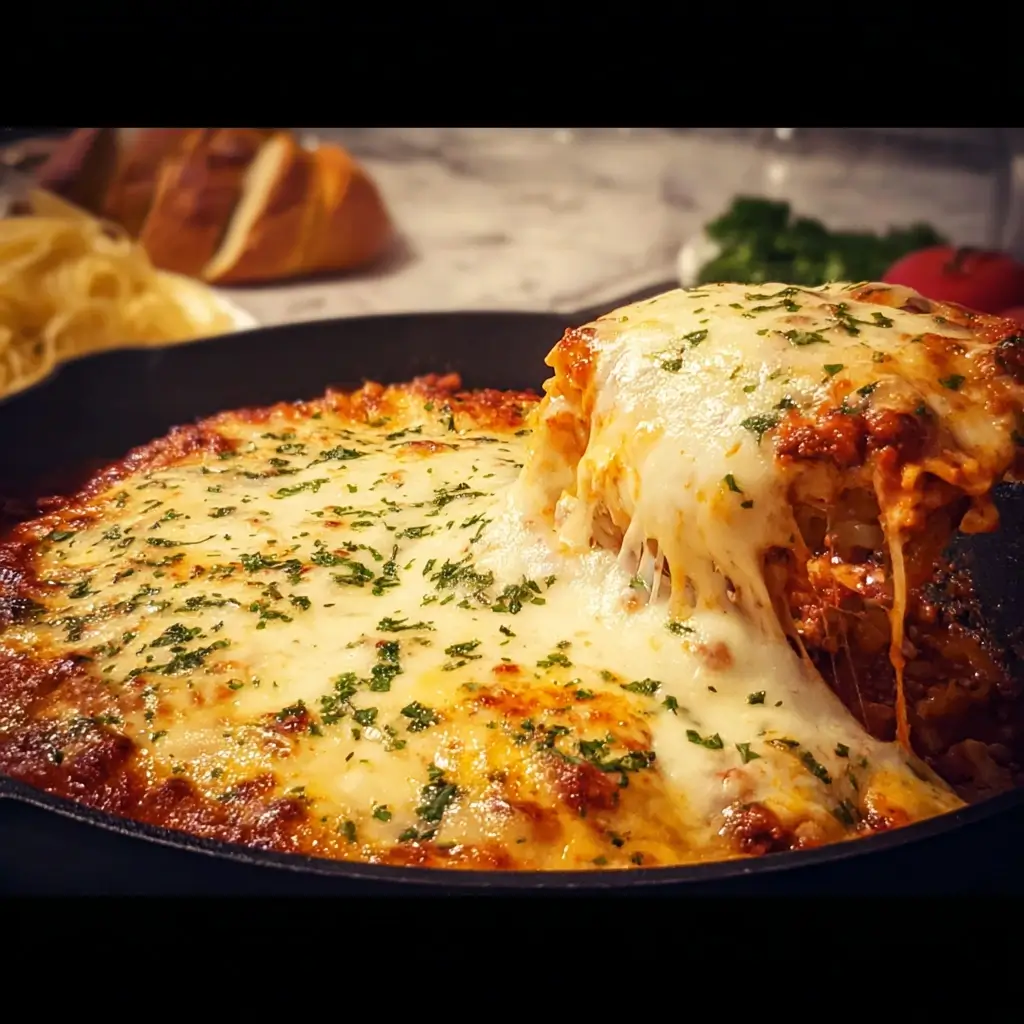

Of all the comfort foods in the world, lasagna holds a special, almost sacred place in my heart. It’s the dish of celebration, of Sunday dinners, of “I’m sorry you had a bad day” meals. But let’s be honest, traditional lasagna is a project. It’s an affair involving multiple pots and pans, a long baking time, and a subsequent mountain of dishes. For years, I reserved it for weekends only. That all changed the day I discovered the magic of Skillet Lasagna. I was skeptical at first. How could you possibly achieve those rich, melded flavors and that perfect noodle texture without the oven? The first time I made it, my kitchen filled with that familiar, soul-soothing aroma of simmering tomatoes and garlic in a fraction of the time. When I brought the sizzling skillet to the table, my family’s eyes went wide. The top was a glorious, molten blanket of mozzarella and Parmesan, and scooping into it revealed the same luscious layers we adored. The verdict was unanimous: it was a triumph. It had all the comforting, cheesy, saucy goodness of its oven-baked cousin, but it was ready in under an hour. It has since become our go-to weeknight hero, the recipe that delivers a weekend-worthy feast on a Tuesday night.
Why This Skillet Lasagna Recipe Will Become Your Favorite
Before we dive into the nuts and bolts of the recipe, let’s talk about why this one-pan wonder is about to revolutionize your dinner routine. This isn’t just a shortcut; it’s a smarter way to get that classic lasagna experience without the commitment.
- The One-Pan Wonder: Say goodbye to a sink full of dishes! Everything—from browning the meat to simmering the sauce and “baking” the lasagna—happens in a single skillet. This is the ultimate minimal-cleanup meal.
- Weeknight Speed, Weekend Flavor: Craving rich, comforting lasagna on a busy Wednesday? No problem. This recipe takes about 45 minutes from start to finish, with most of that being hands-off simmering time. You get deep, developed flavors that taste like they’ve been cooking for hours.
- No Boiling Necessary: The single greatest time-saver is that the lasagna noodles cook directly in the sauce. They absorb all the delicious flavors of the tomato, herbs, and meat, resulting in perfectly al dente pasta without the hassle of boiling a separate pot of water.
- Endlessly Customizable: This recipe is a fantastic blueprint. You can easily swap the meat, add vegetables, or experiment with different cheeses to make it your own. It’s a forgiving and flexible dish that invites creativity.
- Family-Approved Comfort: At its core, this is pure comfort food. It’s cheesy, saucy, and satisfying in a way that brings everyone to the table with a smile. It’s a guaranteed hit with both kids and adults.
Skillet Lasagna Ingredients
The beauty of this recipe lies in its use of simple, accessible ingredients that come together to create something truly special. Here’s what you’ll need to create this masterpiece.
- Olive Oil: 1 tablespoon. For sautéing the aromatics and browning the meat. A good quality extra-virgin olive oil will add a subtle, fruity note.
- Ground Meat: 1 pound. Classic lasagna often uses a mix, but for simplicity, we’re sticking to one.
- Choice: Lean ground beef (85/15 or 90/10) is a great choice. You can also use ground Italian sausage (hot or sweet) for an extra layer of fennel and spice, or even ground turkey for a leaner option. A mix of beef and sausage is heavenly.
- Onion: 1 medium yellow onion, finely chopped. This builds the foundational aromatic base of the sauce.
- Garlic: 4 cloves, minced. Don’t be shy with the garlic! It’s essential for that authentic Italian-American flavor. Freshly minced garlic is always superior to the jarred kind.
- Italian Seasoning: 2 teaspoons. A convenient blend of dried basil, oregano, rosemary, and thyme. If you don’t have it, a mix of dried oregano and basil will work perfectly.
- Red Pepper Flakes: ¼ teaspoon (optional). This adds a very subtle warmth to the background of the sauce. You can increase it to ½ teaspoon if you like a bit more heat, or omit it entirely.
- Salt and Black Pepper: 1 teaspoon of kosher salt and ½ teaspoon of freshly ground black pepper, plus more to taste. Seasoning as you go is key to building flavor.
- Crushed Tomatoes: 1 (28-ounce) can. This forms the heart of your sauce. Fire-roasted crushed tomatoes can add a wonderful smoky depth.
- Water or Chicken Broth: 2 cups. This is the liquid the noodles will absorb as they cook. Broth adds more flavor than water, but water works just fine.
- Lasagna Noodles: 8-10 regular lasagna noodles (not the no-boil variety), broken into 2-inch pieces. Breaking them up allows them to fit in the skillet and cook evenly.
- Whole Milk Ricotta Cheese: 1 cup (about 8 ounces). This is what gives you those classic, creamy pockets of cheese throughout the lasagna. Whole milk ricotta is creamier and richer than part-skim.
- Shredded Mozzarella Cheese: 2 cups, divided. Use low-moisture, whole milk mozzarella for the best melt. Pre-shredded is fine for convenience, but shredding your own from a block avoids the anti-caking agents and results in a smoother, gooier melt.
- Grated Parmesan Cheese: ½ cup, plus more for serving. This adds a sharp, nutty, salty flavor that cuts through the richness of the other cheeses.
- Fresh Basil or Parsley: ¼ cup, chopped, for garnish. This final touch adds a burst of fresh, herbaceous flavor and vibrant color that brightens up the entire dish.
Instructions: How to Make One-Pan Skillet Lasagna
Follow these steps carefully for a perfect result. The key is to build flavors in layers and trust the process. You’ll need a large, deep skillet with a tight-fitting lid (a 12-inch cast iron or Dutch oven is ideal).
Step 1: Brown the Meat and Sauté the Aromatics
Heat the olive oil in your large skillet over medium-high heat. Once the oil is shimmering, add the ground meat. Break it apart with a wooden spoon and cook until it’s browned all over and no pink remains, about 5-7 minutes. If you’re using beef with a higher fat content, carefully drain off any excess grease from the skillet. Add the chopped onion to the skillet with the meat and cook, stirring occasionally, until the onion has softened and become translucent, about 4-5 minutes.
Step 2: Bloom the Spices
Add the minced garlic, Italian seasoning, red pepper flakes (if using), 1 teaspoon of salt, and ½ teaspoon of black pepper to the skillet. Stir constantly for about 1 minute until the garlic is fragrant. This step, known as “blooming,” toasts the spices and awakens their essential oils, making your sauce incredibly flavorful.
Step 3: Create the Sauce and Simmer
Pour the can of crushed tomatoes and the 2 cups of water (or broth) into the skillet. Stir everything together, scraping up any browned bits from the bottom of the pan—this is where so much flavor lives! Bring the sauce to a vigorous simmer.
Step 4: Add the Pasta
Take your dry lasagna noodles and break them into rough, bite-sized pieces (about 1-2 inches). Scatter the broken noodle pieces evenly into the simmering sauce. Gently press them down with your spoon to ensure they are mostly submerged in the liquid. Do not stir too much from this point on, as it can make the noodles clump together.
Step 5: Cook the Lasagna
Reduce the heat to medium-low, cover the skillet with a tight-fitting lid, and let it simmer for 15-20 minutes. The goal is to maintain a gentle, steady simmer. During this time, the noodles will cook and absorb the sauce. Check once around the 10-minute mark to give it a gentle stir and make sure nothing is sticking to the bottom. The lasagna is ready for the next step when the noodles are al dente (tender with a slight bite).
Step 6: Add the Cheesy Layers
Remove the skillet from the heat. Uncover and check the consistency; most of the liquid should be absorbed, but it should still be saucy. Dollop the ricotta cheese evenly over the surface of the lasagna. There’s no need to spread it perfectly; these pockets of creaminess are part of the charm. Sprinkle 1 cup of the shredded mozzarella and all of the grated Parmesan cheese over the top.
Step 7: Melt and Serve
Place the lid back on the skillet (off the heat) and let it stand for 5-10 minutes. The residual heat will melt the cheeses into a gooey, molten topping and allow the lasagna to set up slightly, making it easier to serve. If your skillet is oven-safe, you can place it under the broiler for 1-2 minutes to get a bubbly, browned top (watch it carefully!).
Step 8: Garnish and Enjoy
Sprinkle the fresh chopped basil or parsley over the top. Bring the entire skillet right to the table for a rustic, family-style presentation. Serve hot and enjoy the cheesy pulls!
Nutrition Facts
- Servings: 6 generous servings
- Calories per serving: Approximately 620 kcal
Disclaimer: The nutritional information provided is an estimate and can vary based on the specific ingredients used (e.g., fat content of meat, type of cheese).
Preparation Time
This recipe is designed for speed and efficiency, making it perfect for any night of the week.
- Prep Time: 10 minutes (chopping onion, mincing garlic)
- Cook Time: 35-40 minutes
- Total Time: Approximately 45-50 minutes
How to Serve Your Skillet Lasagna
Serving this dish is part of the fun. Because it’s a rich, all-in-one meal, the sides can be simple and fresh. Here are some ideas to round out your dinner:
- Classic Italian-American Style:
- Garlic Bread: A must-have for sopping up every last bit of the delicious sauce. You can use store-bought garlic bread or make your own by toasting thick slices of Italian bread with butter, garlic powder, and parsley.
- Simple Green Salad: A crisp salad with romaine lettuce, cherry tomatoes, and cucumber is the perfect fresh counterpoint. Dress it with a zesty Italian vinaigrette to cut through the richness of the lasagna.
- With Roasted Vegetables:
- Roasted Broccoli or Broccolini: Toss with olive oil, salt, and pepper and roast at 400°F (200°C) until tender and slightly charred. A squeeze of lemon at the end brightens it up.
- Sautéed Spinach or Kale: Quickly wilt some fresh greens with a bit of garlic and olive oil for a simple, healthy side dish.
- Family-Style “Toppings Bar”:
- Place the skillet in the center of the table and surround it with small bowls of toppings for everyone to customize their own serving.
- Ideas Include: Extra grated Parmesan, more fresh basil, red pepper flakes, a dollop of pesto, or even some high-quality balsamic glaze.
- Wine Pairings:
- Red Wine: A medium-bodied Italian red like a Chianti Classico or a Montepulciano d’Abruzzo complements the tomato sauce beautifully. A soft Merlot also works wonderfully.
- White Wine: If you prefer white, choose a crisp and dry option like a Pinot Grigio to cleanse the palate between rich, cheesy bites.
Additional Tips for a Perfect Skillet Lasagna
These five tips will help you master the recipe and troubleshoot any potential issues, ensuring a flawless result every time.
1. Choose the Right Skillet: The skillet is your most important tool here. You need a large (12-inch), deep skillet with a tight-fitting lid. A heavy-bottomed pan, like a cast-iron skillet or a Dutch oven, is ideal because it distributes heat evenly and prevents the bottom from scorching while the sauce simmers.
2. Don’t Over-Stir the Noodles: Once you add the broken noodle pieces to the sauce, your instinct might be to stir them frequently. Resist the urge! Press them down to submerge them and then let them be. Over-stirring can release too much starch and cause the noodles to break down and become mushy. A single, gentle stir halfway through cooking is all you need.
3. Master the “Ricotta Dollop” Technique: Instead of trying to create a perfectly smooth layer of ricotta, embrace the dollop. Spooning small mounds of ricotta cheese over the surface creates distinct pockets of creamy, cool cheese that contrast beautifully with the hot, savory sauce. It’s texturally more interesting and visually more rustic.
4. Let It Rest Before Serving: This is arguably the most important and most overlooked step. Letting the finished lasagna rest, covered and off the heat, for 5-10 minutes is crucial. This allows the sauce to thicken slightly and the cheese to set. If you scoop it out immediately, it will be runnier. The rest time allows it to firm up into more defined, scoopable portions.
5. Make It Your Own with Add-ins: This recipe is a fantastic canvas. Sauté some vegetables like mushrooms, bell peppers, or zucchini along with the onion for extra nutrition and flavor. You can also stir in a cup of baby spinach during the last few minutes of simmering until it wilts. This is an easy way to sneak more veggies into a family-favorite meal.
Frequently Asked Questions (FAQ)
Here are answers to some common questions you might have about making this easy skillet lasagna.
1. Can I use no-boil lasagna noodles for this recipe?
It’s best to stick with regular lasagna noodles. The cooking time and liquid amount in this recipe are specifically calibrated for standard noodles, which need to absorb a good amount of sauce to become tender. No-boil noodles are thinner and pre-cooked, so they would likely turn to mush in the 20-minute simmer time.
2. How can I make this skillet lasagna vegetarian?
Easily! To make a delicious vegetarian version, simply omit the ground meat. You can replace it with 8 ounces of chopped cremini mushrooms and a finely chopped carrot and celery stalk (sautéed with the onion) to build a savory base. Alternatively, you can stir in a can of rinsed brown or green lentils along with the crushed tomatoes for a hearty, protein-packed vegetarian meal.
3. My lasagna came out too watery (or too dry). What went wrong?
This usually comes down to the simmer.
- Too Watery: Your simmer might have been too low, or your lid wasn’t tight enough, preventing enough liquid from evaporating or being absorbed. If it’s watery at the end, simply uncover the skillet and let it simmer for a few more minutes, stirring gently, until the sauce has thickened to your liking.
- Too Dry: This means your simmer was too aggressive, causing the liquid to evaporate too quickly before the noodles were fully cooked. If you notice it’s getting dry during the cooking process, simply add another ½ cup of water or broth and continue simmering.
4. Can I make this recipe without ricotta cheese?
Yes, you can. While ricotta provides that classic creamy texture, you can substitute it. Small-curd cottage cheese is a great alternative. For an even creamier, tangier version, you could dot the top with a mixture of 4 ounces of softened cream cheese mixed with a little Parmesan and Italian seasoning.
5. What is the best way to store and reheat leftovers?
Leftover skillet lasagna is fantastic! Store it in an airtight container in the refrigerator for up to 4 days.
- Reheating in a Skillet (Best Method): Place a portion in a small, non-stick skillet over medium-low heat. Add a splash of water or broth (about a tablespoon) to create some steam. Cover and heat until warmed through, about 5-7 minutes. This revives the sauce and prevents it from drying out.
- Reheating in the Microwave: Place a serving on a microwave-safe plate, cover it with a damp paper towel, and heat in 30-second intervals until hot. The paper towel helps to steam it and keep it from getting rubbery.

Skillet Lasagna Recipe
Ingredients
- Olive Oil: 1 tablespoon. For sautéing the aromatics and browning the meat. A good quality extra-virgin olive oil will add a subtle, fruity note.
- Ground Meat: 1 pound. Classic lasagna often uses a mix, but for simplicity, we’re sticking to one.
- Choice: Lean ground beef (85/15 or 90/10) is a great choice. You can also use ground Italian sausage (hot or sweet) for an extra layer of fennel and spice, or even ground turkey for a leaner option. A mix of beef and sausage is heavenly.
- Onion: 1 medium yellow onion, finely chopped. This builds the foundational aromatic base of the sauce.
- Garlic: 4 cloves, minced. Don’t be shy with the garlic! It’s essential for that authentic Italian-American flavor. Freshly minced garlic is always superior to the jarred kind.
- Italian Seasoning: 2 teaspoons. A convenient blend of dried basil, oregano, rosemary, and thyme. If you don’t have it, a mix of dried oregano and basil will work perfectly.
- Red Pepper Flakes: ¼ teaspoon (optional). This adds a very subtle warmth to the background of the sauce. You can increase it to ½ teaspoon if you like a bit more heat, or omit it entirely.
- Salt and Black Pepper: 1 teaspoon of kosher salt and ½ teaspoon of freshly ground black pepper, plus more to taste. Seasoning as you go is key to building flavor.
- Crushed Tomatoes: 1 (28-ounce) can. This forms the heart of your sauce. Fire-roasted crushed tomatoes can add a wonderful smoky depth.
- Water or Chicken Broth: 2 cups. This is the liquid the noodles will absorb as they cook. Broth adds more flavor than water, but water works just fine.
- Lasagna Noodles: 8-10 regular lasagna noodles (not the no-boil variety), broken into 2-inch pieces. Breaking them up allows them to fit in the skillet and cook evenly.
- Whole Milk Ricotta Cheese: 1 cup (about 8 ounces). This is what gives you those classic, creamy pockets of cheese throughout the lasagna. Whole milk ricotta is creamier and richer than part-skim.
- Shredded Mozzarella Cheese: 2 cups, divided. Use low-moisture, whole milk mozzarella for the best melt. Pre-shredded is fine for convenience, but shredding your own from a block avoids the anti-caking agents and results in a smoother, gooier melt.
- Grated Parmesan Cheese: ½ cup, plus more for serving. This adds a sharp, nutty, salty flavor that cuts through the richness of the other cheeses.
- Fresh Basil or Parsley: ¼ cup, chopped, for garnish. This final touch adds a burst of fresh, herbaceous flavor and vibrant color that brightens up the entire dish.
Instructions
Step 1: Brown the Meat and Sauté the Aromatics
Heat the olive oil in your large skillet over medium-high heat. Once the oil is shimmering, add the ground meat. Break it apart with a wooden spoon and cook until it’s browned all over and no pink remains, about 5-7 minutes. If you’re using beef with a higher fat content, carefully drain off any excess grease from the skillet. Add the chopped onion to the skillet with the meat and cook, stirring occasionally, until the onion has softened and become translucent, about 4-5 minutes.
Step 2: Bloom the Spices
Add the minced garlic, Italian seasoning, red pepper flakes (if using), 1 teaspoon of salt, and ½ teaspoon of black pepper to the skillet. Stir constantly for about 1 minute until the garlic is fragrant. This step, known as “blooming,” toasts the spices and awakens their essential oils, making your sauce incredibly flavorful.
Step 3: Create the Sauce and Simmer
Pour the can of crushed tomatoes and the 2 cups of water (or broth) into the skillet. Stir everything together, scraping up any browned bits from the bottom of the pan—this is where so much flavor lives! Bring the sauce to a vigorous simmer.
Step 4: Add the Pasta
Take your dry lasagna noodles and break them into rough, bite-sized pieces (about 1-2 inches). Scatter the broken noodle pieces evenly into the simmering sauce. Gently press them down with your spoon to ensure they are mostly submerged in the liquid. Do not stir too much from this point on, as it can make the noodles clump together.
Step 5: Cook the Lasagna
Reduce the heat to medium-low, cover the skillet with a tight-fitting lid, and let it simmer for 15-20 minutes. The goal is to maintain a gentle, steady simmer. During this time, the noodles will cook and absorb the sauce. Check once around the 10-minute mark to give it a gentle stir and make sure nothing is sticking to the bottom. The lasagna is ready for the next step when the noodles are al dente (tender with a slight bite).
Step 6: Add the Cheesy Layers
Remove the skillet from the heat. Uncover and check the consistency; most of the liquid should be absorbed, but it should still be saucy. Dollop the ricotta cheese evenly over the surface of the lasagna. There’s no need to spread it perfectly; these pockets of creaminess are part of the charm. Sprinkle 1 cup of the shredded mozzarella and all of the grated Parmesan cheese over the top.
Step 7: Melt and Serve
Place the lid back on the skillet (off the heat) and let it stand for 5-10 minutes. The residual heat will melt the cheeses into a gooey, molten topping and allow the lasagna to set up slightly, making it easier to serve. If your skillet is oven-safe, you can place it under the broiler for 1-2 minutes to get a bubbly, browned top (watch it carefully!).
Step 8: Garnish and Enjoy
Sprinkle the fresh chopped basil or parsley over the top. Bring the entire skillet right to the table for a rustic, family-style presentation. Serve hot and enjoy the cheesy pulls!
Nutrition
- Serving Size: One Normal Portion
- Calories: 620