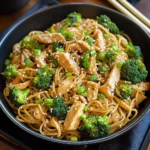
Ingredients
Scale
For the Creamy Sesame Sauce:
- 1/2 cup Creamy Peanut Butter (or Tahini for nut-free): This forms the luscious, creamy base of our sauce. Natural, unsweetened peanut butter works best, allowing you to control the sweetness. Tahini (sesame seed paste) is an excellent alternative for those with peanut allergies, offering a slightly different but equally delicious nutty depth. Ensure it’s well-stirred, as natural varieties can separate.
- 1/3 cup Low-Sodium Soy Sauce (or Tamari for Gluten-Free): The primary source of savory, umami flavor. Using low-sodium allows better control over the saltiness. Tamari is a fantastic gluten-free substitute that provides a similar rich taste.
- 1/4 cup Toasted Sesame Oil: This is non-negotiable for that signature nutty aroma and flavor. Toasted sesame oil (darker in color) has a much more intense flavor than regular sesame oil. A little goes a long way.
- 3 Tablespoons Rice Vinegar: Adds a crucial touch of acidity to balance the richness of the peanut butter and soy sauce. Unseasoned rice vinegar is preferred. Apple cider vinegar or lime juice can be substituted in a pinch, though the flavor profile will shift slightly.
- 2 Tablespoons Honey (or Maple Syrup for Vegan): Provides a subtle sweetness that rounds out the savory and tangy notes. Adjust the amount based on your preference and the sweetness of your peanut butter. Maple syrup or agave nectar are great vegan alternatives.
- 2 Tablespoons Warm Water (or more, as needed): Used to thin the sauce to the perfect coating consistency. You might need a little more or less depending on the thickness of your peanut butter/tahini.
- 1 Tablespoon Freshly Grated Ginger: Adds a warm, zesty kick. Fresh ginger offers incomparable flavor compared to dried powder. Use a microplane or fine grater for best results.
- 2 Cloves Garlic, Minced: Provides a pungent, savory depth. Finely mincing or grating ensures the garlic integrates smoothly into the sauce.
- 1/2 – 1 Teaspoon Sriracha or Chili Garlic Sauce (Optional): For those who like a bit of heat. Start with a smaller amount and add more to taste. Red pepper flakes can also be used.
For the Noodles and Main Components:
- 12 ounces Dried Noodles: The choice is yours! Spaghetti or linguine are readily available and work wonderfully, absorbing the sauce beautifully. Authentic options like Chinese egg noodles, ramen noodles, or even udon noodles are also excellent choices, each offering a slightly different texture. Whole wheat pasta can add extra fiber.
- 1 pound Boneless, Skinless Chicken Breasts or Thighs: Cut into bite-sized pieces (about 1-inch cubes). Thighs tend to be more forgiving and stay juicier, while breasts are leaner. Ensure uniform size for even cooking.
- 1 Tablespoon Cooking Oil (e.g., Vegetable, Canola, or Avocado Oil): For sautéing the chicken. Choose a neutral oil with a relatively high smoke point.
- 4 cups Broccoli Florets (about 1 large head): Cut into bite-sized pieces. Ensure the florets are relatively uniform in size for even cooking. You can use pre-cut florets for convenience. Fresh broccoli provides the best texture, but frozen can work in a pinch (add it directly to the boiling pasta water during the last few minutes).
- Salt: For seasoning the pasta water and potentially the chicken.
For Garnish (Optional but Recommended):
- 2 Tablespoons Toasted Sesame Seeds: Adds a lovely visual appeal, texture, and reinforces the sesame flavor.
- 2 Green Onions, thinly sliced: Provides a fresh, mild oniony bite and a pop of color. Use both the white and green parts.
- Chopped Fresh Cilantro (Optional): Adds a bright, herbaceous note that complements the rich sauce.
- Crushed Peanuts (Optional): Enhances the nutty flavor and adds a delightful crunch.
- Extra Sriracha or Chili Flakes: For those who crave more spice.
Instructions
- Prepare the Sesame Sauce:
- In a medium-sized bowl, combine the creamy peanut butter (or tahini), low-sodium soy sauce (or tamari), toasted sesame oil, rice vinegar, honey (or maple syrup), warm water, grated ginger, minced garlic, and optional Sriracha/chili garlic sauce.
- Whisk vigorously until the sauce is smooth and well combined. The peanut butter might initially resist, but keep whisking! It should become creamy and emulsified.
- Taste the sauce and adjust seasonings if necessary. Need more tang? Add a splash more vinegar. More sweetness? A touch more honey. More heat? Add extra Sriracha. If the sauce seems too thick to coat noodles easily, whisk in another tablespoon or two of warm water until it reaches your desired consistency (think slightly thick but pourable). Set the sauce aside. This allows the flavors to meld while you prepare the other components.
- Cook the Chicken:
- Pat the bite-sized chicken pieces dry with paper towels. This helps them brown better rather than steam. Season lightly with salt and pepper if desired (remember the sauce is salty).
- Heat the 1 tablespoon of cooking oil in a large skillet or wok over medium-high heat. Once the oil shimmers, carefully add the chicken pieces in a single layer. Avoid overcrowding the pan; cook in batches if necessary.
- Cook the chicken for about 5-7 minutes, stirring occasionally, until golden brown on all sides and cooked through (internal temperature should reach 165°F or 74°C).
- Once cooked, remove the chicken from the skillet and set it aside on a clean plate. Tent loosely with foil to keep warm.
- Cook the Noodles and Broccoli:
- Bring a large pot of generously salted water to a rolling boil. Adding salt to the water seasons the noodles from the inside out.
- Add the dried noodles (spaghetti, linguine, etc.) to the boiling water and cook according to the package directions until al dente (cooked through but still firm to the bite). Overcooked noodles can become mushy when tossed with the sauce.
- During the last 2-3 minutes of the noodle cooking time, add the broccoli florets directly into the pot with the noodles. This blanching method cooks the broccoli perfectly crisp-tender while saving you an extra pot. (Alternatively, you can steam or stir-fry the broccoli separately if you prefer).
- Once the noodles are al dente and the broccoli is bright green and crisp-tender, carefully drain everything together in a colander. Do not rinse the pasta unless the package specifically instructs you to; the starch on the noodles helps the sauce cling beautifully. A quick shake to remove excess water is sufficient.
- Combine and Toss:
- Return the drained noodles and broccoli to the large, now empty pot (or transfer them to a large mixing bowl).
- Add the cooked chicken back into the pot with the noodles and broccoli.
- Pour the prepared sesame sauce over the noodle mixture.
- Using tongs or two large spoons, gently toss everything together until the noodles, chicken, and broccoli are evenly coated with the luscious sesame sauce. Be thorough but gentle to avoid breaking the noodles or mashing the broccoli. Ensure the sauce gets into all the nooks and crannies.
- Serve and Garnish:
- Divide the Sesame Noodles with Chicken and Broccoli among serving bowls or plates.
- Sprinkle generously with toasted sesame seeds and thinly sliced green onions.
- Add optional garnishes like chopped fresh cilantro or crushed peanuts for extra layers of flavor and texture.
- Serve immediately while warm for the best experience. Offer extra Sriracha or chili flakes on the side for those who like it spicier.
Nutrition
- Serving Size: One Normal Portion
- Calories: 600 - 750 kcal