

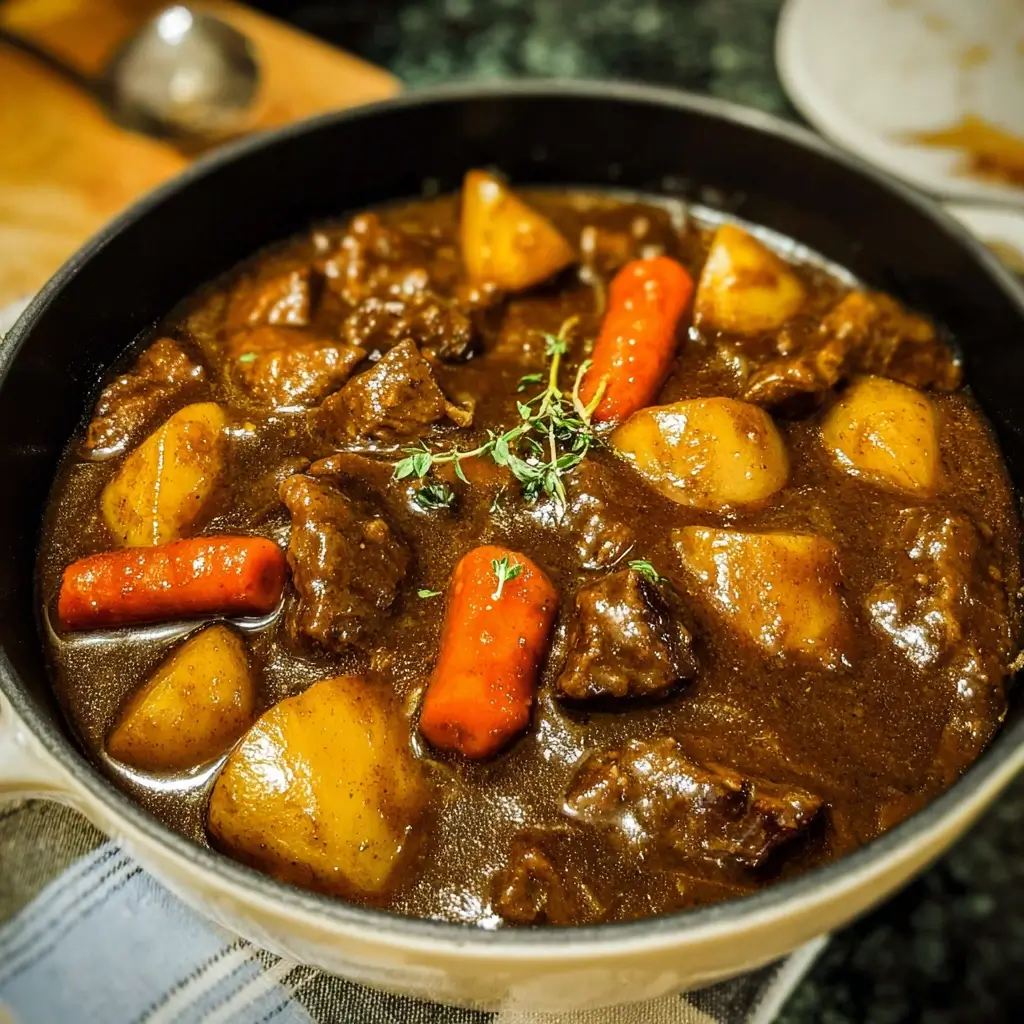

Of all the comfort foods that grace our table throughout the year, none command the same level of reverence and anticipation as this One-Pot Guinness Beef Stew. The first time I made it, a blustery March wind was rattling the windows, and the promise of St. Patrick’s Day was in the air. I wanted something more than just a meal; I wanted an experience. I wanted a dish that would fill the house with an intoxicating aroma and warm us from the inside out. This recipe delivered, and then some. The rich, malty depth from the Guinness stout, the fall-apart tender beef that melts in your mouth, and the sweet, earthy vegetables all swimming in a velvety, dark gravy—it was pure magic in a bowl. It has since become a cherished tradition, not just for St. Patrick’s Day, but for any chilly evening that calls for a culinary hug. My family now requests it by name, and the sight of a can of Guinness and a beautiful beef chuck roast on the counter is enough to get everyone excited. This isn’t just a recipe; it’s a memory-maker, a guaranteed crowd-pleaser, and arguably the most soul-satisfying stew you will ever create in your own kitchen.
The Ultimate One-Pot Guinness Beef Stew Recipe
This recipe is designed for maximum flavor with minimal cleanup. The magic happens in a single heavy-bottomed pot, like a Dutch oven, where layers of flavor are built upon one another, from searing the beef to simmering the final, glorious stew.
Ingredients
- For the Beef and Marinade (Optional but Recommended):
- 3 lbs beef chuck roast, cut into 1.5-inch cubes
- 2 teaspoons kosher salt
- 1 teaspoon freshly ground black pepper
- 2 tablespoons all-purpose flour
- For the Stew:
- 3 tablespoons olive oil, divided
- 2 large yellow onions, chopped
- 3 large carrots, peeled and cut into 1-inch chunks
- 3 celery stalks, cut into 1-inch chunks
- 8 oz cremini mushrooms, halved or quartered if large (optional, but adds great umami)
- 6 cloves garlic, minced
- 2 tablespoons tomato paste
- 1 (14.9 oz) can Guinness Draught Stout
- 4 cups high-quality beef broth
- 2 tablespoons Worcestershire sauce
- 1 tablespoon brown sugar (or honey)
- 2 large sprigs fresh thyme
- 1 large sprig fresh rosemary
- 2 bay leaves
- 1.5 lbs Yukon Gold or red potatoes, scrubbed and cut into 1.5-inch chunks
- 1 cup frozen peas (optional, for a pop of color and sweetness at the end)
- Fresh parsley, chopped, for garnish
Instructions
- Prepare the Beef: Pat the beef cubes completely dry with paper towels. This is a critical step for achieving a good sear. In a large bowl, toss the dry beef cubes with the salt, pepper, and all-purpose flour until they are evenly coated. The flour will help create a beautiful crust and will also act as the first step in thickening our gravy.
- Sear the Beef in Batches: Place a large Dutch oven or other heavy-bottomed pot over medium-high heat. Add 2 tablespoons of olive oil. Once the oil is shimmering, carefully add half of the beef cubes to the pot in a single layer. Do not overcrowd the pan; this will cause the beef to steam instead of sear. Brown the beef on all sides, turning every 1-2 minutes, until a deep, dark crust forms. This process, known as the Maillard reaction, is where a huge amount of the stew’s flavor comes from. Once seared, use tongs to remove the beef and set it aside on a plate. Repeat with the remaining beef, adding the last tablespoon of olive oil if the pot looks dry.
- Sauté the Aromatics: Reduce the heat to medium. Add the chopped onions, carrots, and celery (the classic mirepoix) to the pot. There should be enough residual fat from the beef, but you can add a knob of butter here for extra richness if you like. Sauté the vegetables, stirring occasionally and scraping up any browned bits (fond) from the bottom of the pot, for about 8-10 minutes, until the onions have softened and become translucent.
- Add Mushrooms and Garlic: If using mushrooms, add them to the pot now. Cook for another 5-7 minutes, until they have released their liquid and started to brown. Add the minced garlic and tomato paste. Stir constantly and cook for 1-2 minutes until the garlic is fragrant and the tomato paste has darkened slightly in color. This step cooks out the raw taste of the garlic and deepens the umami flavor of the tomato paste.
- Deglaze with Guinness: Pour the entire can of Guinness into the hot pot. As it sizzles, use a wooden spoon or spatula to vigorously scrape the bottom of the pot, releasing all of those incredibly flavorful browned bits that are stuck to it. This process is called deglazing, and it’s essential for a rich, complex gravy. Bring the Guinness to a simmer and let it cook for 2-3 minutes, allowing the alcohol to cook off slightly and the flavors to concentrate.
- Build the Braising Liquid: Pour in the beef broth, Worcestershire sauce, and brown sugar. Stir everything to combine. The brown sugar is a secret weapon that helps to balance the slight bitterness of the stout.
- Simmer Low and Slow: Return the seared beef and any accumulated juices from the plate back into the pot. Tuck the thyme sprigs, rosemary sprig, and bay leaves into the liquid. Bring the stew to a gentle simmer, then reduce the heat to low, cover the pot, and let it cook for at least 2 hours. The key here is a bare simmer, with just a few bubbles breaking the surface. This gentle cooking is what breaks down the tough connective tissues in the chuck roast, transforming it into succulent, tender morsels.
- Add the Potatoes: After 2 hours of simmering, the beef should be starting to get tender. Remove the lid and add the chopped potatoes to the stew. Stir them in, ensuring they are mostly submerged in the liquid. If the stew looks too thick, you can add a splash more beef broth or water. Place the lid back on and continue to simmer for another 45-60 minutes, or until the potatoes are fork-tender and the beef is completely fall-apart tender.
- Finishing Touches: Fish out the herb stems (the leaves will have fallen off into the stew) and the bay leaves. Taste the gravy and adjust seasoning as needed with more salt and pepper. If you desire a thicker gravy, you can make a cornstarch slurry (1 tablespoon cornstarch mixed with 2 tablespoons cold water) and stir it into the simmering stew until it thickens. For a touch of freshness and color, stir in the frozen peas during the last 5 minutes of cooking.
- Rest and Serve: Turn off the heat and let the stew rest for 10-15 minutes before serving. This allows the flavors to meld even further. Ladle the hot stew into bowls and garnish generously with fresh chopped parsley.
Nutrition Facts
- Servings: 8
- Calories per serving: Approximately 650-750 kcal (This is an estimate and can vary based on the fat content of the beef and optional ingredients used).
Preparation and Cook Time
- Preparation Time: 25 minutes
- Cook Time: 3 hours 15 minutes
- Total Time: 3 hours 40 minutes
How to Serve Your Guinness Beef Stew
Serving this stew is about creating a complete, comforting experience. While it’s a perfect one-pot meal, the right accompaniments can elevate it from great to unforgettable.
- The Vessel:
- Deep, wide bowls: The best choice for holding a generous portion and containing all that delicious gravy.
- Hollowed-out bread bowls: For a truly rustic and impressive presentation, serve the stew inside a hollowed-out sourdough or pumpernickel bread bowl.
- Essential Bread Pairings:
- Crusty Bread: A rustic baguette or a crusty sourdough loaf is non-negotiable for sopping up every last drop of the rich Guinness gravy.
- Irish Soda Bread: The classic pairing. Its dense, slightly sweet crumb is the perfect counterpart to the savory, malty stew. Serve with a side of high-quality salted Irish butter.
- Fluffy Dinner Rolls: Simple, soft rolls are also a fantastic option for dipping.
- On Top of…
- Creamy Mashed Potatoes: Instead of putting potatoes in the stew, you can serve the stew over a generous pile of buttery, creamy mashed potatoes. This creates two distinct textures that are divine together.
- Colcannon: For an extra-Irish touch, serve the stew over colcannon—traditional Irish mashed potatoes mixed with kale or cabbage.
- Buttered Egg Noodles: A simple bed of wide egg noodles works wonderfully, catching the gravy in all their twists and turns.
- Garnishes and Toppings:
- Fresh Parsley: A sprinkle of bright green, chopped flat-leaf parsley is essential. It adds a touch of fresh, peppery flavor that cuts through the richness.
- Sour Cream or Crème Fraîche: A dollop on top adds a cool, tangy contrast that beautifully balances the deep flavors of the stew.
- Gremolata: For a zesty, gourmet touch, make a simple gremolata by mixing chopped parsley, lemon zest, and minced garlic. Sprinkle it over the stew just before serving.
5 Pro Tips for the Perfect Guinness Stew
Mastering this stew is easy, but these five tips will ensure a flawless result every single time, taking your dish from good to restaurant-quality.
1. Choose the Right Cut of Beef (and Prepare it Well)
The star of the show is the beef, and the cut you choose matters immensely. Chuck roast is the undisputed king for stews. It’s a tougher cut from the shoulder with a fantastic amount of fat and collagen. During the long, slow cooking process, this collagen breaks down into rich, unctuous gelatin, which gives the gravy its body and makes the meat incredibly tender and flavorful. Avoid lean cuts like sirloin, which will become dry and tough. Always, always pat your beef completely dry before seasoning and searing. A wet surface will create steam, preventing that deep brown crust from forming.
2. Don’t Rush the Sear
Patience during the searing step is the foundation of a flavorful stew. The goal is a deep, dark brown crust, not a pale grey. This is the Maillard reaction, a chemical reaction between amino acids and reducing sugars that creates hundreds of new flavor compounds. To achieve this: use a hot pan, don’t move the meat too often, and most importantly, sear in batches. Overcrowding the pan drops the temperature, leading to steaming instead of searing. Those browned bits left in the pot (the fond) are pure gold; they form the flavor base of your entire gravy when you deglaze.
3. Master the Guinness: Balance the Bitterness
Guinness gives the stew its signature depth, but it can also impart a bitter flavor if not balanced correctly. First, use Guinness Draught (from the can with the widget) rather than Guinness Extra Stout. The Draught version is smoother, creamier, and less bitter. Second, build in layers of sweetness and acidity to counteract the bitterness. The tomato paste adds umami and acidity, while a tablespoon of brown sugar or honey provides a subtle sweetness that rounds out the flavor profile perfectly without making the stew sweet. Don’t skip this step!
4. Embrace the Low and Slow Simmer
There is no rushing a good stew. After bringing it to a boil, immediately reduce the heat to the lowest possible setting that still maintains a bare simmer—just a lazy bubble or two breaking the surface every few seconds. This gentle heat is crucial for tenderizing the beef. A rapid boil will cause the muscle fibers in the meat to seize up and become tough, no matter how long you cook it. This low-and-slow method can be done on the stovetop (as written), or you can transfer the covered pot to a 325°F (160°C) oven for the same amount of time, which provides an even, consistent heat source.
5. The “Day-After” Rule: Make it Ahead
Like many braises and stews, this Guinness Beef Stew is arguably even better the next day. Allowing the stew to cool completely and rest in the refrigerator overnight gives the flavors an opportunity to meld, deepen, and marry. The gravy will become richer, the beef will absorb more of the surrounding flavors, and the entire dish becomes more cohesive. If you have the time, make it a day in advance. Simply cool it down, refrigerate, and then gently reheat it on the stovetop over low heat until hot. This is the ultimate pro-move for dinner parties, as all the work is done the day before.
Frequently Asked Questions About Guinness Beef Stew
Q1: Can I make this recipe in a slow cooker or Crock-Pot?
A: Absolutely! A slow cooker is perfect for this recipe. You will still need to do the initial steps on the stovetop to build flavor. Sear the beef and sauté the aromatics in a skillet as directed. Deglaze the skillet with the Guinness, then transfer everything—the seared beef, vegetables, and all the liquid—into the slow cooker. Add the remaining ingredients (except the potatoes and peas). Cook on low for 6-8 hours or on high for 4-5 hours. Add the potatoes during the last 2 hours of cooking (on low) or the last 1.5 hours (on high) to prevent them from becoming mush. Stir in the peas at the very end.
Q2: My stew tastes a little bitter from the beer. How can I fix it?
A: This is a common concern. First, ensure you used Guinness Draught, as it’s less bitter. If it’s still too pronounced for your taste, you can balance it. The recipe already includes brown sugar and tomato paste for this reason. If you need more balancing, try adding another teaspoon of brown sugar or honey. A small dollop of redcurrant jelly or a splash of balsamic vinegar can also work wonders, as the sweetness and acidity will cut through the bitterness. Taste as you go until the flavor is where you want it.
Q3: What can I use as a non-alcoholic substitute for Guinness?
A: If you want to avoid alcohol, you can still achieve a deep, rich flavor. The best substitute is a high-quality, dark non-alcoholic beer, which will mimic the malty notes. If that’s not an option, you can replace the Guinness with an equal amount of additional beef broth. To replicate some of the complexity, add 1-2 extra tablespoons of Worcestershire sauce, 1 tablespoon of soy sauce for umami, and perhaps 1 teaspoon of balsamic vinegar for a touch of acidity.
Q4: Can I freeze Guinness beef stew for later?
A: Yes, this stew freezes beautifully, making it a fantastic meal-prep dish. Allow the stew to cool completely to room temperature. Portion it into freezer-safe containers or heavy-duty freezer bags. It can be frozen for up to 3 months. Note that potatoes can sometimes become slightly grainy in texture after freezing and reheating, but in a hearty stew like this, it’s usually not very noticeable. To reheat, thaw the stew overnight in the refrigerator and then gently warm it in a pot over low heat on the stovetop, stirring occasionally.
Q5: What are the best potatoes to use for a stew?
A: The type of potato you use can affect the final texture of your stew. The best choices are waxy potatoes, such as Yukon Golds, Red Potatoes, or fingerlings. These potatoes hold their shape well during the long cooking time and have a creamy, buttery texture. Avoid starchy potatoes like Russets. While they are great for mashing, they tend to break down and disintegrate in a stew, which can make your gravy pasty or gritty. If you only have Russets, add them much later in the cooking process, perhaps only 30-40 minutes before serving.
One-Pot Guinness Beef Stew Recipe
Ingredients
- 250 kcal
- 3 lbs beef chuck roast, cut into 1.5-inch cubes
- 2 teaspoons kosher salt
- 1 teaspoon freshly ground black pepper
- 2 tablespoons all-purpose flour
- For the Stew:
- 3 tablespoons olive oil, divided
- 2 large yellow onions, chopped
- 3 large carrots, peeled and cut into 1-inch chunks
- 3 celery stalks, cut into 1-inch chunks
- 8 oz cremini mushrooms, halved or quartered if large (optional, but adds great umami)
- 6 cloves garlic, minced
- 2 tablespoons tomato paste
- 1 (14.9 oz) can Guinness Draught Stout
- 4 cups high-quality beef broth
- 2 tablespoons Worcestershire sauce
- 1 tablespoon brown sugar (or honey)
- 2 large sprigs fresh thyme
- 1 large sprig fresh rosemary
- 2 bay leaves
- 1.5 lbs Yukon Gold or red potatoes, scrubbed and cut into 1.5-inch chunks
- 1 cup frozen peas (optional, for a pop of color and sweetness at the end)
- Fresh parsley, chopped, for garnish
Instructions
- Prepare the Beef: Pat the beef cubes completely dry with paper towels. This is a critical step for achieving a good sear. In a large bowl, toss the dry beef cubes with the salt, pepper, and all-purpose flour until they are evenly coated. The flour will help create a beautiful crust and will also act as the first step in thickening our gravy.
- Sear the Beef in Batches: Place a large Dutch oven or other heavy-bottomed pot over medium-high heat. Add 2 tablespoons of olive oil. Once the oil is shimmering, carefully add half of the beef cubes to the pot in a single layer. Do not overcrowd the pan; this will cause the beef to steam instead of sear. Brown the beef on all sides, turning every 1-2 minutes, until a deep, dark crust forms. This process, known as the Maillard reaction, is where a huge amount of the stew’s flavor comes from. Once seared, use tongs to remove the beef and set it aside on a plate. Repeat with the remaining beef, adding the last tablespoon of olive oil if the pot looks dry.
- Sauté the Aromatics: Reduce the heat to medium. Add the chopped onions, carrots, and celery (the classic mirepoix) to the pot. There should be enough residual fat from the beef, but you can add a knob of butter here for extra richness if you like. Sauté the vegetables, stirring occasionally and scraping up any browned bits (fond) from the bottom of the pot, for about 8-10 minutes, until the onions have softened and become translucent.
- Add Mushrooms and Garlic: If using mushrooms, add them to the pot now. Cook for another 5-7 minutes, until they have released their liquid and started to brown. Add the minced garlic and tomato paste. Stir constantly and cook for 1-2 minutes until the garlic is fragrant and the tomato paste has darkened slightly in color. This step cooks out the raw taste of the garlic and deepens the umami flavor of the tomato paste.
- Deglaze with Guinness: Pour the entire can of Guinness into the hot pot. As it sizzles, use a wooden spoon or spatula to vigorously scrape the bottom of the pot, releasing all of those incredibly flavorful browned bits that are stuck to it. This process is called deglazing, and it’s essential for a rich, complex gravy. Bring the Guinness to a simmer and let it cook for 2-3 minutes, allowing the alcohol to cook off slightly and the flavors to concentrate.
- Build the Braising Liquid: Pour in the beef broth, Worcestershire sauce, and brown sugar. Stir everything to combine. The brown sugar is a secret weapon that helps to balance the slight bitterness of the stout.
- Simmer Low and Slow: Return the seared beef and any accumulated juices from the plate back into the pot. Tuck the thyme sprigs, rosemary sprig, and bay leaves into the liquid. Bring the stew to a gentle simmer, then reduce the heat to low, cover the pot, and let it cook for at least 2 hours. The key here is a bare simmer, with just a few bubbles breaking the surface. This gentle cooking is what breaks down the tough connective tissues in the chuck roast, transforming it into succulent, tender morsels.
- Add the Potatoes: After 2 hours of simmering, the beef should be starting to get tender. Remove the lid and add the chopped potatoes to the stew. Stir them in, ensuring they are mostly submerged in the liquid. If the stew looks too thick, you can add a splash more beef broth or water. Place the lid back on and continue to simmer for another 45-60 minutes, or until the potatoes are fork-tender and the beef is completely fall-apart tender.
- Finishing Touches: Fish out the herb stems (the leaves will have fallen off into the stew) and the bay leaves. Taste the gravy and adjust seasoning as needed with more salt and pepper. If you desire a thicker gravy, you can make a cornstarch slurry (1 tablespoon cornstarch mixed with 2 tablespoons cold water) and stir it into the simmering stew until it thickens. For a touch of freshness and color, stir in the frozen peas during the last 5 minutes of cooking.
- Rest and Serve: Turn off the heat and let the stew rest for 10-15 minutes before serving. This allows the flavors to meld even further. Ladle the hot stew into bowls and garnish generously with fresh chopped parsley.
Nutrition
- Serving Size: One Normal Portion
- Calories: 650-750 kcal