
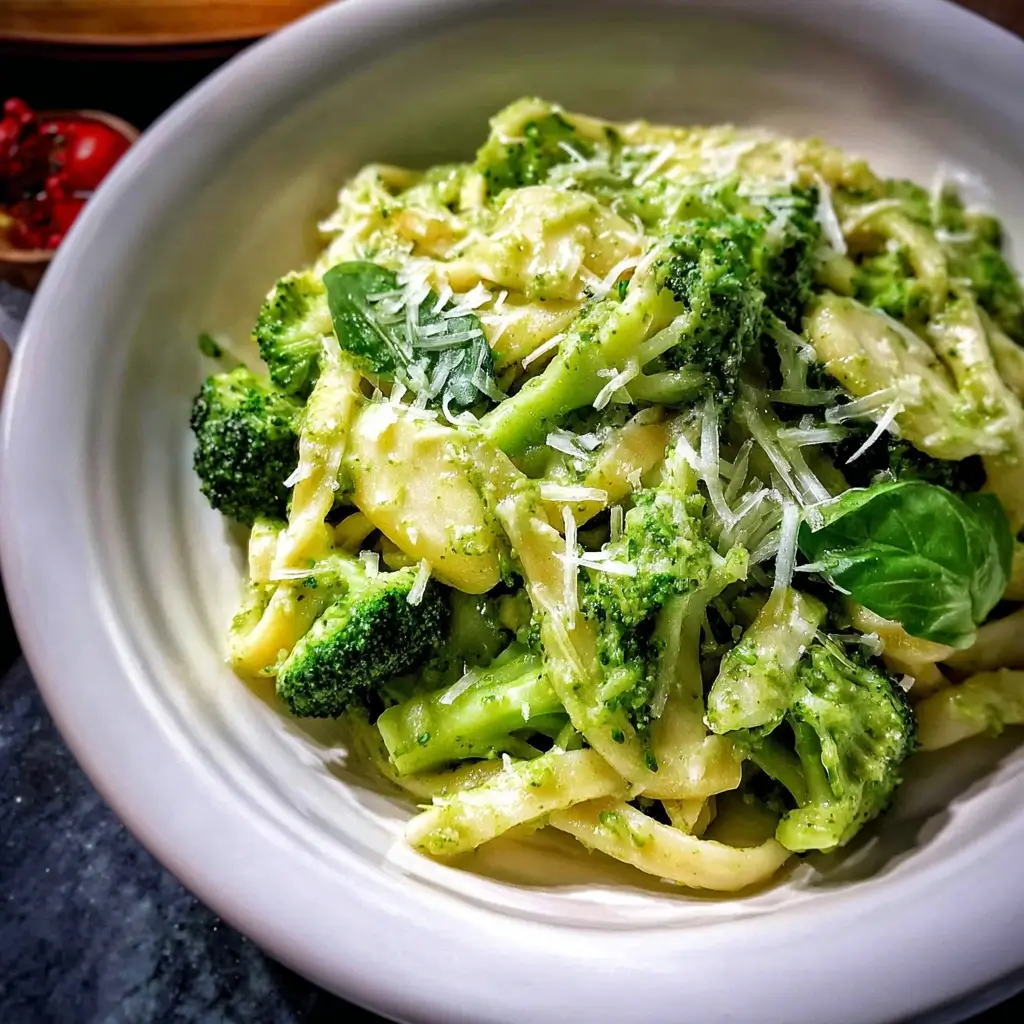
Of all the recipes in my weeknight rotation, the ones that stick are always the same: simple, packed with flavor, and loved by everyone at the table. For years, I struggled to find a vegetable-forward dish that my kids wouldn’t just tolerate, but actively request. Then, this Broccoli Pasta came into our lives. It started as an experiment on a busy Tuesday, a “let’s see what’s in the fridge” kind of meal. I didn’t expect much, but the result was a revelation. The way the tender-crisp broccoli florets cling to the pasta, coated in a silky, garlicky sauce with the salty bite of Parmesan, was magic. My youngest, who usually picks out anything green, ate a whole bowl without a single complaint. Now, the request for “that yummy green pasta” is a regular occurrence in our house, and it’s my go-to for a meal that feels both wholesome and incredibly satisfying. It’s a testament to the idea that the most memorable dishes are often born from the simplest ingredients, brought together with a little bit of care.
Why This One-Pot Broccoli Pasta Recipe is a Game-Changer
Before we dive into the nuts and bolts of creating this masterpiece, let’s talk about why this specific recipe for Broccoli Pasta will become your new favorite. In a world of complicated recipes, this one stands out for its beautiful simplicity and profound flavor.
- Effortless & Quick: This is the quintessential 30-minute meal. It’s designed for busy weeknights when you crave a home-cooked dinner but don’t have hours to spend in the kitchen. Much of the cooking happens in one pot, which means less cleanup and less stress.
- Healthy & Wholesome: We’re packing in a generous amount of broccoli, a nutritional powerhouse loaded with Vitamin C, Vitamin K, fiber, and antioxidants. It’s a fantastic way to make sure your family gets their greens in a delicious, crave-worthy format.
- Incredibly Flavorful: Don’t let the short ingredient list fool you. This dish is a symphony of flavors. The pungent garlic, the fruity olive oil, the spicy kick of red pepper flakes, the bright zest of lemon, and the savory, nutty Parmesan cheese all work in perfect harmony.
- Budget-Friendly: Pasta, broccoli, and garlic are some of the most affordable staples you can buy at the grocery store. This recipe proves that you don’t need to spend a fortune to eat incredibly well.
- Endlessly Adaptable: Think of this recipe as your perfect canvas. We’ll cover plenty of variations later, but you can easily add protein like chicken or chickpeas, toss in other vegetables, or switch up the cheeses to make it your own.
The Ultimate Broccoli Pasta Recipe
This recipe has been tested and perfected to deliver the best possible results with minimal fuss. The key is in the technique—cooking the broccoli with the pasta and using that starchy pasta water to create a luscious, non-creamy sauce that clings to every noodle.
Ingredients
- Pasta: 1 lb (450g) of short pasta like Orecchiette, Fusilli, Penne, or Rigatoni. The cups and ridges are perfect for catching the broccoli and sauce.
- Broccoli: 1 large head of broccoli (about 1.5 lbs or 680g), cut into small, bite-sized florets.
- Olive Oil: ½ cup (120ml) of high-quality extra virgin olive oil, plus more for drizzling.
- Garlic: 6-8 cloves of garlic, thinly sliced. Don’t be shy with the garlic!
- Red Pepper Flakes: ½ to 1 teaspoon, depending on your spice preference.
- Parmesan Cheese: 1 cup (100g) of freshly grated Parmigiano-Reggiano, plus more for serving.
- Lemon: 1 lemon, for zesting and juicing.
- Salt: Coarse sea salt or kosher salt for the pasta water and for seasoning.
- Black Pepper: Freshly cracked black pepper to taste.
Step-by-Step Instructions
Follow these detailed instructions to achieve broccoli pasta perfection. The timing is crucial for getting that ideal al dente pasta and tender-crisp broccoli.
Step 1: Prepare Your Ingredients (Mise en Place)
The cooking process moves quickly, so have everything ready to go before you start.
- Bring Water to a Boil: Fill a large pot or Dutch oven with about 4-5 quarts of water. Add a generous amount of salt (it should taste like the sea). This is your only chance to season the pasta itself. Bring it to a rolling boil over high heat.
- Prep the Broccoli: While the water is heating, wash the head of broccoli. Cut off the thick, woody part of the stalk. Trim the remaining stalk and chop it into small, ¼-inch pieces. Cut the crown into small, bite-sized florets. You want them to be a similar size to your pasta.
- Prep the Aromatics: Thinly slice your garlic cloves. Grate the Parmesan cheese—using a block of cheese and grating it yourself will result in a much better flavor and melt than pre-shredded cheese. Zest the entire lemon, then cut it in half for juicing later.
Step 2: Cook the Pasta and Broccoli Together
This one-pot technique is the secret to infusing flavor and saving time.
- Add the Pasta: Once the water is at a rolling boil, add your chosen pasta. Give it a good stir to prevent it from sticking.
- Time the Broccoli: Check the package directions for your pasta’s cooking time. You will add the broccoli florets and chopped stems to the pot for the last 3-4 minutes of the pasta’s cooking time. This will cook the broccoli perfectly, leaving it bright green and tender-crisp, not mushy.
- Reserve Pasta Water: Just before draining, use a mug or heatproof measuring cup to reserve at least 2 cups of the starchy pasta water. This cloudy, magical liquid is the key to creating your sauce. Do not skip this step!
- Drain: Drain the pasta and broccoli together in a colander and set aside.
Step 3: Build the Garlic and Oil Sauce
Using the same pot (less cleanup!), you’ll create the simple, flavor-packed sauce.
- Sauté the Aromatics: Place the now-empty pot back on the stove over medium heat. Add the ½ cup of extra virgin olive oil. Once it shimmers slightly, add the sliced garlic and red pepper flakes.
- Cook Gently: Sauté for about 1-2 minutes, stirring constantly, until the garlic is fragrant and just beginning to turn a pale golden color. Be very careful not to burn the garlic, as it will become bitter. If you smell a nutty, toasty aroma, you’re on the right track. If it starts to turn dark brown, it’s gone too far.
- Create the Sauce: Remove the pot from the heat. Immediately pour in 1 cup of the reserved hot pasta water. It will sizzle and steam, which is exactly what you want. This stops the garlic from cooking further and begins the emulsification process. Whisk vigorously to combine the oil and water.
Step 4: Combine Everything
This is where the magic happens and your dish comes together.
- Return Pasta and Broccoli: Add the drained pasta and broccoli back into the pot with the sauce.
- Add Cheese and Lemon: Add the 1 cup of grated Parmesan cheese, the zest of one lemon, and the juice of half the lemon.
- Toss to Combine: Using tongs or a large spoon, toss everything together vigorously for about a minute. The heat from the pasta and the starch in the water will melt the cheese and create a light, creamy sauce that coats every single piece.
- Adjust Consistency: If the pasta seems a little dry, add more of the reserved pasta water, a few tablespoons at a time, until it reaches your desired sauciness.
- Final Seasoning: Taste the pasta. Add freshly cracked black pepper and another pinch of salt if needed (the Parmesan and pasta water are already salty, so taste first).
Nutrition Facts
- Servings: 6-8 main course servings
- Calories per serving (approximate): 450-550 kcal
Please note that these nutritional values are an estimate and can vary based on the specific ingredients used (e.g., type of pasta, amount of oil and cheese).
Preparation Time
- Prep Time: 10 minutes
- Cook Time: 15 minutes
- Total Time: 25 minutes
How to Serve Broccoli Pasta
This dish is wonderfully versatile and can be served in a variety of ways. Here are some of our favorite methods:
- As a Complete Vegetarian Main Course:
- Serve hot, straight from the pot, in warm bowls.
- Top with a generous amount of extra freshly grated Parmesan cheese.
- Add a final drizzle of high-quality extra virgin olive oil for a rich finish.
- A sprinkle of fresh parsley or basil can add a touch of freshness.
- With Added Protein:
- Grilled Chicken: Toss in sliced, pre-cooked grilled chicken breast for a lean protein boost.
- Italian Sausage: Sauté crumbled sweet or spicy Italian sausage and add it to the sauce for a heartier, more savory dish.
- Shrimp: Sautéed garlic shrimp are a fantastic and quick addition.
- White Beans or Chickpeas: For a plant-based protein boost, rinse and drain a can of cannellini beans or chickpeas and toss them in with the pasta at the end.
- With Complementary Side Dishes:
- Crusty Bread: Serve with slices of warm, crusty sourdough or a garlic bread for dipping into the delicious sauce.
- Simple Green Salad: A side salad with a light vinaigrette provides a fresh, acidic contrast to the rich pasta.
- Caprese Salad: Sliced tomatoes, fresh mozzarella, and basil drizzled with balsamic glaze is a classic and perfect pairing.
5 Additional Tips for the Perfect Broccoli Pasta
Take your broccoli pasta from great to absolutely exceptional with these professional tips.
- Don’t Overcook the Broccoli: The goal is tender-crisp, not army-green mush. Adding it for only the last 3-4 minutes of the pasta’s cooking time is the sweet spot. It should be vibrant green and have a slight bite. This texture provides a wonderful contrast to the soft pasta.
- Embrace the Power of Pasta Water: I cannot stress this enough: the starchy, salty pasta water is the most crucial ingredient for the sauce. It acts as an emulsifier, binding the olive oil and cheese into a cohesive, creamy coating without any heavy cream. Always reserve more than you think you’ll need.
- Toast, Don’t Burn, the Garlic: The difference between fragrant, sweet, toasted garlic and acrid, bitter, burnt garlic is about 30 seconds. Keep your heat on medium and stir constantly. The moment you see the edges turn a light golden hue and smell that beautiful nutty aroma, it’s time to add the pasta water to stop the cooking process.
- Choose Your Pasta Shape Wisely: While any pasta will work, shapes with nooks, crannies, and ridges are superior for this dish. Orecchiette (little ears) are classic as they perfectly cup the small broccoli florets. Fusilli, rotini, and cavatappi are also excellent choices as their spirals trap the garlic-infused sauce.
- Finish with Freshness and Acidity: The final squeeze of lemon juice and sprinkle of lemon zest are not optional! They awaken all the other flavors. The acidity cuts through the richness of the oil and cheese, brightening the entire dish and making it feel lighter and more complex.
Variations and Customizations
One of the best things about this recipe is how easily it can be adapted to suit your tastes or what you have on hand.
- Creamy Broccoli Pasta: For a richer, more decadent version, reduce the olive oil to ¼ cup and stir in ¼ to ½ cup of heavy cream or mascarpone cheese along with the Parmesan.
- Broccoli Pasta with Anchovies: For a deep, savory, umami flavor, add 2-3 minced anchovy fillets to the olive oil along with the garlic. Let them dissolve into the oil as it heats up. It won’t taste fishy, but it will add an incredible depth of flavor.
- Add Other Vegetables: Feel free to toss in other quick-cooking vegetables. Sun-dried tomatoes (chopped), frozen peas (added with the broccoli), or a few handfuls of fresh spinach (wilted in at the very end) are all fantastic additions.
- Nutty Broccoli Pasta: Add ¼ cup of toasted pine nuts or roughly chopped walnuts at the end for a delightful crunch and nutty flavor.
- Make it Vegan: To make this recipe completely plant-based, simply use a high-quality vegan Parmesan cheese substitute and ensure your pasta is egg-free (most dried pasta is). The rest of the ingredients are naturally vegan.
Storing and Reheating Leftovers
This pasta makes for fantastic leftovers, but it’s best when reheated properly.
- Storage: Store any leftover broccoli pasta in an airtight container in the refrigerator for up to 3-4 days.
- Reheating: The pasta will absorb the sauce as it sits. The best way to reheat it is in a skillet over medium-low heat. Add the pasta to the skillet along with a splash of water, chicken broth, or milk. This will help reconstitute the sauce and prevent the pasta from becoming dry or oily. Stir gently until warmed through. Microwaving is possible but can lead to a less desirable texture.
Frequently Asked Questions (FAQ)
1. Can I use frozen broccoli instead of fresh?
Yes, you absolutely can! Frozen broccoli is a great, convenient option. You do not need to thaw it first. Simply add the frozen florets directly to the boiling pasta water, but give them an extra minute or two of cooking time compared to fresh. Add them for the last 5-6 minutes of the pasta’s cook time.
2. How can I make this recipe gluten-free?
Making this dish gluten-free is very simple. Just substitute your favorite brand of gluten-free pasta. Follow the package instructions for cooking time, as gluten-free pastas can vary. Be sure to still reserve the starchy pasta water, as it works just as well for creating the sauce.
3. My kids are picky eaters. Any tips to make it more kid-friendly?
This recipe is already quite kid-friendly, but you can make a few tweaks. You can chop the broccoli florets even smaller, so they blend in more. You can also reduce or omit the red pepper flakes to remove the spice. For a fun twist, try using a fun pasta shape. Finally, you can blend some of the cooked broccoli with a bit of the pasta water and Parmesan to create a “hidden veggie” creamy green sauce to toss with the remaining florets and pasta.
4. What other cheeses can I use besides Parmesan?
While Parmigiano-Reggiano is the classic choice for its salty, nutty flavor, other hard, aged Italian cheeses work beautifully. Try Pecorino Romano for a sharper, saltier flavor (you may need less salt in the dish overall). A combination of Parmesan and Asiago is also delicious.
5. How do I prevent my sauce from being too oily?
The key to a non-oily sauce is proper emulsification. This means you must use the hot, starchy pasta water and you must toss or whisk vigorously when you combine it with the oil. If your sauce looks like it has “split” or the oil is separating, it means it hasn’t emulsified correctly. Add another splash of hot pasta water and continue to toss vigorously until it comes together into a cohesive, lightly creamy coating. Using enough cheese also helps to bind the sauce.
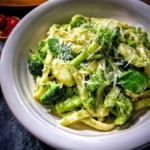
One-Pot Broccoli Pasta Recipe
Ingredients
- Pasta: 1 lb (450g) of short pasta like Orecchiette, Fusilli, Penne, or Rigatoni. The cups and ridges are perfect for catching the broccoli and sauce.
- Broccoli: 1 large head of broccoli (about 1.5 lbs or 680g), cut into small, bite-sized florets.
- Olive Oil: ½ cup (120ml) of high-quality extra virgin olive oil, plus more for drizzling.
- Garlic: 6-8 cloves of garlic, thinly sliced. Don’t be shy with the garlic!
- Red Pepper Flakes: ½ to 1 teaspoon, depending on your spice preference.
- Parmesan Cheese: 1 cup (100g) of freshly grated Parmigiano-Reggiano, plus more for serving.
- Lemon: 1 lemon, for zesting and juicing.
- Salt: Coarse sea salt or kosher salt for the pasta water and for seasoning.
- Black Pepper: Freshly cracked black pepper to taste.
Instructions
Step 1: Prepare Your Ingredients (Mise en Place)
The cooking process moves quickly, so have everything ready to go before you start.
- Bring Water to a Boil: Fill a large pot or Dutch oven with about 4-5 quarts of water. Add a generous amount of salt (it should taste like the sea). This is your only chance to season the pasta itself. Bring it to a rolling boil over high heat.
- Prep the Broccoli: While the water is heating, wash the head of broccoli. Cut off the thick, woody part of the stalk. Trim the remaining stalk and chop it into small, ¼-inch pieces. Cut the crown into small, bite-sized florets. You want them to be a similar size to your pasta.
- Prep the Aromatics: Thinly slice your garlic cloves. Grate the Parmesan cheese—using a block of cheese and grating it yourself will result in a much better flavor and melt than pre-shredded cheese. Zest the entire lemon, then cut it in half for juicing later.
Step 2: Cook the Pasta and Broccoli Together
This one-pot technique is the secret to infusing flavor and saving time.
- Add the Pasta: Once the water is at a rolling boil, add your chosen pasta. Give it a good stir to prevent it from sticking.
- Time the Broccoli: Check the package directions for your pasta’s cooking time. You will add the broccoli florets and chopped stems to the pot for the last 3-4 minutes of the pasta’s cooking time. This will cook the broccoli perfectly, leaving it bright green and tender-crisp, not mushy.
- Reserve Pasta Water: Just before draining, use a mug or heatproof measuring cup to reserve at least 2 cups of the starchy pasta water. This cloudy, magical liquid is the key to creating your sauce. Do not skip this step!
- Drain: Drain the pasta and broccoli together in a colander and set aside.
Step 3: Build the Garlic and Oil Sauce
Using the same pot (less cleanup!), you’ll create the simple, flavor-packed sauce.
- Sauté the Aromatics: Place the now-empty pot back on the stove over medium heat. Add the ½ cup of extra virgin olive oil. Once it shimmers slightly, add the sliced garlic and red pepper flakes.
- Cook Gently: Sauté for about 1-2 minutes, stirring constantly, until the garlic is fragrant and just beginning to turn a pale golden color. Be very careful not to burn the garlic, as it will become bitter. If you smell a nutty, toasty aroma, you’re on the right track. If it starts to turn dark brown, it’s gone too far.
- Create the Sauce: Remove the pot from the heat. Immediately pour in 1 cup of the reserved hot pasta water. It will sizzle and steam, which is exactly what you want. This stops the garlic from cooking further and begins the emulsification process. Whisk vigorously to combine the oil and water.
Step 4: Combine Everything
This is where the magic happens and your dish comes together.
- Return Pasta and Broccoli: Add the drained pasta and broccoli back into the pot with the sauce.
- Add Cheese and Lemon: Add the 1 cup of grated Parmesan cheese, the zest of one lemon, and the juice of half the lemon.
- Toss to Combine: Using tongs or a large spoon, toss everything together vigorously for about a minute. The heat from the pasta and the starch in the water will melt the cheese and create a light, creamy sauce that coats every single piece.
- Adjust Consistency: If the pasta seems a little dry, add more of the reserved pasta water, a few tablespoons at a time, until it reaches your desired sauciness.
- Final Seasoning: Taste the pasta. Add freshly cracked black pepper and another pinch of salt if needed (the Parmesan and pasta water are already salty, so taste first).
Nutrition
- Serving Size: One Normal Portion
- Calories: 450-550 kcal