
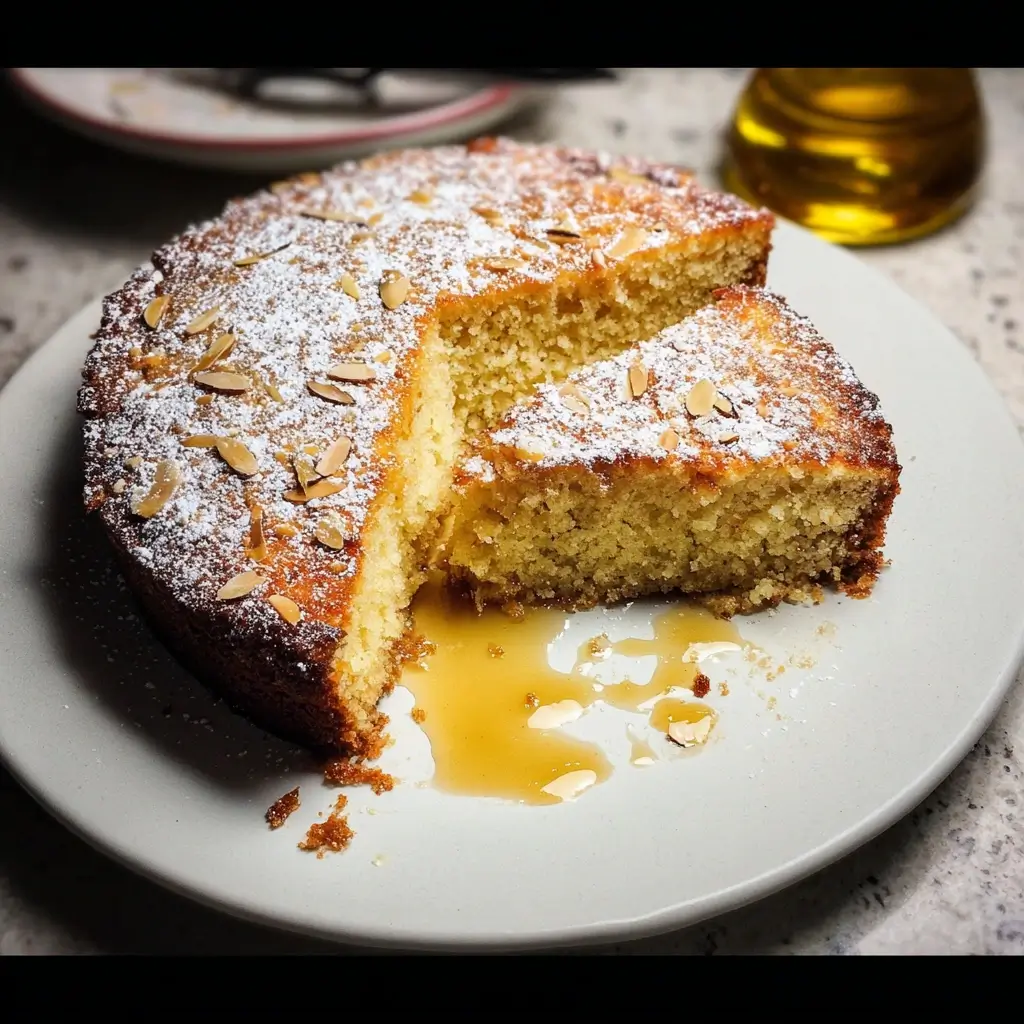

There are some desserts that are merely sweet, and then there are those that transport you. This olive oil cake is firmly in the latter category. The first time I baked it, the aroma that filled my kitchen—a warm, intoxicating blend of citrus and fruity olive oil—was a promise of something truly special. I was initially hesitant, worried the olive oil would be overpowering, but my fears were unfounded. The first bite was a revelation. It was unbelievably moist, with a tender, delicate crumb that practically melted in my mouth. My family, who are usually die-hard chocolate cake loyalists, were instantly converted. My husband declared it the “best non-chocolate cake he’d ever had,” and my kids devoured their slices, asking for more before they’d even finished. It has since become our go-to cake for every occasion, from a simple afternoon pick-me-up with a cup of tea to the centerpiece dessert for dinner parties. It’s rustic yet elegant, simple yet complex, and it proves that the most beautiful flavors often come from the simplest, highest-quality ingredients. This isn’t just a recipe; it’s a little slice of Mediterranean sunshine you can bake in your own home.
A Mediterranean Dream: The Ultimate Moist Olive Oil Cake Recipe
Olive oil cake is a testament to the magic of Mediterranean baking. Unlike butter-based cakes, which can sometimes be heavy, a well-made olive oil cake is characterized by its extraordinary moisture and a wonderfully tender texture. The key is using a high-quality extra virgin olive oil, which imparts a subtle, fruity, and slightly peppery note that is complex and sophisticated rather than greasy. This recipe is the culmination of many trials, perfected to achieve the ideal balance of flavors and the most luscious crumb. We use both lemon and orange zest to cut through the richness and brighten the overall profile, while full-fat Greek yogurt ensures the cake stays moist for days. This is the kind of timeless, unfussy dessert that feels both humble and luxurious, perfect for any baker, from novice to expert.
The Heart of the Cake: Choosing Your Ingredients
The simplicity of an olive oil cake means that the quality of each ingredient shines through. There’s nowhere for subpar flavors to hide, so choosing wisely is the first step toward a perfect cake. This section breaks down the role of each component and why it matters.
The Star Player: Extra Virgin Olive Oil
This is the most crucial choice you will make for this recipe. Do not use “light” olive oil or a generic “pure” olive oil. You need the flavor and character of a good Extra Virgin Olive Oil (EVOO).
- Flavor Profile: Look for a high-quality, cold-pressed EVOO that you would enjoy in a salad dressing. A fruity, buttery, or slightly grassy olive oil works beautifully. Avoid intensely peppery or bitter oils, as these flavors can become too pronounced after baking. A good mid-range Italian, Spanish, or Californian EVOO is a perfect choice.
- Why it Works: The fat in olive oil is monounsaturated, which helps create a cake with an incredibly soft and tender crumb. It also keeps the cake moister for longer than butter, which contains water that evaporates during baking.
The Brighteners: Citrus Zest
The zest from citrus fruits contains aromatic oils that are far more potent than the juice. For this cake, we use both lemon and orange.
- Lemon Zest: Provides a bright, zesty high note that cuts through the richness of the oil and sugar.
- Orange Zest: Adds a sweeter, more floral aroma that complements the fruity notes in the olive oil.
- The Technique: We’ll be rubbing the zest directly into the granulated sugar. This mechanical action helps release the essential oils from the zest, infusing the sugar with an intense citrus fragrance before it’s even mixed into the batter.
The Foundation: Flours
- All-Purpose Flour: This provides the main structure for the cake. Nothing fancy is needed here; standard all-purpose flour gives the cake the perfect balance of sturdiness and tenderness.
- Almond Flour (Optional but Recommended): While you can make this cake with only all-purpose flour, adding a small amount of finely ground almond flour is a baker’s secret. It adds a subtle nutty flavor, extra moisture due to its higher fat content, and contributes to a finer, more tender crumb.
The Moisture and Tenderness Trio: Yogurt, Eggs, and Milk
- Full-Fat Greek Yogurt or Sour Cream: This is non-negotiable for a supremely moist cake. The acidity in the yogurt reacts with the baking soda to help the cake rise, while its high fat content creates a rich, tender texture.
- Large Eggs: Eggs provide structure, leavening, and richness. Using room-temperature eggs is vital, as they will emulsify more easily with the oil and sugar, creating a smoother, more uniform batter and a lighter final product.
- Whole Milk: Adds a bit more liquid to the batter to achieve the perfect consistency. Like the eggs and yogurt, it should be at room temperature to ensure even mixing.
Ingredients for the Perfect Olive Oil Cake
- 2 cups (250g) All-Purpose Flour
- ½ cup (50g) Fine Almond Flour
- 1 ½ teaspoons Baking Powder
- ½ teaspoon Baking Soda
- 1 teaspoon Kosher Salt
- 1 ½ cups (300g) Granulated Sugar
- 2 tablespoons finely grated zest from 1 large orange and 1 large lemon
- 1 cup (240ml) High-Quality Extra Virgin Olive Oil
- 3 Large Eggs, at room temperature
- 1 cup (240g) Full-Fat Plain Greek Yogurt or Sour Cream, at room temperature
- ¼ cup (60ml) Whole Milk, at room temperature
- 1 teaspoon Pure Vanilla Extract
- Powdered sugar, for dusting (optional)
Step-by-Step Instructions for a Flawless Bake
Follow these detailed instructions carefully to ensure your olive oil cake comes out perfectly every time. The key is in the technique, not just the ingredients.
1. Preparation is Key:
Preheat your oven to 350°F (175°C). Generously grease a 9-inch round springform pan or a standard 9-inch round cake pan with olive oil or butter. Line the bottom with a circle of parchment paper and grease the parchment as well. Finally, dust the entire inside of the pan with flour, tapping out any excess. This three-step process (grease, parchment, flour) guarantees your cake will release cleanly.
2. Whisk the Dry Ingredients:
In a medium bowl, whisk together the all-purpose flour, almond flour, baking powder, baking soda, and kosher salt. Whisking thoroughly ensures the leaveners are evenly distributed, which will help the cake rise evenly. Set the bowl aside.
3. Infuse the Sugar with Citrus:
In a large bowl, combine the granulated sugar and the freshly grated lemon and orange zests. Using your fingertips, rub the zest into the sugar for about 1-2 minutes. You will notice the sugar becoming fragrant and slightly damp. This technique releases the essential oils from the zest, creating a powerful citrus aroma that will perfume the entire cake.
4. Combine the Wet Ingredients (Minus the Oil):
To the citrus sugar, add the 3 room-temperature eggs. Using an electric hand mixer or a stand mixer fitted with the whisk attachment, beat on medium-high speed for about 3-4 minutes. The mixture should become pale, thick, and fluffy. This step incorporates air into the batter, which is essential for a light texture. Next, beat in the room-temperature Greek yogurt and vanilla extract until just combined.
5. Create the Emulsion:
Turn the mixer to a low speed. Slowly, in a thin, steady stream, pour in the 1 cup of extra virgin olive oil. This is a critical step. Pouring the oil in slowly allows it to emulsify with the egg and sugar mixture, creating a stable, silky batter. If you pour it in too quickly, the batter can separate. Once all the oil is incorporated, the batter should look smooth and glossy.
6. Combine Wet and Dry:
Add half of the dry flour mixture to the wet ingredients and mix on low speed until just incorporated. Add the room-temperature milk and mix until combined. Finally, add the remaining half of the dry ingredients and mix only until no streaks of flour remain. Do not overmix! Overmixing develops gluten in the flour, which will result in a tough, dense, and rubbery cake. A few small lumps are perfectly fine.
7. Bake to Golden Perfection:
Pour the finished batter into your prepared cake pan and use a spatula to smooth the top. Bake for 45-55 minutes. The cake is done when it is golden brown, the edges have pulled away slightly from the sides of the pan, and a wooden skewer or toothpick inserted into the center comes out with a few moist crumbs attached (but no wet batter).
8. The Crucial Cooling Period:
Place the cake pan on a wire rack and let the cake cool in the pan for at least 20-30 minutes. This allows the cake to set up, making it easier to handle. After 30 minutes, run a thin knife around the edge of the pan to loosen it (if not using a springform). Carefully invert the cake onto the wire rack, peel off the parchment paper, and then flip it back over so it’s right-side up. Allow the cake to cool completely to room temperature before slicing and serving, at least 2 hours. This resting time allows the crumb to set and the flavors to meld.
Nutrition Facts
- Servings: 10-12 slices
- Calories per serving: Approximately 420-490 kcal (This is an estimate and can vary based on specific ingredients used, such as the fat content of the yogurt and the exact type of olive oil).
Time Commitment: From Prep to Plate
- Preparation Time: 20 minutes
- Cook Time: 45-55 minutes
- Cooling Time: 2 hours
- Total Time: Approximately 3 hours 15 minutes
How to Serve Your Stunning Olive Oil Cake
This cake’s beautiful simplicity makes it a versatile canvas for a variety of accompaniments. Here are some wonderful ways to serve it:
- The Purest Form:
- Let the cake’s flavor shine on its own with a simple, elegant dusting of powdered sugar just before serving.
- With a Dollop of Cream:
- A spoonful of freshly whipped cream, lightly sweetened, adds a lovely lightness.
- For a tangy, rich contrast, serve with a dollop of mascarpone cheese or crème fraîche.
- To lean into the wholesome feel, a side of plain Greek yogurt is also delicious.
- Paired with Fresh Fruit:
- Fresh Berries: A handful of fresh raspberries, blueberries, or sliced strawberries in the spring and summer is a classic pairing.
- Citrus Segments: Serve alongside supremes (pith-free segments) of orange or grapefruit for an extra citrus kick.
- Seasonal Stone Fruit: In late summer, slices of fresh or lightly grilled peaches or plums are divine.
- Figs: In the fall, fresh figs and a drizzle of honey are an incredibly sophisticated and delicious combination.
- With a Sauce or Drizzle:
- A simple raspberry or strawberry coulis adds a vibrant splash of color and flavor.
- A drizzle of high-quality local honey or maple syrup enhances the cake’s natural sweetness.
- For a more decadent twist, a light drizzle of melted dark chocolate can be a surprising but welcome addition.
- As a Breakfast or Brunch Treat:
- Serve a slice alongside a strong cup of espresso or a frothy cappuccino. It’s the perfect companion to your morning coffee.
Baker’s Secrets: 5 Additional Tips for Perfection
- Don’t Fear the Salt: Salt is a flavor enhancer. In a sweet bake like this, one teaspoon of kosher salt might seem like a lot, but it’s crucial. It doesn’t make the cake salty; it sharpens the other flavors, balancing the sweetness of the sugar and amplifying the fruity notes of the olive oil and citrus.
- Room Temperature is a Rule, Not a Suggestion: We’ve mentioned it for the eggs, yogurt, and milk, and it’s worth repeating. Cold ingredients do not emulsify properly. Adding cold yogurt or eggs to the sugar mixture can cause the fats to seize up, resulting in a curdled-looking batter and a denser, greasier final cake. To bring eggs to room temperature quickly, place them in a bowl of warm (not hot) water for 5-10 minutes.
- Weigh Your Ingredients: For the most consistent and professional results, use a kitchen scale. Baking is a science, and volume measurements (cups) can be wildly inconsistent depending on how you scoop your flour. Weighing your ingredients, especially the flour, is the single best way to guarantee your cake has the perfect texture every single time.
- Embrace the Rest: This cake is even better on the second day. As it sits, the olive oil continues to moisturize the crumb, and the flavors have more time to meld and deepen. If you can resist, bake it a day before you plan to serve it. Store it well-wrapped in an airtight container at room temperature.
- Pan Choice Matters: While this recipe is written for a 9-inch round pan, it’s adaptable. You can use a 10-cup Bundt pan, but you’ll need to increase the baking time to 55-65 minutes. A 9×5 inch loaf pan will also work, but it may require 60-70 minutes of baking. Always rely on the toothpick test for doneness rather than just the clock.
Olive Oil Cake FAQ: Your Questions Answered
1. Will my cake taste overwhelmingly of olive oil?
Not at all! A good quality, fruity extra virgin olive oil will give the cake a wonderfully complex, slightly fruity, and subtly savory background note. It won’t taste like you’re eating olive oil from a spoon. It adds richness and depth that butter cannot replicate. The citrus zest also plays a huge role in balancing and brightening the flavor.
2. Can I use a different kind of flour?
You can make this cake using 100% all-purpose flour if you don’t have almond flour. Simply use 2 ½ cups (315g) of all-purpose flour in total. The cake will still be delicious, just slightly less tender. You could also experiment by swapping a portion of the all-purpose flour with cake flour for an even finer crumb, or with whole wheat pastry flour for a nuttier, more rustic result.
3. How do I properly store my olive oil cake?
This cake stores beautifully. Because of the oil, it stays moist for much longer than butter cakes. Store it in an airtight container or wrap it tightly in plastic wrap at room temperature for up to 4 days. There is no need to refrigerate it; in fact, refrigeration can dry it out and dull the flavors.
4. Can I make this cake dairy-free?
Yes, you can. For the Greek yogurt, substitute a thick, plain, unsweetened dairy-free yogurt (like a coconut or almond-based one). For the whole milk, you can use any unsweetened plant-based milk, such as almond milk, oat milk, or soy milk. The results will be excellent.
5. Can I freeze this cake?
Absolutely. Olive oil cake freezes exceptionally well. Let the cake cool completely, then wrap it tightly in two layers of plastic wrap, followed by a layer of aluminum foil. It can be frozen whole or in individual slices for up to 3 months. To serve, let it thaw, still wrapped, at room temperature for a few hours.
Moist Olive Oil Cake Recipe
Ingredients
- 2 cups (250g) All-Purpose Flour
- ½ cup (50g) Fine Almond Flour
- 1 ½ teaspoons Baking Powder
- ½ teaspoon Baking Soda
- 1 teaspoon Kosher Salt
- 1 ½ cups (300g) Granulated Sugar
- 2 tablespoons finely grated zest from 1 large orange and 1 large lemon
- 1 cup (240ml) High-Quality Extra Virgin Olive Oil
- 3 Large Eggs, at room temperature
- 1 cup (240g) Full-Fat Plain Greek Yogurt or Sour Cream, at room temperature
- ¼ cup (60ml) Whole Milk, at room temperature
- 1 teaspoon Pure Vanilla Extract
- Powdered sugar, for dusting (optional)
Instructions
1. Preparation is Key:
Preheat your oven to 350°F (175°C). Generously grease a 9-inch round springform pan or a standard 9-inch round cake pan with olive oil or butter. Line the bottom with a circle of parchment paper and grease the parchment as well. Finally, dust the entire inside of the pan with flour, tapping out any excess. This three-step process (grease, parchment, flour) guarantees your cake will release cleanly.
2. Whisk the Dry Ingredients:
In a medium bowl, whisk together the all-purpose flour, almond flour, baking powder, baking soda, and kosher salt. Whisking thoroughly ensures the leaveners are evenly distributed, which will help the cake rise evenly. Set the bowl aside.
3. Infuse the Sugar with Citrus:
In a large bowl, combine the granulated sugar and the freshly grated lemon and orange zests. Using your fingertips, rub the zest into the sugar for about 1-2 minutes. You will notice the sugar becoming fragrant and slightly damp. This technique releases the essential oils from the zest, creating a powerful citrus aroma that will perfume the entire cake.
4. Combine the Wet Ingredients (Minus the Oil):
To the citrus sugar, add the 3 room-temperature eggs. Using an electric hand mixer or a stand mixer fitted with the whisk attachment, beat on medium-high speed for about 3-4 minutes. The mixture should become pale, thick, and fluffy. This step incorporates air into the batter, which is essential for a light texture. Next, beat in the room-temperature Greek yogurt and vanilla extract until just combined.
5. Create the Emulsion:
Turn the mixer to a low speed. Slowly, in a thin, steady stream, pour in the 1 cup of extra virgin olive oil. This is a critical step. Pouring the oil in slowly allows it to emulsify with the egg and sugar mixture, creating a stable, silky batter. If you pour it in too quickly, the batter can separate. Once all the oil is incorporated, the batter should look smooth and glossy.
6. Combine Wet and Dry:
Add half of the dry flour mixture to the wet ingredients and mix on low speed until just incorporated. Add the room-temperature milk and mix until combined. Finally, add the remaining half of the dry ingredients and mix only until no streaks of flour remain. Do not overmix! Overmixing develops gluten in the flour, which will result in a tough, dense, and rubbery cake. A few small lumps are perfectly fine.
7. Bake to Golden Perfection:
Pour the finished batter into your prepared cake pan and use a spatula to smooth the top. Bake for 45-55 minutes. The cake is done when it is golden brown, the edges have pulled away slightly from the sides of the pan, and a wooden skewer or toothpick inserted into the center comes out with a few moist crumbs attached (but no wet batter).
8. The Crucial Cooling Period:
Place the cake pan on a wire rack and let the cake cool in the pan for at least 20-30 minutes. This allows the cake to set up, making it easier to handle. After 30 minutes, run a thin knife around the edge of the pan to loosen it (if not using a springform). Carefully invert the cake onto the wire rack, peel off the parchment paper, and then flip it back over so it’s right-side up. Allow the cake to cool completely to room temperature before slicing and serving, at least 2 hours. This resting time allows the crumb to set and the flavors to meld.
Nutrition
- Serving Size: One Normal Portion
- Calories: 420-490