
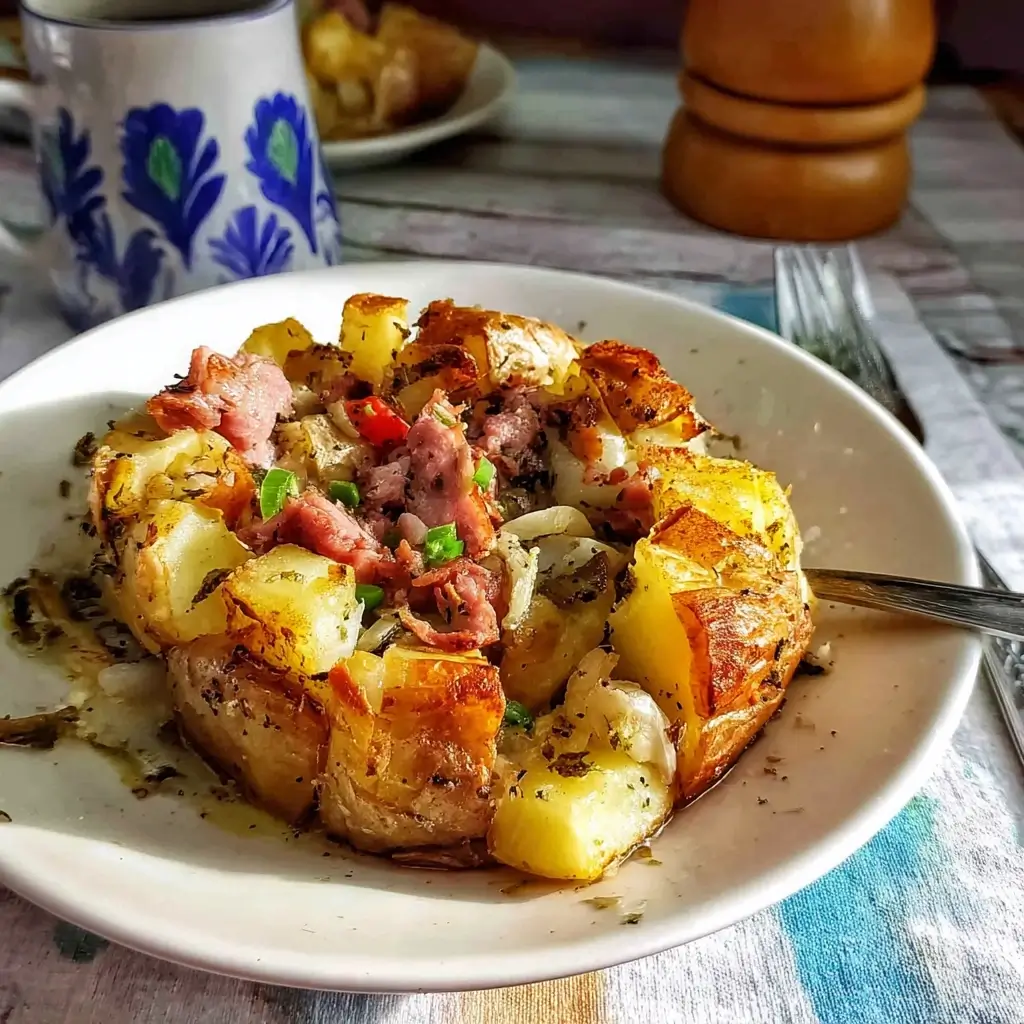
There are few meals as comforting and satisfying as a traditional Sunday dinner centered around a perfectly cooked cottage roll. The aroma fills the house, promising a hearty, savory feast. But as wonderful as that first meal is, the real magic often happens the next day. Staring into the fridge at that glorious chunk of leftover smoked pork, the possibilities seem endless, yet one dish stands head and shoulders above the rest in our household: the Leftover Cottage Roll Hash. The first time I whipped this up, it was purely out of necessity—a desire to create a quick breakfast that wouldn’t feel like a simple repeat of last night’s dinner. The result was nothing short of a revelation. The salty, smoky pork, diced and fried until its edges were irresistibly crisp, mingled with fluffy-centered potatoes that had their own perfectly browned crust. Sweet, caramelized onions and peppers tied it all together. When I slid a sunny-side-up egg on top for my husband, the look on his face said it all. The rich, runny yolk became an instant, luxurious sauce, binding every delicious component. Now, it’s not just a way to use leftovers; it’s a meal we actively look forward to, a brunch staple that my kids request and a dish that transforms a simple remnant into a culinary main event. This recipe is more than just a set of instructions; it’s a blueprint for turning the memorable into the unforgettable.
The Ultimate Leftover Cottage Roll Hash Recipe
This recipe is designed to be a forgiving and flexible guide. The measurements are a starting point, but the true essence of a good hash lies in using what you have and adjusting to your personal taste. The goal is to achieve a perfect balance of textures and flavors: crispy, fluffy, salty, sweet, and savory in every single bite.
Ingredients
- Leftover Cooked Cottage Roll: 3 cups, diced into ½-inch cubes. The key here is to have the cottage roll already cooked and cooled. This makes it easier to dice and helps it crisp up beautifully in the pan without releasing too much moisture.
- Potatoes: 4 medium Yukon Gold or Russet potatoes (about 1.5 lbs), peeled and diced into ½-inch cubes. Yukon Golds are my personal preference as their waxy, creamy texture holds up well to dicing and frying, resulting in a fluffy interior. Russets will give you a slightly drier, fluffier result, which is also delicious.
- Yellow Onion: 1 large, diced. A yellow onion provides a foundational sweetness when sautéed that perfectly complements the salty pork. A sweet Vidalia onion would also be a fantastic choice.
- Bell Pepper: 1 medium (any color), diced. Red bell pepper adds a lovely sweetness and a vibrant pop of color, while green bell pepper offers a more vegetal, slightly bitter note that can cut through the richness. An orange or yellow pepper works wonderfully, too.
- Garlic: 3 cloves, minced. Garlic is added near the end of the cooking process to prevent it from burning and becoming bitter. Its pungent, aromatic flavor is essential.
- Unsalted Butter: 2 tablespoons. Butter adds richness, flavor, and helps achieve that beautiful golden-brown crust on the potatoes.
- Olive Oil or Vegetable Oil: 2 tablespoons. Using a combination of oil and butter gives you the best of both worlds: the high smoke point of the oil prevents the butter from burning, while the butter provides unparalleled flavor.
- Black Pepper: 1 teaspoon, freshly cracked.
- Salt: ½ teaspoon, or to taste. Be conservative with the salt initially, as the cottage roll is already quite salty. Taste and adjust at the end.
- Optional Spices: ½ teaspoon smoked paprika or a pinch of cayenne pepper for a little heat and smoky depth.
- Fresh Parsley or Chives: 2 tablespoons, finely chopped for garnish. This adds a burst of freshness that brightens up the entire dish.
Step-by-Step Instructions for Perfect Hash
Patience is the secret ingredient for an exceptional hash. Rushing the process, especially when crisping the potatoes, will result in a soft, steamed mixture rather than the desired crispy-on-the-outside, fluffy-on-the-inside texture. Follow these steps closely for guaranteed success.
Step 1: Prepare the Potatoes
The most crucial step for achieving crispy hash is to properly prepare the potatoes. After peeling and dicing them into uniform ½-inch cubes, place them in a medium saucepan. Cover the potatoes with cold, salted water, ensuring the water level is about an inch above the potatoes. Bring the water to a boil over high heat, then reduce the heat to a simmer. Cook for 5-7 minutes, or until the potatoes are just fork-tender. You should be able to easily pierce a potato cube with a fork, but it should not be falling apart. This par-boiling process cooks the inside of the potato, so the time in the skillet can be dedicated entirely to creating a magnificent crust.
Step 2: Drain and Dry the Potatoes
Once the potatoes are par-boiled, drain them thoroughly in a colander. Give the colander a gentle shake to remove as much water as possible. For an extra-crispy guarantee, spread the drained potatoes in a single layer on a baking sheet lined with paper towels or a clean kitchen towel. Let them steam dry for at least 5-10 minutes. The drier the surface of the potato, the better it will fry and crisp up.
Step 3: Sauté the Aromatics
While the potatoes are drying, begin building the flavor base. Place a large, heavy-bottomed skillet (a 12-inch cast-iron skillet is highly recommended for its even heat distribution and retention) over medium-high heat. Add the 2 tablespoons of oil. Once the oil is shimmering, add the diced onion and bell pepper. Sauté, stirring occasionally, for 6-8 minutes, until the vegetables have softened and the onions are becoming translucent and lightly golden at the edges.
Step 4: Crisp the Potatoes
Push the sautéed onions and peppers to the sides of the skillet, creating a large open space in the center. Add the 2 tablespoons of butter to the center and allow it to melt and foam. Add your dry, par-boiled potatoes to the skillet in a single, even layer. Now comes the most important part: do not touch them. Let the potatoes cook undisturbed for a solid 5-7 minutes. This allows them to form a deep, golden-brown, crispy crust on the bottom. You will hear them sizzling and see the edges turning brown. This is the foundation of a great hash.
Step 5: Combine and Continue to Crisp
After the initial crisping time, use a spatula to flip the potatoes and mix them with the onions and peppers. Spread the mixture out again and continue to cook, stirring only every 3-4 minutes, to allow other sides of the potatoes to get crispy. Continue this process for another 10-15 minutes, or until the potatoes are golden brown and crispy to your liking.
Step 6: Add the Cottage Roll and Garlic
Now it’s time to introduce the star of the show. Add the diced leftover cottage roll to the skillet. Stir to combine everything. The goal here is to heat the pork through and get some nice crispy, caramelized edges on it, which should take about 5-7 minutes. In the last 2 minutes of cooking, add the minced garlic and any optional spices like smoked paprika or cayenne. Stir constantly for about 60 seconds until the garlic is fragrant. Adding it at the end ensures it infuses the dish with flavor without any risk of burning.
Step 7: Season and Serve
Turn off the heat. Taste the hash and season with the freshly cracked black pepper and salt. Be mindful that the cottage roll contributes a lot of saltiness, so you may need less salt than you think. Stir one final time, then garnish generously with fresh, chopped parsley or chives before serving hot.
Nutrition Facts
- Servings: 4-6 generous servings
- Calories per serving: Approximately 450-550 kcal
Disclaimer: The nutritional information provided is an estimate and can vary significantly based on the specific ingredients used, such as the fat content of the cottage roll, the amount of oil and butter, and the size of the potatoes. This estimate is for one of six servings and does not include any additional toppings like eggs or cheese.
Preparation Time
- Prep Time: 15 minutes (for dicing vegetables and pork)
- Cook Time: 40-45 minutes
- Total Time: Approximately 1 hour
While this isn’t a 15-minute meal, the largely hands-off cooking time and incredible flavor make it well worth the effort for a weekend breakfast, brunch, or a quick and satisfying weeknight dinner.
How to Serve Leftover Cottage Roll Hash
This hash is a wonderfully versatile base that can be served in numerous ways to suit any meal or craving. Here are some of our favorite ways to enjoy it:
- The Classic Brunch Plate:
- Top a generous portion of the hash with one or two eggs cooked your favorite way. A sunny-side-up or poached egg is particularly spectacular, as the runny yolk creates a rich, creamy sauce that coats every bite.
- Serve with a side of thick-cut sourdough or rye toast for scooping up the last delicious bits.
- A few slices of fresh avocado or tomato on the side add a cool, fresh contrast.
- As a Hearty Filling:
- Breakfast Burritos: Spoon the hash onto a large, warm flour tortilla. Top with scrambled eggs, shredded cheddar or Monterey Jack cheese, and a dollop of sour cream or salsa before rolling it up.
- Stuffed Omelet: Prepare a simple two or three-egg omelet and use the warm hash as a delicious, savory filling.
- With Sauces and Condiments:
- A drizzle of your favorite hot sauce (like Sriracha, Cholula, or Tabasco) adds a welcome kick of heat.
- For a truly decadent brunch, spoon a generous amount of Hollandaise sauce over the hash and a poached egg for a twist on Eggs Benedict.
- A simple dollop of sour cream or full-fat Greek yogurt can add a tangy coolness that balances the richness of the pork and potatoes.
- And of course, you can never go wrong with a side of classic ketchup.
- Garnishes for the Finishing Touch:
- Fresh Herbs: Beyond parsley and chives, consider fresh dill or cilantro for a different flavor profile.
- Cheese: Sprinkle some shredded sharp cheddar, crumbled feta, or grated Parmesan over the hot hash just before serving and let it melt slightly.
- Pickled Onions: A few quick-pickled red onions on top can provide a sharp, acidic crunch that cuts through the fat and elevates the entire dish.
Additional Tips for Hash Perfection
Mastering this recipe is easy, but these five tips will elevate your hash from great to absolutely unforgettable.
1. The Pan is Paramount
The single most effective tool for achieving a superior crust on your hash is a well-seasoned cast-iron skillet. Cast iron heats evenly and retains that heat exceptionally well, which is essential for searing and browning. If you don’t have cast iron, use the heaviest stainless steel or hard-anodized aluminum skillet you own. Avoid thin, lightweight non-stick pans, as they often struggle to maintain the high, even heat needed and can lead to steaming rather than frying.
2. Don’t Crowd the Pan
This is a universal rule for browning, and it’s especially true for hash. If you pack too many ingredients into the skillet at once, the moisture released from the food gets trapped and steams the ingredients instead of allowing them to fry. The result is soft, pale, and soggy potatoes. If your skillet isn’t big enough to hold all the potatoes in a single layer, it’s far better to cook them in two separate batches and combine them at the end. Give your ingredients space to breathe and sizzle.
3. The Potato Secret: Par-boil and Dry
We covered this in the instructions, but it bears repeating because it’s so critical. Par-boiling the potatoes first ensures the insides are perfectly cooked and fluffy. More importantly, thoroughly drying the potatoes’ exterior after boiling is what allows the hot oil and butter to immediately start forming that coveted crispy crust. Don’t skip this step! As a shortcut, you can also use leftover roasted or boiled potatoes from a previous meal, which is a fantastic time-saver.
4. Experiment with Vegetable Variations
This recipe is a fantastic template for using up other vegetables you might have in your crisper drawer. Feel free to add or substitute with any of the following:
- Mushrooms: Add sliced cremini or button mushrooms along with the onions and peppers.
- Sweet Potatoes: For a sweeter take, substitute one or two of the Yukon Golds with a sweet potato. They complement the salty pork beautifully.
- Zucchini or Summer Squash: Dice and add them during the last 10 minutes of cooking, as they cook much faster than potatoes.
- Leafy Greens: Wilt in a few large handfuls of spinach or kale at the very end of cooking for a boost of nutrients and color.
5. Master Your Seasoning Game
While salt and pepper are essential, don’t be afraid to introduce other spices to create a more complex flavor profile.
- Smoked Paprika: Adds a deep, smoky flavor that enhances the smokiness of the cottage roll.
- Cumin and Coriander: A pinch of each can lend a warm, earthy depth to the hash.
- Herbs de Provence: This classic French blend can give your hash a more refined, aromatic character.
- Red Pepper Flakes: For those who like it hot, a generous pinch added with the garlic will infuse the dish with a lingering heat. Always taste at the end and adjust your seasonings before serving.
Frequently Asked Questions (FAQ)
1. What exactly is a cottage roll?
A cottage roll, also known as a pork shoulder butt or picnic roast, is a boneless cut of pork shoulder that has been cured, much like ham or bacon. It’s typically netted or tied into a compact “roll” shape, which is where it gets its name. It’s known for being incredibly flavorful, tender, and salty. Unlike corned beef, which is made from beef brisket, a cottage roll is exclusively pork. It’s often simmered or roasted, and the leftovers are prized for their versatility.
2. Can I make this hash with other leftover meats?
Absolutely! This hash recipe is a fantastic way to repurpose almost any leftover roasted or cured meat. Some excellent alternatives include:
- Leftover Ham: Diced ham from a holiday meal is a perfect substitute.
- Corned Beef: This is the classic substitution, turning the recipe into a traditional Corned Beef Hash.
- Roast Turkey or Chicken: A great way to use up leftovers after Thanksgiving or a Sunday roast.
- Roast Beef or Steak: Diced leftover steak or pot roast makes for a rich and hearty hash.
Just dice your chosen meat and add it at the same stage you would add the cottage roll.
3. My hash isn’t getting crispy. What am I doing wrong?
This is the most common hash-making challenge. Here’s a troubleshooting checklist:
- Your potatoes were too wet: Did you thoroughly drain and dry the par-boiled potatoes? Any excess moisture will create steam.
- Your pan was too crowded: Are the ingredients in a single layer? If not, cook in batches.
- Your heat wasn’t high enough: Use medium-high heat to ensure a good sizzle. If the heat is too low, the food will slowly absorb oil and become greasy rather than crispy.
- You’re stirring too much: You must resist the urge to constantly stir. Give the potatoes several minutes of uninterrupted contact with the hot pan to form a crust before flipping.
- Not enough fat: Don’t be shy with the oil and butter. Fat is the medium that transfers heat and creates crispiness. A dry pan will not produce a crispy hash.
4. Can I make this recipe ahead of time?
While hash is undeniably best when served fresh from the skillet, you can certainly do some prep ahead of time to make assembly quicker. You can peel and dice the potatoes, onion, and pepper a day in advance. Store the potatoes submerged in cold water in the fridge to prevent browning, and keep the other vegetables in an airtight container. You can also cook the entire hash ahead of time and store it in the fridge for up to 3 days. To reheat, spread it on a baking sheet and bake at 400°F (200°C) for 10-15 minutes, or reheat it in a lightly oiled skillet over medium heat until warmed through and re-crisped. Avoid reheating in the microwave, as it will make the potatoes soft.
5. Is this Leftover Cottage Roll Hash recipe gluten-free?
Yes, this recipe is naturally gluten-free. All the core ingredients—pork, potatoes, vegetables, oil, butter, and spices—do not contain gluten. However, it is always crucial to double-check the label on your specific cottage roll. While uncommon, some curing solutions or broths used in pre-packaged meats can occasionally contain gluten-based additives. As long as you verify your cottage roll is gluten-free, the entire dish will be safe for those with celiac disease or gluten sensitivity.

Leftover Cottage Roll Hash Recipe
Ingredients
- Leftover Cooked Cottage Roll: 3 cups, diced into ½-inch cubes. The key here is to have the cottage roll already cooked and cooled. This makes it easier to dice and helps it crisp up beautifully in the pan without releasing too much moisture.
- Potatoes: 4 medium Yukon Gold or Russet potatoes (about 1.5 lbs), peeled and diced into ½-inch cubes. Yukon Golds are my personal preference as their waxy, creamy texture holds up well to dicing and frying, resulting in a fluffy interior. Russets will give you a slightly drier, fluffier result, which is also delicious.
- Yellow Onion: 1 large, diced. A yellow onion provides a foundational sweetness when sautéed that perfectly complements the salty pork. A sweet Vidalia onion would also be a fantastic choice.
- Bell Pepper: 1 medium (any color), diced. Red bell pepper adds a lovely sweetness and a vibrant pop of color, while green bell pepper offers a more vegetal, slightly bitter note that can cut through the richness. An orange or yellow pepper works wonderfully, too.
- Garlic: 3 cloves, minced. Garlic is added near the end of the cooking process to prevent it from burning and becoming bitter. Its pungent, aromatic flavor is essential.
- Unsalted Butter: 2 tablespoons. Butter adds richness, flavor, and helps achieve that beautiful golden-brown crust on the potatoes.
- Olive Oil or Vegetable Oil: 2 tablespoons. Using a combination of oil and butter gives you the best of both worlds: the high smoke point of the oil prevents the butter from burning, while the butter provides unparalleled flavor.
- Black Pepper: 1 teaspoon, freshly cracked.
- Salt: ½ teaspoon, or to taste. Be conservative with the salt initially, as the cottage roll is already quite salty. Taste and adjust at the end.
- Optional Spices: ½ teaspoon smoked paprika or a pinch of cayenne pepper for a little heat and smoky depth.
- Fresh Parsley or Chives: 2 tablespoons, finely chopped for garnish. This adds a burst of freshness that brightens up the entire dish.
Instructions
Step 1: Prepare the Potatoes
The most crucial step for achieving crispy hash is to properly prepare the potatoes. After peeling and dicing them into uniform ½-inch cubes, place them in a medium saucepan. Cover the potatoes with cold, salted water, ensuring the water level is about an inch above the potatoes. Bring the water to a boil over high heat, then reduce the heat to a simmer. Cook for 5-7 minutes, or until the potatoes are just fork-tender. You should be able to easily pierce a potato cube with a fork, but it should not be falling apart. This par-boiling process cooks the inside of the potato, so the time in the skillet can be dedicated entirely to creating a magnificent crust.
Step 2: Drain and Dry the Potatoes
Once the potatoes are par-boiled, drain them thoroughly in a colander. Give the colander a gentle shake to remove as much water as possible. For an extra-crispy guarantee, spread the drained potatoes in a single layer on a baking sheet lined with paper towels or a clean kitchen towel. Let them steam dry for at least 5-10 minutes. The drier the surface of the potato, the better it will fry and crisp up.
Step 3: Sauté the Aromatics
While the potatoes are drying, begin building the flavor base. Place a large, heavy-bottomed skillet (a 12-inch cast-iron skillet is highly recommended for its even heat distribution and retention) over medium-high heat. Add the 2 tablespoons of oil. Once the oil is shimmering, add the diced onion and bell pepper. Sauté, stirring occasionally, for 6-8 minutes, until the vegetables have softened and the onions are becoming translucent and lightly golden at the edges.
Step 4: Crisp the Potatoes
Push the sautéed onions and peppers to the sides of the skillet, creating a large open space in the center. Add the 2 tablespoons of butter to the center and allow it to melt and foam. Add your dry, par-boiled potatoes to the skillet in a single, even layer. Now comes the most important part: do not touch them. Let the potatoes cook undisturbed for a solid 5-7 minutes. This allows them to form a deep, golden-brown, crispy crust on the bottom. You will hear them sizzling and see the edges turning brown. This is the foundation of a great hash.
Step 5: Combine and Continue to Crisp
After the initial crisping time, use a spatula to flip the potatoes and mix them with the onions and peppers. Spread the mixture out again and continue to cook, stirring only every 3-4 minutes, to allow other sides of the potatoes to get crispy. Continue this process for another 10-15 minutes, or until the potatoes are golden brown and crispy to your liking.
Step 6: Add the Cottage Roll and Garlic
Now it’s time to introduce the star of the show. Add the diced leftover cottage roll to the skillet. Stir to combine everything. The goal here is to heat the pork through and get some nice crispy, caramelized edges on it, which should take about 5-7 minutes. In the last 2 minutes of cooking, add the minced garlic and any optional spices like smoked paprika or cayenne. Stir constantly for about 60 seconds until the garlic is fragrant. Adding it at the end ensures it infuses the dish with flavor without any risk of burning.
Step 7: Season and Serve
Turn off the heat. Taste the hash and season with the freshly cracked black pepper and salt. Be mindful that the cottage roll contributes a lot of saltiness, so you may need less salt than you think. Stir one final time, then garnish generously with fresh, chopped parsley or chives before serving hot.
Nutrition
- Serving Size: One Normal Portion
- Calories: 450-550 kcal