
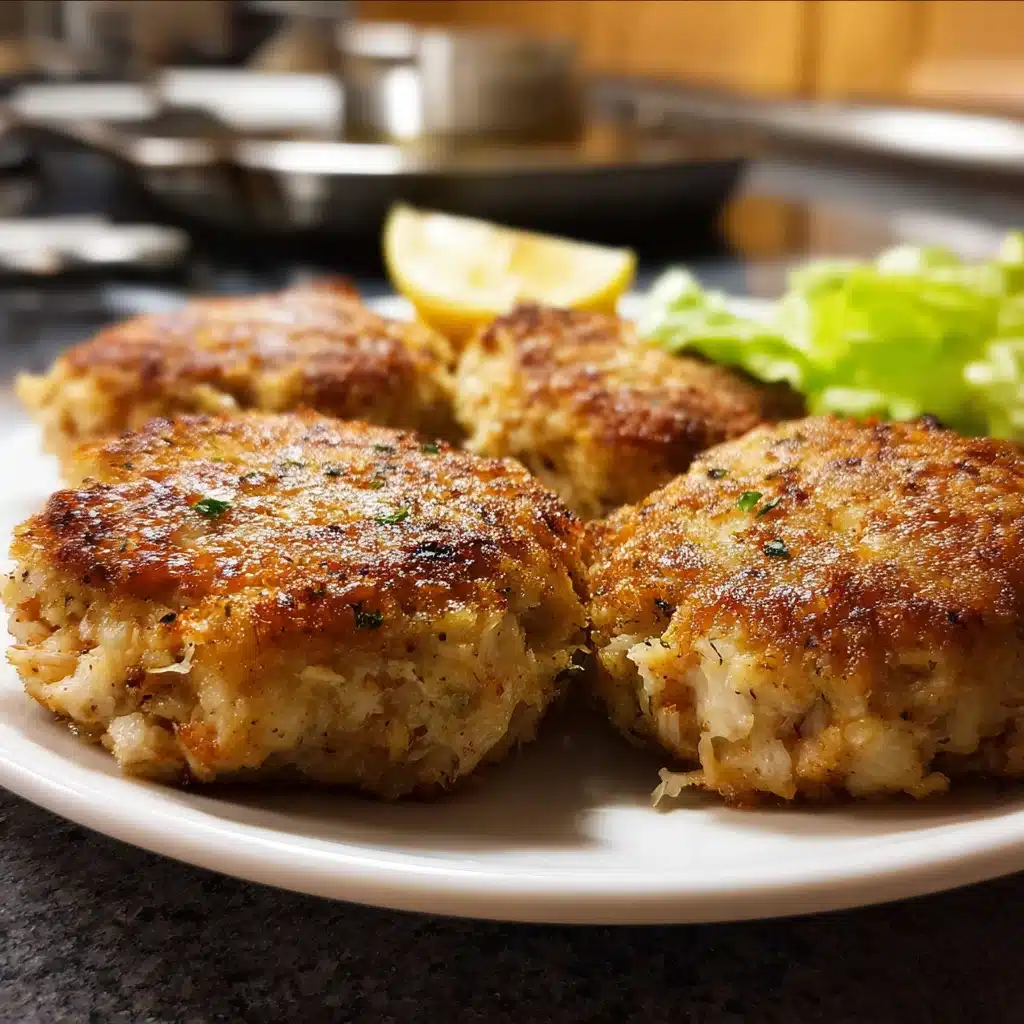
Okay, let’s dive into the world of truly exceptional crab cakes! This isn’t just a recipe; it’s a culmination of countless trials, tweaks, and family taste-tests. I remember the first time I attempted crab cakes – they were… serviceable, but a bit bready and prone to falling apart. My family, bless their hearts, ate them politely. But I was on a mission. I wanted that restaurant-quality experience at home: a crab cake bursting with sweet, succulent crab meat, held together by the barest minimum of binder, perfectly seasoned, and pan-fried to a glorious golden-brown crisp. After much experimentation, this recipe emerged as the undisputed champion in our household. It’s the one that gets requested for special occasions, Sunday dinners, or even just a Tuesday night when we’re craving something spectacular. The secret lies in quality ingredients, gentle handling, and that crucial chill time. Prepare these, and I promise, you’ll never look at store-bought or mediocre restaurant crab cakes the same way again. They are, simply put, a game-changer.
The Ultimate Homemade Crab Cakes: A Step-by-Step Guide to Perfection
This recipe focuses on maximizing crab flavor and achieving that coveted delicate-yet-intact texture. We’re aiming for crab cakes that are mostly crab, with just enough supporting ingredients to enhance, not overshadow, the star of the show.
Ingredients:
- 1 pound fresh jumbo lump crab meat, carefully picked over for shells and cartilage
- 1/4 cup high-quality mayonnaise (Duke’s or Hellmann’s recommended)
- 1 large egg, lightly beaten
- 1 tablespoon Dijon mustard
- 1 tablespoon Worcestershire sauce
- 1 teaspoon Old Bay seasoning (or more to taste)
- 1/4 cup finely chopped fresh parsley
- 2 tablespoons Panko breadcrumbs (plus an additional 1/2 cup for coating, optional)
- 1 teaspoon fresh lemon juice
- Pinch of cayenne pepper (optional, for a little kick)
- Salt and freshly ground black pepper to taste (be mindful that Old Bay contains salt)
- 2 tablespoons unsalted butter
- 1 tablespoon olive oil (or other neutral cooking oil)
Instructions: Crafting Your Crab Cakes
Follow these steps carefully for the best results. The key is gentle handling and allowing the mixture to chill.
- Prepare the Crab Meat: Gently place the jumbo lump crab meat in a colander and lightly press to remove any excess moisture. Be very careful not to break up the lumps. Transfer the crab meat to a large mixing bowl. Inspect it one more time for any stray pieces of shell or cartilage, removing them delicately.
- Mix Wet Ingredients: In a separate, smaller bowl, whisk together the mayonnaise, beaten egg, Dijon mustard, Worcestershire sauce, Old Bay seasoning, chopped parsley, lemon juice, and cayenne pepper (if using). Season lightly with salt and pepper, keeping in mind the saltiness of the Old Bay and Worcestershire.
- Combine Gently: Pour the wet ingredient mixture over the crab meat. Add the 2 tablespoons of Panko breadcrumbs. Using a rubber spatula, gently fold the ingredients together until just combined. The goal is to coat the crab meat with the binder, not to break up those precious lumps. Overmixing will result in a pasty texture.
- Taste and Adjust (Carefully!): If you’re comfortable tasting raw egg (use pasteurized if concerned), take a tiny nibble of the mixture and adjust seasonings if necessary. Add a little more Old Bay, a pinch more salt, or a dash more lemon juice to your preference.
- Chill is Crucial: Cover the bowl with plastic wrap and refrigerate the crab cake mixture for at least 30 minutes, and up to 2 hours. This chilling step is vital. It allows the Panko to absorb some moisture and the flavors to meld, but most importantly, it helps the crab cakes hold their shape during cooking. Do not skip this!
- Form the Patties: Once chilled, gently form the mixture into patties. For main course-sized crab cakes, aim for about 4-6 patties, roughly 3/4 to 1 inch thick. For appetizer-sized, you can make 8-10 smaller patties. Handle them delicately. If you prefer an extra crispy exterior, you can lightly dredge each patty in the additional 1/2 cup of Panko breadcrumbs, pressing gently so they adhere. This is optional but adds a nice crunch. Place the formed patties on a baking sheet lined with parchment paper. If you have time, you can chill them again for another 15-20 minutes for extra insurance against falling apart.
- Cook the Crab Cakes (Pan-Frying Method – Recommended):
- In a large skillet (cast iron works wonderfully), melt the butter with the olive oil over medium heat. The oil helps prevent the butter from burning too quickly.
- Once the butter is melted and the pan is hot (the fat should shimmer), carefully place the crab cakes in the skillet, ensuring not to overcrowd the pan. Cook in batches if necessary.
- Cook for 4-5 minutes per side, until beautifully golden brown and crispy, and heated through. Adjust the heat as necessary to prevent burning; if they’re browning too quickly, lower the heat slightly.
- Use a thin, flexible fish spatula to gently flip the crab cakes to avoid breaking them.
- Rest and Serve: Remove the cooked crab cakes from the skillet and place them on a wire rack set over a baking sheet to drain any excess fat. This helps keep the bottoms crispy. If cooking in batches, you can keep the cooked crab cakes warm in a low oven (around 200°F or 90°C). Serve immediately.
Nutrition Facts
- Servings: This recipe makes approximately 4 large (main course) crab cakes or 6 medium-sized crab cakes.
- Calories per serving (approximate): For one large crab cake (1/4 of the recipe), the estimated calorie count is around 280-350 calories. This can vary based on the exact size of the crab cake, the specific brand of mayonnaise used, and whether you opt for the extra Panko coating.
(Note: This is an estimate. For precise nutritional information, it’s best to use an online calculator with your specific ingredient brands and quantities.)
Preparation Time
- Active Preparation Time: 20-25 minutes (includes picking crab, mixing, and forming patties)
- Chilling Time: Minimum 30 minutes (longer is better, up to 2 hours)
- Cooking Time: 8-10 minutes per batch
- Total Time (including minimum chill): Approximately 1 hour to 1 hour 15 minutes
How to Serve Your Masterpiece Crab Cakes
Crab cakes are versatile and can be presented in numerous delightful ways. Here are some ideas:
- The Classic Crab Cake Sandwich:
- Serve on a toasted brioche bun or soft potato roll.
- Add crisp lettuce (like Bibb or romaine).
- Include a slice of ripe tomato.
- Generously spread your favorite sauce (see below) on the bun.
- As an Elegant Main Course:
- Plate one or two crab cakes alongside complementary side dishes.
- A lemon wedge on the side is a must for a fresh squeeze of juice.
- Garnish with fresh parsley or chives.
- As Appetizers:
- Make mini crab cakes (crab balls).
- Serve each on a small platter or individually on appetizer spoons.
- Top with a dollop of aioli or remoulade and a tiny sprig of dill.
- On a Bed of Greens:
- Serve a warm crab cake over a simple mixed green salad, dressed with a light vinaigrette. This makes for a satisfying yet lighter meal.
- Surf and Turf Style:
- Pair a crab cake with a perfectly grilled steak or filet mignon for an indulgent feast.
Recommended Sauces:
- Classic Tartar Sauce: Creamy, tangy, and traditional.
- Remoulade Sauce: A spicier, more complex cousin to tartar, often with Creole mustard, paprika, and cayenne.
- Lemon-Dill Aioli: A simple yet elegant sauce made with mayonnaise, fresh dill, lemon juice, garlic, and a touch of Dijon.
- Cocktail Sauce: For those who enjoy a zesty, horseradish kick.
- Simple Lemon Butter Sauce: Melted butter with a generous squeeze of lemon juice and some chopped parsley.
Suggested Side Dishes:
- Coleslaw: Creamy or vinegar-based, the crunch and tang are a perfect counterpoint.
- French Fries or Sweet Potato Fries: A classic pairing.
- Roasted Asparagus or Green Beans: Adds a touch of freshness and color.
- Corn on the Cob: Especially wonderful in the summer.
- A Simple Green Salad: With a light vinaigrette.
- Hushpuppies: A Southern classic that complements seafood beautifully.
- Rice Pilaf or Quinoa: For a more substantial meal.
Additional Tips for Crab Cake Perfection
- Invest in Quality Crab Meat: This is the single most important factor. Jumbo lump crab meat provides the best texture and large, satisfying pieces of crab. Lump crab meat is a good second choice. Avoid claw meat (too stringy) or imitation crab (it’s not crab!). Fresh, pasteurized crab meat from the refrigerated section is generally preferred over canned, though some high-quality canned options exist.
- Gentle Does It: When mixing the ingredients and forming the patties, be as gentle as possible. You want to keep those beautiful lumps of crab intact. Overmixing will break down the crab and result in a denser, mushier cake. Think “folding” rather than “stirring.”
- Don’t Skip the Chill: Chilling the mixture before forming patties, and even briefly after forming them, is crucial. It helps the binder to set, the flavors to meld, and most importantly, prevents the crab cakes from falling apart during cooking. This is a non-negotiable step for success.
- Don’t Crowd the Pan: When pan-frying, cook the crab cakes in batches if necessary. Overcrowding the pan will lower the oil temperature, leading to greasy, unevenly cooked crab cakes that don’t develop a good crust. Give them space to sizzle and brown beautifully.
- Achieve the Perfect Sear: Use a combination of butter and oil for frying. Butter adds flavor, while oil has a higher smoke point and prevents the butter from burning. Ensure your pan and fat are adequately heated (medium heat is usually best) before adding the crab cakes. This creates that irresistible golden-brown, crispy exterior.
Frequently Asked Questions (FAQ) About Crab Cakes
Q1: Why do my crab cakes fall apart when I cook them?
A1: This is a common issue! Several factors can contribute:
* Too much moisture: Ensure your crab meat is drained well.
* Not enough binder (or the wrong kind): The egg and Panko (or breadcrumbs/crackers) are key.
* Overmixing: This breaks down the crab and the structure. Be gentle!
* Skipping the chill time: Chilling solidifies the mixture and helps it hold together. This is crucial.
* Flipping too soon or too aggressively: Let them form a good crust before attempting to flip, and use a thin, flexible spatula.
* Patties too thick/large without enough support: If making very large cakes, be extra gentle.
Q2: Can I bake crab cakes instead of frying them?
A2: Yes, you can! Baking is a healthier alternative, though you won’t get quite the same crispy crust as pan-frying.
* To bake: Preheat your oven to 400°F (200°C). Place the formed crab cakes on a baking sheet lightly greased or lined with parchment paper. You can brush the tops lightly with melted butter or spray with cooking oil for better browning. Bake for 12-18 minutes, flipping halfway, until golden brown and heated through. For a crispier top, you can finish them under the broiler for the last 1-2 minutes, watching carefully to prevent burning.
Q3: What’s the absolute best type of crab meat to use for crab cakes?
A3: Jumbo lump crab meat is widely considered the gold standard. It consists of large, whole pieces of meat from the swimmer fins of the crab, offering the best texture and visual appeal. Lump crab meat is a good alternative, with smaller but still distinct pieces. Backfin is smaller flakes, and claw meat is darker, stringier, and has a stronger flavor – generally not preferred for delicate crab cakes where the crab itself is the star. Always pick through for shells!
Q4: Can I make crab cakes ahead of time?
A4: Yes, you can!
* Option 1 (Uncooked): Prepare the crab cake mixture, form the patties, and place them on a parchment-lined baking sheet. Cover tightly with plastic wrap and refrigerate for up to 24 hours before cooking as directed.
* Option 2 (Cooked): Cook the crab cakes as directed, let them cool completely, then store them in an airtight container in the refrigerator for up to 2 days. Reheat in a 350°F (175°C) oven for 10-15 minutes until warmed through, or briefly pan-fry.
* Freezing: For longer storage, you can freeze uncooked patties. Place them on a baking sheet until firm, then transfer to a freezer-safe bag or container for up to 1-2 months. Thaw in the refrigerator overnight before cooking. Cooked crab cakes can also be frozen, but the texture might suffer slightly upon reheating.
Q5: I don’t have Old Bay seasoning. What can I use as a substitute?
A5: While Old Bay is classic for its distinctive blend of celery salt, paprika, black pepper, cayenne, and other spices, you can make a tasty substitute or use other seasonings.
* DIY Blend: Mix a teaspoon of celery salt with 1/4 teaspoon paprika, a pinch of black pepper, and a pinch of cayenne pepper. You can also add a tiny pinch of dry mustard or nutmeg.
* Other Seasoning Blends: A good Cajun or Creole seasoning blend can work, but be mindful of the salt content and adjust accordingly.
* Simple Seasoning: Even just salt, pepper, a bit of paprika for color, and perhaps some garlic powder or onion powder can be delicious, allowing the crab flavor to shine even more. The key is to complement, not overpower, the delicate crab.
Homemade Crab Cakes Recipe
Ingredients
- 1 pound fresh jumbo lump crab meat, carefully picked over for shells and cartilage
- 1/4 cup high-quality mayonnaise (Duke’s or Hellmann’s recommended)
- 1 large egg, lightly beaten
- 1 tablespoon Dijon mustard
- 1 tablespoon Worcestershire sauce
- 1 teaspoon Old Bay seasoning (or more to taste)
- 1/4 cup finely chopped fresh parsley
- 2 tablespoons Panko breadcrumbs (plus an additional 1/2 cup for coating, optional)
- 1 teaspoon fresh lemon juice
- Pinch of cayenne pepper (optional, for a little kick)
- Salt and freshly ground black pepper to taste (be mindful that Old Bay contains salt)
- 2 tablespoons unsalted butter
- 1 tablespoon olive oil (or other neutral cooking oil)
Instructions
- Prepare the Crab Meat: Gently place the jumbo lump crab meat in a colander and lightly press to remove any excess moisture. Be very careful not to break up the lumps. Transfer the crab meat to a large mixing bowl. Inspect it one more time for any stray pieces of shell or cartilage, removing them delicately.
- Mix Wet Ingredients: In a separate, smaller bowl, whisk together the mayonnaise, beaten egg, Dijon mustard, Worcestershire sauce, Old Bay seasoning, chopped parsley, lemon juice, and cayenne pepper (if using). Season lightly with salt and pepper, keeping in mind the saltiness of the Old Bay and Worcestershire.
- Combine Gently: Pour the wet ingredient mixture over the crab meat. Add the 2 tablespoons of Panko breadcrumbs. Using a rubber spatula, gently fold the ingredients together until just combined. The goal is to coat the crab meat with the binder, not to break up those precious lumps. Overmixing will result in a pasty texture.
- Taste and Adjust (Carefully!): If you’re comfortable tasting raw egg (use pasteurized if concerned), take a tiny nibble of the mixture and adjust seasonings if necessary. Add a little more Old Bay, a pinch more salt, or a dash more lemon juice to your preference.
- Chill is Crucial: Cover the bowl with plastic wrap and refrigerate the crab cake mixture for at least 30 minutes, and up to 2 hours. This chilling step is vital. It allows the Panko to absorb some moisture and the flavors to meld, but most importantly, it helps the crab cakes hold their shape during cooking. Do not skip this!
- Form the Patties: Once chilled, gently form the mixture into patties. For main course-sized crab cakes, aim for about 4-6 patties, roughly 3/4 to 1 inch thick. For appetizer-sized, you can make 8-10 smaller patties. Handle them delicately. If you prefer an extra crispy exterior, you can lightly dredge each patty in the additional 1/2 cup of Panko breadcrumbs, pressing gently so they adhere. This is optional but adds a nice crunch. Place the formed patties on a baking sheet lined with parchment paper. If you have time, you can chill them again for another 15-20 minutes for extra insurance against falling apart.
- Cook the Crab Cakes (Pan-Frying Method – Recommended):
- In a large skillet (cast iron works wonderfully), melt the butter with the olive oil over medium heat. The oil helps prevent the butter from burning too quickly.
- Once the butter is melted and the pan is hot (the fat should shimmer), carefully place the crab cakes in the skillet, ensuring not to overcrowd the pan. Cook in batches if necessary.
- Cook for 4-5 minutes per side, until beautifully golden brown and crispy, and heated through. Adjust the heat as necessary to prevent burning; if they’re browning too quickly, lower the heat slightly.
- Use a thin, flexible fish spatula to gently flip the crab cakes to avoid breaking them.
- Rest and Serve: Remove the cooked crab cakes from the skillet and place them on a wire rack set over a baking sheet to drain any excess fat. This helps keep the bottoms crispy. If cooking in batches, you can keep the cooked crab cakes warm in a low oven (around 200°F or 90°C). Serve immediately.
Nutrition
- Serving Size: One Normal Portion
- Calories: 280-350