

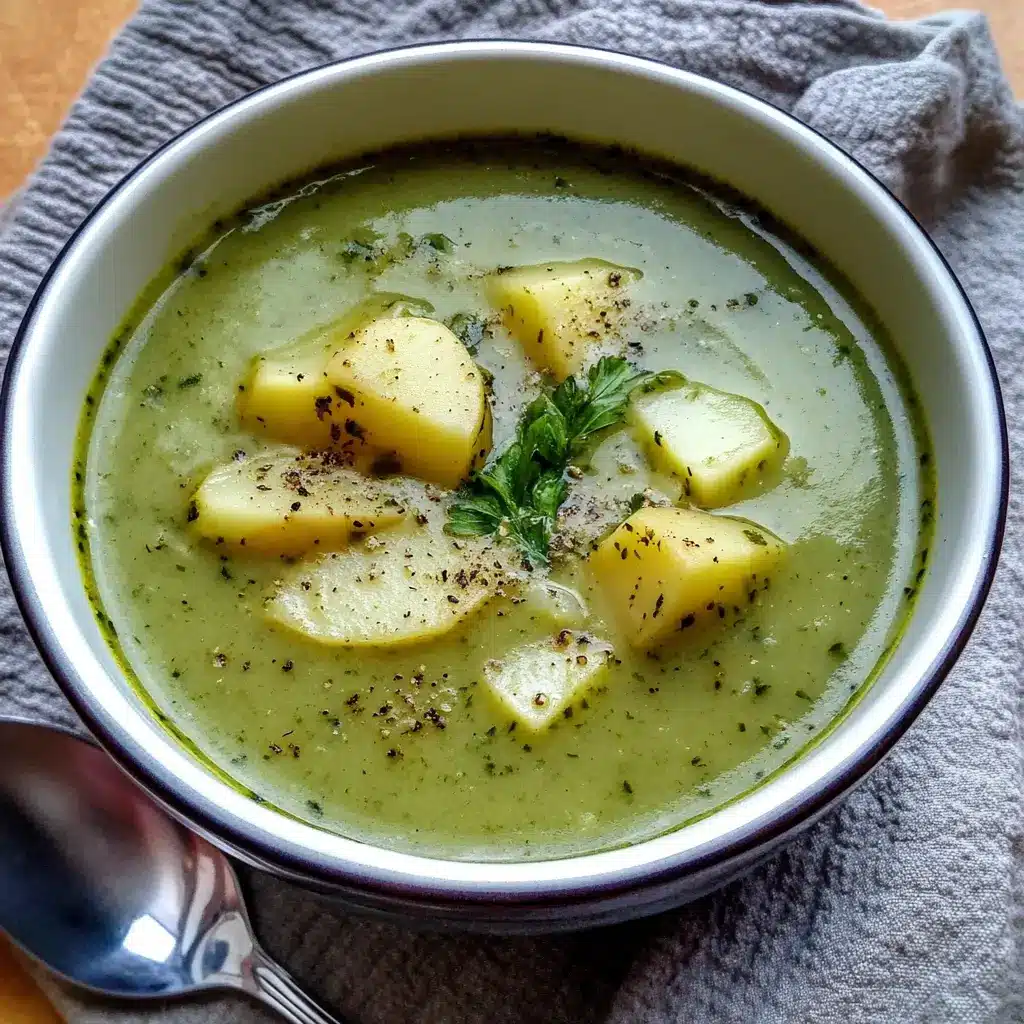

There are some recipes that just feel like a warm hug in a bowl, and this Healthy Zucchini Soup with Potatoes is precisely that for my family. I remember the first time I whipped it up on a whim, looking for a way to use the abundance of zucchini from our garden and a few stray potatoes. I wasn’t expecting much, perhaps a simple, forgettable vegetable soup. But what emerged from the pot was a revelation. The soup was velvety smooth, surprisingly creamy without a drop of heavy cream (initially!), and packed with a subtle, yet deeply satisfying flavor. My kids, who usually turn their noses up at anything overtly “green,” devoured their bowls and even asked for seconds! My partner, a lover of hearty meals, was equally impressed by its comforting nature and how filling it was, despite being so light and healthy. It quickly became a staple in our home, perfect for chilly evenings, light lunches, or even as an elegant starter for a dinner party. The beauty of this soup lies in its simplicity, its adaptability, and its undeniable wholesomeness. It’s a testament to how a few humble ingredients can transform into something truly special, nourishing both body and soul. I’m so excited to share this beloved recipe with you, hoping it brings as much joy and comfort to your table as it does to ours.
Ingredients: Crafting the Perfect Bowl
This soup relies on fresh, simple ingredients to create its signature flavor and texture. The quantities below are for a generous batch, perfect for sharing or enjoying leftovers.
- Olive Oil (Extra Virgin): 2 tablespoons. This forms the flavorful base for sautéing our aromatics. A good quality extra virgin olive oil will impart a subtle peppery note.
- Yellow Onion: 1 large (about 1.5 cups diced). Yellow onions provide a sweet and savory foundation when softened. You can substitute with a white onion or even shallots for a milder flavor.
- Garlic: 3-4 cloves, minced (about 1 tablespoon). Fresh garlic is key here for its pungent, aromatic kick. Adjust to your preference – more for garlic lovers!
- Potatoes: 2 large russet potatoes or 3-4 medium Yukon Gold potatoes (about 2.5-3 cups diced). Russets break down beautifully, lending a natural creaminess. Yukon Golds also work well and have a lovely buttery texture. Peel them for the smoothest soup, though leaving the skins on (well-scrubbed) adds extra nutrients.
- Zucchini: 4 medium (about 4-5 cups diced). The star of the show! Choose firm zucchinis with smooth, unblemished skin. No need to peel them, as the skin contains nutrients and adds a lovely green hue.
- Vegetable Broth: 6 cups (low sodium preferred). A good quality vegetable broth enhances the vegetable flavors. You can use homemade or store-bought. Chicken broth can also be used if you’re not strictly vegetarian.
- Fresh Thyme: 2 sprigs, or 1/2 teaspoon dried thyme. Thyme adds a wonderful earthy, slightly lemony aroma that complements zucchini and potatoes perfectly.
- Fresh Parsley: 1/4 cup chopped, plus more for garnish. Parsley brightens the soup with its fresh, clean taste. Add it towards the end of cooking to preserve its flavor and color.
- Salt: 1 teaspoon (or to taste). Essential for bringing out all the flavors. Start with less and add more as needed, especially if your broth is not low sodium.
- Black Pepper: 1/2 teaspoon freshly ground (or to taste). Adds a gentle warmth.
- Optional for Creaminess/Richness:
- 1/4 – 1/2 cup heavy cream or half-and-half (for a richer, classic creamy soup)
- 1/2 cup full-fat coconut milk (for a dairy-free creamy option)
- 1/4 cup plain Greek yogurt or sour cream (stir in off-heat for tanginess)
- Optional for Brightness:
- 1 tablespoon fresh lemon juice (added at the end)
Instructions: Step-by-Step to Soup Perfection
Follow these steps carefully to achieve a delicious and perfectly textured zucchini and potato soup.
- Prepare the Aromatics:
- Heat the olive oil in a large pot or Dutch oven over medium heat.
- Once the oil is shimmering, add the diced onion. Sauté for 5-7 minutes, stirring occasionally, until softened and translucent. Be careful not to brown them, as this can make the soup taste bitter. We’re looking for a gentle sweat to release their sweetness.
- Add the minced garlic and cook for another 1-2 minutes until fragrant. Stir constantly to prevent the garlic from burning.
- Add the Hearty Vegetables:
- Add the diced potatoes to the pot. Stir to coat them with the oil and aromatics. Cook for about 3-5 minutes, allowing them to soften slightly around the edges. This little step helps build another layer of flavor.
- Next, add the diced zucchini to the pot. Stir well to combine with the onions and potatoes.
- Simmer to Softness:
- Pour in the vegetable broth, ensuring the vegetables are mostly submerged. If needed, add a little more broth or water.
- Add the fresh thyme sprigs (or dried thyme), 1 teaspoon of salt, and 1/2 teaspoon of black pepper.
- Bring the soup to a boil, then reduce the heat to low, cover the pot, and let it simmer for 15-20 minutes, or until the potatoes and zucchini are very tender. You should be able to easily pierce them with a fork.
- Blend to Smoothness:
- Once the vegetables are tender, remove the pot from the heat. If you used fresh thyme sprigs, remove them now.
- Using an Immersion Blender: This is the easiest method. Carefully insert the immersion blender into the pot and blend until the soup reaches your desired consistency – from slightly chunky to perfectly smooth and velvety. Be cautious of splatters, especially when the soup is hot. Start at a low speed.
- Using a Countertop Blender: If you don’t have an immersion blender, allow the soup to cool slightly before transferring it in batches to a countertop blender. Never fill the blender more than halfway with hot liquid. Remove the center cap from the blender lid and cover the opening with a folded kitchen towel to allow steam to escape. Blend each batch until smooth, then pour into a clean pot or back into the original pot (if large enough).
- Safety Tip: Hot liquids expand in a blender. Always exercise caution.
- Final Touches & Seasoning:
- Return the blended soup to the pot if necessary and place it over low heat.
- Stir in the chopped fresh parsley.
- If using optional creamy additions: Gently stir in the heavy cream, coconut milk, Greek yogurt, or sour cream now. Heat through gently, but do not bring to a boil if you’ve added dairy like yogurt or sour cream, as it can curdle.
- If using optional brightness: Stir in the fresh lemon juice.
- Taste the soup and adjust seasoning as needed. You might want to add more salt, pepper, or even a pinch of your favorite herbs.
- Serve and Enjoy:
- Ladle the hot soup into bowls. Garnish as desired (see “How to Serve” section for ideas).
Nutrition Facts
- Servings: This recipe yields approximately 6-8 servings.
- Calories per serving (approximate): Without optional creamy additions, each serving (assuming 8 servings) is around 150-180 calories.
- Note: This is an estimate. Actual calories can vary based on the exact size of vegetables, type of broth, and any optional additions. Adding 1/2 cup of heavy cream to the entire batch would add approximately 40-50 calories per serving.
This soup is a nutritional powerhouse:
- Rich in Vitamins: Zucchini provides Vitamin C and Vitamin A, while potatoes offer Vitamin C and B6.
- Good Source of Minerals: Potatoes are an excellent source of potassium.
- Dietary Fiber: Both zucchini and potatoes contribute dietary fiber, aiding digestion and promoting satiety.
- Low in Fat: Especially if you skip the optional cream, this soup is naturally low in fat.
- Hydrating: With its broth base, it’s also a good way to stay hydrated.
Preparation Time
- Preparation Time (Chopping & Measuring): 15-20 minutes
- Cooking Time: 25-30 minutes (sautéing and simmering)
- Blending Time: 5 minutes
- Total Time: Approximately 45-55 minutes
This makes it a fantastic option for a healthy and satisfying weeknight meal that doesn’t require hours in the kitchen.
How to Serve: Elevating Your Soup Experience
This Healthy Zucchini Soup with Potatoes is delicious on its own, but a few simple touches can elevate it from a simple meal to a more memorable experience. Here are some ideas:
- Garnishes for Flavor and Texture:
- Fresh Herbs: A sprinkle of freshly chopped parsley, chives, dill, or even a few fresh thyme leaves adds a burst of color and freshness.
- Croutons: Homemade or store-bought croutons provide a delightful crunch. Garlic and herb croutons work particularly well.
- Toasted Seeds: Pumpkin seeds (pepitas), sunflower seeds, or even a sprinkle of toasted sesame seeds add texture and nutty flavor.
- A Swirl of Dairy/Non-Dairy: A drizzle of extra virgin olive oil, a swirl of heavy cream, plain yogurt, sour cream, or coconut cream can add richness and visual appeal.
- Spice it Up: A pinch of red pepper flakes or a dash of your favorite hot sauce for those who like a little heat.
- Cheese: A grating of Parmesan cheese or a crumble of feta can add a salty, umami kick.
- Crispy Onions/Shallots: Thinly sliced and fried until crispy, these add an irresistible savory crunch.
- Perfect Pairings:
- Crusty Bread: Essential for dipping! A slice of warm sourdough, a rustic baguette, or a whole-grain roll is perfect for mopping up every last bit of soup.
- Grilled Cheese Sandwich: The ultimate comfort food pairing. A classic cheddar grilled cheese or something more gourmet with Gruyère and caramelized onions.
- Side Salad: A simple green salad with a light vinaigrette makes for a well-rounded and healthy meal.
- Quesadillas: A cheesy quesadilla, perhaps with some black beans or corn, can be a fun and satisfying accompaniment.
- Crackers: Whole-grain crackers or artisanal crisps offer a lighter alternative to bread.
- Serving Occasions:
- Weeknight Dinner: Quick, easy, and satisfying.
- Light Lunch: Perfect on its own or with a small sandwich.
- Appetizer Course: Serve in smaller portions as an elegant start to a multi-course meal.
- Comfort Food: Ideal for when you’re feeling under the weather or just need a comforting pick-me-up.
Additional Tips for Soup Success
- Don’t Overcook the Zucchini (Initially): While the soup gets blended, try not to overcook the zucchini too much during the simmering phase if you want to retain some of its fresh flavor. The potatoes will need longer, so add zucchini a bit later if your potato chunks are very large. However, for this blended soup, it’s more forgiving.
- Roast Your Vegetables for Deeper Flavor: For an even richer, more complex taste, try roasting the diced potatoes and zucchini (tossed with a little olive oil, salt, and pepper) at 400°F (200°C) for 20-25 minutes until tender and slightly caramelized before adding them to the sautéed onions and broth. This adds a wonderful depth.
- Adjust Consistency: If your soup is too thick after blending, stir in a little more warm broth or hot water until it reaches your desired consistency. If it’s too thin, you can let it simmer uncovered for a few more minutes to allow some liquid to evaporate, or make a small slurry of cornstarch and water and stir it in (though the potatoes should make it plenty thick).
- Herb Power: Don’t underestimate the power of fresh herbs. While dried thyme works well during simmering, adding fresh parsley, chives, or dill at the end makes a huge difference in brightness and flavor. If using fresh thyme, you can tie the sprigs together with kitchen twine for easy removal before blending.
- Make it Ahead & Storage: This soup tastes even better the next day as the flavors meld. Cool it completely before storing it in an airtight container in the refrigerator for up to 3-4 days. It also freezes beautifully! Pour cooled soup into freezer-safe containers, leaving some headspace, and freeze for up to 3 months. Thaw overnight in the refrigerator and reheat gently on the stove or in the microwave.
FAQ Section: Your Soup Questions Answered
Q1: Can I make this soup vegan?
- A: Absolutely! The base recipe is naturally vegan if you use vegetable broth and skip any dairy-based optional additions. For a creamy vegan version, use full-fat coconut milk (a little goes a long way to avoid a strong coconut flavor), a homemade cashew cream (soaked cashews blended with water), or simply rely on the potatoes and thorough blending for a naturally creamy texture.
Q2: What kind of potatoes are best for this soup?
- A: Starchy potatoes like Russets are excellent because they break down easily and contribute to a naturally creamy, thick texture when blended. All-purpose potatoes like Yukon Gold also work very well, offering a buttery flavor and good texture. Waxy potatoes (like red potatoes) will hold their shape more and won’t contribute as much to the creaminess, so they’re less ideal for this particular blended soup.
Q3: My soup isn’t as green as I expected. Why?
- A: The color can depend on a few factors: the ratio of zucchini to potatoes (more zucchini will yield a greener soup), whether you peeled the zucchini (the skin provides most of the green color), and the color of your broth. If you want a vibrantly green soup, ensure you use plenty of unpeeled zucchini and consider adding a handful of fresh spinach or kale along with the zucchini and blend it all together.
Q4: Can I add other vegetables to this soup?
- A: Yes, definitely! This recipe is very adaptable. Consider adding:
- Celery: Sauté with the onions for an extra layer of aromatic flavor.
- Carrots: Add with the potatoes for sweetness and color.
- Leeks: Use in place of or in addition to onions for a milder, sweeter flavor (use the white and light green parts).
- Cauliflower: Adds creaminess and a mild flavor when blended.
- Spinach or Kale: Stir in a few handfuls during the last few minutes of simmering for extra nutrients and color.
Adjust simmering time as needed depending on the vegetables you add.
Q5: How can I make the soup more flavorful if I find it a bit bland?
- A: There are several ways to boost the flavor:
- Seasoning: Ensure you’ve added enough salt and freshly ground black pepper. This is crucial.
- Better Broth: Use a high-quality, flavorful vegetable broth, or even consider using a bouillon cube/paste for extra depth.
- Herbs: Be generous with fresh herbs like parsley, thyme, or even a bay leaf during simmering (remove before blending).
- Umami Boosters: A teaspoon of nutritional yeast, a dash of soy sauce (or tamari for gluten-free), or even a small squeeze of tomato paste sautéed with the onions can add depth.
- Acidity: A squeeze of fresh lemon juice or a dash of apple cider vinegar stirred in at the end can brighten all the flavors.
- Roasted Garlic: Roasting a head of garlic and adding the soft cloves to the soup before blending imparts a sweet, mellow garlic flavor.

Healthy Zucchini Soup with Potatoes Recipe
Ingredients
- Olive Oil (Extra Virgin): 2 tablespoons. This forms the flavorful base for sautéing our aromatics. A good quality extra virgin olive oil will impart a subtle peppery note.
- Yellow Onion: 1 large (about 1.5 cups diced). Yellow onions provide a sweet and savory foundation when softened. You can substitute with a white onion or even shallots for a milder flavor.
- Garlic: 3-4 cloves, minced (about 1 tablespoon). Fresh garlic is key here for its pungent, aromatic kick. Adjust to your preference – more for garlic lovers!
- Potatoes: 2 large russet potatoes or 3-4 medium Yukon Gold potatoes (about 2.5-3 cups diced). Russets break down beautifully, lending a natural creaminess. Yukon Golds also work well and have a lovely buttery texture. Peel them for the smoothest soup, though leaving the skins on (well-scrubbed) adds extra nutrients.
- Zucchini: 4 medium (about 4-5 cups diced). The star of the show! Choose firm zucchinis with smooth, unblemished skin. No need to peel them, as the skin contains nutrients and adds a lovely green hue.
- Vegetable Broth: 6 cups (low sodium preferred). A good quality vegetable broth enhances the vegetable flavors. You can use homemade or store-bought. Chicken broth can also be used if you’re not strictly vegetarian.
- Fresh Thyme: 2 sprigs, or 1/2 teaspoon dried thyme. Thyme adds a wonderful earthy, slightly lemony aroma that complements zucchini and potatoes perfectly.
- Fresh Parsley: 1/4 cup chopped, plus more for garnish. Parsley brightens the soup with its fresh, clean taste. Add it towards the end of cooking to preserve its flavor and color.
- Salt: 1 teaspoon (or to taste). Essential for bringing out all the flavors. Start with less and add more as needed, especially if your broth is not low sodium.
- Black Pepper: 1/2 teaspoon freshly ground (or to taste). Adds a gentle warmth.
- Optional for Creaminess/Richness:
- 1/4 – 1/2 cup heavy cream or half-and-half (for a richer, classic creamy soup)
- 1/2 cup full-fat coconut milk (for a dairy-free creamy option)
- 1/4 cup plain Greek yogurt or sour cream (stir in off-heat for tanginess)
- Optional for Brightness:
- 1 tablespoon fresh lemon juice (added at the end)
Instructions
- Prepare the Aromatics:
- Heat the olive oil in a large pot or Dutch oven over medium heat.
- Once the oil is shimmering, add the diced onion. Sauté for 5-7 minutes, stirring occasionally, until softened and translucent. Be careful not to brown them, as this can make the soup taste bitter. We’re looking for a gentle sweat to release their sweetness.
- Add the minced garlic and cook for another 1-2 minutes until fragrant. Stir constantly to prevent the garlic from burning.
- Add the Hearty Vegetables:
- Add the diced potatoes to the pot. Stir to coat them with the oil and aromatics. Cook for about 3-5 minutes, allowing them to soften slightly around the edges. This little step helps build another layer of flavor.
- Next, add the diced zucchini to the pot. Stir well to combine with the onions and potatoes.
- Simmer to Softness:
- Pour in the vegetable broth, ensuring the vegetables are mostly submerged. If needed, add a little more broth or water.
- Add the fresh thyme sprigs (or dried thyme), 1 teaspoon of salt, and 1/2 teaspoon of black pepper.
- Bring the soup to a boil, then reduce the heat to low, cover the pot, and let it simmer for 15-20 minutes, or until the potatoes and zucchini are very tender. You should be able to easily pierce them with a fork.
- Blend to Smoothness:
- Once the vegetables are tender, remove the pot from the heat. If you used fresh thyme sprigs, remove them now.
- Using an Immersion Blender: This is the easiest method. Carefully insert the immersion blender into the pot and blend until the soup reaches your desired consistency – from slightly chunky to perfectly smooth and velvety. Be cautious of splatters, especially when the soup is hot. Start at a low speed.
- Using a Countertop Blender: If you don’t have an immersion blender, allow the soup to cool slightly before transferring it in batches to a countertop blender. Never fill the blender more than halfway with hot liquid. Remove the center cap from the blender lid and cover the opening with a folded kitchen towel to allow steam to escape. Blend each batch until smooth, then pour into a clean pot or back into the original pot (if large enough).
- Safety Tip: Hot liquids expand in a blender. Always exercise caution.
- Final Touches & Seasoning:
- Return the blended soup to the pot if necessary and place it over low heat.
- Stir in the chopped fresh parsley.
- If using optional creamy additions: Gently stir in the heavy cream, coconut milk, Greek yogurt, or sour cream now. Heat through gently, but do not bring to a boil if you’ve added dairy like yogurt or sour cream, as it can curdle.
- If using optional brightness: Stir in the fresh lemon juice.
- Taste the soup and adjust seasoning as needed. You might want to add more salt, pepper, or even a pinch of your favorite herbs.
- Serve and Enjoy:
- Ladle the hot soup into bowls. Garnish as desired (see “How to Serve” section for ideas).
Nutrition
- Serving Size: One Normal Portion
- Calories: 150-180