
Of all the weeknight dinner battles I’ve faced, finding a meal that is simultaneously healthy, incredibly fast, and loved by every single person at the table is the ultimate victory. For a long time, this felt like an impossible trifecta. Then, this Easy Baked Salmon recipe entered our lives, and the dinner-time game changed forever. I remember the first time I made it, I was skeptical. Could something with so few ingredients, ready in under 30 minutes, really be that good? The aroma of lemon and dill wafting from the oven was the first clue. When I pulled it out, perfectly flaky and glistening, I had a good feeling. My husband, who appreciates a good, hearty meal, took one bite and his eyes widened. My kids, who often turn their noses up at fish, devoured their portions and even asked for more. It was a revelation. This isn’t just a recipe; it’s our go-to solution for busy Tuesdays, our elegant-but-easy choice for a casual dinner with friends, and my personal proof that gluten-free eating can be effortless and absolutely delicious. The beauty of this dish lies in its simplicity, allowing the rich, buttery flavor of the salmon to be the star, perfectly complemented by the bright, fresh notes of citrus and herbs. It has become a staple in our home, and I am so excited to share it with you, hoping it brings as much joy and ease to your table as it has to ours.
Why This Gluten-Free Easy Baked Salmon Will Become Your Go-To Recipe
In a world of complicated recipes and long ingredient lists, finding a dish that delivers maximum flavor with minimal effort is like discovering treasure. This baked salmon recipe is precisely that—a culinary gem that proves delicious, healthy eating doesn’t need to be a chore. It’s designed for real life: for the busy professional who needs a quick dinner after a long day, for the parent trying to put a nutritious meal on the table that kids will actually eat, and for anyone who loves food but doesn’t want to spend hours in the kitchen.
One of the most compelling reasons to fall in love with this recipe is its incredible health profile. Salmon is a nutritional powerhouse, celebrated for its high concentration of Omega-3 fatty acids. These essential fats are superstars for brain health, reducing inflammation, and promoting a healthy heart. It’s also packed with high-quality protein, which is vital for muscle repair and keeping you feeling full and satisfied. Being naturally gluten-free, this recipe is a safe and fantastic choice for individuals with celiac disease, gluten sensitivities, or anyone simply looking to reduce their gluten intake.
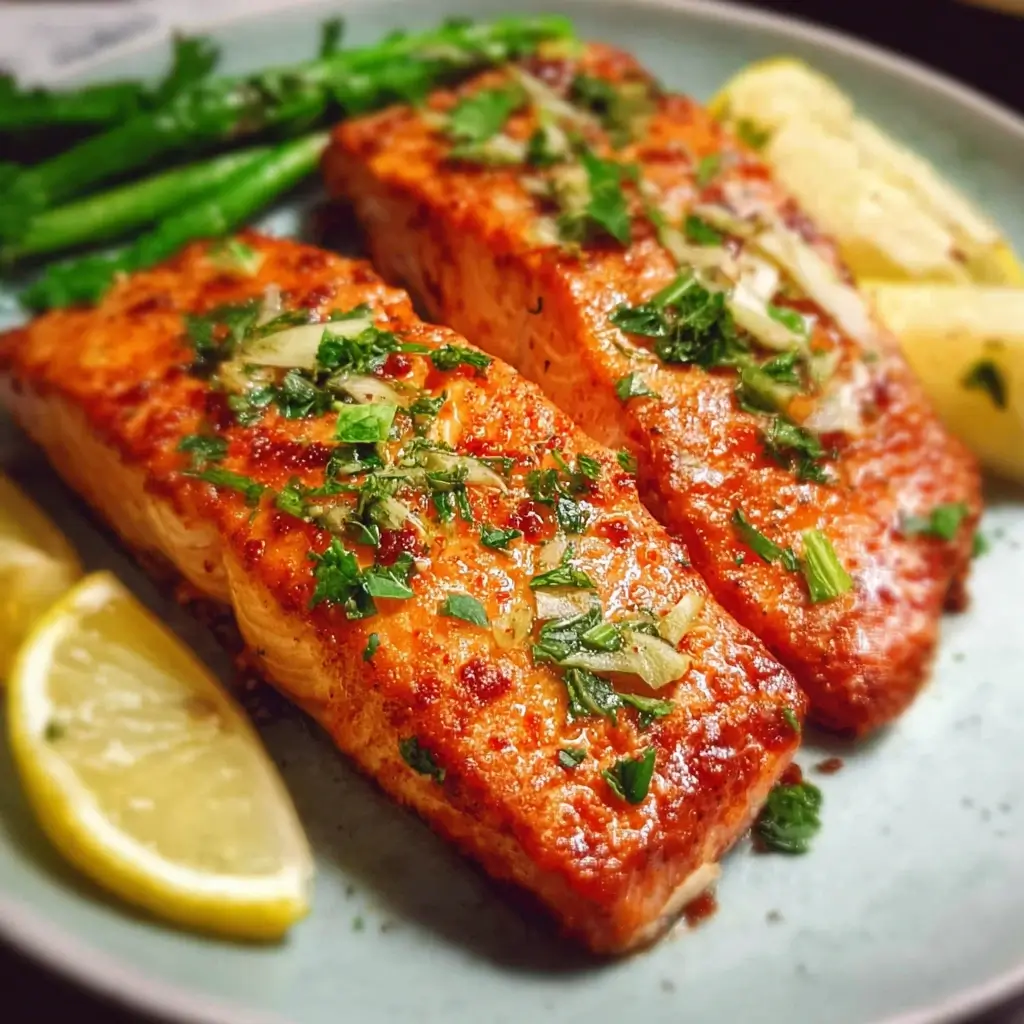
Beyond its health benefits, the sheer speed and simplicity are what make this recipe a true weeknight warrior. From start to finish, you can have a stunningly elegant meal on the table in under 30 minutes. The prep work is virtually nonexistent—a little mixing, a little spreading, and into the oven it goes. The cleanup is just as easy, especially if you use parchment paper or foil, leaving you with more time to relax and enjoy your evening. Yet, despite its simplicity, this dish is impressive enough to serve to guests. The vibrant pink of the cooked salmon, flecked with green dill and topped with sunny lemon slices, makes for a beautiful presentation that suggests you spent far more time on it than you actually did. It’s the perfect blend of everyday practicality and special-occasion elegance.
Choosing the Best Salmon for Baking
Before we even get to the seasoning, the foundation of this incredible dish is the salmon itself. Walking up to the fish counter can be intimidating, with various names, colors, and origins on display. Understanding the different types of salmon can help you choose the perfect fillet for your taste and budget, ensuring the best possible result for your baked salmon.
Types of Salmon:
- King (Chinook): Often considered the most luxurious, King salmon has the highest fat content, resulting in a rich, buttery texture and flavor. Its flesh is thick and succulent, making it very forgiving to cook as it’s less likely to dry out. It’s a fantastic choice for a special occasion.
- Sockeye (Red): Known for its deep red-orange flesh, Sockeye has a stronger, more pronounced salmon flavor and a firmer texture. It has a lower fat content than King salmon, so you’ll want to be more careful not to overcook it. Its bold flavor stands up well to the simple seasonings in this recipe.
- Coho (Silver): Coho is a great middle-ground option. It has a milder flavor than Sockeye but is more flavorful than Atlantic salmon, with a medium fat content. Its delicate texture is delightful when baked.
- Atlantic Salmon: This is the most common type you’ll find at the grocery store. Virtually all Atlantic salmon is farm-raised. It has a mild flavor and a high fat content, making it moist and tender. It’s a reliable and widely available choice for this recipe.
Wild-Caught vs. Farm-Raised:
- Wild-Caught Salmon (like Sockeye, Coho, and King) feed on a natural diet in their native environment. This generally results in a leaner fish with a more complex, robust flavor and a firmer texture. Their vibrant color comes from the crustaceans in their diet.
- Farm-Raised Salmon (primarily Atlantic) are raised in controlled environments. They are typically higher in fat, which gives them a milder flavor and a softer, more buttery texture.
The choice is a matter of personal preference and budget. If you prefer a stronger “fish” flavor, go for wild-caught Sockeye. If you want a milder, more buttery experience, farm-raised Atlantic or wild-caught King salmon are excellent choices.
Fresh vs. Frozen:
Don’t shy away from frozen salmon! Modern flash-freezing techniques mean that fish is often frozen on the boat just moments after being caught, preserving its freshness and nutritional value. In many cases, “fresh” fish at the counter was previously frozen and thawed. A high-quality frozen fillet, thawed properly (overnight in the refrigerator), will yield results that are just as delicious as a truly fresh one. When buying fresh, look for fillets that are moist and firm, without any brown spots or a strong “fishy” odor.
For this recipe, a single large fillet (around 1.5 to 2 pounds) works beautifully for a family, or you can use 4-6 individual, pre-portioned fillets.
The Perfect Blend: Ingredients for Easy Baked Salmon
The magic of this recipe is how a handful of simple, high-quality ingredients come together to create something truly special. There’s no need for a pantry raid; these are fresh, vibrant components that enhance the salmon without overpowering it.
- Salmon Fillet: 2 pounds (900g), preferably one large center-cut piece, skin-on or off
- Extra Virgin Olive Oil: 3 tablespoons
- Fresh Dill: ¼ cup, finely chopped
- Garlic: 3 cloves, minced (or 1 teaspoon garlic powder)
- Lemon: 1 large, plus another for serving
- Sea Salt: 1 teaspoon (or to taste)
- Black Pepper: ½ teaspoon, freshly ground (or to taste)
Step-by-Step Instructions for Flawless Baked Salmon
Follow these simple steps to achieve perfectly cooked, flaky, and flavorful salmon every single time. The process is straightforward and designed for success, even for novice cooks.
Step 1: Preparation is Key
First, preheat your oven to 400°F (200°C). This high heat ensures the salmon cooks quickly, which is essential for keeping it moist and tender. Line a large baking sheet with parchment paper or aluminum foil. This is a non-negotiable step for easy cleanup! If using foil, lightly grease it with a bit of olive oil or cooking spray to prevent the salmon from sticking.
Next, prepare your salmon. Remove it from the packaging and pat it completely dry on all sides with paper towels. This is a crucial step! A dry surface allows the olive oil and seasoning mixture to adhere properly and helps the exterior of the fish develop a lovely texture rather than just steaming in its own moisture. If you’re using a frozen fillet, make sure it has been fully thawed in the refrigerator overnight before you begin. Place the salmon fillet, skin-side down if it has skin, in the center of your prepared baking sheet.
Step 2: Create the Flavorful Herb & Lemon Paste
In a small bowl, combine the 3 tablespoons of extra virgin olive oil, the ¼ cup of finely chopped fresh dill, and the 3 minced garlic cloves. Zest the entire large lemon directly into the bowl, being careful to only get the yellow part, not the bitter white pith. Add the 1 teaspoon of sea salt and ½ teaspoon of freshly ground black pepper.
Stir everything together until it forms a fragrant, vibrant green paste. Take a moment to smell it—this is the aroma that will soon fill your kitchen! This simple mixture is the heart of the recipe, providing all the flavor you need.
Step 3: Season and Bake to Perfection
Pour or spoon the olive oil mixture evenly over the top of the salmon fillet. Using the back of a spoon or your fingers, spread it out to cover the entire surface of the fish.
Now, take the lemon you zested and slice it into thin rounds. Arrange these lemon slices in a single layer over the seasoned salmon. They will not only add more citrusy flavor as the salmon bakes but also create a beautiful presentation.
Place the baking sheet on the center rack of your preheated 400°F (200°C) oven. The baking time will depend on the thickness of your fillet. As a general rule, bake for 12-15 minutes. For a very thick fillet (over 1.5 inches), it might take closer to 18 minutes.
The salmon is done when it is opaque and flakes easily when gently pressed with a fork. For foolproof results, use an instant-read thermometer. Insert it into the thickest part of the fillet; the salmon is perfectly cooked when it reaches an internal temperature of 135°F to 140°F (57°C to 60°C) for a medium to medium-well doneness. Remember that the fish will continue to cook for a few minutes from residual heat after you remove it from the oven, so it’s better to pull it out a little earlier than a little later. Overcooked salmon becomes dry and chalky, which is what we want to avoid.
Once cooked, remove the salmon from the oven and let it rest for 3-5 minutes before serving. This allows the juices to redistribute throughout the fillet, resulting in a more succulent piece of fish.
Unlocking the Secrets: Nutrition Facts
This dish is as nourishing as it is delicious, making it a cornerstone of a healthy, balanced diet. The nutritional information can vary slightly based on the specific type of salmon used (wild vs. farmed) and the exact size of the fillet.
Servings: 6
Calories Per Serving: Approximately 380-420 kcal
A Deeper Dive into Salmon’s Health Benefits
The calorie count only tells a small part of the story. The true nutritional value of this dish lies in its incredible macronutrient and micronutrient profile.
- Omega-3 Fatty Acids: Salmon is one of the best natural sources of the long-chain omega-3 fatty acids EPA (eicosapentaenoic acid) and DHA (docosahexaenoic acid). These fats are essential for cognitive function, memory, and reducing the risk of neurodegenerative diseases. They are also powerful anti-inflammatory agents, helping to combat chronic inflammation linked to heart disease, diabetes, and other conditions.
- High-Quality Protein: A single serving of this salmon provides a significant portion of your daily protein needs. Protein is crucial for building and repairing tissues, making enzymes and hormones, and maintaining muscle mass. The protein in salmon is also highly satiating, meaning it helps you feel full and satisfied, which can aid in weight management.
- Rich in Vitamins and Minerals: Salmon is an excellent source of Vitamin D, a nutrient that is difficult to get from food and is vital for bone health and immune function. It’s also packed with B vitamins, especially B12, which is critical for energy production and nerve function. Additionally, salmon provides a good amount of potassium, which helps control blood pressure, and selenium, a powerful antioxidant that protects cells from damage.
Time is on Your Side: Preparation and Cook Time
One of the greatest appeals of this recipe is its efficiency, making it perfect for any night of the week.
- Preparation Time: 10 minutes
- Cook Time: 12-15 minutes
- Total Time: 22-25 minutes
While the salmon is in the oven for those 12-15 minutes, you have the perfect window to prepare a quick side dish. You can steam some green beans, toss a simple salad, or microwave a pouch of pre-cooked quinoa. By the time the salmon has finished resting, your entire meal will be ready to serve.
Creating a Complete Meal: How to Serve Your Baked Salmon
This versatile baked salmon pairs beautifully with a wide variety of side dishes, allowing you to customize your meal based on your preferences and what you have on hand. Here are some ideas to create a balanced and delicious plate:
- Classic Starch Pairings
- Roasted Potatoes: Toss baby potatoes with olive oil, salt, pepper, and rosemary. Roast them alongside the salmon (they will need to go in about 15-20 minutes before the fish).
- Creamy Mashed Potatoes: A fluffy bed of mashed potatoes is the perfect comfort food pairing.
- Quinoa: A light and fluffy quinoa salad with cucumber, tomatoes, and a lemon vinaigrette complements the fish perfectly and adds extra protein and fiber.
- Rice Pilaf: A simple rice pilaf with toasted orzo and herbs is a classic and delicious choice.
- Lemony Orzo: Cook orzo pasta and toss it with olive oil, lemon juice, feta cheese, and fresh parsley.
- Vibrant Vegetable Sides
- Roasted Asparagus: This is a classic pairing. Toss asparagus spears with olive oil, salt, and pepper and roast them on the same pan as the salmon for the last 10-12 minutes of cooking.
- Steamed or Sautéed Green Beans: Keep it simple with steamed green beans finished with a squeeze of lemon or sauté them with garlic and almonds.
- Roasted Broccoli or Broccolini: The slight bitterness of roasted broccoli is a wonderful contrast to the rich salmon.
- A Simple Green Salad: A crisp salad with a light vinaigrette provides a fresh, clean contrast to the cooked dish.
- Sauce and Garnish Ideas
- Simple Yogurt Dill Sauce: Mix plain Greek yogurt with a spoonful of chopped dill, a squeeze of lemon juice, and a pinch of salt for a creamy, cooling sauce.
- Extra Fresh Herbs: Garnish with more fresh dill or chopped parsley before serving.
- Capers: Sprinkle a few capers over the top for a briny, salty pop of flavor.
- Serving Lemon Wedges: Always serve with extra lemon wedges on the side for those who love an extra burst of citrus.
Pro-Tips for Flawless Salmon Every Time
While this recipe is incredibly simple, these five expert tips will help you elevate it from great to absolutely perfect.
- Don’t Overbake Your Salmon. This is the number one rule of cooking fish. Overcooked salmon is dry and disappointing. The most reliable way to prevent this is by using an instant-read food thermometer. Pull the salmon from the oven when it reaches an internal temperature of 135-140°F (57-60°C) in the thickest part. If you don’t have a thermometer, watch it closely. The salmon is done when it changes from translucent to opaque and flakes easily with a fork. It’s always better to undercook it slightly and let carryover cooking do the rest.
- Pat the Salmon Thoroughly Dry. We mentioned this in the instructions, but it bears repeating because it’s so important. Moisture is the enemy of a good sear and proper seasoning adherence. Taking an extra 30 seconds to pat the fillet dry with paper towels ensures the olive oil and herb mixture sticks to the fish and helps the exterior cook beautifully instead of steaming.
- Let the Salmon Rest Before Baking. If you have time, take the salmon out of the refrigerator about 15-20 minutes before you plan to bake it. Allowing the fillet to come closer to room temperature helps it cook more evenly from edge to center. A fridge-cold fillet placed in a hot oven can result in an overcooked exterior by the time the center is done.
- Embrace the Skin (Or Don’t!). Whether to buy salmon with the skin on or off is a personal choice, but the skin offers several benefits. It acts as a protective barrier between the fish’s delicate flesh and the hot pan, helping to prevent it from drying out. When cooked properly, salmon skin becomes wonderfully crispy and delicious. If you’re not a fan of eating the skin, you can still cook the salmon with it on and then easily slide the fillet right off the skin before serving.
- Use the Broiler for a Final Touch. For a restaurant-quality finish, you can use your oven’s broiler for the last 1-2 minutes of cooking. After the salmon is nearly cooked through, switch the oven setting to broil and move the rack closer to the top. Watch it like a hawk, as it can go from beautifully browned to burnt in seconds. This will give the top and the lemon slices a gorgeous, slightly charred finish.
Your Questions Answered: Gluten-Free Baked Salmon FAQ
Q1: Can I use frozen salmon for this recipe?
A: Absolutely! High-quality frozen salmon is an excellent and convenient option. The key is to thaw it properly. The best method is to transfer the frozen fillet from the freezer to the refrigerator the night before you plan to cook it. This slow, gentle thawing preserves the texture of the fish. Avoid thawing it at room temperature or in the microwave, as this can lead to an unpleasant texture and uneven cooking. Once fully thawed, proceed with the recipe exactly as written, making sure to pat it very dry.
Q2: How do I store and reheat leftover salmon?
A: Store any leftover salmon in an airtight container in the refrigerator for up to 2 days. The best way to reheat salmon without drying it out is low and slow. Place it in a small, oven-safe dish, add a splash of water or broth, cover it loosely with foil, and warm it in a 275°F (135°C) oven for about 10-15 minutes, or until just warmed through. You can also flake the cold leftover salmon and use it to top a salad, mix it into scrambled eggs, or make salmon cakes.
Q3: Can I use other herbs or seasonings?
A: Yes, this recipe is a fantastic template for experimentation! While lemon and dill are a classic combination, feel free to substitute with other herbs and spices.
- Herbs: Parsley, chives, thyme, or rosemary would all be delicious.
- Spices: A pinch of red pepper flakes for heat, smoked paprika for a smoky flavor, or onion powder for extra depth would work well.
- Citrus: You can substitute the lemon with lime or even thin slices of orange for a different citrusy note.
Q4: How can I tell if my salmon is cooked without a thermometer?
A: While a thermometer is the most accurate tool, you can use a visual cue known as the “fork test.” Take a fork and gently press down on the thickest part of the fillet. If the salmon is cooked, the flesh will easily separate into flakes. If it resists and still looks translucent and raw in the center, it needs a few more minutes in the oven. The color should be a uniform, opaque pink all the way through the thickest part.
Q5: Is it necessary to wrap the salmon in foil?
A: This recipe bakes the salmon “open-faced” on a lined baking sheet, which allows the top to get a bit of color and texture. You do not need to wrap it completely in foil. Some recipes call for creating a “foil packet,” which steams the salmon. While that method also produces moist fish, baking it uncovered as described here gives it a slightly roasted quality that is delicious. The most important use for foil (or parchment paper) in this recipe is lining the pan for easy cleanup and to prevent sticking.
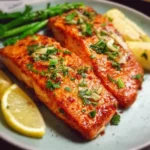
Gluten-Free Easy Baked Salmon Recipe
Ingredients
- Salmon Fillet: 2 pounds (900g), preferably one large center-cut piece, skin-on or off
- Extra Virgin Olive Oil: 3 tablespoons
- Fresh Dill: ¼ cup, finely chopped
- Garlic: 3 cloves, minced (or 1 teaspoon garlic powder)
- Lemon: 1 large, plus another for serving
- Sea Salt: 1 teaspoon (or to taste)
- Black Pepper: ½ teaspoon, freshly ground (or to taste)
Instructions
First, preheat your oven to 400°F (200°C). This high heat ensures the salmon cooks quickly, which is essential for keeping it moist and tender. Line a large baking sheet with parchment paper or aluminum foil. This is a non-negotiable step for easy cleanup! If using foil, lightly grease it with a bit of olive oil or cooking spray to prevent the salmon from sticking.
Next, prepare your salmon. Remove it from the packaging and pat it completely dry on all sides with paper towels. This is a crucial step! A dry surface allows the olive oil and seasoning mixture to adhere properly and helps the exterior of the fish develop a lovely texture rather than just steaming in its own moisture. If you’re using a frozen fillet, make sure it has been fully thawed in the refrigerator overnight before you begin. Place the salmon fillet, skin-side down if it has skin, in the center of your prepared baking sheet.
In a small bowl, combine the 3 tablespoons of extra virgin olive oil, the ¼ cup of finely chopped fresh dill, and the 3 minced garlic cloves. Zest the entire large lemon directly into the bowl, being careful to only get the yellow part, not the bitter white pith. Add the 1 teaspoon of sea salt and ½ teaspoon of freshly ground black pepper.
Stir everything together until it forms a fragrant, vibrant green paste. Take a moment to smell it—this is the aroma that will soon fill your kitchen! This simple mixture is the heart of the recipe, providing all the flavor you need.
Pour or spoon the olive oil mixture evenly over the top of the salmon fillet. Using the back of a spoon or your fingers, spread it out to cover the entire surface of the fish.
Now, take the lemon you zested and slice it into thin rounds. Arrange these lemon slices in a single layer over the seasoned salmon. They will not only add more citrusy flavor as the salmon bakes but also create a beautiful presentation.
Place the baking sheet on the center rack of your preheated 400°F (200°C) oven. The baking time will depend on the thickness of your fillet. As a general rule, bake for 12-15 minutes. For a very thick fillet (over 1.5 inches), it might take closer to 18 minutes.
The salmon is done when it is opaque and flakes easily when gently pressed with a fork. For foolproof results, use an instant-read thermometer. Insert it into the thickest part of the fillet; the salmon is perfectly cooked when it reaches an internal temperature of 135°F to 140°F (57°C to 60°C) for a medium to medium-well doneness. Remember that the fish will continue to cook for a few minutes from residual heat after you remove it from the oven, so it’s better to pull it out a little earlier than a little later. Overcooked salmon becomes dry and chalky, which is what we want to avoid.
Once cooked, remove the salmon from the oven and let it rest for 3-5 minutes before serving. This allows the juices to redistribute throughout the fillet, resulting in a more succulent piece of fish.
Nutrition
- Serving Size: One Normal Portion
- Calories: 380-420