
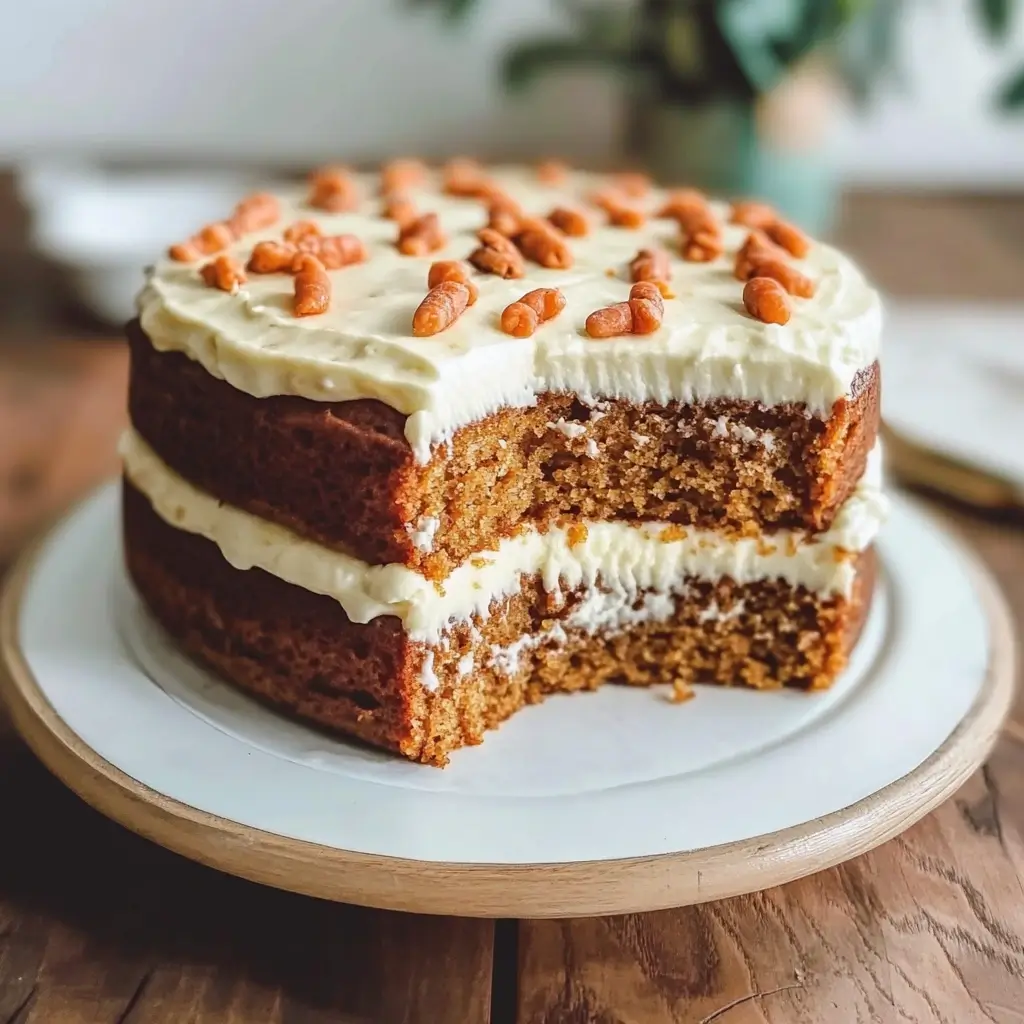
It was one of those rainy Sunday afternoons, the kind that just begs for a warm, comforting bake. My family, a mix of gluten-eaters and one staunch gluten-avoider (that’s me!), had been craving something sweet but wholesome. Carrot cake was the unanimous decision, but the challenge, as always, was to create a gluten-free version that wouldn’t just be “good for gluten-free” but genuinely, unforgettably delicious for everyone. I’d tinkered with recipes before, often ending up with something a bit too dense or disappointingly dry. This time, however, armed with a carefully selected gluten-free flour blend and a determination to achieve that perfect moist crumb, I set to work. The aroma that filled the house as it baked was pure magic – cinnamon, nutmeg, and sweet carrots mingling into a promise of delight. When it finally emerged from the oven, gloriously golden and perfectly risen, I had a good feeling. The true test, of course, was the first bite. Silence descended around the table, quickly followed by murmurs of approval, then outright exclamations. “This is the best carrot cake I’ve ever had!” my gluten-loving husband declared, reaching for a second slice. My daughter, usually my toughest critic, simply grinned, her face dusted with cream cheese frosting. This wasn’t just a gluten-free carrot cake; it was the carrot cake, a new family heirloom recipe, and one I’m so excited to share with you. It’s moist, tender, perfectly spiced, and topped with an utterly irresistible cream cheese frosting – a true celebration in every bite.
The Ultimate Gluten-Free Carrot Cake Recipe
This recipe is designed to deliver a show-stopping gluten-free carrot cake that is moist, flavorful, and packed with texture. It’s perfect for any occasion, from Easter brunch to a simple Tuesday treat. We’re aiming for a cake that will make even the most discerning gluten-eaters ask for the recipe.
Ingredients:
For the Gluten-Free Carrot Cake:
- 2 cups (280g) high-quality gluten-free all-purpose flour blend (ensure it contains xanthan gum, or add 1 teaspoon if it doesn’t)
- 2 teaspoons baking soda
- 1 teaspoon ground cinnamon
- ½ teaspoon ground nutmeg
- ½ teaspoon ground ginger
- ¼ teaspoon ground cloves (optional, for deeper spice)
- ½ teaspoon salt
- 1 ½ cups (300g) granulated sugar
- ½ cup (100g) packed light brown sugar
- 4 large eggs, at room temperature
- 1 ¼ cups (300ml) neutral-flavored oil (like canola, vegetable, or light olive oil)
- 1 teaspoon pure vanilla extract
- 3 cups (about 300-350g) finely grated carrots (about 3-4 medium carrots)
- 1 cup (120g) chopped walnuts or pecans (optional, toasted for extra flavor)
- ½ cup (75g) raisins or sultanas (optional, soak in hot water for 10 mins then drain if preferred)
- ½ cup (85g) drained crushed pineapple (optional, for extra moisture and tang)
For the Cream Cheese Frosting:
- 16 ounces (450g) full-fat cream cheese, softened to room temperature
- ½ cup (113g) unsalted butter, softened to room temperature
- 4 cups (480g) powdered sugar, sifted
- 1 ½ teaspoons pure vanilla extract
- Pinch of salt (optional, to balance sweetness)
- 1-2 tablespoons milk or cream (optional, for consistency)
- Extra chopped nuts for garnish (optional)
Instructions:
Making the Gluten-Free Carrot Cake:
- Preheat and Prepare: Preheat your oven to 350°F (175°C). Grease and flour (using gluten-free flour or line with parchment paper) two 9-inch round cake pans or one 9×13 inch baking pan. Parchment paper is highly recommended for easy removal, especially for layer cakes.
- Combine Dry Ingredients: In a large mixing bowl, whisk together the gluten-free flour blend, baking soda, cinnamon, nutmeg, ginger, cloves (if using), and salt. Whisking thoroughly helps to aerate the flour and distribute the leavening agents and spices evenly, which is crucial for a good gluten-free crumb.
- Combine Wet Ingredients: In a separate large bowl, or the bowl of your stand mixer fitted with the paddle attachment, beat together the granulated sugar, brown sugar, and eggs until well combined and slightly pale, about 2-3 minutes. The sugar crystals will help incorporate air into the eggs.
- Add Oil and Vanilla: Gradually stream in the oil while the mixer is on low speed (or while whisking continuously by hand). Mix until the oil is fully incorporated and the batter is smooth. Stir in the vanilla extract.
- Combine Wet and Dry: Gradually add the dry ingredient mixture to the wet ingredient mixture in three additions, mixing on low speed (or stirring gently by hand) until just combined after each addition. Be careful not to overmix; overmixing can lead to a tough cake, especially with gluten-free flours. Scrape down the sides and bottom of the bowl to ensure everything is incorporated.
- Fold in Carrots and Add-ins: Gently fold in the grated carrots, chopped nuts (if using), raisins (if using), and crushed pineapple (if using) with a spatula until evenly distributed. The batter will be quite thick.
- Bake the Cake: Divide the batter evenly between the prepared cake pans (if making a layer cake) or pour it into the 9×13 inch pan and spread evenly.
- For two 9-inch round pans: Bake for 30-35 minutes.
- For one 9×13 inch pan: Bake for 35-45 minutes.
The cake is done when a wooden skewer or toothpick inserted into the center comes out clean or with a few moist crumbs attached. Gluten-free cakes can sometimes take a little longer, so keep an eye on it.
- Cool the Cake: Let the cake(s) cool in the pans on a wire rack for 15-20 minutes. Then, carefully invert the round cakes onto the wire rack to cool completely. If using a 9×13 pan, you can let it cool completely in the pan if you plan to frost it there. Complete cooling is essential before frosting, otherwise, the frosting will melt. This can take a couple of hours.
Making the Cream Cheese Frosting:
- Beat Cream Cheese and Butter: In a large bowl, using an electric hand mixer or a stand mixer with the paddle attachment, beat the softened cream cheese and softened butter together on medium speed until smooth, light, and fluffy, about 2-3 minutes. Make sure they are truly at room temperature for the best, smoothest result.
- Add Powdered Sugar: Gradually add the sifted powdered sugar, one cup at a time, beating on low speed until incorporated, then increasing to medium speed. Scrape down the sides of the bowl as needed.
- Add Vanilla and Salt: Beat in the vanilla extract and a pinch of salt (if using).
- Adjust Consistency: If the frosting is too thick, beat in milk or cream, one tablespoon at a time, until you reach your desired spreading consistency. If it’s too thin, you can add a bit more powdered sugar. Beat until light and fluffy.
Assembling and Frosting the Cake:
- Level Cakes (Optional): If your cake layers have domed tops, you can use a long serrated knife to carefully level them for easier stacking.
- Frost First Layer: Place one cooled cake layer on a serving plate or cake stand. Spread a generous layer of cream cheese frosting evenly over the top (about 1 to 1 ½ cups).
- Add Second Layer: Carefully place the second cake layer on top.
- Frost Entire Cake: Frost the top and sides of the cake with the remaining frosting, using an offset spatula for a smooth or swirled finish. If you made a 9×13 cake, simply frost the top.
- Garnish (Optional): Sprinkle the top and/or sides with extra chopped walnuts or pecans, or even a light dusting of cinnamon.
- Chill (Recommended): Chill the frosted cake in the refrigerator for at least 30 minutes to an hour before slicing and serving. This helps the frosting set and makes for cleaner slices.
Nutrition Facts
- Servings: This recipe makes approximately 12-16 servings, depending on how generously you slice.
- Calories per serving (approximate): Around 550-700 calories per serving, assuming 12 servings and including the cream cheese frosting. This is an estimate and can vary based on specific ingredients used (e.g., type of oil, inclusion of nuts/pineapple) and serving size.
Disclaimer: Nutritional information is an estimate and will vary based on specific brands of ingredients used, optional add-ins, and exact serving sizes. For precise nutritional data, it’s recommended to use an online calculator with your specific ingredients.
Preparation Time
- Active Preparation Time: Approximately 30-40 minutes (includes grating carrots, mixing batter, preparing frosting).
- Baking Time: 30-45 minutes (depending on pan size).
- Cooling Time: At least 2-3 hours (essential for cake to cool completely before frosting).
- Frosting and Assembly Time: Approximately 20-30 minutes.
- Total Time (excluding chilling): Roughly 3.5 – 4.5 hours.
- Chilling Time (recommended): At least 30-60 minutes after frosting.
How to Serve Your Masterpiece
This gluten-free carrot cake is a star on its own, but here are some delightful ways to serve it, making any occasion feel special:
- Classic Slice:
- Serve a generous slice at room temperature or slightly chilled. The flavors meld beautifully when it’s not ice-cold, but some prefer the firmness of a chilled cream cheese frosting.
- Perfect with a freshly brewed cup of coffee, black tea, or a tall glass of cold milk.
- Celebration Centerpiece:
- Birthdays: Add candles and a personalized message. This cake is festive enough for any birthday celebration.
- Easter Gatherings: It’s a quintessential Easter dessert. Garnish with edible flowers or marzipan carrots for an extra touch of spring.
- Holiday Dessert Tables: A welcome addition to Thanksgiving or Christmas spreads, offering a spiced, comforting alternative to other traditional desserts.
- With a Dollop or Drizzle:
- Whipped Cream: A small dollop of unsweetened or lightly sweetened whipped cream can complement the rich frosting.
- Caramel Sauce: A light drizzle of homemade or store-bought caramel sauce can add an extra layer of decadence.
- Toasted Coconut Flakes: Sprinkle on top just before serving for a delightful crunch and tropical note.
- Individual Portions:
- Cupcakes: Bake the batter in cupcake liners (adjust baking time to 20-25 minutes) and frost individually. Perfect for parties and easier serving.
- Afternoon Tea Treat:
- Serve smaller, elegant slices as part of an afternoon tea spread, alongside scones and finger sandwiches.
- Deconstructed (for a fancy twist):
- Crumble a slice of the cake into a bowl, add a quenelle of the cream cheese frosting, a sprinkle of toasted nuts, and perhaps some candied carrot curls. This offers a modern, restaurant-style presentation.
Remember to use a sharp, clean knife for slicing. Wiping the knife clean between cuts will ensure neat, beautiful slices every time.
Additional Tips for Gluten-Free Carrot Cake Perfection
Achieving the perfect gluten-free carrot cake involves a few key considerations. Here are five tips to ensure your cake is a triumph:
- Choose Your Gluten-Free Flour Wisely & Measure Correctly:
- The Blend Matters: Not all gluten-free flour blends are created equal. For cakes, you want a blend that’s finely milled and designed for baking, often containing a mix of rice flour, potato starch, tapioca starch, and perhaps sorghum or millet flour. Opt for a reputable brand like King Arthur Gluten-Free Measure for Measure, Bob’s Red Mill Gluten-Free 1-to-1 Baking Flour, or Cup4Cup. Ensure your blend contains xanthan gum; if not, you’ll need to add it (typically 1 teaspoon per cup of flour for cakes, but this recipe specifies 1 tsp for the total amount). Xanthan gum is crucial for providing structure and elasticity in the absence of gluten.
- Measure Accurately: Gluten-free flours can be denser than wheat flour. The best way to measure is by weight using a kitchen scale (280g for this recipe). If you don’t have a scale, use the “spoon and level” method: fluff up the flour in its container, lightly spoon it into your measuring cup until it’s overflowing, then use a straight edge to level off the excess. Scooping directly from the bag can compact the flour, leading to a dry, heavy cake.
- Freshly Grate Your Carrots:
- While pre-shredded carrots from the store are convenient, they are often drier and thicker than freshly grated carrots. For the ultimate moist carrot cake, take the extra few minutes to grate your own carrots using the fine or medium side of a box grater or a food processor with the shredding attachment. Freshly grated carrots release more moisture into the batter, contributing significantly to the tender crumb and overall flavor. Don’t squeeze out the excess moisture from the carrots.
- Don’t Overmix the Batter:
- This is a golden rule for most baking, but it’s particularly important for gluten-free recipes. Once you combine the wet and dry ingredients, mix only until they are just combined. Overmixing can develop the proteins in some gluten-free flours too much or over-activate the xanthan gum, leading to a tough, dense, or gummy texture. A few small lumps are okay. Gently fold in the carrots and any other add-ins with a spatula.
- Room Temperature Ingredients are Key (Especially for Frosting):
- For the Cake: Having your eggs at room temperature helps them incorporate more easily and fully into the batter, creating a lighter texture and better volume. To quickly bring eggs to room temperature, place them in a bowl of warm (not hot) water for 5-10 minutes.
- For the Frosting: This is non-negotiable for a smooth, lump-free cream cheese frosting. Softened (not melted!) butter and cream cheese will combine beautifully into a creamy, luscious frosting. If your cream cheese or butter is too cold, you’ll end up with stubborn lumps. If they are too warm or melted, the frosting will be runny. Aim for a cool room temperature, around 65-70°F (18-21°C).
- Cool Completely Before Frosting:
- Patience is a virtue when it comes to cooling cakes, especially layer cakes. If you try to frost a cake that is even slightly warm, the frosting will melt, slide off, and create a messy, unappetizing situation. Allow the cake layers to cool completely on a wire rack. This can take a couple of hours. If you’re in a hurry, you can (carefully) place the mostly cooled, unwrapped layers in the refrigerator for 30 minutes to speed up the final cooling process, but be mindful of them not drying out. A fully cooled cake provides a stable canvas for your delicious cream cheese frosting.
Frequently Asked Questions (FAQ)
Here are answers to some common questions you might have about making this gluten-free carrot cake:
- Q: Can I make this carrot cake dairy-free as well?
- A: Yes, absolutely! To make this cake dairy-free, you’ll need to make a couple of substitutions. For the cream cheese frosting, use a good quality dairy-free cream cheese alternative (brands like Kite Hill, Miyoko’s Kitchen, or Violife work well) and a dairy-free butter substitute (like Miyoko’s Kitchen Cultured Vegan Butter or Earth Balance Vegan Buttery Sticks). Ensure your gluten-free flour blend is also dairy-free (most are, but it’s good to check). The cake batter itself is already dairy-free if you use oil as the fat.
- Q: I don’t like nuts/raisins/pineapple. Can I omit them or substitute them?
- A: Yes, these add-ins are largely for texture and extra flavor, so you can customize them to your preference.
- Nuts: You can omit them entirely. If you want a different kind of crunch, consider sunflower seeds or pumpkin seeds.
- Raisins: These can be left out. You could substitute with other dried fruits like chopped dried cranberries or apricots for a different flavor profile.
- Pineapple: This adds moisture and a slight tang. If you omit it, the cake will still be delicious, perhaps just slightly less moist. You could add a tablespoon or two of applesauce or an extra grated carrot to compensate for moisture if desired, but it’s not strictly necessary.
- A: Yes, these add-ins are largely for texture and extra flavor, so you can customize them to your preference.
- Q: Can I make this recipe into gluten-free carrot cake cupcakes?
- A: Yes, this batter works wonderfully for cupcakes! Line a standard 12-cup muffin tin with paper liners and fill each liner about two-thirds full with batter. Bake at 350°F (175°C) for approximately 20-25 minutes, or until a toothpick inserted into the center of a cupcake comes out clean. Let the cupcakes cool in the tin for a few minutes before transferring them to a wire rack to cool completely before frosting. This recipe should yield about 20-24 cupcakes.
- Q: How should I store leftover gluten-free carrot cake?
- A: Because of the cream cheese frosting, the cake should be stored in an airtight container in the refrigerator. It will keep well for up to 4-5 days. For the best flavor and texture, you might want to let slices come to room temperature for about 20-30 minutes before serving, though many enjoy it chilled. You can also freeze individual slices (well-wrapped in plastic wrap and then foil or a freezer-safe container) for up to 3 months. Thaw overnight in the refrigerator.
- Q: My gluten-free cakes often turn out dry or crumbly. What can I do to prevent this with this recipe?
- A: This is a common concern with gluten-free baking. Here’s how this recipe and the tips address it:
- Proper Flour Measurement: As mentioned in the tips, measuring your gluten-free flour blend correctly (ideally by weight, or spoon-and-level) is crucial. Too much flour is a primary culprit for dry cakes.
- Moisture-Rich Ingredients: This recipe incorporates plenty of moisture through oil, eggs, and a generous amount of freshly grated carrots. The optional crushed pineapple also boosts moisture.
- Don’t Overbake: Gluten-free baked goods can dry out quickly if overbaked. Start checking for doneness a few minutes before the suggested bake time. A toothpick should come out with a few moist crumbs, not completely dry.
- Quality Flour Blend with Xanthan Gum: A good blend and the right amount of xanthan gum (or a blend that includes it) helps bind the cake and retain moisture.
- Avoid Overmixing: Overmixing can lead to a tougher, denser crumb that might perceive as dry.
By following these guidelines, you should achieve a wonderfully moist and tender gluten-free carrot cake.
- A: This is a common concern with gluten-free baking. Here’s how this recipe and the tips address it:
Enjoy baking and sharing this delightful gluten-free carrot cake! It’s a recipe born from love and a craving for something truly special, and I hope it brings as much joy to your table as it does to mine.
Print
Gluten-Free Carrot Cake Recipe
Ingredients
For the Gluten-Free Carrot Cake:
- 2 cups (280g) high-quality gluten-free all-purpose flour blend (ensure it contains xanthan gum, or add 1 teaspoon if it doesn’t)
- 2 teaspoons baking soda
- 1 teaspoon ground cinnamon
- ½ teaspoon ground nutmeg
- ½ teaspoon ground ginger
- ¼ teaspoon ground cloves (optional, for deeper spice)
- ½ teaspoon salt
- 1 ½ cups (300g) granulated sugar
- ½ cup (100g) packed light brown sugar
- 4 large eggs, at room temperature
- 1 ¼ cups (300ml) neutral-flavored oil (like canola, vegetable, or light olive oil)
- 1 teaspoon pure vanilla extract
- 3 cups (about 300-350g) finely grated carrots (about 3–4 medium carrots)
- 1 cup (120g) chopped walnuts or pecans (optional, toasted for extra flavor)
- ½ cup (75g) raisins or sultanas (optional, soak in hot water for 10 mins then drain if preferred)
- ½ cup (85g) drained crushed pineapple (optional, for extra moisture and tang)
For the Cream Cheese Frosting:
- 16 ounces (450g) full-fat cream cheese, softened to room temperature
- ½ cup (113g) unsalted butter, softened to room temperature
- 4 cups (480g) powdered sugar, sifted
- 1 ½ teaspoons pure vanilla extract
- Pinch of salt (optional, to balance sweetness)
- 1–2 tablespoons milk or cream (optional, for consistency)
- Extra chopped nuts for garnish (optional)
Instructions
Making the Gluten-Free Carrot Cake:
- Preheat and Prepare: Preheat your oven to 350°F (175°C). Grease and flour (using gluten-free flour or line with parchment paper) two 9-inch round cake pans or one 9×13 inch baking pan. Parchment paper is highly recommended for easy removal, especially for layer cakes.
- Combine Dry Ingredients: In a large mixing bowl, whisk together the gluten-free flour blend, baking soda, cinnamon, nutmeg, ginger, cloves (if using), and salt. Whisking thoroughly helps to aerate the flour and distribute the leavening agents and spices evenly, which is crucial for a good gluten-free crumb.
- Combine Wet Ingredients: In a separate large bowl, or the bowl of your stand mixer fitted with the paddle attachment, beat together the granulated sugar, brown sugar, and eggs until well combined and slightly pale, about 2-3 minutes. The sugar crystals will help incorporate air into the eggs.
- Add Oil and Vanilla: Gradually stream in the oil while the mixer is on low speed (or while whisking continuously by hand). Mix until the oil is fully incorporated and the batter is smooth. Stir in the vanilla extract.
- Combine Wet and Dry: Gradually add the dry ingredient mixture to the wet ingredient mixture in three additions, mixing on low speed (or stirring gently by hand) until just combined after each addition. Be careful not to overmix; overmixing can lead to a tough cake, especially with gluten-free flours. Scrape down the sides and bottom of the bowl to ensure everything is incorporated.
- Fold in Carrots and Add-ins: Gently fold in the grated carrots, chopped nuts (if using), raisins (if using), and crushed pineapple (if using) with a spatula until evenly distributed. The batter will be quite thick.
- Bake the Cake: Divide the batter evenly between the prepared cake pans (if making a layer cake) or pour it into the 9×13 inch pan and spread evenly.
- For two 9-inch round pans: Bake for 30-35 minutes.
- For one 9×13 inch pan: Bake for 35-45 minutes.
The cake is done when a wooden skewer or toothpick inserted into the center comes out clean or with a few moist crumbs attached. Gluten-free cakes can sometimes take a little longer, so keep an eye on it.
- Cool the Cake: Let the cake(s) cool in the pans on a wire rack for 15-20 minutes. Then, carefully invert the round cakes onto the wire rack to cool completely. If using a 9×13 pan, you can let it cool completely in the pan if you plan to frost it there. Complete cooling is essential before frosting, otherwise, the frosting will melt. This can take a couple of hours.
Making the Cream Cheese Frosting:
- Beat Cream Cheese and Butter: In a large bowl, using an electric hand mixer or a stand mixer with the paddle attachment, beat the softened cream cheese and softened butter together on medium speed until smooth, light, and fluffy, about 2-3 minutes. Make sure they are truly at room temperature for the best, smoothest result.
- Add Powdered Sugar: Gradually add the sifted powdered sugar, one cup at a time, beating on low speed until incorporated, then increasing to medium speed. Scrape down the sides of the bowl as needed.
- Add Vanilla and Salt: Beat in the vanilla extract and a pinch of salt (if using).
- Adjust Consistency: If the frosting is too thick, beat in milk or cream, one tablespoon at a time, until you reach your desired spreading consistency. If it’s too thin, you can add a bit more powdered sugar. Beat until light and fluffy.
Assembling and Frosting the Cake:
- Level Cakes (Optional): If your cake layers have domed tops, you can use a long serrated knife to carefully level them for easier stacking.
- Frost First Layer: Place one cooled cake layer on a serving plate or cake stand. Spread a generous layer of cream cheese frosting evenly over the top (about 1 to 1 ½ cups).
- Add Second Layer: Carefully place the second cake layer on top.
- Frost Entire Cake: Frost the top and sides of the cake with the remaining frosting, using an offset spatula for a smooth or swirled finish. If you made a 9×13 cake, simply frost the top.
- Garnish (Optional): Sprinkle the top and/or sides with extra chopped walnuts or pecans, or even a light dusting of cinnamon.
- Chill (Recommended): Chill the frosted cake in the refrigerator for at least 30 minutes to an hour before slicing and serving. This helps the frosting set and makes for cleaner slices.
Nutrition
- Serving Size: One Normal Portion
- Calories: 550-700