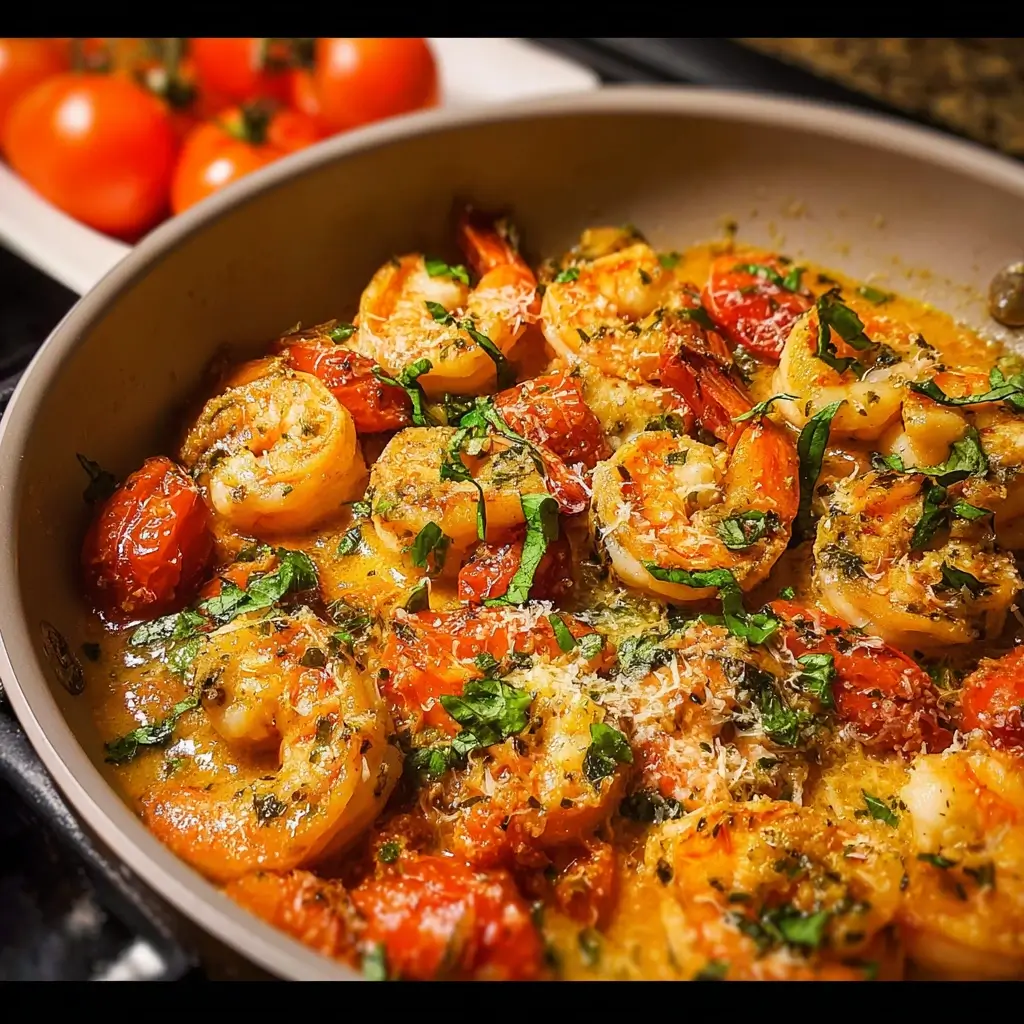
Of all the recipes that have become a permanent fixture in my weekly dinner rotation, this Garlic Tomato Shrimp Scampi holds a special place. I remember the first time I made it on a whim, looking for something quick yet elegant to break the monotony of a busy Tuesday. The moment the garlic and shallots hit the hot pan, our kitchen was filled with an aroma so intoxicatingly delicious that my family emerged from different corners of the house, drawn by the promise of something truly special. The sizzle of the shrimp, the vibrant burst of color from the cherry tomatoes, and the rich, glossy sauce clinging to every strand of pasta—it was a sensory masterpiece. That night, the usual dinner-time chatter was replaced by contented silence, punctuated only by the clinking of forks and murmurs of “This is incredible!” It has since become our go-to for everything from speedy weeknight meals to celebratory dinners. It’s a dish that feels restaurant-worthy but comes together with home-cooked ease, a perfect harmony of bright, savory, and comforting flavors that never fails to impress.
Ingredients for the Ultimate Garlic Tomato Shrimp Scampi
This recipe is built on a foundation of fresh, high-quality ingredients that work in perfect harmony. Each component plays a crucial role, from the sweetness of the shrimp to the acidic pop of the tomatoes and the rich depth of the garlic-infused sauce. Here is the complete list of what you’ll need to create this culinary masterpiece.
- For the Pasta:
- 1 lb (450g) Linguine, Spaghetti, or Angel Hair pasta
- Salt, for boiling water
- For the Shrimp and Sauce:
- 1.5 lbs (680g) large or jumbo shrimp, peeled and deveined, tails on or off (your preference)
- 1/4 cup extra-virgin olive oil
- 6 tablespoons unsalted butter, divided
- 8-10 cloves garlic, thinly sliced or minced
- 1 large shallot, finely chopped
- 1/2 teaspoon red pepper flakes (adjust to your spice preference)
- 1 pint (about 2 cups or 300g) cherry or grape tomatoes, halved
- 1/2 cup dry white wine, such as Pinot Grigio or Sauvignon Blanc
- Juice and zest of 1 large lemon
- 1/2 cup reserved pasta water
- 1/2 cup fresh parsley, finely chopped
- 1/4 cup fresh basil, chiffonade (thinly sliced)
- Salt and freshly ground black pepper, to taste
- For Garnish (Optional):
- Freshly grated Parmesan cheese
- Extra fresh parsley
- A drizzle of high-quality olive oil
Step-by-Step Instructions to Perfection
Follow these detailed instructions carefully to ensure your Garlic Tomato Shrimp Scampi turns out perfectly every time. The key is in the timing and the layering of flavors.
Step 1: Prepare the Pasta
Bring a large pot of heavily salted water to a rolling boil. It should taste like the sea. Add your pasta and cook according to the package directions until it is al dente (firm to the bite). Before draining, carefully reserve at least 1 cup of the starchy pasta water. This liquid gold is the secret to a silky, emulsified sauce. Drain the pasta and set it aside. You can toss it with a teaspoon of olive oil to prevent it from sticking, but this is optional if you are adding it to the sauce immediately.
Step 2: Season and Prepare the Shrimp
While the pasta is cooking, prepare your shrimp. Pat them completely dry with paper towels; this is a critical step for achieving a good sear. A wet shrimp will steam rather than sear. In a medium bowl, toss the dried shrimp with a generous pinch of salt and freshly ground black pepper. Set aside.
Step 3: Begin the Sauce – Sauté Aromatics
In a large skillet or Dutch oven, heat the 1/4 cup of extra-virgin olive oil and 2 tablespoons of the butter over medium heat. Once the butter is melted and foaming, add the finely chopped shallot and cook, stirring frequently, until it softens and becomes translucent, about 2-3 minutes. Add the sliced or minced garlic and the red pepper flakes. Cook for another 60 seconds, stirring constantly, until the garlic is fragrant. Be very careful not to let the garlic brown or burn, as it will become bitter and ruin the sauce.
Step 4: Cook the Tomatoes
Add the halved cherry tomatoes to the skillet. Season them with a pinch of salt and pepper. Cook, stirring occasionally, for about 5-7 minutes. You want the tomatoes to soften, release their juices, and begin to break down slightly, creating a rustic, flavorful base for the sauce. Use the back of your spoon to gently press some of them to help this process along.
Step 5: Deglaze and Build the Sauce
Pour in the dry white wine to deglaze the pan. Use a wooden spoon to scrape up any browned bits (fond) from the bottom of the skillet—this is where a tremendous amount of flavor is locked. Bring the wine to a simmer and let it cook for 2-3 minutes, allowing the alcohol to cook off and the sauce to reduce slightly.
Step 6: Cook the Shrimp
Add the seasoned shrimp to the skillet in a single layer. Cook for 1-2 minutes per side, just until they turn pink and opaque. The biggest mistake in any shrimp dish is overcooking them. They cook incredibly fast, and they will continue to cook from the residual heat of the sauce. As soon as they are mostly pink, they are ready for the next step.
Step 7: Finish the Sauce and Emulsify
Reduce the heat to low. Stir in the lemon juice and lemon zest. Add the remaining 4 tablespoons of butter to the pan. This is where the magic happens. Slowly pour in 1/2 cup of the reserved pasta water while constantly stirring or swirling the pan. The combination of the fat from the butter and the starch from the pasta water will emulsify, creating a creamy, glossy sauce that coats everything beautifully without any actual cream.
Step 8: Combine and Serve
Add the drained pasta directly into the skillet with the shrimp and sauce. Add the fresh parsley and basil. Using tongs, toss everything together gently but thoroughly, ensuring every strand of pasta is coated in the glorious sauce. If the sauce seems too thick, add another splash of the reserved pasta water until it reaches your desired consistency. Taste and adjust seasoning with more salt, pepper, or red pepper flakes if needed.
Step 9: Garnish and Serve Immediately
Divide the Garlic Tomato Shrimp Scampi among warm serving bowls. Garnish with a sprinkle of extra fresh parsley, a dusting of freshly grated Parmesan cheese, and a final, elegant drizzle of extra-virgin olive oil. Serve immediately and enjoy the applause.
Nutrition Facts
Please note that these values are an estimate and can vary based on the specific ingredients used, such as the type of pasta, the size of the shrimp, and the amount of oil and butter.
- Servings: 4-6 servings
- Calories per serving (approximate for 6 servings): 650-750 kcal
This dish provides a wonderful balance of macronutrients. The shrimp offers a significant source of lean protein, the pasta provides complex carbohydrates for energy, and the healthy fats from the olive oil contribute to satiety and flavor. The tomatoes and herbs add essential vitamins, minerals, and antioxidants.
Preparation Time
This recipe is celebrated for its efficiency, making it perfect for a busy schedule.
- Prep Time: 15 minutes (chopping garlic, shallots, herbs; halving tomatoes; peeling and deveining shrimp if not already done)
- Cook Time: 20 minutes
- Total Time: Approximately 35 minutes
How to Serve Your Garlic Tomato Shrimp Scampi
While this dish is a complete and satisfying meal on its own, here are several ways to serve it to elevate the dining experience or adapt it to different occasions.
- The Classic Way:
- Serve hot in shallow pasta bowls, ensuring each portion gets a generous amount of shrimp, tomatoes, and sauce.
- Garnish with a generous amount of freshly grated Parmesan or Pecorino Romano cheese for a salty, umami finish.
- With Crusty Bread:
- Always serve this dish with a side of warm, crusty bread like a baguette or ciabatta. It is absolutely essential for sopping up every last drop of the incredible garlic-wine-butter sauce from the bottom of the bowl.
- Alongside a Fresh Salad:
- Balance the richness of the scampi with a light, crisp side salad. A simple arugula salad with a lemon vinaigrette, some shaved Parmesan, and toasted pine nuts is a perfect complement. The peppery notes of the arugula cut through the richness beautifully.
- Low-Carb and Gluten-Free Options:
- Zucchini Noodles: For a lighter, low-carb version, serve the shrimp scampi sauce over sautéed or spiralized zucchini noodles (zoodles).
- Spaghetti Squash: Roasted spaghetti squash makes another excellent, healthy vessel for the sauce.
- Cauliflower Rice: Serve the scampi over a bed of fluffy cauliflower rice to soak up the flavors.
- Gluten-Free Pasta: Simply substitute the traditional pasta with your favorite brand of gluten-free linguine or spaghetti.
- As a “Surf and Turf” Component:
- For a truly decadent meal, serve a smaller portion of the shrimp scampi alongside a perfectly grilled steak or a tender filet mignon.
Additional Tips for a Flawless Dish
These five tips will help you master this recipe and troubleshoot common issues, ensuring restaurant-quality results every single time.
- Do Not Overcook the Shrimp: This is the most crucial rule of this recipe. Shrimp cook in a matter of minutes. They are done the moment they turn pink and curl into a “C” shape. If they curl into a tight “O,” they are overcooked and will be tough and rubbery. It’s better to slightly undercook them in the pan, as they will continue to cook in the hot sauce.
- The Magic of Pasta Water: Never, ever forget to reserve your pasta water. The starch that leaches out of the pasta as it boils is a powerful emulsifier. It helps the butter and oil bind together to create a smooth, creamy sauce that clings to the pasta instead of separating into a greasy pool at the bottom of your bowl.
- Use High-Quality Ingredients: With a recipe this simple, the quality of your ingredients shines through. Use a good, drinkable dry white wine (if you wouldn’t drink it, don’t cook with it). Opt for fresh garlic and herbs over their dried counterparts, and use a good quality extra-virgin olive oil and real butter. It makes a world of difference in the final flavor.
- Control Your Garlic: Garlic is a star player, but it can easily become a villain if burned. Mince or thinly slice your garlic, but be aware that minced garlic will cook and burn much faster. Keep the heat at a steady medium and stir constantly while it’s in the pan. The goal is a fragrant, softened garlic, not a browned, bitter one.
- Balance Your Acidity: The lemon juice and white wine provide essential acidity that cuts through the richness of the butter and olive oil, brightening the entire dish. Don’t be shy with the lemon juice. Always taste your sauce before serving and add an extra squeeze of lemon if it feels a little flat or heavy. The lemon zest added at the end also provides a wonderful aromatic lift without adding extra sourness.
Frequently Asked Questions (FAQ)
Here are answers to some of the most common questions about making Garlic Tomato Shrimp Scampi.
1. Can I use frozen shrimp for this recipe?
Absolutely! Frozen shrimp is a fantastic and convenient option. For the best results, make sure to thaw it properly. The ideal method is to place the frozen shrimp in a colander in the sink and run cold water over them for 5-10 minutes until fully thawed. Alternatively, you can thaw them overnight in the refrigerator. The most important step, just like with fresh shrimp, is to pat them completely dry with paper towels before seasoning and cooking to ensure they sear properly.
2. I don’t cook with alcohol. What is a good substitute for the white wine?
If you prefer to omit the wine, you can easily substitute it with an equal amount of chicken broth, vegetable broth, or even seafood stock. To replicate the acidity that the wine provides, add an extra tablespoon of fresh lemon juice or a teaspoon of white wine vinegar along with the broth. The flavor profile will be slightly different but still incredibly delicious.
3. How do I store and reheat leftovers?
Store any leftover shrimp scampi in an airtight container in the refrigerator for up to 2 days. Seafood is best enjoyed fresh, but leftovers can still be tasty. To reheat, it’s best to avoid the microwave, which can make the shrimp rubbery. The best method is to gently reheat it in a skillet over low heat. Add a splash of water or chicken broth to loosen the sauce and help steam the pasta and shrimp until warmed through.
4. Can I make this dish gluten-free?
Yes, this recipe is very easy to make gluten-free. The sauce itself is naturally gluten-free. All you need to do is substitute the traditional wheat pasta with your favorite gluten-free pasta variety. Follow the package instructions for cooking the gluten-free pasta, as cooking times can vary. As mentioned in the serving suggestions, serving the scampi over zucchini noodles or spaghetti squash are also excellent gluten-free alternatives.
5. My sauce seems thin or oily. What did I do wrong?
This is a common issue that is easily fixed! It usually means the sauce didn’t emulsify properly. This can happen for two reasons: you didn’t use enough starchy pasta water, or you added the butter and water when the pan was too hot. To fix a thin or broken sauce, reduce the heat to low and add another splash of the reserved pasta water while whisking or stirring vigorously. The starches should help bring the fats and liquids back together into a cohesive, creamy sauce. Adding the final butter off the direct heat or on very low heat is key to a successful emulsion.
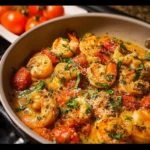
Garlic Tomato Shrimp Scampi Recipe
Ingredients
- For the Pasta:
- 1 lb (450g) Linguine, Spaghetti, or Angel Hair pasta
- Salt, for boiling water
- For the Shrimp and Sauce:
- 1.5 lbs (680g) large or jumbo shrimp, peeled and deveined, tails on or off (your preference)
- 1/4 cup extra-virgin olive oil
- 6 tablespoons unsalted butter, divided
- 8–10 cloves garlic, thinly sliced or minced
- 1 large shallot, finely chopped
- 1/2 teaspoon red pepper flakes (adjust to your spice preference)
- 1 pint (about 2 cups or 300g) cherry or grape tomatoes, halved
- 1/2 cup dry white wine, such as Pinot Grigio or Sauvignon Blanc
- Juice and zest of 1 large lemon
- 1/2 cup reserved pasta water
- 1/2 cup fresh parsley, finely chopped
- 1/4 cup fresh basil, chiffonade (thinly sliced)
- Salt and freshly ground black pepper, to taste
- For Garnish (Optional):
- Freshly grated Parmesan cheese
- Extra fresh parsley
- A drizzle of high-quality olive oil
Instructions
Step 1: Prepare the Pasta
Bring a large pot of heavily salted water to a rolling boil. It should taste like the sea. Add your pasta and cook according to the package directions until it is al dente (firm to the bite). Before draining, carefully reserve at least 1 cup of the starchy pasta water. This liquid gold is the secret to a silky, emulsified sauce. Drain the pasta and set it aside. You can toss it with a teaspoon of olive oil to prevent it from sticking, but this is optional if you are adding it to the sauce immediately.
Step 2: Season and Prepare the Shrimp
While the pasta is cooking, prepare your shrimp. Pat them completely dry with paper towels; this is a critical step for achieving a good sear. A wet shrimp will steam rather than sear. In a medium bowl, toss the dried shrimp with a generous pinch of salt and freshly ground black pepper. Set aside.
Step 3: Begin the Sauce – Sauté Aromatics
In a large skillet or Dutch oven, heat the 1/4 cup of extra-virgin olive oil and 2 tablespoons of the butter over medium heat. Once the butter is melted and foaming, add the finely chopped shallot and cook, stirring frequently, until it softens and becomes translucent, about 2-3 minutes. Add the sliced or minced garlic and the red pepper flakes. Cook for another 60 seconds, stirring constantly, until the garlic is fragrant. Be very careful not to let the garlic brown or burn, as it will become bitter and ruin the sauce.
Step 4: Cook the Tomatoes
Add the halved cherry tomatoes to the skillet. Season them with a pinch of salt and pepper. Cook, stirring occasionally, for about 5-7 minutes. You want the tomatoes to soften, release their juices, and begin to break down slightly, creating a rustic, flavorful base for the sauce. Use the back of your spoon to gently press some of them to help this process along.
Step 5: Deglaze and Build the Sauce
Pour in the dry white wine to deglaze the pan. Use a wooden spoon to scrape up any browned bits (fond) from the bottom of the skillet—this is where a tremendous amount of flavor is locked. Bring the wine to a simmer and let it cook for 2-3 minutes, allowing the alcohol to cook off and the sauce to reduce slightly.
Step 6: Cook the Shrimp
Add the seasoned shrimp to the skillet in a single layer. Cook for 1-2 minutes per side, just until they turn pink and opaque. The biggest mistake in any shrimp dish is overcooking them. They cook incredibly fast, and they will continue to cook from the residual heat of the sauce. As soon as they are mostly pink, they are ready for the next step.
Step 7: Finish the Sauce and Emulsify
Reduce the heat to low. Stir in the lemon juice and lemon zest. Add the remaining 4 tablespoons of butter to the pan. This is where the magic happens. Slowly pour in 1/2 cup of the reserved pasta water while constantly stirring or swirling the pan. The combination of the fat from the butter and the starch from the pasta water will emulsify, creating a creamy, glossy sauce that coats everything beautifully without any actual cream.
Step 8: Combine and Serve
Add the drained pasta directly into the skillet with the shrimp and sauce. Add the fresh parsley and basil. Using tongs, toss everything together gently but thoroughly, ensuring every strand of pasta is coated in the glorious sauce. If the sauce seems too thick, add another splash of the reserved pasta water until it reaches your desired consistency. Taste and adjust seasoning with more salt, pepper, or red pepper flakes if needed.
Step 9: Garnish and Serve Immediately
Divide the Garlic Tomato Shrimp Scampi among warm serving bowls. Garnish with a sprinkle of extra fresh parsley, a dusting of freshly grated Parmesan cheese, and a final, elegant drizzle of extra-virgin olive oil. Serve immediately and enjoy the applause
Nutrition
- Serving Size: One Normal Portion
- Calories: 650-750