

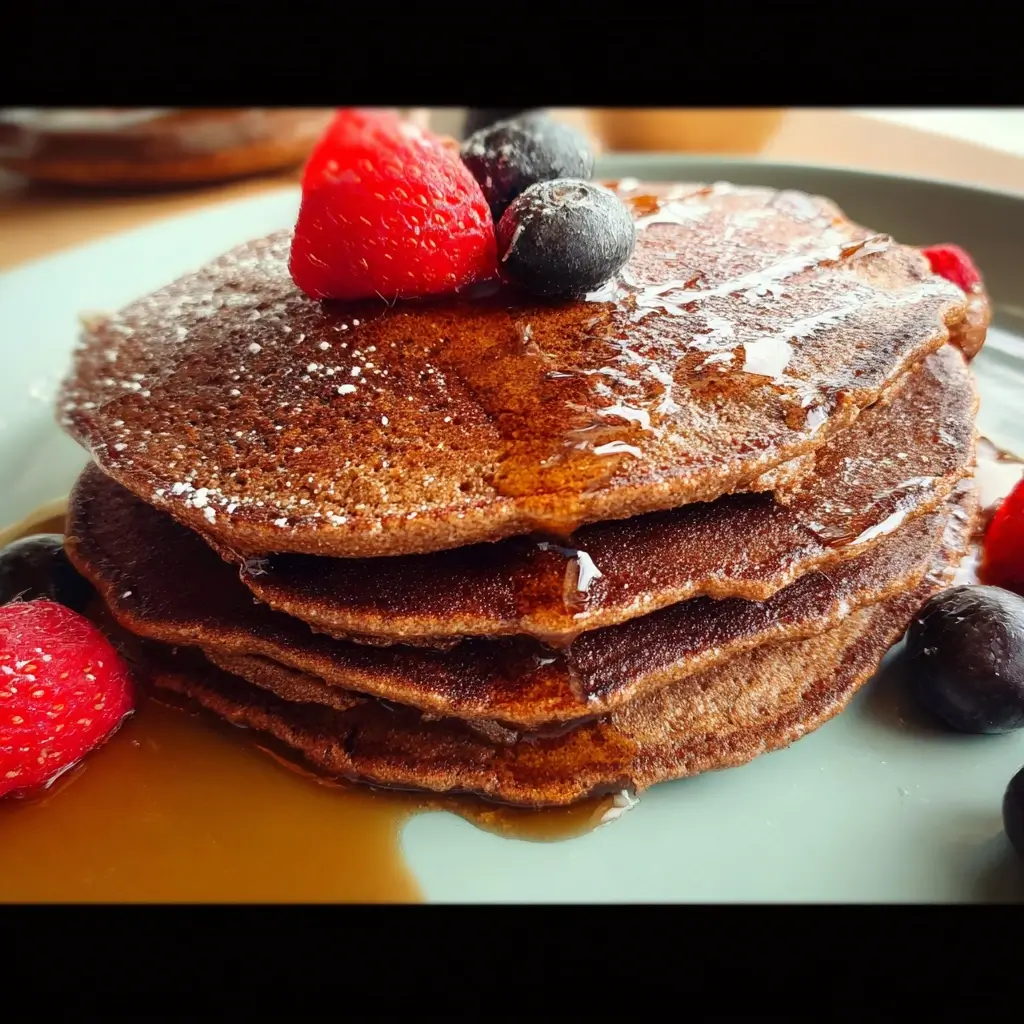
Of all the breakfast transformations our family has gone through, from the sugary cereal phase of my kids’ early years to our current focus on wholesome, energizing starts to the day, none has been as surprising and universally loved as the introduction of Ragi Pancakes. I’ll admit, I was skeptical at first. I associated ragi, or finger millet, with a dense, earthy porridge from my own childhood—nutritious, yes, but not something I’d ever describe as “crave-worthy.” My goal was simple: find a way to pack more calcium and fiber into our morning routine without the usual groans of “Oh, another healthy breakfast.” When I first served these deep, reddish-brown pancakes, I held my breath. But the verdict was instantaneous. They weren’t dense; they were delightfully fluffy. They weren’t just earthy; they had a rich, nutty flavor that paired beautifully with a drizzle of honey and fresh berries. My husband, a pancake purist, went for a second stack, and the kids, my toughest critics, devoured them without a single question about the “secret” ingredient. These Ragi Pancakes have become our weekend staple, a breakfast that feels like a treat but works like a powerhouse fuel, keeping us all full, focused, and happy for hours.
The Ultimate Fluffy Ragi Pancakes: A Complete Recipe
This recipe has been tested and tweaked to perfection, balancing the nutritional might of ragi with ingredients that ensure a light, fluffy texture that rivals any traditional pancake. The key is the combination of flours and a moment of rest for the batter.
The Cast of Ingredients: What You’ll Need
Understanding the role of each ingredient is key to perfecting your pancakes. We’re not just throwing things in a bowl; we’re building flavor and texture layer by layer.
- Ragi Flour (Finger Millet Flour): 1 cup (approx. 120g). This is our star player. Ensure you use good quality, fresh ragi flour. Older flour can sometimes impart a slightly bitter taste. Ragi is naturally gluten-free and brings a beautiful, deep color and a rich, nutty flavor to the pancakes.
- Whole Wheat Flour: ½ cup (approx. 60g). While you can make this recipe with 100% ragi, adding whole wheat flour provides gluten, which gives the pancakes better structure, a familiar chew, and helps them become incredibly light and fluffy.
- Jaggery Powder or Coconut Sugar: 3 to 4 tablespoons, adjustable to your taste. Using a natural, unrefined sweetener like jaggery not only adds a lovely caramel note that complements the ragi but also provides trace minerals. You can also use maple syrup or honey.
- Baking Powder: 2 teaspoons. This is our primary leavening agent. It’s crucial for creating the chemical reaction that produces air bubbles, making the pancakes rise and become airy instead of dense. Make sure your baking powder is fresh for the best lift.
- Baking Soda: ½ teaspoon. Working in tandem with an acidic element (the buttermilk or yogurt), baking soda gives an extra boost of leavening power for maximum fluffiness.
- A Pinch of Salt: ¼ teaspoon. Salt is a flavor enhancer. It doesn’t make the pancakes salty but rather balances the sweetness and brings out the nutty notes of the ragi and wheat flours.
- Large Egg: 1. The egg acts as a binder, holding everything together. It also adds richness, flavor, and contributes to the soft texture of the final pancake. (See FAQ for a vegan alternative).
- Milk: 1 ¼ cups (approx. 300ml). You can use regular dairy milk or any plant-based milk like almond, soy, or oat milk.
- Plain Yogurt or Buttermilk: ¼ cup (approx. 60g). The acidity in yogurt or buttermilk reacts with the baking soda for extra lift. It also adds a subtle tang and moisture, resulting in incredibly tender pancakes.
- Melted Butter or Coconut Oil: 2 tablespoons, plus more for greasing the pan. Fat is essential for flavor and tenderness. Melted butter adds a classic, rich taste, while coconut oil works wonderfully with the nutty ragi flavor.
- Vanilla Extract: 1 teaspoon. A simple addition that elevates the overall flavor profile, making the pancakes feel more like a decadent treat.
- Optional Spice Blend: ½ teaspoon of ground cardamom or ¼ teaspoon of ground cinnamon. Cardamom, in particular, has a natural affinity for ragi and jaggery, creating a wonderfully aromatic and traditional flavor profile.
Step-by-Step Instructions for Pancake Perfection
Follow these instructions carefully, paying close attention to the techniques that guarantee a perfect result.
Part 1: Preparing the Pancake Batter
- Combine the Dry Ingredients: In a large mixing bowl, add the ragi flour, whole wheat flour, jaggery powder (or your chosen sweetener), baking powder, baking soda, and salt. If you’re using cardamom or cinnamon, add it now. Use a whisk to thoroughly combine everything. This step is more important than it seems; evenly distributing the leavening agents is the first secret to a uniform, fluffy pancake.
- Combine the Wet Ingredients: In a separate medium-sized bowl, crack the egg and whisk it lightly. To the whisked egg, add the milk, plain yogurt (or buttermilk), melted butter (or coconut oil), and vanilla extract. Whisk these wet ingredients together until they are well combined and smooth.
- Marry the Wet and Dry: Pour the wet ingredient mixture into the bowl of dry ingredients. Using your whisk or a spatula, gently fold the ingredients together until they are just combined. It’s crucial not to overmix! A few small lumps in the batter are perfectly fine. Overmixing develops the gluten in the wheat flour too much, which will result in tough, rubbery pancakes instead of light and tender ones.
- The Crucial Resting Period: This is the most important step for success with ragi flour. Cover the bowl and let the batter rest for at least 10-15 minutes. This allows the ragi and wheat flours to fully hydrate, which thickens the batter to the perfect consistency and results in a much softer pancake. It also gives the baking powder time to start working its magic. During this time, the batter will thicken slightly and you may see a few bubbles forming on the surface.
Part 2: Cooking the Pancakes
- Check Batter Consistency: After resting, give the batter a gentle stir. It should be thick but still pourable, like a thick milkshake. If it seems too thick (ragi flour can be very absorbent), add another tablespoon or two of milk until you reach the desired consistency.
- Heat Your Pan: Place a non-stick skillet or a cast-iron griddle over medium-low heat. Getting the temperature right is key. If the pan is too hot, the outside of the pancake will burn before the inside is cooked. If it’s too cool, the pancake won’t get a nice golden-brown crust and may absorb too much oil.
- Grease the Pan: Add a small amount of butter or oil to the hot pan, swirling to coat the surface evenly. You should hear a gentle sizzle, not a loud crackle.
- Pour the Batter: Using a ¼ cup measure or a ladle, pour the batter onto the hot pan to form pancakes of your desired size. Don’t overcrowd the pan; cook in batches of two or three at a time to make flipping easier.
- Watch for Bubbles: Cook the pancake on the first side for about 2-3 minutes. You’ll know it’s ready to flip when you see bubbles forming and popping on the surface, and the edges start to look dry and set.
- Flip and Cook: Using a thin, wide spatula, confidently flip the pancake. Cook on the second side for another 1-2 minutes, or until it’s golden brown and cooked through. Avoid the temptation to press down on the pancake with your spatula, as this will deflate all the air bubbles you worked so hard to create.
- Keep Warm and Repeat: Transfer the cooked pancakes to a plate and keep them warm (you can place them in a low-temperature oven at 200°F or 90°C) while you cook the remaining batter, adding a little more butter or oil to the pan for each batch as needed.
Nutrition Facts
- Servings: This recipe makes approximately 10-12 medium-sized pancakes.
- Servings Per Recipe: 4-5 servings.
- Calories Per Serving (approx. 2-3 pancakes): 320-380 kcal.
Please note that these values are an estimate and can vary based on the exact ingredients used, such as the type of milk, sweetener, and toppings. A single serving of these pancakes is a nutritional powerhouse, offering a significant source of dietary fiber, calcium (from the ragi), protein, and complex carbohydrates for sustained energy.
Preparation Time
- Prep Time: 20 minutes (includes the 10-15 minute resting time for the batter)
- Cook Time: 15-20 minutes
- Total Time: Approximately 35-40 minutes
Elevate Your Plate: How to Serve Ragi Pancakes
The beauty of these pancakes lies in their versatility. Their nutty, slightly earthy flavor profile works well with a wide array of toppings, from classic sweet to surprisingly savory. Here are some ideas to get you started:
The Classic Sweet Stack
- Maple Syrup or Honey: A generous drizzle of pure maple syrup or raw honey is a timeless choice.
- A Pat of Butter: Let a small pat of quality butter melt over the warm stack for added richness.
- Powdered Sugar: A light dusting of powdered sugar adds a touch of elegance and sweetness.
The Fresh and Fruity
- Mixed Berries: A handful of fresh strawberries, blueberries, and raspberries provides a tart contrast and a boost of antioxidants.
- Sliced Bananas: Sliced bananas are a natural pairing, adding sweetness and potassium.
- Fruit Compote: Gently warm some frozen berries in a saucepan with a splash of water and a tiny bit of sweetener until they break down into a delicious, warm sauce.
- A Dollop of Yogurt: A spoonful of thick Greek yogurt or coconut yogurt adds a creamy, tangy element that balances the sweetness.
The Nutty Professor
- Toasted Nuts: Sprinkle with toasted chopped almonds, walnuts, or pecans for a delightful crunch and healthy fats.
- Seed Mix: A sprinkle of chia seeds, flax seeds, or pumpkin seeds adds texture and a nutritional boost.
- Nut Butter: A generous schmear of almond butter, peanut butter, or cashew butter between the layers makes for an incredibly satisfying and protein-packed meal.
The Decadent Delight
- Chocolate Drizzle: Melt some dark chocolate and drizzle it over the stack for a weekend treat.
- Chocolate Chips: You can add a tablespoon of chocolate chips directly into the batter for molten pockets of chocolate in every bite.
- Whipped Cream: A dollop of freshly whipped cream or coconut cream turns these pancakes into a celebratory breakfast.
Additional Tips for Perfect Ragi Pancakes Every Time
- Don’t Skip the Rest: I cannot emphasize this enough. Ragi flour is coarser than all-purpose flour and needs time to absorb the liquid. Skipping the 10-15 minute resting period is the number one reason for gritty or dry pancakes. Be patient; it’s worth it.
- Master the Heat: The biggest challenge in cooking any pancake is heat management. Start with medium-low heat. Ragi pancakes are darker in color, making it harder to judge doneness visually. Low and slow cooking ensures they cook through to the center without the exterior burning. If your first pancake cooks too quickly, turn the heat down.
- Use Fresh Ingredients: This is especially true for your leavening agents (baking powder and soda) and your ragi flour. Old baking powder won’t provide the necessary lift, leading to flat pancakes. Ragi flour can go rancid or develop a bitter taste over time, so use flour from a recently opened package for the best flavor.
- Embrace the Lumps: When combining wet and dry ingredients, your goal is to moisten, not to mix until smooth. A lumpy batter is a sign that you haven’t over-activated the gluten, which is the secret to a tender crumb. A few gentle folds with a spatula are all you need.
- Flavor Customization is Key: Don’t be afraid to experiment. Add a pinch of nutmeg along with the cinnamon, a drop of almond extract with the vanilla, or even the zest of an orange into the batter. These small additions can completely transform the flavor profile and keep the recipe exciting.
Your Ragi Pancake Questions, Answered (FAQ)
1. Can I make these Ragi Pancakes vegan?
Absolutely! This recipe is very easy to veganize.
- For the egg: Create a “flax egg” by mixing 1 tablespoon of ground flaxseed with 3 tablespoons of water. Let it sit for 5-10 minutes until it becomes gelatinous, then use it in place of the regular egg.
- For the milk and yogurt: Simply substitute with your favorite plant-based alternatives. Almond milk, soy milk, or oat milk work perfectly. For the yogurt, use a plain, unsweetened plant-based yogurt (like coconut or soy yogurt) or replace both the milk and yogurt with 1 ½ cups of plant-based buttermilk (made by adding 1 ½ tablespoons of lemon juice or apple cider vinegar to 1 ½ cups of plant-based milk and letting it sit for 5 minutes).
- For the butter: Use melted coconut oil or any other neutral-flavored vegetable oil.
2. Are Ragi Pancakes 100% gluten-free?
As written, this recipe is not 100% gluten-free because it contains whole wheat flour. The wheat flour is added to achieve a lighter, fluffier texture. However, you can easily make them fully gluten-free. For the best results, replace the ½ cup of whole wheat flour with a gluten-free all-purpose flour blend or with ¼ cup of oat flour and ¼ cup of buckwheat or jowar (sorghum) flour. Using 100% ragi flour will result in a denser, more fragile pancake, but it is certainly possible.
3. Why do my ragi pancakes sometimes taste slightly bitter?
This is a common concern with ragi. The slight bitterness or strong earthy taste usually comes from ragi flour that is not fresh. Ragi contains natural oils that can go rancid over time. To avoid this, always buy ragi flour from a reputable source, check the expiration date, and store it in an airtight container in a cool, dark place (or even the refrigerator) to maintain its freshness. Using a little extra jaggery or vanilla can also help balance the flavor.
4. How do I store leftover pancakes or batter?
- Leftover Pancakes: Allow the pancakes to cool completely. You can store them in an airtight container in the refrigerator for up to 3 days. To reheat, you can pop them in the toaster (our favorite method for a slightly crispy edge!), microwave them for 20-30 seconds, or warm them in a dry non-stick pan over low heat. They also freeze beautifully. Stack them with a small piece of parchment paper between each one, place them in a freezer-safe bag, and they will last for up to 2 months.
- Leftover Batter: It’s generally best to cook all the batter at once because the leavening agents (baking powder and soda) lose their potency over time. However, if you must store it, you can keep it in an airtight container in the refrigerator for up to 24 hours. The pancakes made the next day might not be quite as fluffy, but they will still be delicious.
5. Can I make these pancakes without any added sweetener?
Yes, you can. If you’re trying to reduce sugar intake, you can omit the jaggery or coconut sugar entirely. To add natural sweetness, mash one very ripe banana and add it to the wet ingredients. The riper the banana, the sweeter it will be. You could also add ¼ cup of unsweetened applesauce to the batter. When serving, top with fresh fruits like berries or sliced peaches instead of syrup.

Fluffy Ragi Pancakes Recipe
Ingredients
- Ragi Flour (Finger Millet Flour): 1 cup (approx. 120g). This is our star player. Ensure you use good quality, fresh ragi flour. Older flour can sometimes impart a slightly bitter taste. Ragi is naturally gluten-free and brings a beautiful, deep color and a rich, nutty flavor to the pancakes.
- Whole Wheat Flour: ½ cup (approx. 60g). While you can make this recipe with 100% ragi, adding whole wheat flour provides gluten, which gives the pancakes better structure, a familiar chew, and helps them become incredibly light and fluffy.
- Jaggery Powder or Coconut Sugar: 3 to 4 tablespoons, adjustable to your taste. Using a natural, unrefined sweetener like jaggery not only adds a lovely caramel note that complements the ragi but also provides trace minerals. You can also use maple syrup or honey.
- Baking Powder: 2 teaspoons. This is our primary leavening agent. It’s crucial for creating the chemical reaction that produces air bubbles, making the pancakes rise and become airy instead of dense. Make sure your baking powder is fresh for the best lift.
- Baking Soda: ½ teaspoon. Working in tandem with an acidic element (the buttermilk or yogurt), baking soda gives an extra boost of leavening power for maximum fluffiness.
- A Pinch of Salt: ¼ teaspoon. Salt is a flavor enhancer. It doesn’t make the pancakes salty but rather balances the sweetness and brings out the nutty notes of the ragi and wheat flours.
- Large Egg: 1. The egg acts as a binder, holding everything together. It also adds richness, flavor, and contributes to the soft texture of the final pancake. (See FAQ for a vegan alternative).
- Milk: 1 ¼ cups (approx. 300ml). You can use regular dairy milk or any plant-based milk like almond, soy, or oat milk.
- Plain Yogurt or Buttermilk: ¼ cup (approx. 60g). The acidity in yogurt or buttermilk reacts with the baking soda for extra lift. It also adds a subtle tang and moisture, resulting in incredibly tender pancakes.
- Melted Butter or Coconut Oil: 2 tablespoons, plus more for greasing the pan. Fat is essential for flavor and tenderness. Melted butter adds a classic, rich taste, while coconut oil works wonderfully with the nutty ragi flavor.
- Vanilla Extract: 1 teaspoon. A simple addition that elevates the overall flavor profile, making the pancakes feel more like a decadent treat.
- Optional Spice Blend: ½ teaspoon of ground cardamom or ¼ teaspoon of ground cinnamon. Cardamom, in particular, has a natural affinity for ragi and jaggery, creating a wonderfully aromatic and traditional flavor profile.
Instructions
Part 1: Preparing the Pancake Batter
- Combine the Dry Ingredients: In a large mixing bowl, add the ragi flour, whole wheat flour, jaggery powder (or your chosen sweetener), baking powder, baking soda, and salt. If you’re using cardamom or cinnamon, add it now. Use a whisk to thoroughly combine everything. This step is more important than it seems; evenly distributing the leavening agents is the first secret to a uniform, fluffy pancake.
- Combine the Wet Ingredients: In a separate medium-sized bowl, crack the egg and whisk it lightly. To the whisked egg, add the milk, plain yogurt (or buttermilk), melted butter (or coconut oil), and vanilla extract. Whisk these wet ingredients together until they are well combined and smooth.
- Marry the Wet and Dry: Pour the wet ingredient mixture into the bowl of dry ingredients. Using your whisk or a spatula, gently fold the ingredients together until they are just combined. It’s crucial not to overmix! A few small lumps in the batter are perfectly fine. Overmixing develops the gluten in the wheat flour too much, which will result in tough, rubbery pancakes instead of light and tender ones.
- The Crucial Resting Period: This is the most important step for success with ragi flour. Cover the bowl and let the batter rest for at least 10-15 minutes. This allows the ragi and wheat flours to fully hydrate, which thickens the batter to the perfect consistency and results in a much softer pancake. It also gives the baking powder time to start working its magic. During this time, the batter will thicken slightly and you may see a few bubbles forming on the surface.
Part 2: Cooking the Pancakes
- Check Batter Consistency: After resting, give the batter a gentle stir. It should be thick but still pourable, like a thick milkshake. If it seems too thick (ragi flour can be very absorbent), add another tablespoon or two of milk until you reach the desired consistency.
- Heat Your Pan: Place a non-stick skillet or a cast-iron griddle over medium-low heat. Getting the temperature right is key. If the pan is too hot, the outside of the pancake will burn before the inside is cooked. If it’s too cool, the pancake won’t get a nice golden-brown crust and may absorb too much oil.
- Grease the Pan: Add a small amount of butter or oil to the hot pan, swirling to coat the surface evenly. You should hear a gentle sizzle, not a loud crackle.
- Pour the Batter: Using a ¼ cup measure or a ladle, pour the batter onto the hot pan to form pancakes of your desired size. Don’t overcrowd the pan; cook in batches of two or three at a time to make flipping easier.
- Watch for Bubbles: Cook the pancake on the first side for about 2-3 minutes. You’ll know it’s ready to flip when you see bubbles forming and popping on the surface, and the edges start to look dry and set.
- Flip and Cook: Using a thin, wide spatula, confidently flip the pancake. Cook on the second side for another 1-2 minutes, or until it’s golden brown and cooked through. Avoid the temptation to press down on the pancake with your spatula, as this will deflate all the air bubbles you worked so hard to create.
- Keep Warm and Repeat: Transfer the cooked pancakes to a plate and keep them warm (you can place them in a low-temperature oven at 200°F or 90°C) while you cook the remaining batter, adding a little more butter or oil to the pan for each batch as needed.
Nutrition
- Serving Size: One Normal Portion
- Calories: 320-380