
The moment the rich aroma of coconut milk mingled with fragrant Thai spices filled my kitchen, I knew dinner was going to be special. This Thai Coconut Curry Vegetables recipe has become my go-to comfort food—vibrant, creamy, and bursting with layers of flavor that make every bite feel like a warm hug. What I love most is how effortlessly it transforms humble veggies into a luscious, crowd-pleasing dish that’s perfect for busy weeknights or when you crave something wholesome yet exciting. Whether you’re a seasoned chef or just tired of the usual takeout, this curry’s balance of spicy, sweet, and savory notes will quickly become a favorite in your home-cooked repertoire.
Why Choose Thai Coconut Curry Vegetables?
Vibrant Flavors explode with every bite thanks to authentic Thai spices blended perfectly with creamy coconut milk. Easy to Make with simple steps that fit into your busy schedule. Vegetable Variety lets you customize using whatever’s fresh or in your fridge. Healthful and Wholesome, this dish balances nutrition and indulgence effortlessly. Crowd-Pleasing Comfort makes it ideal for family dinners or entertaining guests with bold, satisfying tastes.
Thai Coconut Curry Vegetables Ingredients
For the Curry Base
- Coconut Milk – adds rich creaminess and authentic flavor to the curry.
- Thai Red Curry Paste – delivers the bold, spicy kick essential for this dish.
- Garlic Cloves – minced finely to infuse the curry with aromatic depth.
- Fresh Ginger – grated for a zesty, warming note that complements the spices.
- Onion – diced to build a savory foundation for the sauce.
For the Vegetables
- Bell Peppers – colorful and crisp, they add sweetness and texture.
- Carrots – sliced thin to cook evenly and bring natural sweetness.
- Green Beans – tender yet crunchy, they brighten the curry’s freshness.
- Zucchini – softens beautifully while soaking up the curry flavors.
- Baby Corn – for a delightful crunch and subtle sweetness.
For Seasoning and Garnish
- Fresh Lime Juice – a splash to balance richness with zesty brightness.
- Cilantro Leaves – chopped fresh for a vibrant herbal finish.
- Soy Sauce or Fish Sauce – adds depth and umami, adjusting to taste.
- Brown Sugar – just a pinch to enhance the curry’s sweet-savory harmony.
Use these Thai Coconut Curry Vegetables ingredients to create a luscious, vibrant dish that’s as inviting as it is nourishing.
How to Make Thai Coconut Curry Vegetables
- Heat Oil: Warm 1 tablespoon vegetable oil in a large skillet over medium heat for about 1 minute, until it shimmers and feels hot to the touch.
- Sauté Aromatics: Add diced onion, minced garlic, and grated ginger to the hot oil; sauté gently, stirring constantly until the onion turns translucent and the mixture smells fragrant, about 2 minutes.
- Add Curry Paste: Stir in Thai red curry paste and cook for 1 minute, stirring vigorously until the paste releases its aromas and turns a deeper red hue.
- Pour Coconut Milk: Pour in coconut milk, scraping any browned bits from the pan; whisk until smooth, then bring the curry to a gentle simmer over medium-low heat.
- For the Vegetables:
- Add Carrots & Beans: Add sliced carrots and halved green beans to the simmering sauce; cook 3 minutes until they’re slightly tender but still bright and crisp.
- Add Remaining Veggies: Stir in bell peppers, zucchini, and baby corn; continue to simmer for 4–5 minutes until all the vegetables are tender-crisp and coated in creamy curry.
- To Finish: Mix in lime juice, brown sugar, and fish sauce (or soy sauce); simmer 1 more minute, then taste and adjust seasoning for perfect flavor balance.
Optional: Top with chopped cilantro and a lime wedge.
Exact quantities are listed in the recipe card below.
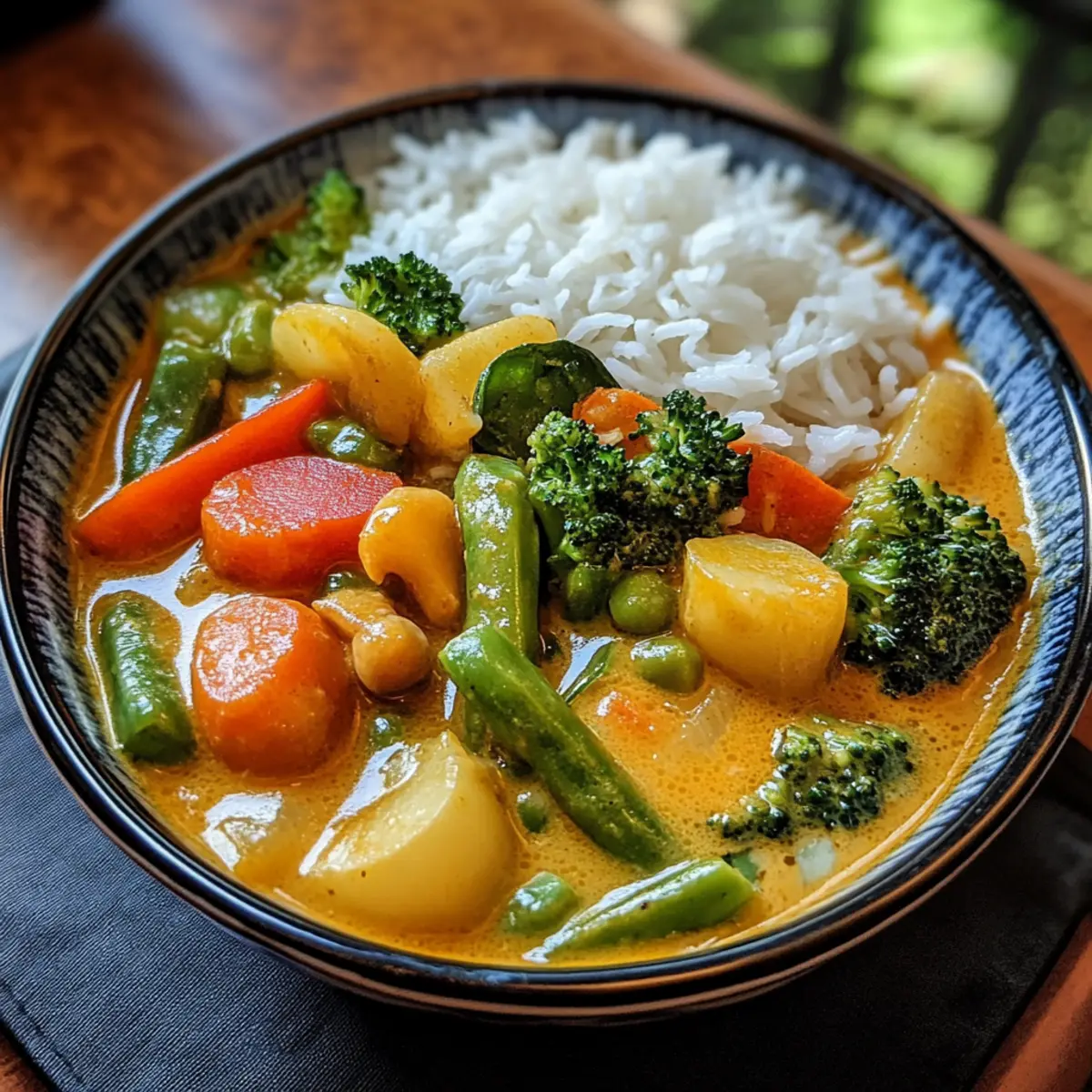
Make Ahead Options
These Thai Coconut Curry Vegetables are perfect for meal prep enthusiasts! You can chop the vegetables—bell peppers, carrots, green beans, zucchini, and baby corn—up to 3 days in advance. Just make sure to store them in an airtight container in the refrigerator to keep them fresh and vibrant. You can also prepare the curry base (coconut milk, red curry paste, garlic, ginger, and onions) up to 24 hours ahead, mixing them and refrigerating until you’re ready to cook. When it’s time to serve, simply reheat the curry base, add the prepped vegetables, and simmer until heated through. This way, you’ll enjoy the comforting flavors of this dish with minimal effort on busy weeknights!
How to Store and Freeze Thai Coconut Curry Vegetables
Fridge: Store leftovers in an airtight container and refrigerate for up to 3 days. Reheat on the stove over low heat, adding a splash of water or coconut milk for creaminess.
Freezer: For longer storage, freeze the curry in freezer-safe containers for up to 3 months. Thaw overnight in the fridge before reheating.
Reheating: Reheat the curry in a saucepan over medium-low heat or in the microwave until heated thoroughly, ensuring the veggies stay tender-crisp.
Avoid Separation: If you notice the curry separating after freezing, whisk gently during reheating to bring back its creamy texture, keeping those Thai Coconut Curry Vegetables luscious and inviting.
Variations & Substitutions for Thai Coconut Curry Vegetables
Feel free to explore these delightful twists that enhance your curry experience while keeping it fresh and exciting.
-
Spicy Upgrade: Add sliced fresh chilies or a dash of Sriracha to the curry for extra heat and a fiery kick.
-
Protein Boost: Toss in cubed tofu, chicken, or shrimp for a heartier dish that’s both satisfying and nourishing. They absorb the flavors beautifully!
-
Nutty Flavor: Stir in a spoonful of almond or peanut butter for a creamy nuttiness that complements the coconut perfectly. It adds a wonderful richness!
-
Whole Grains: Serve the curry over quinoa, brown rice, or farro instead of white rice for added nutrition and a chewy texture that contrasts beautifully.
-
Coconut Variations: Use light coconut milk for a lower-fat version, or substitute with coconut cream for an even creamier experience.
-
Veggie Swaps: Experiment with vegetables like broccoli, eggplant, or snap peas; each adds its unique flavor profile and texture to the mix.
-
Herb Infusion: Use Thai basil or mint in place of cilantro for an aromatic twist that elevates your dish with fragrant freshness.
-
Seasoning Alterations: Replace fish sauce with tamari or miso for a vegetarian-friendly umami kick, ensuring every bite remains deliciously savory.
Embrace creativity and make this dish uniquely yours!
Expert Tips for Thai Coconut Curry Vegetables
- Balance Flavors Carefully: Taste your curry before serving and adjust the sweetness, acidity, and saltiness to create the perfect harmony of Thai Coconut Curry Vegetables.
- Don’t Overcook Veggies: Keep vegetables tender-crisp to preserve their texture and vibrant color, avoiding mushiness for the best mouthfeel.
- Use Fresh Aromatics: Fresh ginger and garlic bring essential brightness and depth; avoid pre-minced versions for authentic flavor.
- Simmer Gently: Let the curry simmer on low to meld flavors without breaking the coconut milk, preventing separation or graininess.
- Customize Veggie Choices: Feel free to swap in seasonal or preferred vegetables, ensuring similar cook times to maintain even texture.
- Add Fresh Lime Last: Squeeze in lime juice just before serving to preserve its zesty brightness and enhance the curry’s overall taste.
What to Serve with Thai Coconut Curry Vegetables?
Transform your meal into a beautiful medley of flavors and textures that complement the creamy and vibrant notes of the curry.
-
Jasmine Rice: A fragrant basmati or jasmine rice is perfect for soaking up the rich curry sauce, creating a harmonious balance of flavors.
-
Crispy Spring Rolls: These crunchy delights bring a satisfying texture contrast and a hint of freshness, teasing your taste buds with each bite.
-
Cucumber Salad: A refreshing salad with thinly sliced cucumbers, mint, and chili offers a cool, crisp accompaniment to the warming spices in the curry.
-
Grilled Chicken or Tofu Skewers: Skewers marinated lightly and grilled add protein that pairs beautifully with the bold flavors of the Thai Coconut Curry.
-
Mango Sticky Rice: For a delightful dessert, this sweet treat beautifully balances the savory profile of the curry while satisfying your sweet tooth.
-
Thai Iced Tea: This creamy, sweet beverage contrasts the robust flavors of the curry and refreshes your palate, rounding out the dining experience perfectly.
Enjoy the culinary journey by pairing these options, ensuring each meal is not just satisfying, but an adventure!
Thai Coconut Curry Vegetables Recipe FAQs
How do I choose the best vegetables for Thai Coconut Curry Vegetables?
Look for fresh, vibrant veggies that are firm and free from dark spots. Bell peppers should be brightly colored; carrots crisp and snap when bent; green beans with no signs of wilting. The fresher the produce, the more vibrant and crisp your curry will be!
Can I store leftover Thai Coconut Curry Vegetables in the fridge? How long will it keep?
Absolutely! Store your leftovers in an airtight container and refrigerate them. They’ll stay delicious and safe to eat for up to 3 to 4 days. When reheating, warm gently on the stove to keep the veggies tender yet crisp.
Is it possible to freeze Thai Coconut Curry Vegetables? What’s the best way?
Yes, freezing is a great option for making this curry ahead of time. I recommend portioning your curry into freezer-safe containers or heavy-duty freezer bags. Freeze for up to 3 months. When ready to enjoy, thaw overnight in the fridge, then reheat slowly on low heat, stirring occasionally to bring back that creamy texture without separating.
What if my curry tastes too spicy or too mild—how can I fix the balance?
Great question! If it’s too spicy, add a little more coconut milk or a pinch of brown sugar to mellow the heat. If it’s too mild, stir in a small spoonful more curry paste and taste as you go. Lime juice added just before serving always brightens flavors and helps balance richness beautifully.
Can pets eat Thai Coconut Curry Vegetables? Are there any allergy concerns?
This dish contains ingredients like onion, garlic, and spicy curry paste, which can be harmful to pets like dogs and cats, so it’s best to keep this curry away from them. For allergies, pay close attention to fish sauce (a common allergen) and opt for soy sauce if needed. Always check labels and adjust ingredients thoughtfully for food sensitivities.
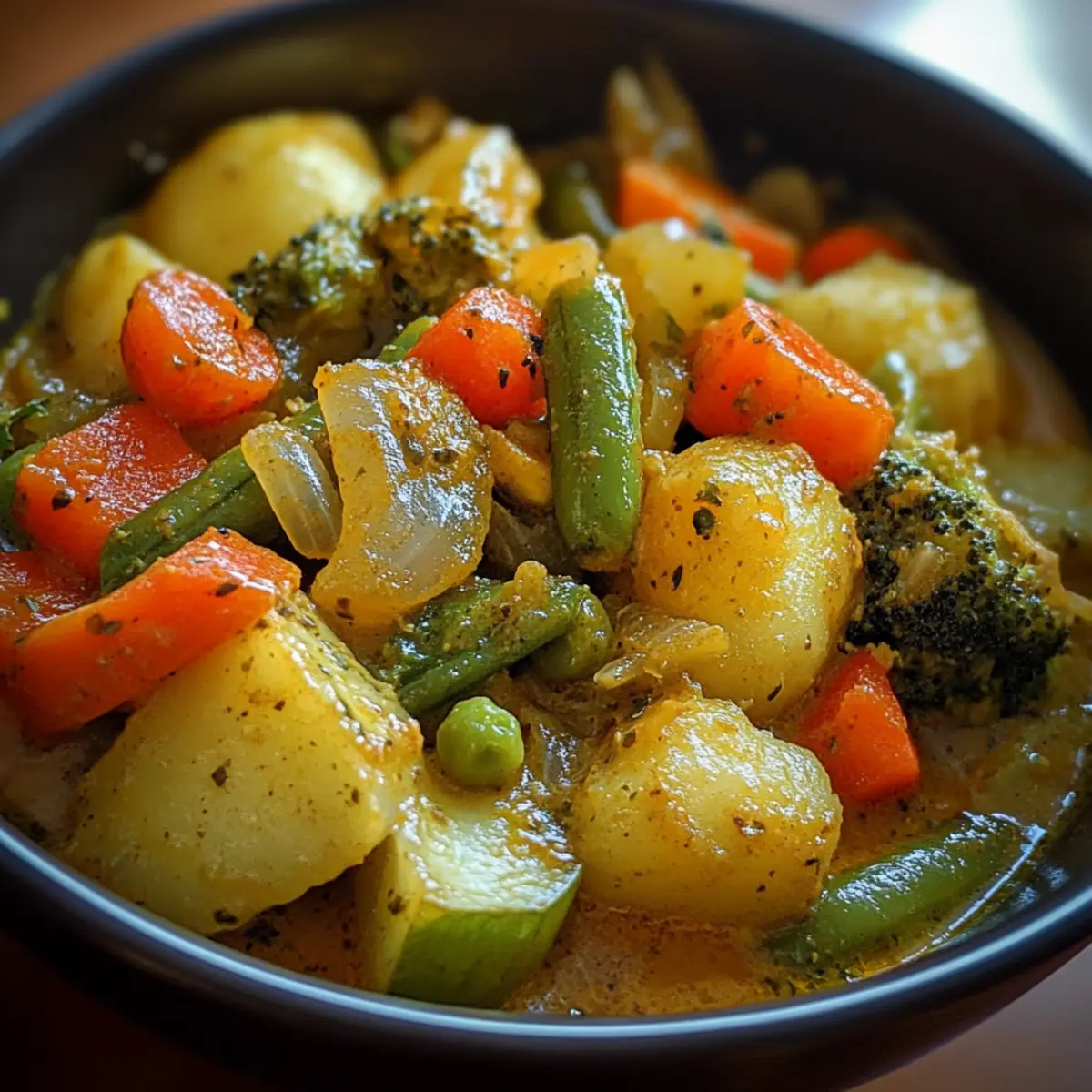
Easy Thai Coconut Curry Vegetables with Bold, Creamy Flavor Boost
Ingredients
Equipment
Method
- Warm 1 tablespoon vegetable oil in a large skillet over medium heat for about 1 minute, until it shimmers.
- Add diced onion, minced garlic, and grated ginger to the hot oil; sauté gently until the onion turns translucent, about 2 minutes.
- Stir in Thai red curry paste and cook for 1 minute until the paste releases its aromas.
- Pour in coconut milk, scraping any browned bits from the pan; whisk until smooth, then bring to a gentle simmer.
- Add sliced carrots and halved green beans; cook for 3 minutes until slightly tender but bright and crisp.
- Stir in bell peppers, zucchini, and baby corn; simmer for 4–5 minutes until tender-crisp.
- Mix in lime juice, brown sugar, and fish sauce (or soy sauce); simmer 1 more minute and adjust seasoning.