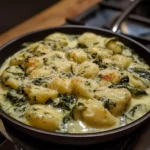

There’s something truly special about stepping into your kitchen and creating a meal that fills the whole house with irresistible aromas and warmth. Whether you’re a home cook craving a break from boring fast food or a seasoned chef looking to reconnect with the joy of homemade flavors, this recipe promises to bring both comfort and excitement back to your table. Simple, satisfying, and bursting with taste, it’s exactly the kind of dish you’ll want to make again and again—because great food doesn’t have to be complicated to be unforgettable. Let’s dive in and turn everyday ingredients into something spectacular!

Why choose homemade food today?
Flavorful freshness: Homemade food lets you control every ingredient for unmatched taste. Easy to customize: Adjust spices and portions to suit your mood or guests. Nostalgic comfort: Nothing beats the warmth and satisfaction of a home-cooked meal. Healthier option: Homemade meals are free from hidden preservatives and excess additives. Saves money: Preparing food at home stretches your budget without sacrificing quality. This recipe invites you to rediscover the joy of cooking from scratch with simple steps and delicious results!
Essential homemade food ingredients
For the Fresh Base
- Fresh vegetables – Choose seasonal picks to maximize flavor and nutrition in your homemade food.
- High-quality proteins – Whether chicken, beef, tofu, or beans, they add heartiness and satisfaction.
- Aromatic herbs – Fresh parsley, thyme, or basil bring signature warmth that defines homemade dishes.
For Flavor Boosters
- Garlic and onions – These staples build deep, layered flavors that make homemade food unforgettable.
- Spices mix – Customize your blend with paprika, cumin, or crushed red pepper for a personal touch.
- Stock or broth – Using homemade or low-sodium stock enhances richness without unwanted additives.
For Finishing Touches
- Olive oil or butter – These fats add creaminess and help meld flavors beautifully in the final dish.
- Citrus juice or vinegar – A splash brightens and balances tastes, making each bite pop.
- Salt and freshly ground pepper – Essential for seasoning, elevating the homemade food experience perfectly.
How to Make Homemade Food
- Prep Vegetables: Wash and chop fresh seasonal vegetables uniformly into bite-size pieces (about ½ inch) to ensure even cooking and maximum flavor release during the sauté stage.
- Heat Oil: Warm olive oil or butter in a large skillet over medium heat for 1–2 minutes, swirling until it shimmers and gently coats the pan, ready for aromatics to sizzle.
- Sauté Aromatics: Add minced garlic and finely chopped onions, cooking 3–4 minutes until translucent and fragrant, stirring occasionally to prevent burning and build a deep, savory foundation.
- Cook Protein: Stir in your chosen protein—chicken cubes, browned ground beef, tofu, or beans—and cook for 5–6 minutes until nicely seared, ensuring each piece develops golden edges.
- Season: Sprinkle in your favorite spices—paprika, cumin, or crushed red pepper—then stir for 1–2 minutes until aromatic, coating ingredients evenly for balanced, robust flavor.
- Simmer: Pour in low-sodium broth or stock, bring to a gentle simmer, then cook for about 5 minutes until the liquid slightly reduces and flavors concentrate beautifully.
- Brighten: Stir in a splash of fresh lemon juice or vinegar, then season with salt and pepper to taste, rebalancing richness with zesty brightness for a lively palate.
- Garnish and Serve: Remove from heat, sprinkle fresh herbs like parsley or basil, drizzle extra virgin olive oil, then plate and enjoy your delicious creation while warm.
Optional: Top with toasted nuts or seeds for extra crunch.
Exact quantities are listed in the recipe card below.

Make Ahead Options
These homemade meals are perfect for busy weeknights and meal prep lovers! You can chop your fresh vegetables and store them in an airtight container in the refrigerator for up to 3 days to save time. Additionally, you can sauté the aromatics and cook your protein ahead of time, then refrigerate the mixture for up to 24 hours. When you’re ready to serve, simply reheat the mixture in a skillet, pour in your low-sodium broth, and simmer until heated through. To maintain quality, add a splash of fresh lemon juice or vinegar right before serving for that vibrant flavor boost, ensuring your homemade food tastes just as delicious as when cooked fresh!
Variations & Substitutions for Homemade Food
Get ready to remix your dish with these delightful twists that will enhance its flavors and textures!
- Dairy-Free: Substitute coconut milk for cream for a rich, creamy texture without dairy. This change adds a tropical flair, making it perfect for warm days.
- Spicy Kick: Add chopped jalapeños or crushed red pepper flakes for an exciting heat level that warms your taste buds while complementing the dish beautifully.
- Vegetable Boost: Use a mix of colorful bell peppers or zucchini to amp up the nutrition and vibrant aesthetic. More veggies not only enhance flavor but also brighten your plate.
- Grain Options: Swap traditional rice for quinoa or farro to boost fiber and protein while adding a hearty, nutty texture that elevates your homemade meal.
- Herb Infusion: Experiment with fresh cilantro or dill instead of parsley for a different aromatic profile. Each herb brings its unique personality, transforming the dish completely.
- Umami Punch: Incorporate soy sauce or tamari for a savory depth that enriches the dish. These ingredients introduce a satisfying, complex flavor that enhances every bite.
- Nutty Crunch: Top with toasted almonds or cashews for added flavor and a delightful crunch that contrasts beautifully with the creamy elements of your homemade food.
- Smoky Flavor: Add a pinch of smoked paprika for a subtle, smoky dimension that rounds out the flavors and surprises your taste buds in the best possible way.
How to Store and Freeze Homemade Food
- Room Temperature: Enjoy your homemade food fresh and warm; leftovers can sit out for up to 2 hours before needing storage to prevent spoilage.
- Fridge: Store in an airtight container within 2 hours of cooking; it stays fresh for up to 3 days, maintaining its delicious flavors.
- Freezer: For longer storage, freeze in portions for up to 3 months. Ensure containers are freezer-safe to prevent freezer burn.
- Reheating: Thaw overnight in the fridge before reheating. Gently warm on the stove or in the microwave until heated through, securing that homemade food charm.
Expert Tips for Homemade Food
- Use Fresh Ingredients: Always choose the freshest vegetables and herbs available to enhance the natural flavors of your homemade food.
- Don’t Overcrowd the Pan: Cook ingredients in batches if needed to ensure even cooking and proper browning without steaming.
- Mind the Heat: Maintain medium heat when sautéing aromatics to avoid burning garlic and onions, which can create bitterness.
- Balance Flavors: Taste as you go—adding citrus juice or vinegar at the end brightens the dish and prevents it from feeling too heavy.
- Season Gradually: Add salt in stages to layer flavor instead of overwhelming the dish all at once.
- Customize Your Spices: Experiment with spice blends that excite your palate, making homemade food both comforting and uniquely yours.
What to Serve with Homemade Food?
Creating a comforting meal at home is just the beginning; let’s explore some delightful side dishes that will perfectly complement your delicious homemade creation.
-
Creamy Mashed Potatoes:
The smooth, buttery texture adds richness, making every bite of your homemade food feel extra comforting. -
Seasonal Roasted Vegetables:
Roasting brings out the natural sweetness in vegetables, adding a vibrant and flavorful contrast to your dish. -
Garlic Bread:
Perfect for soaking up any delicious sauce, the crispy exterior and soft interior create a pleasing texture alongside your meal. -
Simple Green Salad:
A fresh salad with crisp greens and a light vinaigrette brightens the overall meal, enhancing flavors with a refreshing crunch. -
Herbed Rice:
Fluffy rice infused with fresh herbs blends beautifully and allows your homemade food to shine as the star of the plate. -
Savory Quinoa:
This nutty grain adds a hearty texture while being packed with protein, making it a nutritious sidekick for your main dish.
Pairing these sides with your homemade food will create a complete, enjoyable experience that satisfies both the palate and the heart.

Homemade Food Recipe FAQs
How do I know if my vegetables are fresh enough for homemade food?
Look for vibrant colors, firm textures, and no dark spots all over. Fresh vegetables should feel crisp and smell fresh, not wilted or overly soft. I always recommend buying seasonal produce at your local market for the best flavor and nutrition.
What’s the best way to store homemade food leftovers?
Place your leftovers in airtight containers within 2 hours of cooking to keep them fresh. Store them in the refrigerator at or below 40°F (4°C), where they’ll stay delicious for up to 3 days. This helps preserve their flavor and keeps your meal safe to eat.
Can I freeze homemade food, and how should I do it?
Absolutely! Freezing homemade food is a great way to enjoy it later. Here’s my go-to method: let the food cool completely, then portion it into freezer-safe airtight containers or heavy-duty freezer bags. Label with the date, and freeze for up to 3 months. When ready to eat, thaw overnight in the fridge and gently reheat on the stove or microwave for the best results.
What if my homemade dish turns out bland? How can I fix it?
Don’t worry, it happens to all of us! Taste and adjust by gradually adding a pinch of salt, a squeeze of fresh lemon juice or a splash of vinegar to brighten the flavors. You can also toss in fresh herbs or a pinch more spice mix for extra depth. Remember, balancing flavors little by little brings the dish alive.
Are there any common allergens or pet safety concerns with homemade food ingredients?
Many homemade dishes include ingredients like garlic, onions, and certain spices—these can be toxic to pets, especially dogs and cats. Also, common allergens like nuts or dairy might be present depending on your recipe. Always keep homemade foods out of reach of pets and double-check ingredient lists if you or your guests have allergies. I often make simple swaps or omit harmful ingredients to keep everyone safe and happy.

Homemade Food
Ingredients
Equipment
Method
- Wash and chop fresh seasonal vegetables uniformly into bite-size pieces.
- Warm olive oil or butter in a large skillet over medium heat for 1–2 minutes.
- Add minced garlic and finely chopped onions, cooking 3–4 minutes until translucent.
- Stir in your chosen protein and cook for 5–6 minutes until nicely seared.
- Sprinkle in your favorite spices, then stir for 1–2 minutes until aromatic.
- Pour in low-sodium broth or stock, bring to a gentle simmer, then cook for about 5 minutes.
- Stir in a splash of fresh lemon juice or vinegar, then season with salt and pepper to taste.
- Remove from heat, sprinkle fresh herbs, drizzle olive oil, and serve warm.