
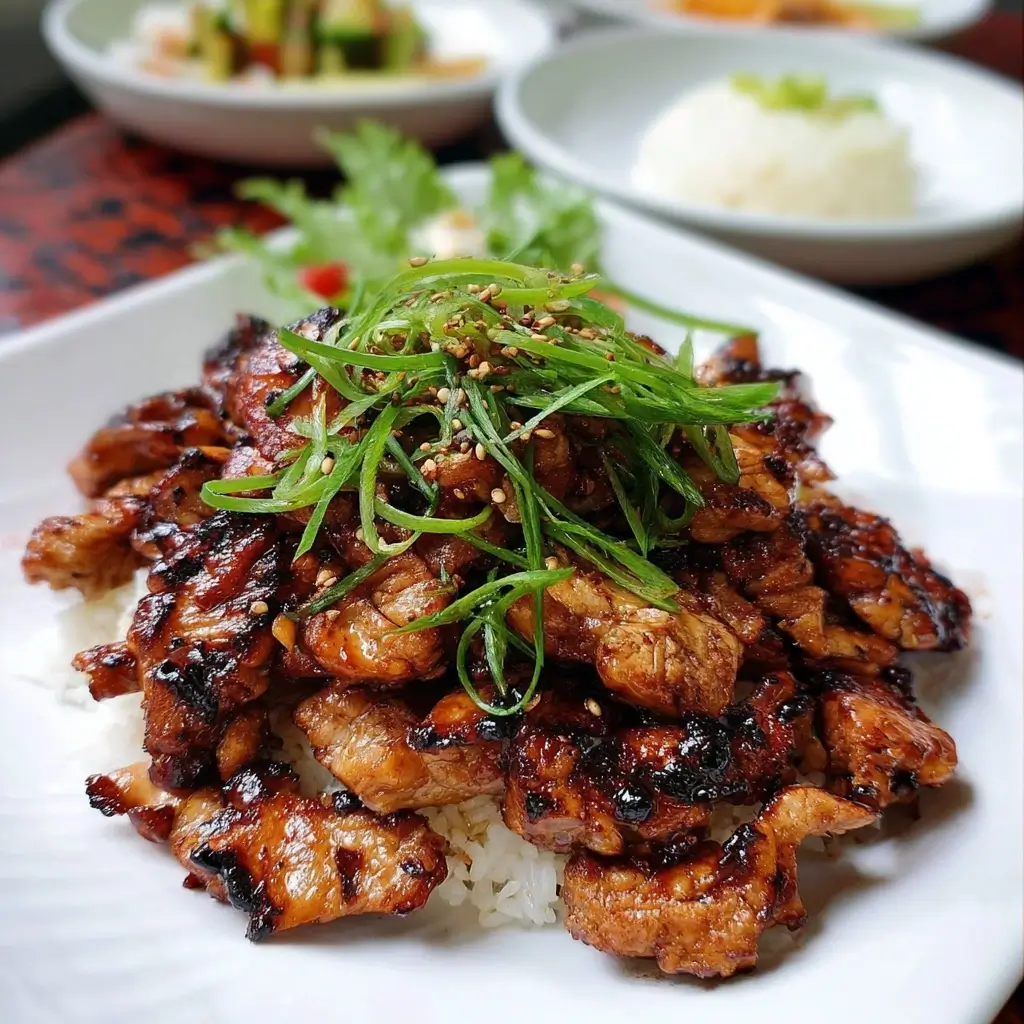

Of all the dishes that grace our family dinner table, few disappear as quickly or with as much enthusiasm as this Dak Bulgogi. The first time I made it, the incredible aroma of caramelizing soy, garlic, and ginger filled the entire house, drawing my kids out of their rooms like a cartoon magnet. The sizzle in the pan was a promise of the deliciousness to come, and it did not disappoint. Seeing my husband, a notoriously picky eater, go back for a third helping and declare it “better than the restaurant’s” was the ultimate seal of approval. It’s that perfect balance of savory, sweet, and slightly spicy that hits every note on your palate. The chicken comes out impossibly tender and juicy, with those coveted charred edges that make Korean BBQ so irresistible. It has since become our go-to for a quick weeknight meal that feels special, for hosting friends who are always impressed, and for those nights when we just crave something comforting and intensely flavorful. This recipe isn’t just about food; it’s about creating those moments of shared joy around a dish that everyone truly loves.
Dak Bulgogi: The Ultimate Korean BBQ Chicken Experience
Welcome to your definitive guide to making the most succulent, flavorful, and authentic Dak Bulgogi, also known as Korean BBQ Chicken. While beef bulgogi often steals the spotlight, its poultry counterpart is a hidden gem that is lighter, quicker to cook, and just as addictive. The name itself tells the story: “Dak” (닭) means chicken, and “Bulgogi” (불고기) translates to “fire meat,” referencing the traditional method of grilling over an open flame.
This recipe is designed to be your one-stop resource. We will delve deep into the magic of the marinade, explore the best cooking techniques to achieve that perfect char, and provide you with countless ways to serve and enjoy this spectacular dish. Whether you’re a seasoned pro in Korean cuisine or a curious beginner, this article will empower you to create a restaurant-quality Dak Bulgogi that will have everyone asking for the recipe.
The Heart of the Flavor: A Deep Dive into the Dak Bulgogi Marinade
The soul of any bulgogi, be it beef or chicken, lies in its marinade. This is not just a simple sauce; it’s a carefully balanced symphony of ingredients designed to tenderize the meat while infusing it with layers of complex flavor. A great marinade hits all the key notes: savory (umami), sweet, aromatic, and a touch of heat. Let’s break down the essential components that make this Korean BBQ chicken marinade so special.
The Savory Umami Foundation
The base of our flavor profile comes from classic Korean pantry staples.
- Soy Sauce: This is the non-negotiable backbone, providing the primary salty and umami flavor. For a richer, less harsh saltiness, I recommend using a naturally brewed, low-sodium soy sauce. It allows the other flavors to shine through without being overpowered.
- Toasted Sesame Oil: This is what gives Korean BBQ its distinctive nutty, fragrant aroma. A little goes a long way. Always use toasted sesame oil, as its flavor is much more robust and complex than plain sesame oil.
The Essential Sweetness
Sweetness is crucial for balancing the saltiness of the soy sauce and for helping the chicken caramelize beautifully during cooking.
- Brown Sugar: The molasses content in brown sugar adds a deeper, more complex sweetness than white sugar. It dissolves easily into the marinade and contributes to a beautiful, sticky glaze on the chicken.
- Korean Pear (or Apple): This is the traditional secret ingredient. A grated Korean pear (or a crisp apple like a Fuji or Gala as a substitute) does double duty. It adds a subtle, natural sweetness and, more importantly, contains enzymes (specifically, calpain) that act as a natural meat tenderizer, resulting in exceptionally juicy and tender chicken.
The Aromatic Powerhouses
These ingredients provide the fresh, pungent kick that cuts through the richness of the marinade.
- Garlic: There is no being shy with garlic in Korean cooking. Finely minced or grated fresh garlic is essential for that pungent, savory depth that is so characteristic of the cuisine.
- Ginger: Freshly grated ginger adds a warm, zesty, and slightly spicy note that brightens up the entire marinade and pairs beautifully with the other ingredients.
The Optional (But Highly Recommended) Kick
You can control the spice level, but a bit of Korean chili adds an authentic and welcome warmth.
- Gochujang (Korean Chili Paste): This fermented red chili paste is a cornerstone of Korean flavor. It adds not just heat, but also a savory, slightly sweet, and complex funky depth. Even a small amount can transform the marinade.
- Gochugaru (Korean Chili Flakes): These vibrant red flakes offer a clean, smoky heat without the added sweetness of gochujang. Using a combination of both provides a more layered and interesting spice profile. If you prefer a milder dish, you can reduce or omit these.
Dak Bulgogi (Korean BBQ Chicken) Recipe
This recipe yields a generous amount, perfect for a family dinner or meal prep for the week.
Ingredients
For the Chicken:
- 2.5 lbs (about 1.2 kg) boneless, skinless chicken thighs, sliced into thin ¼-inch strips
For the Marinade:
- ⅔ cup low-sodium soy sauce
- ½ cup grated Korean pear (or Fuji apple)
- ¼ cup packed brown sugar
- 2 tablespoons toasted sesame oil
- 2 tablespoons gochujang (Korean chili paste), adjust to taste
- 1 tablespoon gochugaru (Korean chili flakes), optional for extra heat
- 1 tablespoon mirin (or rice wine)
- 8-10 cloves garlic, finely minced (about 3 tablespoons)
- 1 tablespoon fresh ginger, grated
- 1 teaspoon black pepper
- 1 medium yellow onion, thinly sliced
- 2 green onions, chopped, plus more for garnish
- 1 teaspoon toasted sesame seeds, for garnish
Instructions
Follow these detailed steps to ensure your Dak Bulgogi is a culinary success.
Step 1: Prepare the Chicken and Vegetables
- Pat the boneless, skinless chicken thighs dry with a paper towel. Place them in the freezer for 15-20 minutes. This will firm them up slightly, making them much easier to slice thinly and evenly.
- Once chilled, slice the chicken against the grain into thin, bite-sized strips, about ¼-inch thick. Place the sliced chicken into a large mixing bowl.
- Thinly slice the yellow onion and chop the green onions. Add them to the bowl with the chicken. The onions will soften and sweeten as they marinate and cook with the chicken, adding another layer of flavor.
Step 2: Create the Flavorful Marinade
- In a separate medium bowl, combine all the marinade ingredients: soy sauce, grated pear, brown sugar, toasted sesame oil, gochujang, gochugaru (if using), mirin, minced garlic, grated ginger, and black pepper.
- Whisk everything together vigorously until the brown sugar and gochujang are fully dissolved and the mixture is well-combined. Taste the marinade and adjust if necessary. You might want it sweeter, spicier, or more garlicky. This is your chance to customize it to your preference.
Step 3: Marinate the Chicken
- Pour the prepared marinade over the chicken and onions in the large bowl.
- Using your hands (you may want to wear gloves) or a pair of tongs, gently massage the marinade into every piece of chicken. Ensure everything is thoroughly coated.
- Cover the bowl with plastic wrap or transfer the mixture to a large zip-top bag. Let it marinate in the refrigerator for at least 1 hour. For the best, most deeply infused flavor, marinate for 4-6 hours or even overnight. Do not exceed 24 hours, as the pear enzymes can start to make the chicken texture mushy.
Step 4: Cook the Dak Bulgogi
You have several excellent options for cooking your Korean BBQ Chicken. The goal is to cook it quickly over high heat to get a nice char while keeping the inside juicy.
Method 1: Pan-Frying (Most Common)
- Heat a large cast-iron skillet, non-stick pan, or wok over medium-high heat. Add a tablespoon of a neutral oil like vegetable or canola oil.
- Once the pan is very hot and the oil is shimmering, add the marinated chicken in a single layer. Do not crowd the pan! Work in batches if necessary. Crowding the pan will steam the chicken instead of searing it, and you will miss out on the delicious caramelized bits.
- Cook for 3-4 minutes per side, without moving it too much, until the chicken is cooked through and has developed a beautiful char on the edges.
- Remove the cooked chicken from the pan and set it aside. Repeat with the remaining batches.
Method 2: Outdoor Grilling (Most Authentic)
- Preheat your outdoor grill to medium-high heat (about 400-450°F or 200-230°C). Clean and oil the grates well to prevent sticking.
- A grill basket is highly recommended for cooking the small pieces of chicken to prevent them from falling through the grates.
- Place the chicken in the grill basket or directly on the grates. Grill for 3-5 minutes per side, until cooked through with lovely grill marks and a smoky char.
Step 5: Garnish and Serve
- Once all the chicken is cooked, transfer it to a serving platter.
- Garnish generously with fresh chopped green onions and a sprinkle of toasted sesame seeds. Serve immediately while hot.
Nutrition Facts
- Servings: 6-8
- Calories per serving: Approximately 380-450 kcal
Disclaimer: The nutritional information provided is an estimate and can vary based on the specific ingredients and portion sizes used.
Preparation Time
- Prep Time: 25 minutes (includes slicing chicken and mixing marinade)
- Marinating Time: 1 hour (minimum) to 12 hours (optimal)
- Cook Time: 15-20 minutes (in batches)
- Total Time (excluding marinating): Approximately 45 minutes
How to Serve Dak Bulgogi: A Guide to Building the Perfect Korean Meal
Dak Bulgogi is incredibly versatile. While it’s fantastic on its own, serving it as part of a traditional Korean meal elevates the experience. Here are some of the best ways to enjoy your delicious creation.
- The Classic “Baekban” Style (Meal Set): This is the most traditional way to enjoy Korean BBQ.
- Steamed Rice: Serve a bowl of hot, short-grain white rice for each person. The rice is the perfect neutral canvas for the flavorful chicken.
- Banchan (Side Dishes): Arrange a variety of small side dishes around the main course. These provide contrasting flavors and textures. Essential banchan include:
- Kimchi: Spicy fermented napa cabbage is a must-have.
- Kongnamul Muchim: Seasoned soybean sprouts.
- Sigeumchi Namul: Seasoned spinach.
- Danmuji: Pickled yellow radish.
- Soup or Stew: A small bowl of a simple soup like Doenjang Jjigae (fermented soybean paste stew) often completes the meal.
- Ssam (Lettuce Wraps): This interactive and fresh way of eating is a fan favorite.
- Lettuce Leaves: Provide a platter of fresh, crisp lettuce leaves. Red leaf, green leaf, or butter lettuce work well. Perilla leaves are also a traditional and wonderfully fragrant option.
- Build Your Own Wrap: Each person takes a lettuce leaf, adds a spoonful of rice, a few pieces of Dak Bulgogi, and a dollop of sauce.
- Sauces: The key sauce for ssam is Ssamjang. It’s a thick, savory paste made from doenjang (soybean paste) and gochujang (chili paste).
- Extra Toppings: Include sliced raw garlic, sliced jalapeños, and kimchi for those who like extra crunch and spice in their wraps.
- Dak Bulgogi Deopbap (Rice Bowl): A simple, satisfying, and complete meal in one bowl.
- Start with a generous base of steamed rice in a large bowl.
- Top the rice with a hearty portion of the cooked Dak Bulgogi.
- Add your favorite vegetables on the side, such as steamed broccoli, sautéed mushrooms, or shredded carrots.
- Finish with a fried egg (sunny-side up is perfect) on top and a sprinkle of sesame seeds and green onions.
- Modern Fusion Ideas: Don’t be afraid to get creative!
- Dak Bulgogi Tacos: Serve the chicken in warm corn or flour tortillas with a slaw made from cabbage, cilantro, and lime. A drizzle of sriracha mayo completes it.
- Korean Chicken Quesadillas: Layer the Dak Bulgogi and plenty of mozzarella or Monterey Jack cheese between two flour tortillas and pan-fry until golden and crispy.
- Bulgogi Salad: For a lighter option, pile the warm chicken on top of a bed of mixed greens, add some sliced cucumber, bell peppers, and a ginger-sesame vinaigrette.
Additional Tips for Perfect Korean BBQ Chicken
Master the details with these five expert tips to elevate your Dak Bulgogi from great to unforgettable.
- Don’t Skip the Pear (or its Best Substitute): The grated pear is more than just a sweetener; its enzymes are a powerful natural tenderizer. If you absolutely cannot find a Korean pear or a crisp apple, you can use 1/4 cup of pineapple juice or kiwi puree, but reduce the marinating time to 30-60 minutes, as these are much more potent tenderizers and can make the chicken mushy if left too long.
- Achieve the Perfect Sear: High Heat and No Crowding: The secret to that irresistible BBQ flavor at home is a proper sear. This means your pan must be screaming hot before the chicken touches it. Most importantly, cook in batches. If you overcrowd the pan, the temperature will drop, and the chicken will release its juices and steam instead of searing. You want to hear a loud, aggressive sizzle the moment the meat hits the pan.
- Marination is Not a Suggestion, It’s a Rule: While a minimum of one hour will give you good flavor, letting the chicken marinate for at least 4-6 hours allows the soy, garlic, ginger, and gochujang to penetrate deep into the meat. The result is a much more complex and robust flavor in every single bite. Plan ahead; the marinating step is almost entirely hands-off and is the most significant factor in a truly flavorful dish.
- The Cut Matters: Thighs Over Breasts: While you can use chicken breast, boneless, skinless chicken thighs are highly recommended for Dak Bulgogi. Thigh meat has a higher fat content, which translates to more flavor and a much juicier, more tender final product. It’s also far more forgiving and less likely to dry out when cooked over the high heat required for a good char.
- Balance Your Marinade: Before you pour the marinade over the chicken, give it a taste. Is it balanced for your palate? If it tastes too salty, add a little more sugar or pear. If it’s too sweet, a splash more soy sauce can balance it. If you want more of an aromatic punch, now is the time to add an extra clove of garlic or a bit more ginger. Customizing the marinade is the key to making this recipe your own.
Frequently Asked Questions (FAQ)
Here are answers to some of the most common questions about making Dak Bulgogi.
1. What is the difference between Dak Bulgogi and regular Beef Bulgogi?
The primary difference is the protein used: “Dak” means chicken, while “Bulgogi” typically implies beef (usually thinly sliced sirloin or ribeye). The marinade ingredients are very similar, featuring a base of soy sauce, sesame oil, garlic, and sugar. However, Dak Bulgogi marinades often include gochujang for a spicier kick, which is less common in traditional beef bulgogi marinades, which tend to be purely savory and sweet. Chicken also cooks faster than beef.
2. Can I make this Dak Bulgogi recipe gluten-free?
Absolutely! The main source of gluten in this recipe is the soy sauce. To make it gluten-free, simply substitute the regular soy sauce with an equal amount of gluten-free tamari or coconut aminos. Also, double-check your brand of gochujang, as some traditional versions can contain wheat. Many modern brands are now gluten-free, but it’s always best to read the label carefully.
3. I can’t find Gochujang. What can I use as a substitute?
While Gochujang has a unique fermented flavor that’s hard to replicate perfectly, you can make a decent substitute in a pinch. For every tablespoon of gochujang, mix 1 tablespoon of sriracha or another red chili paste with 1 teaspoon of miso paste (for the umami) and ½ teaspoon of brown sugar or honey (for the sweetness). It won’t be an exact match, but it will provide a similar spicy-savory-sweet element.
4. What is the best way to store and reheat leftovers?
Leftover Dak Bulgogi can be stored in an airtight container in the refrigerator for up to 4 days. You can also freeze the cooked chicken for up to 3 months. To reheat, the best method is to quickly stir-fry it in a hot pan with a tiny bit of oil for 1-2 minutes until heated through. This helps retain some of the original texture. Microwaving is also an option, but be careful not to overcook it, which can make the chicken tough.
5. Can I prepare the marinated chicken ahead of time and freeze it?
Yes, this is an excellent meal prep strategy! Prepare the chicken and marinade as directed, combine them in a freezer-safe zip-top bag, and press out all the air. It can be frozen for up to 3 months. When you’re ready to cook, simply thaw the bag overnight in the refrigerator. This method allows the chicken to marinate as it thaws, resulting in an incredibly flavorful and convenient meal.
Dak Bulgogi Recipe
Ingredients
For the Chicken:
- 2.5 lbs (about 1.2 kg) boneless, skinless chicken thighs, sliced into thin ¼-inch strips
For the Marinade:
- ⅔ cup low-sodium soy sauce
- ½ cup grated Korean pear (or Fuji apple)
- ¼ cup packed brown sugar
- 2 tablespoons toasted sesame oil
- 2 tablespoons gochujang (Korean chili paste), adjust to taste
- 1 tablespoon gochugaru (Korean chili flakes), optional for extra heat
- 1 tablespoon mirin (or rice wine)
- 8–10 cloves garlic, finely minced (about 3 tablespoons)
- 1 tablespoon fresh ginger, grated
- 1 teaspoon black pepper
- 1 medium yellow onion, thinly sliced
- 2 green onions, chopped, plus more for garnish
- 1 teaspoon toasted sesame seeds, for garnish
Instructions
Step 1: Prepare the Chicken and Vegetables
- Pat the boneless, skinless chicken thighs dry with a paper towel. Place them in the freezer for 15-20 minutes. This will firm them up slightly, making them much easier to slice thinly and evenly.
- Once chilled, slice the chicken against the grain into thin, bite-sized strips, about ¼-inch thick. Place the sliced chicken into a large mixing bowl.
- Thinly slice the yellow onion and chop the green onions. Add them to the bowl with the chicken. The onions will soften and sweeten as they marinate and cook with the chicken, adding another layer of flavor.
Step 2: Create the Flavorful Marinade
- In a separate medium bowl, combine all the marinade ingredients: soy sauce, grated pear, brown sugar, toasted sesame oil, gochujang, gochugaru (if using), mirin, minced garlic, grated ginger, and black pepper.
- Whisk everything together vigorously until the brown sugar and gochujang are fully dissolved and the mixture is well-combined. Taste the marinade and adjust if necessary. You might want it sweeter, spicier, or more garlicky. This is your chance to customize it to your preference.
Step 3: Marinate the Chicken
- Pour the prepared marinade over the chicken and onions in the large bowl.
- Using your hands (you may want to wear gloves) or a pair of tongs, gently massage the marinade into every piece of chicken. Ensure everything is thoroughly coated.
- Cover the bowl with plastic wrap or transfer the mixture to a large zip-top bag. Let it marinate in the refrigerator for at least 1 hour. For the best, most deeply infused flavor, marinate for 4-6 hours or even overnight. Do not exceed 24 hours, as the pear enzymes can start to make the chicken texture mushy.
Step 4: Cook the Dak Bulgogi
You have several excellent options for cooking your Korean BBQ Chicken. The goal is to cook it quickly over high heat to get a nice char while keeping the inside juicy.
Method 1: Pan-Frying (Most Common)
- Heat a large cast-iron skillet, non-stick pan, or wok over medium-high heat. Add a tablespoon of a neutral oil like vegetable or canola oil.
- Once the pan is very hot and the oil is shimmering, add the marinated chicken in a single layer. Do not crowd the pan! Work in batches if necessary. Crowding the pan will steam the chicken instead of searing it, and you will miss out on the delicious caramelized bits.
- Cook for 3-4 minutes per side, without moving it too much, until the chicken is cooked through and has developed a beautiful char on the edges.
- Remove the cooked chicken from the pan and set it aside. Repeat with the remaining batches.
Method 2: Outdoor Grilling (Most Authentic)
- Preheat your outdoor grill to medium-high heat (about 400-450°F or 200-230°C). Clean and oil the grates well to prevent sticking.
- A grill basket is highly recommended for cooking the small pieces of chicken to prevent them from falling through the grates.
- Place the chicken in the grill basket or directly on the grates. Grill for 3-5 minutes per side, until cooked through with lovely grill marks and a smoky char.
Step 5: Garnish and Serve
- Once all the chicken is cooked, transfer it to a serving platter.
- Garnish generously with fresh chopped green onions and a sprinkle of toasted sesame seeds. Serve immediately while hot.
Nutrition
- Serving Size: One Normal Portion
- Calories: 380-450 kcal