
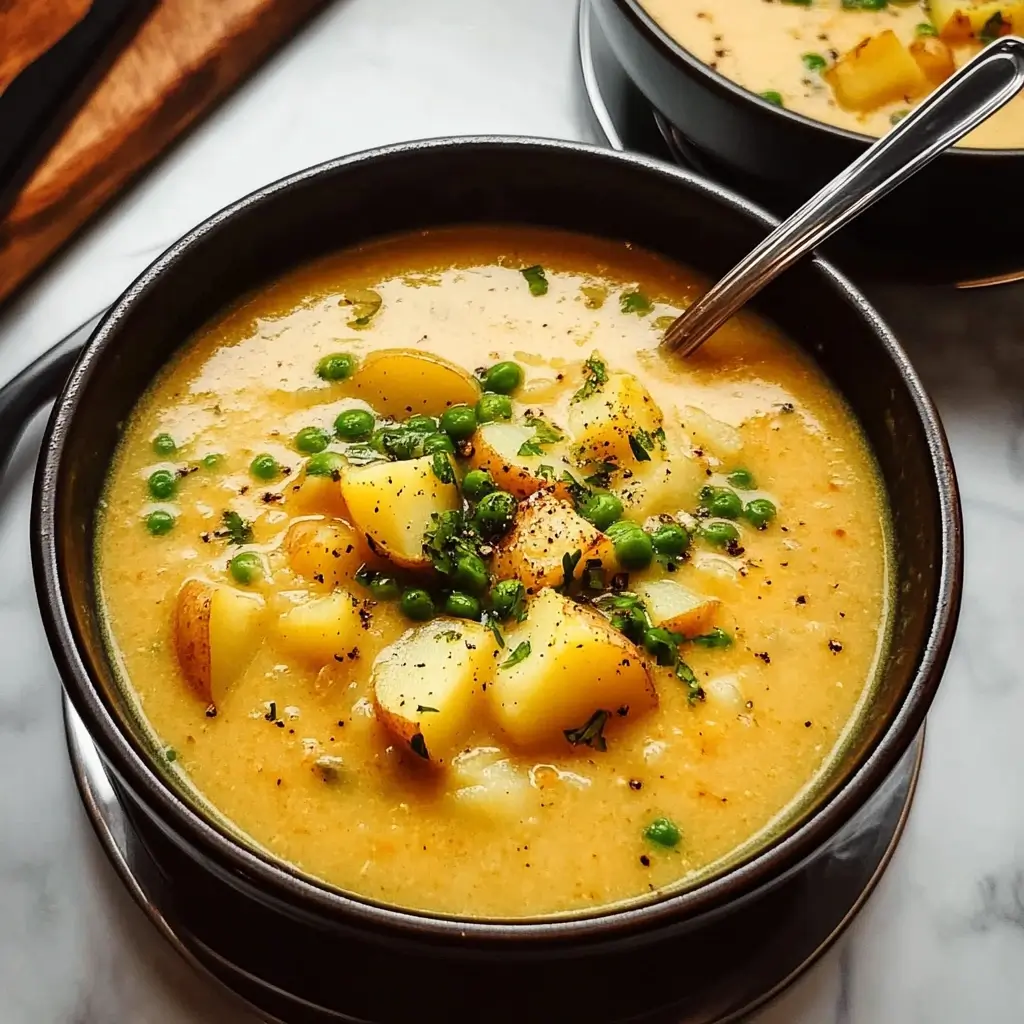

Okay, settle in, because this isn’t just any vegetarian potato soup recipe – this is the one. I remember the first time I made this version. It was one of those blustery autumn afternoons, the kind where the wind howls just a bit too mournfully, and all you crave is a culinary hug. I’d tried countless potato soup recipes before, some too bland, others too watery, a few that felt like they were missing a secret something. But this one? This one hit differently. The aroma alone, as the onions and garlic softened in the pot, began to fill the kitchen with a promise of comfort. When my family finally sat down to eat, spoons clinking against bowls, there was a moment of satisfied silence, quickly followed by “Wow, this is the best potato soup ever!” Even my pickiest eater asked for seconds. It’s creamy without being overly heavy, deeply flavorful thanks to a few simple tricks, and just so incredibly satisfying. It has since become a non-negotiable staple in our home, especially when the weather turns cool, or when someone just needs a little bit of edible sunshine. It’s proof that simple ingredients, treated with care, can create something truly magical.
The Ultimate Creamy Vegetarian Potato Soup: A Bowl of Comfort
This recipe elevates the humble potato to new heights, creating a soup that is both luxuriously creamy and deeply flavorful, all without any meat. It’s a celebration of simple, wholesome ingredients coming together to create something truly special. Perfect for a chilly evening, a light lunch, or whenever you need a comforting embrace in a bowl.
Ingredients: Your Shopping List for Potato Perfection
To craft this bowl of creamy delight, you’ll need the following. Precision is key for consistency, but feel free to adjust seasonings to your personal taste.
- Potatoes: 2.5 lbs (approx. 1.1 kg) Yukon Gold or Russet potatoes, peeled and diced into ½-inch cubes (Yukon Golds lend extra creaminess, Russets break down nicely)
- Unsalted Butter: 4 tablespoons (or olive oil for a dairy-free/vegan start)
- Yellow Onion: 1 large, finely chopped
- Garlic: 4-5 cloves, minced
- Leek: 1 large (white and light green parts only), well-rinsed and thinly sliced (optional, but adds a lovely subtle sweetness and depth)
- Celery Stalks: 2 medium, finely chopped (optional, for another layer of aromatic flavor)
- All-Purpose Flour: ¼ cup (or gluten-free all-purpose blend for GF version) – this helps thicken the soup.
- Vegetable Broth: 6 cups, low sodium, high quality
- Whole Milk: 1 ½ cups (or heavy cream for extra richness, or unsweetened plant-based milk like oat or cashew for vegan/dairy-free – adjust quantity as needed for consistency)
- Dried Thyme: 1 teaspoon
- Dried Rosemary: ½ teaspoon, crushed
- Bay Leaf: 1
- Salt: 1 ½ teaspoons, or to taste (adjust based on broth saltiness)
- Freshly Ground Black Pepper: ¾ teaspoon, or to taste
- Nutritional Yeast: 2 tablespoons (optional, for a cheesy, umami flavor, especially if making vegan)
- Fresh Parsley or Chives: Chopped, for garnish
- Optional Toppings: Shredded cheddar cheese (or vegan cheese), crispy fried onions, croutons, a swirl of sour cream or vegan sour cream.
Instructions: Crafting Your Creamy Potato Soup Masterpiece
Follow these steps carefully for a soup that will warm your heart and soul.
- Prepare Your Aromatics:
- In a large Dutch oven or heavy-bottomed pot, melt the butter (or heat olive oil) over medium heat.
- Add the chopped onion, sliced leek (if using), and chopped celery (if using). Sauté for 5-7 minutes, stirring occasionally, until softened and translucent, but not browned. You’re building your first layer of flavor here.
- Add the minced garlic, dried thyme, and dried rosemary. Cook for another 1-2 minutes until fragrant, stirring constantly to prevent the garlic from burning.
- Create the Roux (Thickening Base):
- Sprinkle the all-purpose flour over the sautéed vegetables. Stir continuously for 1-2 minutes to cook out the raw flour taste. This mixture (the roux) will help thicken your soup beautifully.
- Build the Soup Base:
- Gradually whisk in about 1 cup of the vegetable broth, ensuring you scrape up any browned bits from the bottom of the pot (this is called deglazing and adds immense flavor).
- Once smooth, slowly whisk in the remaining 5 cups of vegetable broth.
- Add the diced potatoes and the bay leaf. Stir everything together.
- Simmer to Perfection:
- Bring the soup to a gentle boil, then reduce the heat to low, cover the pot, and let it simmer for 15-20 minutes, or until the potatoes are fork-tender. Stir occasionally to prevent sticking. The aroma filling your kitchen now should be incredibly inviting!
- Achieve Creaminess (Blending):
- Remove the bay leaf from the soup.
- Now, it’s time to blend. You have a few options:
- Immersion Blender: The easiest method. Carefully insert an immersion blender into the pot and blend until the soup reaches your desired consistency. You can make it completely smooth or leave some chunks for texture.
- Countertop Blender: If using a standard blender, work in batches. Caution: Hot liquids expand in a blender. Fill the blender no more than halfway, remove the center cap from the lid, and cover the opening with a folded kitchen towel to allow steam to escape. Blend until smooth, then pour into a separate clean bowl. Repeat with remaining soup.
- Return the blended soup (if using a countertop blender) to the pot.
- Final Touches for Flavor and Richness:
- Stir in the whole milk (or heavy cream/plant-based milk) and nutritional yeast (if using).
- Warm the soup gently over low heat – do not let it boil after adding the milk/cream, as it can curdle (especially dairy).
- Taste the soup and season generously with salt and freshly ground black pepper. This is crucial – potatoes absorb a lot of salt, so don’t be shy, but add incrementally.
- Serve and Garnish:
- Ladle the hot, creamy potato soup into bowls.
- Garnish with fresh chopped parsley or chives, and any of your other favorite optional toppings like shredded cheese, crispy onions, or a dollop of sour cream.
Nutrition Facts (Estimated)
- Servings: This recipe yields approximately 6-8 generous servings.
- Calories per serving (approximate): 280-350 calories.
- Please note: This is an estimate and can vary significantly based on the exact ingredients used (e.g., type of milk/cream, amount of butter/oil, specific brand of vegetable broth, and optional toppings). For a more precise count, consider using an online nutrition calculator with your specific ingredients.
Preparation Time: From Pot to Perfection
- Prep Time: 20-25 minutes (includes peeling and chopping vegetables)
- Cook Time: 35-45 minutes
- Total Time: Approximately 55 minutes to 1 hour 10 minutes
How to Serve: Elevating Your Potato Soup Experience
Serving this vegetarian potato soup is an art in itself. Here’s how to make each bowl an unforgettable experience:
- The Classic Comfort:
- Serve piping hot in deep, rustic bowls.
- Garnish generously with freshly chopped chives or parsley for a pop of color and freshness.
- A sprinkle of shredded sharp cheddar cheese (or a good vegan cheddar alternative) that melts into the hot soup is divine.
- Add a dollop of sour cream or plain Greek yogurt (or vegan sour cream) for a tangy counterpoint.
- Crunch and Texture:
- Top with homemade or store-bought croutons for a delightful crunch. Garlic and herb croutons work particularly well.
- Sprinkle with crispy fried onions or shallots for an intense savory note.
- A few crumbles of vegetarian bacon bits (many store-bought options are vegan) can add a smoky, salty element.
- Bread Pairings:
- Absolutely essential! Serve with a side of:
- Warm, crusty bread (sourdough, French baguette, or a rustic artisan loaf) for dipping.
- Soft dinner rolls or biscuits.
- Grilled cheese sandwiches cut into strips for an ultimate comfort food pairing.
- Absolutely essential! Serve with a side of:
- A Lighter Accompaniment:
- Pair with a simple green salad dressed with a light vinaigrette for a balanced meal.
- Steamed green beans or roasted broccoli on the side add nutritional value and color.
- Spice It Up:
- For those who like a bit of heat, offer a side of hot sauce or a pinch of red pepper flakes as a garnish.
- A swirl of chili oil can also add a beautiful visual and a kick.
Additional Tips for Potato Soup Supremacy (5 Tips)
- Potato Power: The type of potato you choose significantly impacts the soup’s texture.
- Yukon Gold potatoes are my top recommendation. Their waxy, buttery texture creates an incredibly creamy soup naturally, even with less blending.
- Russet potatoes (baking potatoes) are starchier and break down more easily, leading to a fluffy, thick soup. They are excellent if you prefer a very smooth, almost mashed-potato-like consistency when fully blended.
- Avoid overly waxy potatoes like red potatoes if you want a classic creamy texture, as they can sometimes result in a gluey consistency if over-blended.
- Blending Wisely:
- For a soup with some texture, remove 1-2 cups of the cooked potatoes and some broth before blending the rest. Blend the main pot until smooth, then stir the reserved chunks back in. This gives you the best of both worlds: creaminess and satisfying bites.
- Be careful not to over-blend, especially with starchy Russets, as this can release too much starch and make the soup gummy. Pulse until just smooth.
- Flavor Boosters Beyond the Basics:
- A splash of white wine (like a dry Sauvignon Blanc) added after sautéing the aromatics and before the flour (let it cook off for a minute) can add a wonderful layer of acidity and complexity.
- Consider a pinch of smoked paprika along with the other dried herbs for a subtle smoky depth.
- A squeeze of fresh lemon juice stirred in right before serving can brighten all the flavors, especially if the soup tastes a little flat.
- Achieving Your Perfect Consistency:
- Too thick? Thin the soup with a little extra vegetable broth or milk until it reaches your desired consistency. Add it gradually, stirring well after each addition.
- Too thin? If you’ve already blended and it’s not thick enough, you can make a small slurry by whisking 1 tablespoon of cornstarch with 2 tablespoons of cold water. Slowly whisk this into the simmering soup and cook for a few minutes until thickened. Alternatively, simmering the soup uncovered for a bit longer can help reduce it slightly.
- Storage and Reheating Gracefully:
- Refrigerate: Let the soup cool completely, then store it in an airtight container in the refrigerator for up to 4-5 days.
- Freezing: Potato soups can sometimes change texture upon thawing (becoming a bit grainy) due to the potatoes. If you plan to freeze, it’s best to slightly undercook the potatoes and consider freezing before adding all the dairy/milk. Thaw overnight in the refrigerator.
- Reheating: Reheat gently on the stovetop over medium-low heat, stirring frequently to prevent scorching and ensure even heating. You may need to add a splash of broth or milk to restore its original creamy consistency. Avoid boiling vigorously.
FAQ: Your Vegetarian Potato Soup Questions Answered
Q1: Can I make this vegetarian potato soup vegan?
A1: Absolutely! It’s very easy to adapt.
* Use olive oil or a vegan butter alternative instead of dairy butter for sautéing.
* Ensure your vegetable broth is certified vegan.
* Replace the whole milk with an unsweetened, creamy plant-based milk like oat milk, cashew milk, or soy milk. Full-fat coconut milk can also be used for an ultra-rich version, though it will impart a subtle coconut flavor.
* Definitely include the nutritional yeast for that savory, cheesy undertone often missed in vegan creamy soups.
* For toppings, use vegan shredded cheese, vegan sour cream, and plant-based bacon bits.
Q2: Is this recipe gluten-free? How can I ensure it is?
A2: Yes, it can easily be made gluten-free. The only ingredient of concern is the all-purpose flour used for thickening.
* Simply substitute the all-purpose flour with a good quality gluten-free all-purpose flour blend (one that contains xanthan gum usually works best as a 1:1 replacement).
* Alternatively, you can skip the flour and rely solely on the starch from the potatoes for thickening, especially if you blend most or all of the soup. If it’s not thick enough, you can use a cornstarch slurry (1 tbsp cornstarch mixed with 2 tbsp cold water, whisked into the simmering soup).
* Always double-check that your vegetable broth and any toppings (like croutons or crispy onions) are certified gluten-free.
Q3: What are the best potatoes for making creamy potato soup?
A3: As mentioned in the tips, Yukon Gold potatoes are generally considered the best for their naturally creamy texture and buttery flavor. They hold their shape well enough if you want some chunks but also blend beautifully. Russet potatoes are a close second, especially if you prefer a very smooth, fluffy soup, as their high starch content contributes to excellent thickness. Avoid very waxy varieties like red potatoes or fingerlings if a classic creamy texture is your goal, as they can become gluey when over-processed.
Q4: My potato soup is too thick/too thin. How can I fix it?
A4:
* Too Thick: Easily remedied! Stir in additional warm vegetable broth or milk (dairy or plant-based) a little at a time until you reach your desired consistency.
* Too Thin: Several options:
1. Simmer longer: Remove the lid and let the soup simmer gently for an additional 10-15 minutes, allowing some excess liquid to evaporate.
2. Cornstarch Slurry: Mix 1 tablespoon of cornstarch with 2 tablespoons of cold water to create a smooth slurry. Whisk this into the simmering soup and cook for a few minutes until it thickens.
3. More Potatoes (if caught early): If you have an extra cooked potato (e.g., baked), mash it and stir it in.
4. Roux (if not too late): In a separate small pan, melt a tablespoon of butter, whisk in a tablespoon of flour, cook for a minute, then gradually whisk in a ladleful of the hot soup until smooth. Stir this mixture back into the main pot.
Q5: Can I freeze leftover vegetarian potato soup? Any tips?
A5: Yes, you can freeze it, but with a few caveats as potato-based soups can sometimes become a bit grainy or separated upon thawing due to the starch in potatoes and the dairy (if used).
* Cool Completely: Allow the soup to cool completely before transferring to freezer-safe containers or heavy-duty freezer bags. Leave about an inch of headspace for expansion.
* Freeze Before Full Dairy (Optimal): If possible, freeze the soup before adding the full amount of milk or cream. You can then add fresh milk/cream when reheating for the best texture.
* Thawing: Thaw overnight in the refrigerator. Avoid thawing at room temperature.
* Reheating: Reheat gently on the stovetop over low to medium-low heat, stirring frequently. You may need to whisk it well to re-emulsify and potentially add a splash of fresh milk, cream, or broth to restore its creamy consistency. An immersion blender can also help smooth out any textural changes after thawing.
* Consume Within: For best quality, consume frozen soup within 2-3 months.

Vegetarian Potato Soup Recipe
Ingredients
- Potatoes: 2.5 lbs (approx. 1.1 kg) Yukon Gold or Russet potatoes, peeled and diced into ½-inch cubes (Yukon Golds lend extra creaminess, Russets break down nicely)
- Unsalted Butter: 4 tablespoons (or olive oil for a dairy-free/vegan start)
- Yellow Onion: 1 large, finely chopped
- Garlic: 4-5 cloves, minced
- Leek: 1 large (white and light green parts only), well-rinsed and thinly sliced (optional, but adds a lovely subtle sweetness and depth)
- Celery Stalks: 2 medium, finely chopped (optional, for another layer of aromatic flavor)
- All-Purpose Flour: ¼ cup (or gluten-free all-purpose blend for GF version) – this helps thicken the soup.
- Vegetable Broth: 6 cups, low sodium, high quality
- Whole Milk: 1 ½ cups (or heavy cream for extra richness, or unsweetened plant-based milk like oat or cashew for vegan/dairy-free – adjust quantity as needed for consistency)
- Dried Thyme: 1 teaspoon
- Dried Rosemary: ½ teaspoon, crushed
- Bay Leaf: 1
- Salt: 1 ½ teaspoons, or to taste (adjust based on broth saltiness)
- Freshly Ground Black Pepper: ¾ teaspoon, or to taste
- Nutritional Yeast: 2 tablespoons (optional, for a cheesy, umami flavor, especially if making vegan)
- Fresh Parsley or Chives: Chopped, for garnish
- Optional Toppings: Shredded cheddar cheese (or vegan cheese), crispy fried onions, croutons, a swirl of sour cream or vegan sour cream.
Instructions
- Prepare Your Aromatics:
- In a large Dutch oven or heavy-bottomed pot, melt the butter (or heat olive oil) over medium heat.
- Add the chopped onion, sliced leek (if using), and chopped celery (if using). Sauté for 5-7 minutes, stirring occasionally, until softened and translucent, but not browned. You’re building your first layer of flavor here.
- Add the minced garlic, dried thyme, and dried rosemary. Cook for another 1-2 minutes until fragrant, stirring constantly to prevent the garlic from burning.
- Create the Roux (Thickening Base):
- Sprinkle the all-purpose flour over the sautéed vegetables. Stir continuously for 1-2 minutes to cook out the raw flour taste. This mixture (the roux) will help thicken your soup beautifully.
- Build the Soup Base:
- Gradually whisk in about 1 cup of the vegetable broth, ensuring you scrape up any browned bits from the bottom of the pot (this is called deglazing and adds immense flavor).
- Once smooth, slowly whisk in the remaining 5 cups of vegetable broth.
- Add the diced potatoes and the bay leaf. Stir everything together.
- Simmer to Perfection:
- Bring the soup to a gentle boil, then reduce the heat to low, cover the pot, and let it simmer for 15-20 minutes, or until the potatoes are fork-tender. Stir occasionally to prevent sticking. The aroma filling your kitchen now should be incredibly inviting!
- Achieve Creaminess (Blending):
- Remove the bay leaf from the soup.
- Now, it’s time to blend. You have a few options:
- Immersion Blender: The easiest method. Carefully insert an immersion blender into the pot and blend until the soup reaches your desired consistency. You can make it completely smooth or leave some chunks for texture.
- Countertop Blender: If using a standard blender, work in batches. Caution: Hot liquids expand in a blender. Fill the blender no more than halfway, remove the center cap from the lid, and cover the opening with a folded kitchen towel to allow steam to escape. Blend until smooth, then pour into a separate clean bowl. Repeat with remaining soup.
- Return the blended soup (if using a countertop blender) to the pot.
- Final Touches for Flavor and Richness:
- Stir in the whole milk (or heavy cream/plant-based milk) and nutritional yeast (if using).
- Warm the soup gently over low heat – do not let it boil after adding the milk/cream, as it can curdle (especially dairy).
- Taste the soup and season generously with salt and freshly ground black pepper. This is crucial – potatoes absorb a lot of salt, so don’t be shy, but add incrementally.
- Serve and Garnish:
- Ladle the hot, creamy potato soup into bowls.
- Garnish with fresh chopped parsley or chives, and any of your other favorite optional toppings like shredded cheese, crispy onions, or a dollop of sour cream.
Nutrition
- Serving Size: One Normal Portion
- Calories: 280-350