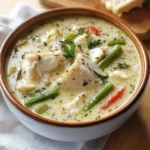
Ingredients
- Crab Meat: 1 pound, cooked and flaked. This is the star of the show! You have several options here, each with its own nuances:
- Fresh Crab Meat: If you’re fortunate enough to have access to fresh crab, especially Dungeness or King crab, this is the gold standard. Look for lump crab meat for the best texture and flavor. Freshly picked crab offers an unparalleled sweetness and delicate texture that makes a significant difference. Ensure it is thoroughly cooked and picked clean of any shell fragments. When using fresh crab, try to use it as soon as possible for optimal taste and freshness.
- Canned Crab Meat: A more accessible and budget-friendly option. Canned crab meat still provides good flavor but may be slightly less sweet and have a softer texture than fresh. Choose “lump” or “jumbo lump” canned crab meat in water, not oil, for the best quality. Drain it well before using. Look for brands known for quality seafood to minimize any “fishy” taste.
- Imitation Crab Meat (Surimi): While not technically crab meat, imitation crab (surimi) can be used in a pinch, especially if budget is a major concern. However, it will significantly alter the flavor profile and lacks the authentic crab taste. If using imitation crab, choose a good quality brand and consider adding a touch of Old Bay seasoning or seafood stock to boost the flavor. Cut it into bite-sized pieces. Be aware that it tends to be sweeter and less nuanced in flavor compared to real crab.
- Asparagus: 1 pound, trimmed and cut into 1-inch pieces. Asparagus brings a fresh, vibrant green color and a slightly sweet, grassy flavor that perfectly complements the crab.
- Fresh Asparagus: Highly recommended! Choose firm, bright green stalks with tightly closed tips. Thin to medium-thickness stalks are ideal for soup as they cook quickly and tenderly. Thicker stalks may require peeling the lower part to remove any tough outer layer. Snap off the woody ends of the asparagus where they naturally break.
- Frozen Asparagus: In a pinch or out of season, frozen asparagus can be used. Thaw it completely and drain excess water before using. Keep in mind that frozen asparagus may be softer in texture and less vibrant in color compared to fresh. Add it towards the end of cooking to prevent it from becoming mushy.
- Butter: 4 tablespoons, unsalted. Butter adds richness and flavor to the soup base and is essential for sautéing the aromatics. Unsalted butter allows you to control the saltiness of the final dish.
- Onion: 1 medium, finely chopped. Onion provides a foundational aromatic layer to the soup. Yellow or white onions work well. Ensure it’s finely chopped so it cooks evenly and blends smoothly into the soup.
- Celery: 2 stalks, finely chopped. Celery adds another layer of subtle aromatic complexity and a touch of freshness. Finely chop it to ensure it cooks down nicely.
- Garlic: 2 cloves, minced. Garlic enhances the savory notes of the soup and complements both crab and asparagus beautifully. Use fresh garlic for the best flavor. Mince it finely to release its aromatics.
- All-Purpose Flour: ¼ cup. Flour acts as a thickening agent for the soup, creating a creamy and smooth texture. Ensure it’s all-purpose flour for the right consistency.
- Chicken Broth: 6 cups, low sodium. Chicken broth forms the liquid base of the soup and adds savory depth. Low sodium broth allows you to control the salt level. You can also use vegetable broth for a lighter flavor or seafood stock for a more intense seafood taste.
- Heavy Cream: 1 cup. Heavy cream is what gives this soup its luxurious creaminess and rich texture. For a slightly lighter version, you can use half-and-half, but the soup will be less rich. For a dairy-free alternative, consider full-fat coconut cream, but be aware it will impart a subtle coconut flavor.
- Dry White Wine: ½ cup (optional). A splash of dry white wine, such as Pinot Grigio or Sauvignon Blanc, adds brightness and complexity to the soup. If you prefer to omit alcohol, simply replace it with an equal amount of chicken broth.
- Fresh Lemon Juice: 1 tablespoon. Lemon juice brightens the flavors and adds a touch of acidity that balances the richness of the cream and crab. Freshly squeezed lemon juice is always preferable to bottled.
- Fresh Parsley: ¼ cup, chopped, for garnish. Fresh parsley adds a pop of fresh flavor and vibrant green color as a garnish. Other herbs like chives or dill can also be used.
- Salt and Black Pepper: To taste. Seasoning is crucial! Start with a moderate amount of salt and pepper and adjust to your preference throughout the cooking process. Taste and season at each stage to ensure the flavors are balanced.
- Optional Garnishes: Consider adding a swirl of cream, a sprinkle of red pepper flakes for a touch of heat, or a drizzle of olive oil for extra richness and visual appeal. Crab legs or extra crab meat can also be used as a luxurious garnish.
Instructions
- Sauté Aromatics: In a large pot or Dutch oven, melt the butter over medium heat. Add the chopped onion and celery and sauté for 5-7 minutes, or until softened and translucent. Stir occasionally to prevent browning. Sautéing the aromatics first builds a flavorful base for the soup. Don’t rush this step – allowing the onions and celery to soften properly is key.
- Add Garlic and Flour: Stir in the minced garlic and cook for another minute until fragrant. Be careful not to burn the garlic, as it can become bitter. The aroma should be enticing. Then, sprinkle in the flour and cook for 1-2 minutes, stirring constantly. This creates a roux, which will thicken the soup. Cooking the flour removes the raw flour taste and ensures a smooth soup.
- Deglaze with Wine (Optional): If using white wine, pour it into the pot and scrape up any browned bits from the bottom. This process, called deglazing, adds depth of flavor and prevents sticking. Let the wine simmer for a minute or two to reduce slightly. If omitting wine, simply skip this step and move directly to adding the broth.
- Add Broth and Asparagus: Gradually whisk in the chicken broth, ensuring there are no lumps of flour. Add the chopped asparagus. Bring the soup to a simmer, then reduce the heat to low, cover, and cook for 10-15 minutes, or until the asparagus is tender-crisp. Cooking the asparagus until tender-crisp ensures it retains its texture and vibrant color. Avoid overcooking, which can make it mushy and dull in color.
- Blend a Portion (Optional for Creamier Texture): For an extra creamy and smooth texture, you can use an immersion blender to partially blend the soup. Alternatively, carefully transfer about 2 cups of the soup to a regular blender (in batches, if necessary) and blend until smooth. Return the blended soup to the pot. Blending a portion of the soup thickens it naturally and creates a luxurious mouthfeel. Be cautious when blending hot liquids.
- Stir in Cream and Crab: Reduce the heat to very low. Gently stir in the heavy cream and cooked crab meat. Heat through gently for a few minutes, being careful not to boil the soup after adding the cream, as it can curdle. Heating gently ensures the cream incorporates smoothly and the crab is warmed through without becoming rubbery.
- Season and Finish: Stir in the lemon juice, salt, and black pepper to taste. Adjust seasoning as needed. Taste the soup and adjust salt, pepper, and lemon juice to your liking. The lemon juice brightens the flavors and balances the richness.
- Serve and Garnish: Ladle the hot Crab and Asparagus Soup into bowls. Garnish with fresh chopped parsley and any other desired garnishes. Serve immediately and enjoy! Garnish just before serving to maintain the freshness and visual appeal of the herbs.
Nutrition
- Serving Size: one normal portion
- Calories: 350-450
- Sugar: 3-5g
- Sodium: 500-700mg
- Fat: 25-35g
- Saturated Fat: 15-20g
- Carbohydrates: 10-15g
- Fiber: 2-3g
- Protein: 20-25g
- Cholesterol: 150-200mg