
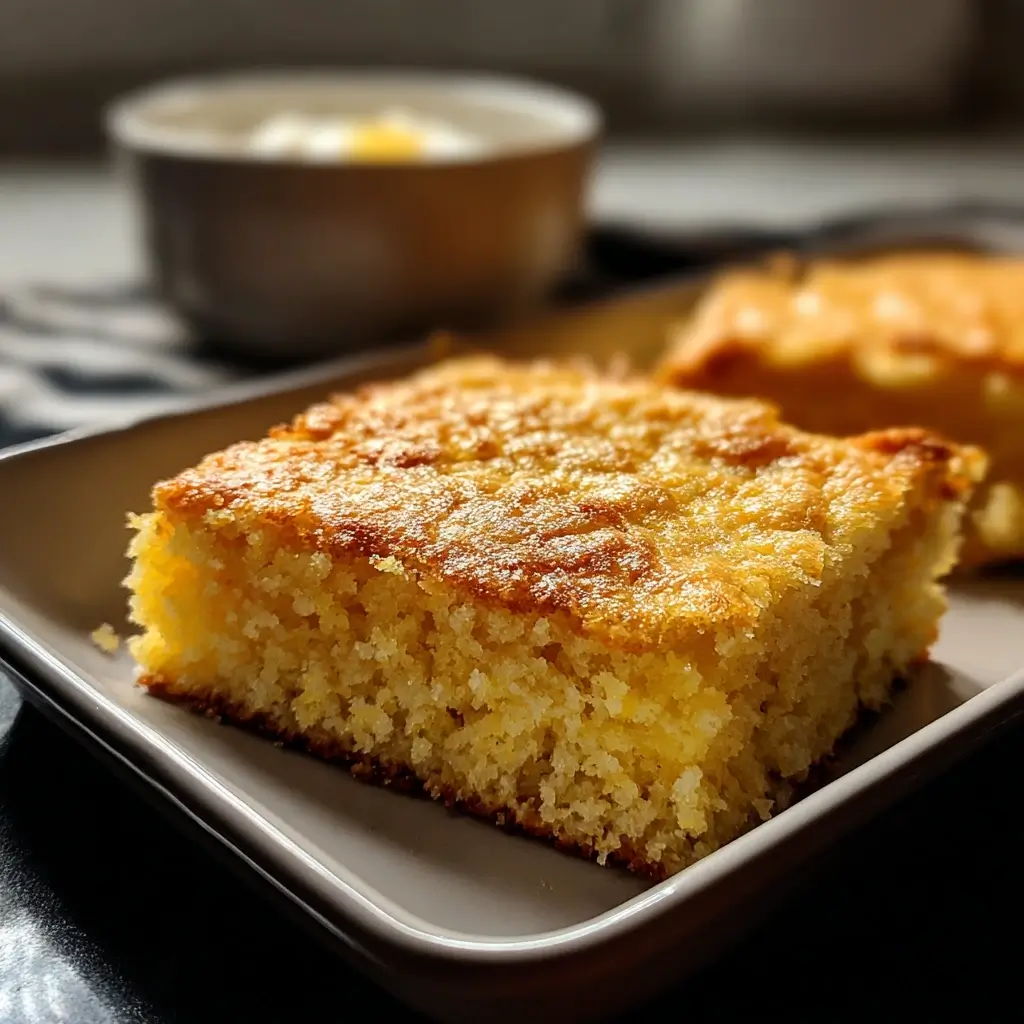
Of all the aromas that can fill a home, few are as comforting and deeply nostalgic as the scent of freshly baked cornbread. For me, that smell is intertwined with memories of bustling family dinners, the clatter of spoons against chili bowls, and the simple joy of breaking off a warm, steamy piece of golden goodness. The first time I made this specific recipe, I was skeptical of its simplicity. Could something with so few steps truly deliver that perfect balance—a crisp, buttery crust giving way to a moist, tender crumb? The answer was a resounding yes. My family, usually a tough crowd, fell silent as they took their first bites, the only sound being the appreciative hums. It became an instant classic in our home, the go-to sidekick for everything from hearty winter stews to summer barbecues. It’s more than just a recipe; it’s a vessel for butter, a partner to soup, and a cornerstone of comfort food that proves the most profound flavors often come from the most basic ingredients.
The Ultimate Basic Cornbread Recipe You’ll Ever Need
This recipe strikes the perfect balance between the savory, crumbly cornbread of the South and the sweeter, more cake-like version of the North. It’s designed to be a reliable, all-purpose cornbread that is moist, flavorful, and incredibly easy to make. It’s the perfect starting point for any home baker, whether you’re a seasoned pro or just starting your culinary journey.
A Nod to Tradition: Why This Recipe Works
The magic of this recipe lies in its carefully balanced ratios. The combination of cornmeal and all-purpose flour provides the signature corn flavor and texture while ensuring the bread has enough structure to hold together beautifully. A touch of sugar enhances the natural sweetness of the corn without overpowering the savory profile, making it a versatile companion to any meal. The use of melted butter and milk guarantees a moist crumb that resists the dreaded dryness that can plague lesser cornbread recipes. This is the foundational recipe you’ll memorize and turn to time and time again.
Ingredients for Perfect Homemade Cornbread
Gathering your ingredients is the first step toward cornbread perfection. For this recipe, we rely on pantry staples that come together to create something truly special. Using room-temperature eggs and milk can help the batter combine more evenly, leading to a more tender final product.
- Yellow Cornmeal: 1 ¼ cups (medium or fine grind)
- All-Purpose Flour: ¾ cup
- Granulated Sugar: ¼ cup (can be adjusted to taste)
- Baking Powder: 2 teaspoons
- Salt: ½ teaspoon
- Large Egg: 1, lightly beaten
- Milk: 1 cup (whole milk or buttermilk recommended)
- Unsalted Butter: ¼ cup (4 tablespoons), melted, plus extra for greasing the pan
A Closer Look at Your Cornbread Ingredients
Understanding the role of each ingredient is key to becoming a more intuitive baker. It helps you understand not just what to do, but why you’re doing it.
- Cornmeal: This is the heart and soul of your cornbread. Yellow cornmeal provides that classic golden color and robust, sweet corn flavor. A medium grind will give you a more traditional, slightly rustic texture, while a fine grind will result in a more delicate, cake-like crumb. White cornmeal can also be used for a more classic Southern-style bread, which is typically less sweet and has a more pronounced corn taste.
- All-Purpose Flour: While cornmeal is the star, flour is the essential supporting actor. It contains gluten, which provides the structural framework for the bread. Without flour, the cornbread would be extremely crumbly and fall apart. The ratio here is designed to let the cornmeal flavor shine while ensuring the bread slices cleanly.
- Sugar: This is a point of much debate in the cornbread world! This recipe uses a moderate amount of sugar to enhance the corn’s natural sweetness and help create a tender crumb. If you prefer a purely savory, Southern-style cornbread, you can reduce the sugar to one or two tablespoons or omit it entirely. Conversely, if you like a very sweet, dessert-style cornbread, you can increase it to ⅓ cup.
- Baking Powder: This is our primary leavening agent. When it gets wet and then heated, baking powder releases carbon dioxide gas, creating the tiny air bubbles that make the cornbread rise and give it a light, tender texture instead of being a dense, hard brick. Always check the expiration date on your baking powder; old baking powder loses its potency and will result in flat cornbread.
- Salt: Salt is a flavor powerhouse. It doesn’t just make the cornbread salty; it enhances all the other flavors, from the sweetness of the corn and sugar to the richness of the butter. A little salt makes everything taste more like itself.
- Egg: The egg plays multiple roles. It adds richness and flavor from the yolk, helps bind all the ingredients together, provides structure as its proteins cook, and contributes to the leavening, helping the bread rise.
- Milk or Buttermilk: This is your primary source of moisture. Whole milk provides richness and a neutral flavor. However, for a truly spectacular cornbread, buttermilk is highly recommended. The acidity in buttermilk reacts with the baking powder for an extra lift and tenderizes the crumb, resulting in an exceptionally soft texture. It also adds a subtle, pleasant tang that beautifully complements the sweetness of the corn.
- Melted Butter: Fat equals flavor and tenderness. Melted butter disperses easily throughout the batter, coating the flour and cornmeal to create a rich, moist crumb. It also contributes to that irresistible buttery flavor that makes homemade cornbread so much better than store-bought mixes.
Step-by-Step Instructions for Flawless Cornbread
Follow these instructions carefully for a perfect bake every time. The most crucial step is preheating your pan, which creates the signature crispy crust.
- Preheat and Prepare: Place an 8-inch or 9-inch cast-iron skillet, or an 8×8-inch square baking pan, in the oven. Preheat the oven to 400°F (200°C) with the pan inside. Allowing the pan to get screaming hot is the secret to a crunchy, golden-brown crust.
- Combine Dry Ingredients: In a large mixing bowl, whisk together the cornmeal, all-purpose flour, granulated sugar, baking powder, and salt. Whisking is important as it evenly distributes the leavening and salt, ensuring a consistent rise and flavor throughout the bread.
- Combine Wet Ingredients: In a separate medium-sized bowl, whisk the lightly beaten egg and the milk together until just combined. Slowly drizzle in the melted butter while whisking continuously. This process, called emulsifying, helps the fat integrate smoothly into the liquid base.
- Create the Batter: Pour the wet ingredients into the bowl with the dry ingredients. Using a spatula or wooden spoon, mix until the ingredients are just combined. The batter should be lumpy! Do not overmix. Overmixing develops the gluten in the flour, which will make your cornbread tough and dense instead of tender and light. A few streaks of flour are perfectly fine.
- Sizzle and Bake: Carefully remove the hot pan from the oven using oven mitts. Add a small pat of butter or a swirl of oil to the hot pan—it should sizzle immediately. Swirl it around to coat the bottom and sides. This not only prevents sticking but also “fries” the outside of the batter, creating an unparalleled crust.
- Pour and Bake: Immediately pour the cornbread batter into the hot, greased pan, spreading it evenly. The batter should sizzle as it hits the hot surface. Place the pan back into the preheated oven.
- Bake to Perfection: Bake for 20-25 minutes, or until the top is a deep golden brown and a wooden skewer or toothpick inserted into the center comes out clean with no wet batter attached. The edges should be pulling away slightly from the sides of the pan.
- Cool and Serve: Remove the cornbread from the oven and let it cool in the pan on a wire rack for at least 10-15 minutes. This allows the crumb to set, making it easier to slice. Serve warm.
The Final Numbers: Nutrition Facts
Please note that these values are an estimate and can vary based on the specific ingredients used (e.g., whole milk vs. buttermilk, size of the egg).
- Servings: 9 slices
- Calories per serving: Approximately 260 kcal
Timing is Everything: Preparation and Cook Time
This recipe is wonderfully quick, making it a perfect addition to a weeknight meal.
- Preparation Time: 10 minutes
- Cook Time: 20-25 minutes
- Total Time: 30-35 minutes
The Art of Serving: How to Enjoy Your Cornbread
Cornbread is wonderfully versatile. While it’s fantastic on its own, its true potential is unlocked when paired with other dishes or adorned with delicious toppings.
- Classic Comfort Food Pairings:
- Chili and Stew: The quintessential pairing. Serve a thick wedge alongside a hearty bowl of beef chili, turkey chili, or a rich beef stew. It’s perfect for sopping up every last drop of flavorful sauce.
- Soup’s Best Friend: Crumble it into a bowl of pinto bean soup, black-eyed pea soup, or a creamy vegetable soup for added texture and flavor.
- Barbecue Staple: No barbecue platter is complete without it. Serve with pulled pork, smoked brisket, or barbecue ribs. The slight sweetness of the cornbread cuts through the rich, smoky flavors of the meat.
- Southern Fried Chicken: A piece of warm cornbread alongside crispy fried chicken and collard greens is a classic Southern meal that satisfies the soul.
- As a Simple Side or Snack:
- With Butter and Honey: The most classic way to enjoy it. Slather a warm slice with high-quality salted butter and a generous drizzle of honey or maple syrup.
- With Jam or Preserves: Strawberry jam, apple butter, or orange marmalade all make for a delightful treat, turning the cornbread into a breakfast-worthy item.
- For Breakfast the Next Day:
- Cornbread and Milk: A nostalgic and simple breakfast for many. Crumble leftover cornbread into a glass and pour cold milk or buttermilk over it.
- Fried Cornbread: Slice leftover cornbread and pan-fry it in a little butter until golden brown and crispy on both sides. Serve alongside bacon and eggs for a hearty start to your day.
Elevate Your Bake: 5 Essential Additional Tips
Take your basic cornbread from great to absolutely unforgettable with these professional tips.
- The Cast Iron Skillet is King: While any 8×8-inch pan will work, a cast-iron skillet is the superior vessel for cornbread. Cast iron retains heat exceptionally well and distributes it evenly, creating a thick, dark, and incredibly crispy crust that is impossible to achieve in a glass or standard metal pan. The preheating step is non-negotiable when using cast iron.
- Embrace the Buttermilk Difference: If you want the most tender, moist cornbread with a subtle, delightful tang, use buttermilk. The acid in buttermilk reacts with the baking powder to create more lift and also breaks down some of the gluten, resulting in a softer crumb. If you don’t have buttermilk, you can make a quick substitute: add one tablespoon of lemon juice or white vinegar to a measuring cup, then fill it with regular milk to the one-cup line. Let it sit for 5-10 minutes until it curdles slightly.
- The “Don’t Overmix” Golden Rule: This is the most common mistake in quick breads. When you mix flour with liquid, you begin to develop gluten. A little gluten is good for structure, but too much makes the final product tough, rubbery, and full of tunnels. Mix the batter only until the dry ingredients are moistened. A few lumps are a sign of a well-handled batter and will bake out, leaving you with a tender crumb.
- Don’t Be Afraid to Customize: This basic recipe is a perfect canvas for your creativity. Add mix-ins to the batter right before pouring it into the pan. Some fantastic additions include:
- 1 cup of shredded sharp cheddar cheese for a savory, cheesy bread.
- 1-2 diced jalapeños (seeds removed for less heat) for a spicy kick.
- ½ cup of cooked, crumbled bacon for a smoky, salty flavor.
- ¾ cup of fresh or frozen (thawed) corn kernels to double down on the corn flavor and add texture.
- A tablespoon of fresh chopped herbs like chives or rosemary.
- Room Temperature is Key: For a lighter, more evenly baked cornbread, try to use a room-temperature egg and milk. Cold ingredients don’t emulsify as well with the melted butter, which can sometimes result in a dense or greasy texture. Simply take your egg and milk out of the refrigerator about 30 minutes before you start baking. This small step helps the batter come together more smoothly and rise more uniformly.
Your Cornbread Questions Answered: FAQ
Here are answers to some of the most frequently asked questions about making cornbread from scratch.
1. Why is my cornbread dry and crumbly?
This is the most common cornbread complaint and usually stems from one of three things: an incorrect ratio of ingredients, overbaking, or overmixing. First, ensure you measured your dry ingredients correctly (especially the flour and cornmeal). Too much dry-to-wet ingredient ratio will inevitably lead to a dry product. Second, overbaking is a major culprit. Ovens vary, so start checking for doneness at the 20-minute mark. As soon as a toothpick comes out clean, take it out. It will continue to cook slightly from the residual heat of the pan. Finally, as mentioned in the tips, overmixing the batter develops too much gluten, which creates a tough, dry texture rather than a tender, moist one.
2. Can I make this cornbread recipe gluten-free?
Yes, you can adapt this recipe to be gluten-free. Simply substitute the ¾ cup of all-purpose flour with a high-quality, all-purpose gluten-free flour blend that contains xanthan gum. Xanthan gum is crucial as it mimics the structural properties of gluten, helping to bind the cornbread and prevent it from being overly crumbly. The baking time and texture may be slightly different, so keep a close eye on it.
3. How should I store leftover cornbread?
Leftover cornbread should be allowed to cool completely to room temperature. Storing it while warm will create condensation and make it soggy. Once cool, you can wrap it tightly in plastic wrap or aluminum foil, or place it in an airtight container. It will keep at room temperature for up to 2 days. Storing it in the refrigerator can actually cause it to dry out faster, so room temperature is preferred unless your home is very warm or humid.
4. Can I freeze cornbread?
Absolutely! Cornbread freezes beautifully. For best results, wrap the entire cooled loaf (or individual slices) tightly in plastic wrap, then wrap it again in a layer of aluminum foil or place it in a freezer-safe zip-top bag. This double-wrapping prevents freezer burn. It can be frozen for up to 3 months. To reheat, let it thaw at room temperature, then warm it in a 350°F (175°C) oven for about 10 minutes, or until heated through.
5. Can I use a different type of pan?
Yes, you can. While a cast-iron skillet is recommended for the best crust, this recipe works well in an 8×8-inch square metal or glass baking pan. You can also make cornbread muffins by dividing the batter among 12 greased or lined muffin cups. If using a glass pan, you may need to reduce the oven temperature by 25°F as glass conducts heat differently than metal. For muffins, reduce the baking time to 15-18 minutes. Remember to preheat whatever pan you choose for the best results.
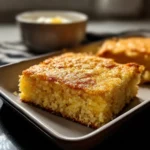
Basic Cornbread Recipe
Ingredients
- Yellow Cornmeal: 1 ¼ cups (medium or fine grind)
- All-Purpose Flour: ¾ cup
- Granulated Sugar: ¼ cup (can be adjusted to taste)
- Baking Powder: 2 teaspoons
- Salt: ½ teaspoon
- Large Egg: 1, lightly beaten
- Milk: 1 cup (whole milk or buttermilk recommended)
- Unsalted Butter: ¼ cup (4 tablespoons), melted, plus extra for greasing the pan
Instructions
- Preheat and Prepare: Place an 8-inch or 9-inch cast-iron skillet, or an 8×8-inch square baking pan, in the oven. Preheat the oven to 400°F (200°C) with the pan inside. Allowing the pan to get screaming hot is the secret to a crunchy, golden-brown crust.
- Combine Dry Ingredients: In a large mixing bowl, whisk together the cornmeal, all-purpose flour, granulated sugar, baking powder, and salt. Whisking is important as it evenly distributes the leavening and salt, ensuring a consistent rise and flavor throughout the bread.
- Combine Wet Ingredients: In a separate medium-sized bowl, whisk the lightly beaten egg and the milk together until just combined. Slowly drizzle in the melted butter while whisking continuously. This process, called emulsifying, helps the fat integrate smoothly into the liquid base.
- Create the Batter: Pour the wet ingredients into the bowl with the dry ingredients. Using a spatula or wooden spoon, mix until the ingredients are just combined. The batter should be lumpy! Do not overmix. Overmixing develops the gluten in the flour, which will make your cornbread tough and dense instead of tender and light. A few streaks of flour are perfectly fine.
- Sizzle and Bake: Carefully remove the hot pan from the oven using oven mitts. Add a small pat of butter or a swirl of oil to the hot pan—it should sizzle immediately. Swirl it around to coat the bottom and sides. This not only prevents sticking but also “fries” the outside of the batter, creating an unparalleled crust.
- Pour and Bake: Immediately pour the cornbread batter into the hot, greased pan, spreading it evenly. The batter should sizzle as it hits the hot surface. Place the pan back into the preheated oven.
- Bake to Perfection: Bake for 20-25 minutes, or until the top is a deep golden brown and a wooden skewer or toothpick inserted into the center comes out clean with no wet batter attached. The edges should be pulling away slightly from the sides of the pan.
- Cool and Serve: Remove the cornbread from the oven and let it cool in the pan on a wire rack for at least 10-15 minutes. This allows the crumb to set, making it easier to slice. Serve warm.
Nutrition
- Serving Size: One Normal Portion
- Calories: 260