
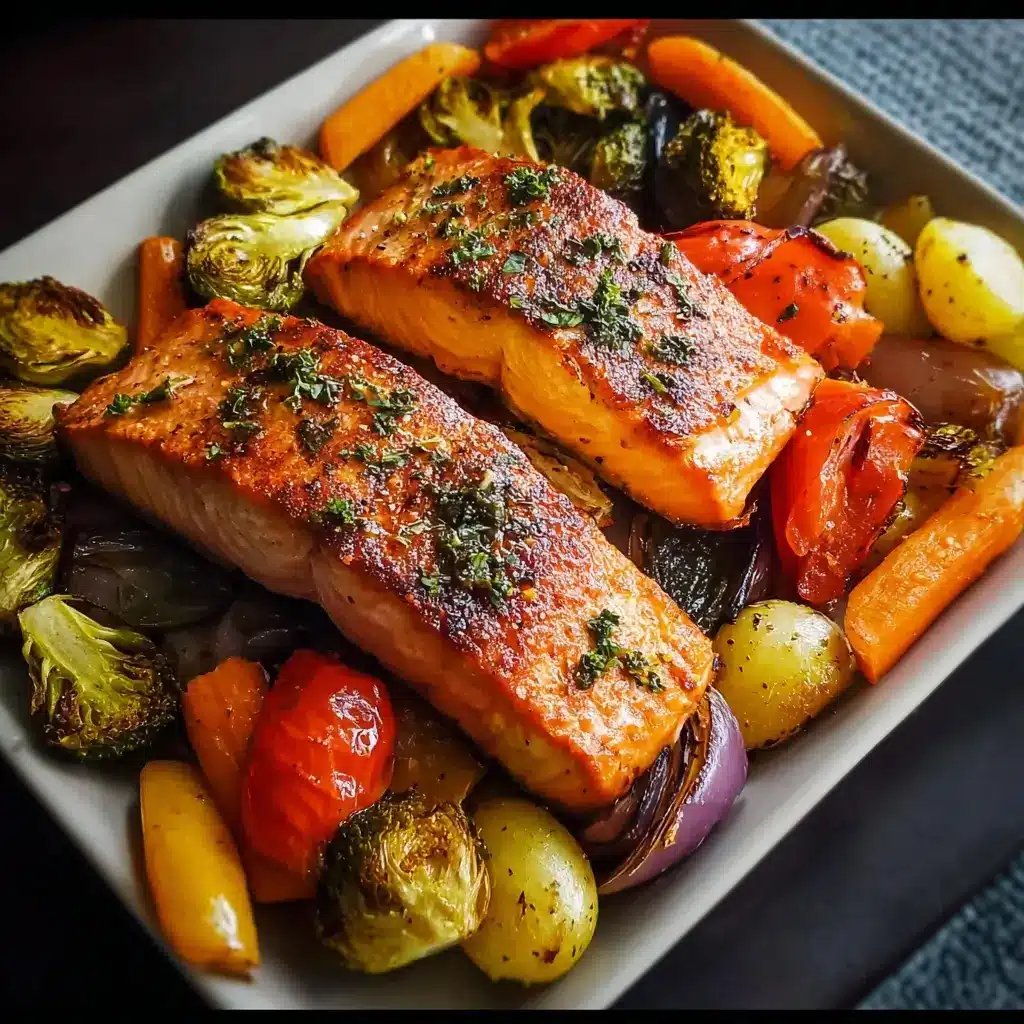
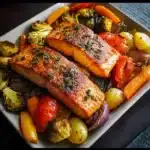
Of all the recipes in my weekly rotation, this is the one that feels like a magic trick. It’s the meal I turn to on a chaotic Tuesday when my energy is low, but my desire for something genuinely delicious and nourishing is high. I remember the first time I made this Baked Salmon with Roasted Veggies. The kids were skeptical—”Fish again?”—but the moment the sheet pan came out of the oven, the entire kitchen filled with the most incredible aroma of roasted garlic, zesty lemon, and fresh herbs. The salmon was perfectly flaky, the broccoli florets had those irresistible crispy, caramelized edges, and the bell peppers were sweet and tender. Silence fell over the dinner table, soon replaced by the clinking of forks and murmurs of “Wow, this is actually really good.” Now, it’s a requested favorite, a testament to the fact that healthy, elegant, and incredibly easy can all exist on one pan. It’s more than just a recipe; it’s our solution to the weeknight dinner dilemma, a guaranteed win that leaves everyone feeling satisfied and me feeling like a culinary superhero without breaking a sweat.
Why This Baked Salmon with Roasted Veggies Will Become Your Go-To Meal
Before we dive into the specifics, let’s talk about why this simple sheet pan dinner is a culinary game-changer. It’s not just about convenience; it’s about creating a perfectly balanced, restaurant-quality meal with minimal effort and maximum flavor.
- One-Pan Wonder: The ultimate appeal lies in its simplicity. Everything—the protein, the vegetables, the healthy fats—cooks together on a single sheet pan. This means preparation is streamlined, and cleanup is an absolute breeze. No more juggling multiple pots and pans!
- Nutrient-Packed Powerhouse: This dish is the epitome of healthy eating. Salmon is rich in heart-healthy Omega-3 fatty acids, high-quality protein, and Vitamin D. The rainbow of vegetables provides essential vitamins, minerals, and fiber, making it a complete and wholesome meal.
- Incredibly Flavorful: The combination of simple, fresh ingredients creates a symphony of flavors. The richness of the salmon is perfectly balanced by the bright acidity of the lemon, the pungent kick of garlic, and the earthy notes of fresh herbs. Roasting the vegetables brings out their natural sweetness and creates a delightful textural contrast.
- Endlessly Customizable: Think of this recipe as a template, not a strict rulebook. You can easily swap out the vegetables based on the season or what you have in your fridge. You can experiment with different herbs and spices to create entirely new flavor profiles.
- Perfect for All Skill Levels: Whether you’re a seasoned home cook or just starting your culinary journey, this recipe is foolproof. The steps are straightforward, and the technique is forgiving, guaranteeing a delicious outcome every time.
Complete Recipe: Sheet Pan Baked Salmon and Roasted Veggies
This recipe is designed for four servings, making it perfect for a family dinner or for meal-prepping lunches for the week. The key is using fresh, high-quality ingredients to let their natural flavors shine.
Ingredients
For the Roasted Vegetables:
- 1 large head of broccoli (about 1 lb or 450g), cut into bite-sized florets
- 1 large red bell pepper, deseeded and cut into 1-inch chunks
- 1 large yellow or orange bell pepper, deseeded and cut into 1-inch chunks
- 1 medium red onion, cut into 1-inch wedges
- 4 cloves garlic, minced
- 2 tablespoons extra-virgin olive oil
- 1 teaspoon dried oregano
- ½ teaspoon smoked paprika
- ½ teaspoon salt (or to taste)
- ¼ teaspoon black pepper (freshly ground is best)
For the Baked Salmon:
- 4 salmon fillets (6 oz or 170g each), skin-on or skinless
- 1 tablespoon extra-virgin olive oil
- 2 cloves garlic, minced
- 1 tablespoon fresh dill, finely chopped
- 1 tablespoon fresh parsley, finely chopped
- Zest of 1 lemon
- Juice of ½ lemon
- ¼ teaspoon salt
- ⅛ teaspoon black pepper
For Garnish and Serving:
- 1 lemon, cut into wedges
- Fresh dill or parsley, for sprinkling
Step-by-Step Instructions for a Perfect Meal
Follow these detailed instructions carefully. The secret to a perfect sheet pan meal is staggering the cooking times slightly so that both the vegetables and the salmon are cooked to perfection simultaneously.
Step 1: Preheat and Prepare the Pan
First things first, position an oven rack in the center of your oven and preheat it to 400°F (200°C). A hot oven is crucial for getting that beautiful caramelization on the vegetables. Line a large, rimmed baking sheet with parchment paper. This is a non-negotiable step for easy cleanup! If you don’t have parchment, you can lightly grease the pan, but parchment paper is superior for preventing sticking.
Step 2: Prepare and Season the Vegetables
In a large mixing bowl, combine the broccoli florets, chopped bell peppers, and red onion wedges. Add the 2 tablespoons of olive oil, 4 cloves of minced garlic, dried oregano, smoked paprika, salt, and pepper. Use your hands or a large spoon to toss everything together until the vegetables are evenly coated in the oil and seasonings. Don’t be shy here; make sure every nook and cranny is covered.
Step 3: The First Roast (Veggies Only)
Spread the seasoned vegetables in a single, even layer on the prepared baking sheet. It’s important not to overcrowd the pan. If the veggies are piled on top of each other, they will steam instead of roast, resulting in a soggy texture. If necessary, use two sheet pans. Place the pan in the preheated oven and roast for 15 minutes. This gives the heartier vegetables a head start to become tender.
Step 4: Prepare the Salmon
While the vegetables are roasting, prepare the salmon. Pat the salmon fillets completely dry with a paper towel. This step is critical for getting a nice surface texture and helping the seasoning adhere properly. In a small bowl, whisk together the 1 tablespoon of olive oil, 2 cloves of minced garlic, chopped fresh dill, chopped fresh parsley, lemon zest, lemon juice, salt, and pepper.
Step 5: Season the Salmon
Place the dried salmon fillets on a plate or cutting board. Spoon the herb and lemon mixture evenly over the top of each fillet, using the back of the spoon to spread it out. Let the salmon sit for a few minutes to absorb the flavors while the veggies finish their initial roast.
Step 6: Combine and Roast Together
After the vegetables have roasted for 15 minutes, carefully remove the sheet pan from the oven. The veggies should be starting to soften and lightly brown at the edges. Using a spatula, push the vegetables to the sides of the pan to create space in the center for the salmon. Nestle the seasoned salmon fillets, skin-side down if applicable, among the vegetables.
Step 7: The Final Roast
Return the sheet pan to the oven and bake for another 12-15 minutes. The exact cooking time will depend on the thickness of your salmon fillets. The salmon is done when it is opaque and flakes easily with a fork. A good visual cue is when you see the white protein (albumin) just starting to seep out from the sides. Be very careful not to overcook it, as it can quickly become dry. The vegetables should be tender-crisp and nicely caramelized.
Step 8: Rest and Serve
Once cooked, remove the sheet pan from the oven. Let the salmon rest on the pan for 2-3 minutes. This allows the juices to redistribute, resulting in a more tender and flavorful fish. To serve, squeeze the fresh lemon wedges over the entire pan, sprinkle with extra fresh herbs, and enjoy immediately.
Nutrition Facts
This meal is as nutritious as it is delicious. The following is an approximate nutritional breakdown per serving, based on the ingredients listed above.
- Servings: 4
- Calories per serving: Approximately 485 kcal
Breakdown per serving (estimation):
- Protein: 39g
- Fat: 29g
- Saturated Fat: 5g
- Omega-3 Fatty Acids: ~2500mg
- Carbohydrates: 18g
- Fiber: 6g
- Sugar: 9g
- Sodium: 550mg
Disclaimer: These values are an estimate and can vary based on the exact size of salmon fillets, vegetable portions, and brands of ingredients used.
Preparation Time
One of the best features of this recipe is how quickly it comes together, making it an ideal choice for busy weeknights.
- Prep Time: 15 minutes (chopping vegetables and preparing salmon)
- Cook Time: 27-30 minutes
- Total Time: Approximately 45 minutes
How to Serve Baked Salmon with Roasted Veggies
While this dish is a fantastic all-in-one meal, you can easily elevate it or adapt it to your preferences with a few simple additions. Here are some of our favorite ways to serve it:
- On a Bed of Grains:
- Quinoa: Serve the salmon and vegetables over a scoop of fluffy, nutty quinoa for an extra boost of protein and fiber.
- Brown Rice: The wholesome chewiness of brown rice provides a perfect base to soak up the delicious juices from the pan.
- Farro or Barley: For a heartier, more rustic meal, serve with a side of chewy ancient grains like farro or barley.
- With a Creamy Sauce:
- Dill Yogurt Sauce: Mix Greek yogurt with fresh dill, a squeeze of lemon juice, and a pinch of salt for a cool and creamy sauce that beautifully complements the salmon.
- Tzatziki: This classic Greek cucumber and yogurt sauce is a refreshing and tangy addition.
- Pesto Drizzle: A light drizzle of vibrant basil pesto over the salmon and veggies adds a wonderful layer of herbaceous, nutty flavor.
- As a Hearty Salad:
- Flake the cooked salmon and toss it with the roasted vegetables and a bed of fresh arugula or mixed greens.
- Drizzle with a simple lemon-vinaigrette and top with crumbled feta cheese and toasted pine nuts for a delicious and satisfying salad.
- For Meal Prep:
- Divide the cooked salmon and roasted vegetables into four individual airtight containers.
- You can add a portion of cooked quinoa or rice to each container for a ready-to-go, balanced lunch for the week. It reheats beautifully in the microwave.
5 Additional Tips for Flawless Results
Master this recipe with a few pro tips that make all the difference between a good meal and a great one.
- Don’t Overcook the Salmon: This is the most important rule. Overcooked salmon is dry and disappointing. The best way to check for doneness is with a fork. Gently press on the thickest part of the fillet; if it flakes apart easily, it’s ready. If you have an instant-read thermometer, aim for an internal temperature of 135-140°F (57-60°C) for a moist, tender result. Remember it will continue to cook slightly after you remove it from the oven.
- Give Your Veggies a Head Start: As outlined in the instructions, roasting the vegetables for 15 minutes before adding the salmon is a crucial step. Root vegetables and cruciferous vegetables like broccoli take longer to cook than a 6-ounce salmon fillet. This staggered cooking method ensures your vegetables are perfectly tender and caramelized by the time the fish is flaky and moist.
- Don’t Crowd the Pan: This tip cannot be overstated. For proper roasting, hot air needs to circulate around each piece of food. If the vegetables are packed too tightly, they will trap moisture and steam, leading to a soft, soggy texture. If your ingredients don’t fit in a single layer on one pan, it’s always better to use two pans than to overcrowd one.
- Pat the Salmon Dry: Before adding any oil or seasoning, use a paper towel to pat the surface of the salmon fillets completely dry. Moisture is the enemy of a good sear and browning. A dry surface allows the olive oil and seasonings to adhere better and helps the top of the salmon develop a slightly crisp, beautifully textured crust in the oven.
- Finish with Freshness: The final flourish makes a huge impact. A generous squeeze of fresh lemon juice over the hot salmon and vegetables right out of the oven brightens all the flavors and cuts through the richness of the fish. A final sprinkle of fresh, delicate herbs like dill or parsley adds a pop of color and a burst of fresh aroma that elevates the entire dish.
Frequently Asked Questions (FAQ)
Here are answers to some common questions you might have about this baked salmon recipe.
1. Can I use frozen salmon for this recipe?
Yes, you absolutely can! Frozen salmon is a convenient and often more affordable option. For the best results, you must thaw it completely before cooking. The safest way to do this is to place it in the refrigerator overnight. If you’re short on time, you can place the vacuum-sealed fillets in a bowl of cold water for about 30-60 minutes. Once thawed, pat it very dry with paper towels before seasoning and baking as directed. Do not attempt to bake the salmon from frozen for this recipe, as it will release too much water and steam the vegetables.
2. How do I know when the salmon is perfectly cooked?
There are two reliable methods. The first is the visual/fork test: the salmon will change from translucent and raw-looking to opaque pink, and it should flake easily when gently pressed with a fork at its thickest point. The second, more precise method is using an instant-read thermometer. Insert it into the thickest part of the fillet; for moist and tender salmon, aim for an internal temperature between 135°F and 140°F (57-60°C).
3. How do I store and reheat leftovers?
Leftovers can be stored in an airtight container in the refrigerator for up to 3 days. To reheat, you can use the microwave in 30-second increments until just warmed through, but be careful not to overcook it. For the best texture, reheat the salmon and veggies on a baking sheet in an oven or toaster oven at 300°F (150°C) for about 10 minutes, or until heated through. This helps revive some of the roasted texture of the vegetables.
4. Can I prepare this meal in advance?
Yes, you can do some prep work to save time. You can chop all the vegetables and store them in an airtight container or zip-top bag in the refrigerator for up to 2 days. You can also mix the salmon seasoning blend (the oil, garlic, herbs, and lemon) and store it in a small jar in the fridge. When you’re ready to cook, all you’ll need to do is toss the veggies with their seasoning, season the salmon, and bake. This turns a 45-minute meal into a 30-minute one.
5. My vegetables turned out soggy. What did I do wrong?
Soggy vegetables are almost always caused by one of three things: overcrowding the pan, not using a hot enough oven, or using too much liquid. To fix this, make sure your vegetables are in a single layer with space between them (use two pans if needed). Ensure your oven is fully preheated to 400°F (200°C). Finally, be sure you’re using just enough olive oil to coat the vegetables, not drench them. Following these tips will guarantee perfectly crisp-tender roasted vegetables every time.
Baked Salmon with Roasted Veggies Recipe
Ingredients
For the Roasted Vegetables:
-
- 1 large head of broccoli (about 1 lb or 450g), cut into bite-sized florets
-
- 1 large red bell pepper, deseeded and cut into 1-inch chunks
-
- 1 large yellow or orange bell pepper, deseeded and cut into 1-inch chunks
-
- 1 medium red onion, cut into 1-inch wedges
-
- 4 cloves garlic, minced
-
- 2 tablespoons extra-virgin olive oil
-
- 1 teaspoon dried oregano
-
- ½ teaspoon smoked paprika
-
- ½ teaspoon salt (or to taste)
-
- ¼ teaspoon black pepper (freshly ground is best)
For the Baked Salmon:
-
- 4 salmon fillets (6 oz or 170g each), skin-on or skinless
-
- 1 tablespoon extra-virgin olive oil
-
- 2 cloves garlic, minced
-
- 1 tablespoon fresh dill, finely chopped
-
- 1 tablespoon fresh parsley, finely chopped
-
- Zest of 1 lemon
-
- Juice of ½ lemon
-
- ¼ teaspoon salt
-
- ⅛ teaspoon black pepper
For Garnish and Serving:
-
- 1 lemon, cut into wedges
-
- Fresh dill or parsley, for sprinkling
Instructions
Step 1: Preheat and Prepare the Pan
First things first, position an oven rack in the center of your oven and preheat it to 400°F (200°C). A hot oven is crucial for getting that beautiful caramelization on the vegetables. Line a large, rimmed baking sheet with parchment paper. This is a non-negotiable step for easy cleanup! If you don’t have parchment, you can lightly grease the pan, but parchment paper is superior for preventing sticking.
Step 2: Prepare and Season the Vegetables
In a large mixing bowl, combine the broccoli florets, chopped bell peppers, and red onion wedges. Add the 2 tablespoons of olive oil, 4 cloves of minced garlic, dried oregano, smoked paprika, salt, and pepper. Use your hands or a large spoon to toss everything together until the vegetables are evenly coated in the oil and seasonings. Don’t be shy here; make sure every nook and cranny is covered.
Step 3: The First Roast (Veggies Only)
Spread the seasoned vegetables in a single, even layer on the prepared baking sheet. It’s important not to overcrowd the pan. If the veggies are piled on top of each other, they will steam instead of roast, resulting in a soggy texture. If necessary, use two sheet pans. Place the pan in the preheated oven and roast for 15 minutes. This gives the heartier vegetables a head start to become tender.
Step 4: Prepare the Salmon
While the vegetables are roasting, prepare the salmon. Pat the salmon fillets completely dry with a paper towel. This step is critical for getting a nice surface texture and helping the seasoning adhere properly. In a small bowl, whisk together the 1 tablespoon of olive oil, 2 cloves of minced garlic, chopped fresh dill, chopped fresh parsley, lemon zest, lemon juice, salt, and pepper.
Step 5: Season the Salmon
Place the dried salmon fillets on a plate or cutting board. Spoon the herb and lemon mixture evenly over the top of each fillet, using the back of the spoon to spread it out. Let the salmon sit for a few minutes to absorb the flavors while the veggies finish their initial roast.
Step 6: Combine and Roast Together
After the vegetables have roasted for 15 minutes, carefully remove the sheet pan from the oven. The veggies should be starting to soften and lightly brown at the edges. Using a spatula, push the vegetables to the sides of the pan to create space in the center for the salmon. Nestle the seasoned salmon fillets, skin-side down if applicable, among the vegetables.
Step 7: The Final Roast
Return the sheet pan to the oven and bake for another 12-15 minutes. The exact cooking time will depend on the thickness of your salmon fillets. The salmon is done when it is opaque and flakes easily with a fork. A good visual cue is when you see the white protein (albumin) just starting to seep out from the sides. Be very careful not to overcook it, as it can quickly become dry. The vegetables should be tender-crisp and nicely caramelized.
Step 8: Rest and Serve
Once cooked, remove the sheet pan from the oven. Let the salmon rest on the pan for 2-3 minutes. This allows the juices to redistribute, resulting in a more tender and flavorful fish. To serve, squeeze the fresh lemon wedges over the entire pan, sprinkle with extra fresh herbs, and enjoy immediately.
Nutrition
- Serving Size: One Normal Portion
- Calories: 485
- Sugar: 9g
- Sodium: 550mg
- Fat: 29g
- Saturated Fat: 5g
- Carbohydrates: 18g
- Fiber: 6g
- Protein: 39g