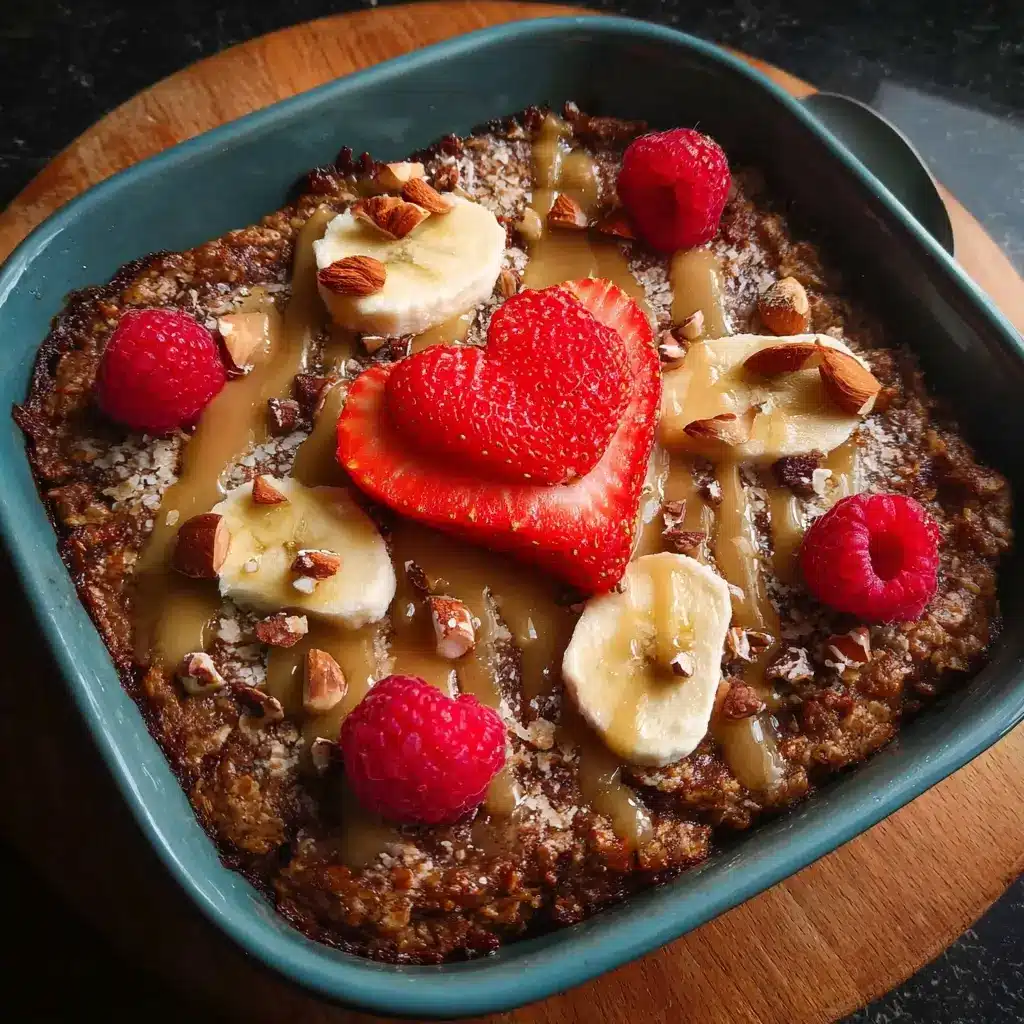
I’ll be the first to admit, my breakfast routine used to be in a serious rut. It was a monotonous cycle of toast, cereal, or on a good day, a quick scramble. I craved something that felt indulgent and special, but also something that would fuel my busy mornings without a subsequent sugar crash. I wanted cake for breakfast, but with the nutritional profile of a responsible adult meal. When I first stumbled upon the concept of blended baked oats, I was intrigued. The idea of turning humble oatmeal into a fluffy, cake-like creation was revolutionary. The real game-changer, however, was the addition of egg whites. The first time I pulled that perfectly risen, golden-brown ramekin from the oven, I knew I had found my breakfast soulmate. The texture was unbelievable—light, airy, and soufflé-like, a far cry from the dense, chewy oatmeal bakes I’d tried before. My family was instantly converted. My kids, who would normally turn their noses up at oatmeal, now request their “breakfast cake” with different toppings. It’s become our go-to for weekday mornings and lazy weekend brunches alike, a simple recipe that feels like a luxurious treat while secretly packing a powerful punch of protein and fiber. It’s the one recipe that has truly transformed our mornings from mundane to magical.
Why You’ll Fall in Love with These High-Protein Baked Oats
Before we dive into the nitty-gritty of the recipe, let’s talk about why this specific version of baked oats deserves a permanent spot in your breakfast rotation. This isn’t just another oatmeal recipe; it’s a complete breakfast experience that ticks all the boxes for health, taste, and convenience.
- Tastes Like a Healthy Cake: The number one reason this recipe is so beloved is its incredible texture. By blending the ingredients until perfectly smooth, you break down the oats into a fine flour. This, combined with the leavening power of baking powder and the protein structure of egg whites, creates a finished product that is astonishingly light, fluffy, and cake-like. It’s the perfect way to satisfy a morning sweet tooth without derailing your health goals.
- A Serious Protein Punch: The secret ingredient, egg whites, elevates this dish from a simple carb-based breakfast to a well-rounded, high-protein meal. Protein is crucial for starting your day right. It promotes satiety, meaning you’ll feel fuller for longer, curbing those mid-morning snack cravings. It also helps stabilize blood sugar levels and provides essential amino acids for muscle repair and growth.
- Incredibly Wholesome and Nourishing: At its core, this recipe is built on the goodness of rolled oats. Oats are a fantastic source of complex carbohydrates, providing slow-release energy that will sustain you for hours. They are also packed with soluble fiber, particularly beta-glucan, which is known for its heart-healthy benefits, including helping to lower cholesterol.
- Perfect for Meal Prep: While these baked oats are quick enough to make on a busy morning, they are an absolute dream for meal prepping. You can easily double or triple the batch, bake them in individual ramekins or a larger baking dish, and have a delicious, ready-to-heat breakfast waiting for you all week long. They store and reheat beautifully.
- Endlessly Customizable: Think of this recipe as your blank canvas. The base flavor is a subtly sweet and creamy vanilla, which pairs perfectly with virtually any topping or mix-in you can imagine. From fresh berries and nuts to chocolate chips and nut butters, you can create a different version for every day of the week, preventing breakfast boredom entirely.
- Dietary-Friendly: This recipe is naturally adaptable. Use certified gluten-free oats to make it gluten-free. Swap the dairy milk for your favorite plant-based alternative like almond, soy, or oat milk to make it dairy-free. You can also easily adjust the sweetener to be sugar-free by using monk fruit or stevia.
The Key Ingredients for Fluffy Baked Oats
Understanding the role of each ingredient is the key to mastering this recipe and customizing it to your liking. Here’s a breakdown of what you’ll need and why it’s important.
Rolled Oats
This is the foundation of our recipe. For the best cake-like texture, old-fashioned rolled oats are the superior choice. They have the perfect balance of starch and structure that, when blended, creates a smooth, consistent batter.
- Can you use other oats? Instant oats can work in a pinch, but they may result in a slightly gummier texture as they absorb liquid much faster. Steel-cut oats are not recommended for this recipe, as they are far too dense and will not blend into a smooth batter, resulting in a gritty, unpleasant texture.
- For a gluten-free option: Simply ensure you purchase oats that are certified gluten-free. While oats are naturally gluten-free, they are often processed in facilities that also handle wheat, leading to cross-contamination.
Egg Whites
This is the star ingredient that provides the magic lift and protein boost. Egg whites are almost pure protein (albumin), and when whipped or heated, these proteins denature and create a stable network that traps air. This is what gives our baked oats their incredible soufflé-like fluffiness.
- Fresh vs. Cartoned: You can use either! Two fresh large egg whites work perfectly. However, for convenience and ease, liquid egg whites from a carton are a fantastic option. A standard serving is typically 1/4 cup (about 60g), which is equivalent to two large egg whites.
Milk of Choice
The liquid component is essential for blending the oats into a smooth batter and adding moisture. The type of milk you use is entirely up to your preference and dietary needs.
- Dairy Milk: 2% or whole milk will lend a richer, creamier flavor.
- Plant-Based Milk: Unsweetened almond milk is a great low-calorie option. Oat milk will enhance the oaty flavor and add creaminess. Soy milk offers an extra protein boost.
Sweetener
This recipe needs a touch of sweetness to enhance the flavors. A liquid sweetener works best as it incorporates smoothly into the batter.
- Maple Syrup: Pure maple syrup adds a wonderful, classic flavor that pairs beautifully with oats.
- Honey: Another excellent natural option.
- Sugar-Free Options: For a lower-carb or keto-friendly version, use a liquid monk fruit sweetener or stevia drops. You may need to adjust the amount to your taste.
Baking Powder
Do not skip this! Baking powder is our chemical leavening agent. It reacts with the liquid and heat to create carbon dioxide bubbles within the batter, working alongside the egg whites to make the final product rise beautifully and become incredibly light and airy. Ensure your baking powder is fresh for the best results.
Vanilla Extract and a Pinch of Salt
These are the flavor enhancers. A good quality vanilla extract adds warmth and depth, making the dish taste more like a dessert. A tiny pinch of salt is crucial; it doesn’t make the oats salty but instead balances the sweetness and makes all the other flavors, especially the vanilla and oats, pop.
Recipe: The Ultimate Baked Oats with Egg White
This single-serving recipe is perfect for a quick and satisfying breakfast. It can easily be scaled up for meal prep.
Yields: 1 Serving
Calories: Approx. 280-350 (depending on milk and toppings)
Ingredients
- 1/2 cup (45g) Rolled Oats (use certified GF if necessary)
- 1/4 cup (60ml) Milk of your choice (dairy or plant-based)
- 1/4 cup (60g) Liquid Egg Whites (or 2 large egg whites)
- 1 tbsp (15ml) Maple Syrup (or honey, or sugar-free alternative)
- 1/2 tsp Baking Powder
- 1/2 tsp Vanilla Extract
- A tiny pinch of Salt
Optional Mix-ins & Toppings:
- 1-2 tbsp Chocolate Chips
- 1/4 cup Fresh Berries (blueberries, raspberries, chopped strawberries)
- 1 tbsp Nut Butter (peanut, almond, cashew)
- 1 tbsp Chopped Nuts or Seeds (walnuts, pecans, chia seeds, flax seeds)
- A dash of Cinnamon or Nutmeg
Step-by-Step Instructions
Follow these detailed steps for guaranteed fluffy and delicious baked oats every single time. The key to success is in the blending process.
Step 1: Preheat and Prepare
First things first, preheat your oven to 350°F (180°C). This is a crucial step; placing the batter in a hot oven helps activate the baking powder immediately, contributing to a better rise.
Next, prepare your baking vessel. For a single serving, an 8 to 10-ounce oven-safe ramekin is ideal. You can also use a large oven-safe mug. Lightly grease the inside of the ramekin with a small amount of coconut oil, butter, or a non-stick cooking spray. This will prevent the oats from sticking and ensure it comes out cleanly if you choose to invert it onto a plate.
Step 2: Blend the Batter to Perfection
This is the most important step for achieving that signature cake-like texture. In a high-speed blender, combine the rolled oats, your choice of milk, the liquid egg whites, maple syrup (or other sweetener), baking powder, vanilla extract, and the pinch of salt.
Blend on high for about 30 to 60 seconds. You want to continue blending until the mixture is completely smooth and homogenous. There should be no visible oat flakes remaining. The batter should look thin and liquidy, similar to a crepe batter. Don’t be tempted to under-blend; any remaining oat pieces will result in a chewier, more traditional oatmeal texture rather than a light and fluffy cake.
Step 3: Incorporate Your Mix-ins (Optional)
If you are adding any solid mix-ins like chocolate chips, fresh blueberries, or chopped nuts, now is the time to add them. Pour the blended batter from the blender into your prepared ramekin first. Then, gently stir in your chosen mix-ins with a spoon. It’s better to stir them in rather than adding them to the blender, which could break them down too much or cause them to sink to the bottom. You can also reserve a few to sprinkle on top before baking.
Step 4: Bake to a Golden Rise
Place the ramekin on a small baking sheet (this makes it easier to handle and catches any potential drips) and put it into your preheated oven.
Bake for 20-25 minutes. The exact time will depend on your oven and the size of your ramekin. You’ll know it’s done when the top is puffed up, golden brown, and feels set to the touch. A great way to test for doneness is the classic toothpick test: insert a toothpick into the center of the baked oats. If it comes out clean or with a few moist crumbs attached, it’s ready. If it comes out with wet batter, it needs a few more minutes.
Step 5: Cool Slightly and Serve
Carefully remove the ramekin from the oven. Be warned, it will be extremely hot! Let it cool on a wire rack for at least 5 minutes. The baked oats will be very puffed up when they first come out and will settle slightly as they cool—this is completely normal.
You can enjoy it straight from the ramekin (my personal favorite way), or you can run a knife around the edge and carefully invert it onto a plate for a more elegant presentation. Add your favorite toppings and dig in while it’s warm and delicious.
Nutrition Facts
- Servings: 1
- Calories per serving: Approximately 295 kcal
Disclaimer: The nutritional information provided is an estimate and will vary based on the specific ingredients you use. For example, using whole milk and honey will result in a higher calorie count than using unsweetened almond milk and a zero-calorie sweetener. This estimate does not include optional mix-ins or toppings.
- Protein: ~18g
- Carbohydrates: ~40g
- Fiber: ~5g
- Fat: ~5g
- Sugar: ~13g (from maple syrup and milk)
Preparation Time
One of the best parts of this recipe is how quickly it comes together, making it a feasible option even on busy mornings.
- Prep Time: 5 minutes
- Cook Time: 20-25 minutes
- Total Time: 25-30 minutes
How to Serve Your Baked Oats
The beauty of this recipe lies in its versatility. You can serve it simply as is or dress it up to suit your mood. Here are some of our favorite combinations, served warm from the ramekin or inverted onto a plate:
- The Classic Berry Bliss:
- A generous drizzle of pure maple syrup.
- A handful of fresh mixed berries (blueberries, raspberries, sliced strawberries).
- A dollop of plain Greek yogurt or coconut yogurt for creaminess and extra protein.
- The Decadent Chocolate Peanut Butter Dream:
- A spoonful of creamy or crunchy peanut butter, allowed to melt slightly on top.
- A sprinkle of mini chocolate chips.
- A few slices of fresh banana.
- The Protein Powerhouse:
- A scoop of Greek yogurt on top.
- A sprinkle of chia seeds and hemp hearts for healthy fats and fiber.
- A tablespoon of chopped walnuts or toasted pecans for a satisfying crunch.
- The Cozy Apple Pie:
- Before baking, stir in a 1/4 teaspoon of cinnamon and a few tablespoons of finely diced apple into the batter.
- Top the baked oats with a drizzle of caramel sauce or maple syrup and a sprinkle of chopped pecans.
- The Simple & Satisfying:
- Enjoy it straight from the ramekin with just a splash of milk or a light dusting of powdered sugar. The pure, cake-like texture is a treat in itself.
Additional Tips for Perfect Baked Oats
Here are five expert tips to help you get the best possible results and troubleshoot any issues.
1. The Blender is Non-Negotiable for Texture
To achieve that signature light and fluffy, cake-like consistency, a blender is essential. Simply stirring the ingredients together will result in a dense, traditional oatmeal bake. A high-speed blender (like a Vitamix or Ninja) is ideal, but any standard blender will work—you may just need to blend for a little longer to ensure every last oat is broken down.
2. Don’t Over-bake!
One of the easiest mistakes to make is leaving the oats in the oven for too long. Over-baking will dry them out and can make the texture tough and rubbery rather than soft and soufflé-like. Start checking for doneness at the 20-minute mark. The center should be just set, like a perfect brownie. A little bit of moist crumb on the toothpick is a good sign.
3. Master the Art of Meal Prep
To make a larger batch for the week, simply multiply the ingredients by the number of servings you want. You can bake them in individual ramekins for grab-and-go portions or bake the entire batch in a larger dish (like an 8×8 inch pan for 4-5 servings). If using a larger pan, you will need to increase the baking time to 30-35 minutes, or until the center is set. Once cooled, cover and store in the fridge.
4. Check Your Baking Powder’s Freshness
If your baked oats aren’t rising properly and seem dense, your baking powder might be old. Baking powder loses its potency over time. To test it, spoon about 1/2 teaspoon into a cup and pour a few tablespoons of hot water over it. If it fizzes and bubbles vigorously, it’s still good. If not, it’s time for a new container.
5. Adjust Sweetness Before You Bake
Everyone’s preference for sweetness is different. The base recipe is only mildly sweet. After blending the batter but before pouring it into the ramekin, you can taste a tiny bit. If you prefer it sweeter, add a little more of your chosen sweetener and give it a quick final blend to incorporate. This is especially important if you are using unsweetened milk or plan to eat it without sweet toppings.
Frequently Asked Questions (FAQ)
Q1: Can I make these baked oats without a blender?
A: While you technically can, you will not get the same fluffy, cake-like texture that makes this recipe special. If you mix the ingredients by hand without blending, the result will be much denser and have the chewy texture of traditional baked oatmeal. The blending process is what turns the oats into a fine flour, which is key to the light consistency.
Q2: How do I store and reheat leftover baked oats?
A: These baked oats are fantastic for meal prep! To store, allow them to cool completely, then cover the ramekin with plastic wrap or transfer the oats to an airtight container. They will keep in the refrigerator for up to 4 days. To reheat, you can microwave a single serving for 45-60 seconds until warmed through. You can also reheat them in a toaster oven or a conventional oven at 350°F (180°C) for about 10 minutes to help crisp up the top again.
Q3: Can I add protein powder to this recipe?
A: Yes, you can! This is a great way to boost the protein content even further. Add 1/2 to 1 full scoop of your favorite vanilla or unflavored protein powder to the blender along with the other ingredients. Be aware that protein powder is very absorbent, so you will likely need to add an extra 2-4 tablespoons of milk to the batter to achieve the right consistency. Blend well and proceed with the recipe as written.
Q4: Can I make this recipe vegan?
A: The egg whites are crucial for the signature light and airy texture. Replacing them will change the final result. A flax egg (1 tbsp ground flaxseed + 3 tbsp water) is a common vegan egg substitute, but it will create a much denser and moister final product, more akin to a traditional baked oatmeal. If you try this substitution, be mindful that the texture will be significantly different from the original recipe. Ensure you also use plant-based milk and a vegan sweetener like maple syrup.
Q5: Why did my baked oats turn out gummy or dense?
A: There are a few potential culprits for a gummy or dense texture.
- Under-blending: If you didn’t blend the oats long enough, the remaining oat pieces can create a denser, chewier texture.
- Old Baking Powder: As mentioned in the tips, expired baking powder won’t provide the necessary lift.
- Wrong Type of Oats: Using steel-cut oats will result in a gritty, dense product. Using instant oats can sometimes lead to a gummier result. Stick with rolled oats for the best outcome.
- Incorrect Ratios: Too much liquid or not enough leavening can also weigh the batter down. Stick closely to the recipe measurements for best results.
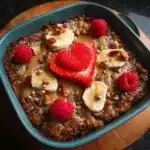
Baked Oats with Egg White Recipe
Ingredients
- 1/2 cup (45g) Rolled Oats (use certified GF if necessary)
- 1/4 cup (60ml) Milk of your choice (dairy or plant-based)
- 1/4 cup (60g) Liquid Egg Whites (or 2 large egg whites)
- 1 tbsp (15ml) Maple Syrup (or honey, or sugar-free alternative)
- 1/2 tsp Baking Powder
- 1/2 tsp Vanilla Extract
- A tiny pinch of Salt
Instructions
First things first, preheat your oven to 350°F (180°C). This is a crucial step; placing the batter in a hot oven helps activate the baking powder immediately, contributing to a better rise.
Next, prepare your baking vessel. For a single serving, an 8 to 10-ounce oven-safe ramekin is ideal. You can also use a large oven-safe mug. Lightly grease the inside of the ramekin with a small amount of coconut oil, butter, or a non-stick cooking spray. This will prevent the oats from sticking and ensure it comes out cleanly if you choose to invert it onto a plate.
This is the most important step for achieving that signature cake-like texture. In a high-speed blender, combine the rolled oats, your choice of milk, the liquid egg whites, maple syrup (or other sweetener), baking powder, vanilla extract, and the pinch of salt.
Blend on high for about 30 to 60 seconds. You want to continue blending until the mixture is completely smooth and homogenous. There should be no visible oat flakes remaining. The batter should look thin and liquidy, similar to a crepe batter. Don’t be tempted to under-blend; any remaining oat pieces will result in a chewier, more traditional oatmeal texture rather than a light and fluffy cake.
If you are adding any solid mix-ins like chocolate chips, fresh blueberries, or chopped nuts, now is the time to add them. Pour the blended batter from the blender into your prepared ramekin first. Then, gently stir in your chosen mix-ins with a spoon. It’s better to stir them in rather than adding them to the blender, which could break them down too much or cause them to sink to the bottom. You can also reserve a few to sprinkle on top before baking.
Place the ramekin on a small baking sheet (this makes it easier to handle and catches any potential drips) and put it into your preheated oven.
Bake for 20-25 minutes. The exact time will depend on your oven and the size of your ramekin. You’ll know it’s done when the top is puffed up, golden brown, and feels set to the touch. A great way to test for doneness is the classic toothpick test: insert a toothpick into the center of the baked oats. If it comes out clean or with a few moist crumbs attached, it’s ready. If it comes out with wet batter, it needs a few more minutes.
Carefully remove the ramekin from the oven. Be warned, it will be extremely hot! Let it cool on a wire rack for at least 5 minutes. The baked oats will be very puffed up when they first come out and will settle slightly as they cool—this is completely normal.
You can enjoy it straight from the ramekin (my personal favorite way), or you can run a knife around the edge and carefully invert it onto a plate for a more elegant presentation. Add your favorite toppings and dig in while it’s warm and delicious.
Nutrition
- Serving Size: One Normal Portion
- Calories: 295
- Sugar: 13g
- Fat: 5g
- Carbohydrates: 40g
- Fiber: 5g
- Protein: 18g