
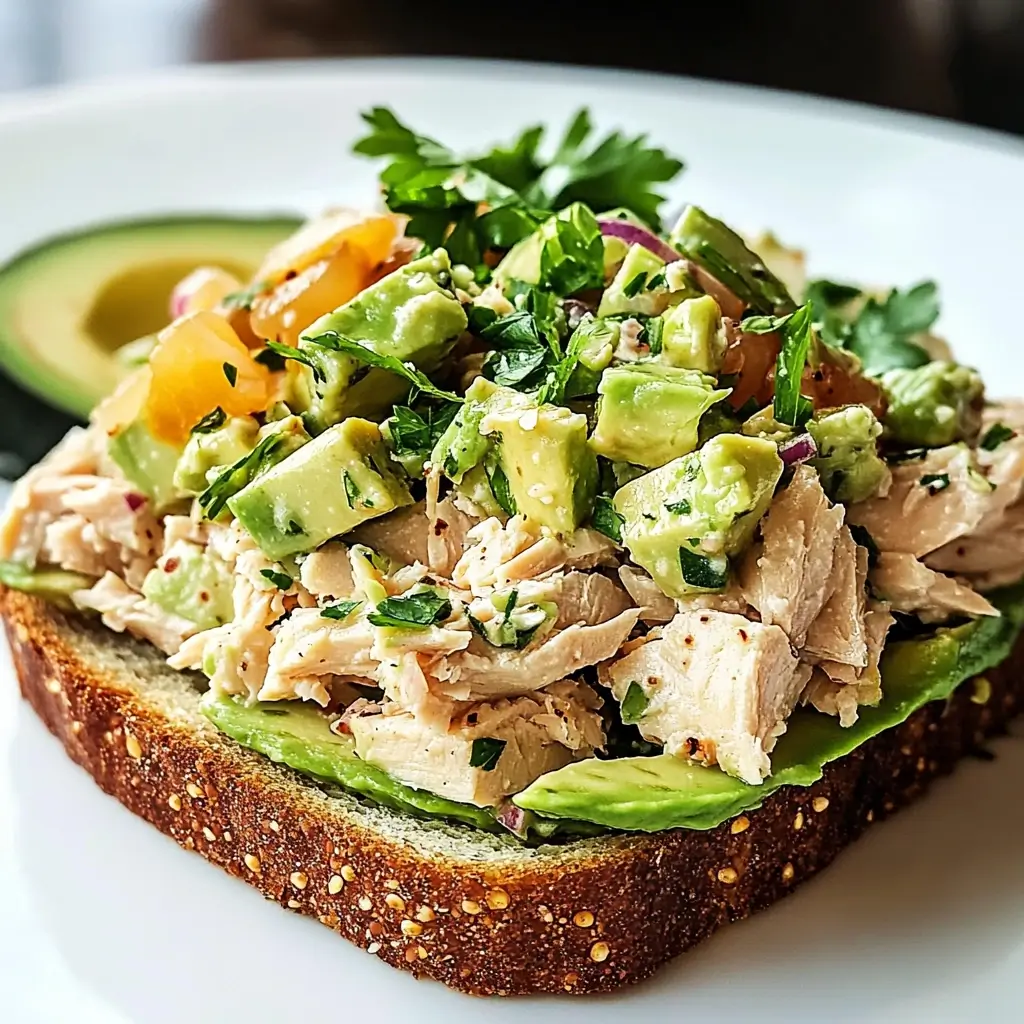

I still remember the first time I whipped up this Avocado Tuna Salad. I was in a bit of a lunch rut, tired of the same old sandwiches and salads. I’d seen recipes floating around that swapped mayonnaise for avocado in tuna salad, and being a huge avocado fan, I was intrigued. Skeptical, yet hopeful, I gathered my ingredients. The result? An absolute revelation! The creaminess of the avocado perfectly complemented the savory tuna, the red onion added a delightful sharpness, and the lime juice brought a zesty brightness that cut through the richness. My family, usually a tough crowd when it comes to “healthy” swaps, devoured it. My son, who typically eyes anything green with suspicion, asked for seconds. It’s since become a staple in our household – a quick, incredibly flavorful, and refreshingly light meal that we all look forward to. It’s proof that healthy eating doesn’t have to be bland or boring.
Why This Avocado Tuna Salad Will Become Your New Favorite
Before we dive into the nuts and bolts (or rather, the tuna and avocados!), let’s talk about why this recipe isn’t just another tuna salad. It’s a game-changer for several reasons:
- Creamy Dreaminess Without the Mayo: The star of the show, avocado, provides an unbelievably creamy texture that rivals, and many would argue surpasses, traditional mayonnaise. It’s a natural, wholesome creaminess packed with good fats.
- Nutrient Powerhouse: This salad is a nutritional champion. Tuna offers lean protein and omega-3 fatty acids. Avocados are loaded with monounsaturated fats (the heart-healthy kind!), fiber, potassium, and various vitamins. Add in the antioxidants from onions and herbs, and you’ve got a meal that truly nourishes.
- Incredibly Flavorful: The combination of savory tuna, rich avocado, zesty lime, pungent red onion, and fresh herbs creates a symphony of flavors that’s both complex and satisfying.
- Quick and Easy: From pantry to plate in under 15 minutes? Yes, please! This recipe is perfect for busy weeknights, quick lunches, or last-minute meal prep.
- Endlessly Versatile: As you’ll see in the “How to Serve” section, this isn’t just a sandwich filler. It’s a versatile base for numerous delicious and healthy meal options.
- Naturally Gluten-Free & Dairy-Free: For those with dietary restrictions, this recipe is a fantastic choice as it naturally fits into gluten-free and dairy-free lifestyles without any modifications.
Complete Recipe: Avocado Tuna Salad
This recipe is designed for simplicity and flavor, using fresh, wholesome ingredients. Feel free to adjust quantities to your preference.
Yields: 2-3 servings
Prep time: 10-15 minutes
Chill time (optional but recommended): 15-30 minutes
Ingredients:
- Canned Tuna: 2 cans (5 oz / 142g each) tuna, packed in water or olive oil, drained very well.
- Tip: Using tuna packed in olive oil can add a little extra richness, but tuna in water is perfectly fine and slightly lower in calories. Ensure it’s thoroughly drained to prevent a watery salad.
- Avocado: 1 large ripe avocado (or 2 small ones), pitted and diced or mashed.
- Tip: Look for avocados that yield to gentle pressure. If it’s too firm, it won’t mash well; too soft, and it might be brown inside.
- Red Onion: 1/4 cup finely chopped red onion (about 1/4 of a medium onion).
- Tip: If you find raw red onion too pungent, you can soak the chopped onion in cold water for 10 minutes, then drain, to mellow its flavor.
- Celery: 1 stalk celery, finely chopped (optional, for crunch).
- Tip: Celery adds a wonderful textural contrast. If you’re not a fan, you can omit it or substitute with finely chopped cucumber (seeds removed) or bell pepper.
- Fresh Cilantro or Parsley: 2 tablespoons freshly chopped cilantro or flat-leaf parsley.
- Tip: Fresh herbs elevate the flavor significantly. Cilantro offers a distinct, slightly citrusy note, while parsley is milder and fresher. Use whichever you prefer, or a mix!
- Lime or Lemon Juice: 1-2 tablespoons freshly squeezed lime or lemon juice.
- Tip: This is crucial! It adds brightness and helps prevent the avocado from browning too quickly. Start with 1 tablespoon and add more to taste.
- Salt: 1/4 teaspoon sea salt, or to taste.
- Black Pepper: 1/8 teaspoon freshly ground black pepper, or to taste.
- Optional Flavor Boosters:
- 1 teaspoon Dijon mustard (for a tangy kick)
- 1/4 teaspoon garlic powder or 1 small clove garlic, minced
- Pinch of red pepper flakes (for a touch of heat)
- 1 tablespoon capers, drained (for a briny pop)
Step-by-Step Instructions for Perfect Avocado Tuna Salad
Follow these simple steps to create a delicious and healthy tuna salad:
- Prepare the Tuna: Open the cans of tuna and drain them thoroughly. Flake the tuna into a medium-sized mixing bowl using a fork. Breaking it up now makes it easier to incorporate the other ingredients evenly.
- Prepare the Avocado: Cut the ripe avocado in half lengthwise, remove the pit. You can either scoop out the flesh and dice it into small cubes for a chunkier salad or mash it directly in a separate small bowl with a fork for a smoother, creamier consistency. If mashing, add the lime/lemon juice directly to the mashed avocado to prevent browning.
- Chop the Vegetables & Herbs: Finely chop the red onion and celery (if using). Wash and finely chop your chosen fresh herbs (cilantro or parsley).
- Combine Ingredients: Add the diced or mashed avocado to the bowl with the flaked tuna. Add the chopped red onion, celery (if using), and fresh herbs.
- Season and Dress: Pour the lime or lemon juice over the mixture (especially important if you diced the avocado and didn’t mix it with juice earlier). Add the salt, black pepper, and any optional flavor boosters like Dijon mustard, garlic powder, or red pepper flakes.
- Mix Gently: Using a fork or a rubber spatula, gently fold all the ingredients together until just combined. Be careful not to overmix, especially if you want to maintain some texture from the avocado chunks. Overmixing can make the salad a bit too pasty.
- Taste and Adjust: Give your avocado tuna salad a taste. Does it need more salt? A bit more tang from lime/lemon juice? Perhaps a touch more pepper or herbs? Adjust the seasonings to your preference. This is where you make it your perfect salad.
- Chill (Recommended): For the best flavor, cover the bowl and refrigerate the tuna salad for at least 15-30 minutes. This allows the flavors to meld together beautifully. If you’re short on time, you can serve it immediately, but chilling does enhance it.
- Serve: Enjoy your delicious, healthy avocado tuna salad! See the “How to Serve” section below for exciting ideas.
Nutrition Facts (Approximate)
Please note that these are approximate values and can vary based on the specific brands of ingredients used, the size of the avocado, and whether the tuna is packed in oil or water.
- Servings: This recipe makes approximately 2-3 servings.
- Calories per serving (assuming 3 servings, tuna in water): Approximately 250-300 calories.
- Breakdown: This is a rough estimate. Tuna in oil will increase the calorie count. Larger avocados will also contribute more calories (and healthy fats!).
Key Nutritional Highlights:
- High in Protein: Primarily from the tuna.
- Rich in Healthy Fats: Monounsaturated fats from the avocado.
- Good Source of Omega-3 Fatty Acids: Especially if using certain types of tuna.
- Contains Fiber: From avocado, onion, and celery.
- Vitamins and Minerals: Including Vitamin K, Folate, Vitamin C, Potassium (from avocado), and B vitamins (from tuna).
Preparation Time
One of the best things about this recipe is how quickly it comes together!
- Prep Time: 10-15 minutes (This includes draining tuna, chopping vegetables, and mixing).
- Chill Time (Optional): 15-30 minutes (or longer).
- Total Time (without chilling): 10-15 minutes.
- Total Time (with chilling): 25-45 minutes.
This makes it an ideal recipe for those moments when you need something nutritious and satisfying without spending hours in the kitchen.
How to Serve Your Avocado Tuna Salad
This avocado tuna salad is incredibly versatile. Here are some fantastic ways to enjoy it:
- Classic Sandwich or Wrap:
- Serve it between two slices of your favorite whole-grain bread, toasted or untoasted.
- Stuff it into a whole-wheat pita pocket.
- Roll it up in a large tortilla or a collard green leaf for a low-carb wrap.
- Pro Tip: Add a layer of crisp lettuce (like romaine or butter lettuce) and sliced tomatoes for extra freshness and crunch in your sandwich or wrap.
- On a Bed of Greens:
- Spoon a generous helping over a bed of mixed greens, spinach, arugula, or romaine lettuce for a light yet filling salad.
- Drizzle with a little extra olive oil and lime juice if desired.
- Lettuce Cups:
- For a fantastic low-carb, gluten-free option, serve the tuna salad in crisp lettuce cups (butter lettuce, romaine hearts, or iceberg work well). They act as natural, edible bowls!
- With Crackers or Vegetable Sticks:
- Serve it as a dip with whole-grain crackers, rice cakes, or pita chips.
- For a healthier alternative, pair it with an array of fresh vegetable sticks like carrots, cucumbers, bell peppers, and celery.
- Stuffed in Avocado Halves:
- Go meta! Scoop out a little extra flesh from two avocado halves (use that extra avocado in the salad itself or for guacamole later) and then fill the cavities with the tuna salad. It’s an elegant and delicious presentation.
- Stuffed in Bell Peppers or Tomatoes:
- Cut bell peppers in half and remove the seeds, or hollow out large tomatoes, and fill them with the avocado tuna salad. This makes for a colorful and nutritious meal.
- On Cucumber Slices:
- For an easy appetizer or light snack, top thick slices of cucumber with a small dollop of the tuna salad.
- As a Topping for Baked Potatoes:
- A scoop of this creamy tuna salad can be a delightful and unexpected topping for a warm baked potato or sweet potato.
The Magic of Avocado: More Than Just Creaminess
Avocados are the heart of this recipe’s unique appeal, and their benefits go far beyond just replacing mayonnaise.
- A Nutritional Powerhouse: Avocados are packed with nearly 20 vitamins and minerals. They are an excellent source of monounsaturated fatty acids, which are linked to reducing bad cholesterol levels and lowering the risk of heart disease. They’re also high in fiber, promoting digestive health and helping you feel full longer.
- Choosing the Perfect Avocado:
- Color: Look for avocados that are dark green to nearly black. Some varieties stay greener even when ripe (like Fuerte), but Hass avocados (the most common) darken as they ripen.
- Feel: Gently squeeze the avocado in the palm of your hand. It should yield to firm, gentle pressure. If it feels mushy, it’s overripe. If it’s hard as a rock, it needs a few days to ripen.
- Stem Check: Try to flick off the small stem cap at the top. If it comes off easily and you see green underneath, it’s likely ripe. If it’s hard to remove or you see brown, it might be overripe or not ready.
- Ripening and Storing Avocados:
- To Ripen: If you buy firm avocados, leave them at room temperature for a few days. To speed up ripening, place them in a paper bag with an apple or banana – the ethylene gas released by these fruits will hasten the process.
- To Store Ripe Avocados: Once ripe, you can store avocados in the refrigerator for a few days to slow down further ripening.
- Storing Cut Avocados: To prevent browning on a cut avocado half, sprinkle it with lemon or lime juice, wrap it tightly in plastic wrap (pressing the wrap against the cut surface), or store it in an airtight container.
Choosing Your Tuna: A Quick Guide
Not all canned tuna is created equal. Here’s what to consider:
- Type of Tuna:
- Chunk Light: Typically comes from skipjack or yellowfin tuna. It has a softer texture, a more pronounced flavor, and is generally lower in mercury than albacore. It’s often more affordable.
- Solid White (Albacore): Has a firmer texture, a milder flavor, and larger flakes. Albacore tuna tends to be higher in omega-3s but also can have higher mercury levels. Pregnant women, nursing mothers, and young children should limit albacore consumption.
- Packing Liquid:
- In Water: This is the leaner option, with fewer calories and less fat. It allows the natural flavor of the tuna to shine through more. This is generally preferred for recipes where you’re adding other fats (like avocado!).
- In Oil: Tuna packed in oil (usually olive, sunflower, or soybean oil) is more moist and can have a richer flavor. If using oil-packed tuna, drain it very well, as the oil can make the salad greasy. The type of oil also matters; olive oil is a healthier choice than soybean oil.
- Sustainability: Look for labels like “pole and line caught” or “FAD-free” (Fish Aggregating Device-free) and check for certifications like the Marine Stewardship Council (MSC) blue tick, which indicate more sustainable fishing practices.
For this avocado tuna salad, chunk light tuna packed in water is an excellent choice as it’s lean, flavorful, and allows the avocado to be the primary source of creaminess and healthy fat. However, feel free to use your preferred type, ensuring it’s well-drained.
Customizing Your Avocado Tuna Salad
One of the beauties of this recipe is its adaptability. Here are some ideas to make it your own:
- Spice It Up:
- Add a finely minced jalapeño (seeds removed for less heat) or a pinch of cayenne pepper.
- A dash of your favorite hot sauce can also add a nice kick.
- Boost the Crunch:
- Besides celery, consider adding finely chopped bell peppers (any color), radishes, or even water chestnuts for extra texture.
- Toasted sunflower seeds or pumpkin seeds sprinkled on top just before serving add a delightful crunch.
- Herb Variations:
- Dill works beautifully with tuna and avocado.
- Chives can offer a mild oniony flavor.
- A mix of herbs can create a more complex flavor profile.
- For Extra Tang or Umami:
- A teaspoon of capers (rinsed and drained) adds a briny, savory note.
- Finely chopped pickles or a splash of pickle juice can give it a classic tuna salad tang.
- A small amount of nutritional yeast can add a “cheesy,” umami depth.
- Add Other Veggies:
- Shredded carrots add sweetness and color.
- Frozen peas (thawed) can add a pop of sweetness and texture.
- Chopped cucumber (seeds removed to prevent sogginess) adds freshness.
Experiment and find your perfect combination!
Storage and Make-Ahead Tips
While avocado tuna salad is best enjoyed fresh due to the avocado’s tendency to brown, here’s how to manage leftovers or prepare components in advance:
- Storing Leftovers:
- Place the tuna salad in an airtight container.
- To minimize browning, gently press a piece of plastic wrap directly onto the surface of the salad before sealing the container. This reduces air exposure.
- Ensure you’ve used enough lime/lemon juice in the recipe, as this is the primary defense against oxidation.
- Store in the refrigerator for up to 1-2 days. The texture and color might change slightly over time, but it will still be safe to eat.
- Make-Ahead Strategy:
- You can prepare most components in advance:
- Drain and flake the tuna. Store in an airtight container in the fridge.
- Chop the red onion, celery, and herbs. Store them together (or separately if you prefer) in an airtight container in the fridge.
- Do NOT add the avocado or lime/lemon juice until just before you plan to serve. Avocado browns quickly once cut and exposed to air.
- When ready to eat, simply mash or dice the avocado, combine it with the pre-prepped ingredients and lime/lemon juice, mix, and serve. This way, you get the freshest taste and appearance.
- You can prepare most components in advance:
Additional Tips for the Best Avocado Tuna Salad
- Use Ripe Avocados: This is key. An underripe avocado will be hard, lack flavor, and won’t provide that essential creaminess. An overripe one can be brown and mushy. (Refer to “The Magic of Avocado” section for tips on choosing ripe ones).
- Don’t Overmix: Gently fold the ingredients together. Overmixing can make the avocado too pasty and break down the tuna too much, resulting in a less appealing texture. Aim for a chunky, combined mixture.
- Taste and Adjust Seasoning BEFORE Chilling: Flavors can dull slightly when chilled. So, taste and adjust salt, pepper, and lime/lemon juice while it’s at room temperature to ensure it’s perfectly seasoned to your liking. You can always do a final taste test after chilling too.
- Chill Before Serving (If Time Allows): While delicious immediately, allowing the salad to chill in the refrigerator for at least 15-30 minutes lets the flavors meld and deepen, resulting in an even tastier dish.
- Fresh Herbs Make a Difference: While dried herbs can be used in a pinch (use about 1/3 the amount of fresh), fresh cilantro or parsley truly brightens the salad and adds a vibrant flavor that dried herbs can’t quite replicate.
Frequently Asked Questions (FAQ)
Q1: How long does avocado tuna salad last in the fridge?
A: Due to the avocado, it’s best consumed within 1-2 days. Store it in an airtight container with plastic wrap pressed directly onto the surface to minimize browning. The lime/lemon juice helps, but it won’t prevent browning indefinitely.
Q2: Can I use frozen avocado for this recipe?
A: It’s generally not recommended. Frozen avocado, once thawed, tends to have a mushier texture and can be watery, which might not be ideal for the consistency of this salad. Fresh, ripe avocados will yield the best results.
Q3: Can I make this tuna salad without onion?
A: Absolutely! If you’re not a fan of red onion or don’t have any on hand, you can omit it. For a milder onion flavor, consider using finely chopped green onions (scallions) or a pinch of onion powder.
Q4: Is this recipe gluten-free and dairy-free?
A: Yes, this avocado tuna salad is naturally gluten-free and dairy-free, as it uses avocado for creaminess instead of mayonnaise (which sometimes contains dairy or other allergens depending on the brand) and doesn’t include any gluten-containing ingredients. Always check your tuna can label if you have severe allergies, but most plain canned tuna is gluten-free.
Q5: My avocado isn’t ripe yet. What can I do?
A: If your avocado is too firm, you can try to speed up the ripening process by placing it in a paper bag with an apple or banana at room temperature for a day or two. If you need the salad now and your avocado is unyieldingly hard, unfortunately, you might have to postpone making the recipe or seek out a ripe avocado from the store. Using an underripe avocado will result in a hard, less flavorful salad.
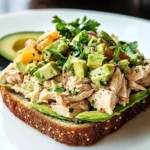
Avocado Tuna Salad Recipe
Ingredients
- Canned Tuna: 2 cans (5 oz / 142g each) tuna, packed in water or olive oil, drained very well.
- Tip: Using tuna packed in olive oil can add a little extra richness, but tuna in water is perfectly fine and slightly lower in calories. Ensure it’s thoroughly drained to prevent a watery salad.
- Avocado: 1 large ripe avocado (or 2 small ones), pitted and diced or mashed.
- Tip: Look for avocados that yield to gentle pressure. If it’s too firm, it won’t mash well; too soft, and it might be brown inside.
- Red Onion: 1/4 cup finely chopped red onion (about 1/4 of a medium onion).
- Tip: If you find raw red onion too pungent, you can soak the chopped onion in cold water for 10 minutes, then drain, to mellow its flavor.
- Celery: 1 stalk celery, finely chopped (optional, for crunch).
- Tip: Celery adds a wonderful textural contrast. If you’re not a fan, you can omit it or substitute with finely chopped cucumber (seeds removed) or bell pepper.
- Fresh Cilantro or Parsley: 2 tablespoons freshly chopped cilantro or flat-leaf parsley.
- Tip: Fresh herbs elevate the flavor significantly. Cilantro offers a distinct, slightly citrusy note, while parsley is milder and fresher. Use whichever you prefer, or a mix!
- Lime or Lemon Juice: 1-2 tablespoons freshly squeezed lime or lemon juice.
- Tip: This is crucial! It adds brightness and helps prevent the avocado from browning too quickly. Start with 1 tablespoon and add more to taste.
- Salt: 1/4 teaspoon sea salt, or to taste.
- Black Pepper: 1/8 teaspoon freshly ground black pepper, or to taste.
- Optional Flavor Boosters:
- 1 teaspoon Dijon mustard (for a tangy kick)
- 1/4 teaspoon garlic powder or 1 small clove garlic, minced
- Pinch of red pepper flakes (for a touch of heat)
- 1 tablespoon capers, drained (for a briny pop)
Instructions
- Prepare the Tuna: Open the cans of tuna and drain them thoroughly. Flake the tuna into a medium-sized mixing bowl using a fork. Breaking it up now makes it easier to incorporate the other ingredients evenly.
- Prepare the Avocado: Cut the ripe avocado in half lengthwise, remove the pit. You can either scoop out the flesh and dice it into small cubes for a chunkier salad or mash it directly in a separate small bowl with a fork for a smoother, creamier consistency. If mashing, add the lime/lemon juice directly to the mashed avocado to prevent browning.
- Chop the Vegetables & Herbs: Finely chop the red onion and celery (if using). Wash and finely chop your chosen fresh herbs (cilantro or parsley).
- Combine Ingredients: Add the diced or mashed avocado to the bowl with the flaked tuna. Add the chopped red onion, celery (if using), and fresh herbs.
- Season and Dress: Pour the lime or lemon juice over the mixture (especially important if you diced the avocado and didn’t mix it with juice earlier). Add the salt, black pepper, and any optional flavor boosters like Dijon mustard, garlic powder, or red pepper flakes.
- Mix Gently: Using a fork or a rubber spatula, gently fold all the ingredients together until just combined. Be careful not to overmix, especially if you want to maintain some texture from the avocado chunks. Overmixing can make the salad a bit too pasty.
- Taste and Adjust: Give your avocado tuna salad a taste. Does it need more salt? A bit more tang from lime/lemon juice? Perhaps a touch more pepper or herbs? Adjust the seasonings to your preference. This is where you make it your perfect salad.
- Chill (Recommended): For the best flavor, cover the bowl and refrigerate the tuna salad for at least 15-30 minutes. This allows the flavors to meld together beautifully. If you’re short on time, you can serve it immediately, but chilling does enhance it.
- Serve: Enjoy your delicious, healthy avocado tuna salad! See the “How to Serve” section below for exciting ideas.
Nutrition
- Serving Size: One Normal Portion
- Calories: 250-300