
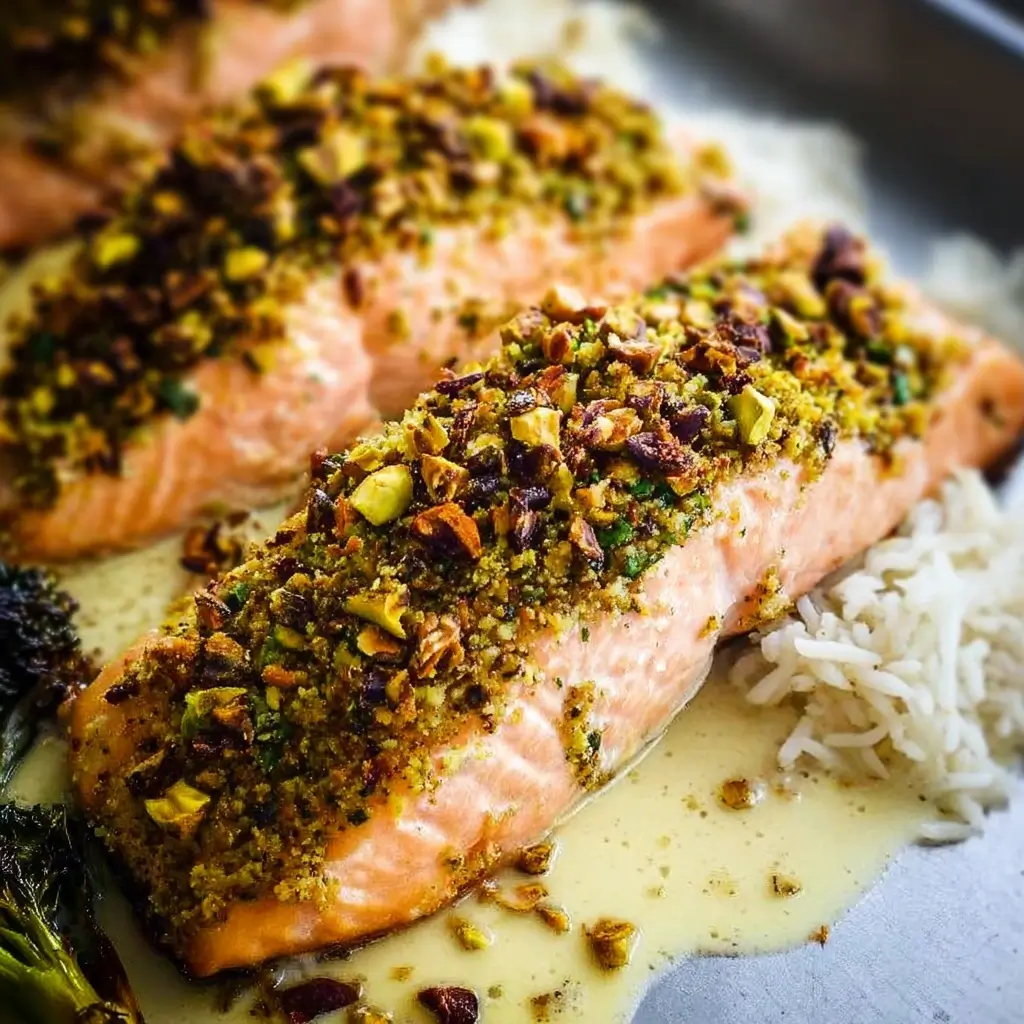
There are some recipes that just click. They become part of your regular rotation not just because they’re delicious, but because they solve a problem. For me, that problem was the weeknight dinner dilemma: finding something that feels special and elegant enough for a nice evening, yet is so ridiculously simple and fast that it can be made on a tired Tuesday. This 5-Ingredient Pistachio Crusted Salmon is the undisputed champion of that category in my household. The first time I made it, I was skeptical. Could five simple ingredients really create something memorable? The moment my husband took his first bite, his eyes widened. “What is in this?” he asked, already going for a second forkful. The kids, who are notoriously picky about fish, were completely won over by the crunchy, nutty, slightly sweet crust. It’s the texture that gets you first—a satisfying crunch from the pistachios giving way to the perfectly flaky, moist salmon beneath. The combination of savory, tangy Dijon mustard and sweet honey creates a magical glaze that caramelizes slightly in the oven and acts as the perfect “glue” for the nutty crust. It’s a dish that presents like it came from a high-end restaurant, but I know it’s my little secret, ready in under 30 minutes. It has saved countless dinners, impressed unexpected guests, and consistently proves that incredible flavor doesn’t need to be complicated.
The Ultimate 5-Ingredient Pistachio Crusted Salmon Recipe
This recipe is built on the principle of synergy, where each of the five ingredients plays a crucial role in creating a final dish that is far greater than the sum of its parts. The salmon provides a rich, buttery base; the pistachios deliver a vibrant color and unparalleled crunch; the Dijon mustard adds a tangy, savory depth; the honey balances it all with a touch of sweetness; and a little olive oil ensures everything cooks to golden-brown perfection.
Ingredients
- Salmon Fillets: 4 (6-ounce / 170g) fillets, about 1-inch thick. You can use skin-on or skinless, though skin-on often helps keep the fish moist.
- Raw Shelled Pistachios: ¾ cup (about 100g). Using raw, unsalted pistachios allows you to control the flavor and toast them to perfection.
- Dijon Mustard: 3 tablespoons. A good quality Dijon provides a sharp, tangy flavor that cuts through the richness of the salmon.
- Honey: 2 tablespoons. This provides the sweetness to balance the mustard and helps create a beautiful caramelized crust.
- Olive Oil: 1 tablespoon. For binding the crust and ensuring a golden finish. A pinch of salt and freshly ground black pepper is also recommended to season the fish.
Step-by-Step Instructions for Perfect Results
Following these detailed instructions will ensure your salmon is flaky, the crust is crispy, and the flavors are perfectly balanced. The key is in the preparation and not overcooking the fish.
Step 1: Prepare Your Oven and Baking Sheet
First things first, preheat your oven to 400°F (200°C). Position a rack in the middle of the oven to ensure even cooking. Line a large, rimmed baking sheet with parchment paper or aluminum foil. This is a crucial step for easy cleanup and prevents the salmon from sticking, especially if you are using skinless fillets.
Step 2: Prepare the Pistachio Crust
The texture of your crust is paramount. You are aiming for a coarse, crumbly texture, not a fine powder. A fine powder can become pasty when mixed with the other ingredients.
- Using a Food Processor: Place the shelled pistachios in the bowl of a small food processor. Pulse 5-7 times in short bursts. You want a mix of small pieces and some slightly larger ones for texture. Be careful not to over-process.
- By Hand: If you don’t have a food processor, you can achieve the same result manually. Place the pistachios in a sturdy zip-top bag, seal it while pressing out most of the air, and lay it flat on a cutting board. Use a rolling pin, meat mallet, or even the bottom of a heavy pan to gently crush the nuts until you reach the desired consistency.
Once crushed, transfer the pistachios to a shallow dish or plate.
Step 3: Prepare the Salmon Fillets
Remove the salmon from the refrigerator about 15 minutes before cooking to allow it to come closer to room temperature, which promotes more even cooking. Open the package and pat the salmon fillets completely dry on all sides with a paper towel. This is one of the most important steps. A dry surface allows the mustard-honey glaze to adhere properly and, if using skin-on salmon, helps the skin get crispy. Place the salmon fillets on the prepared baking sheet, skin-side down if applicable. Lightly season the tops with a pinch of salt and freshly ground black pepper.
Step 4: Create and Apply the Glaze
In a small bowl, whisk together the Dijon mustard, honey, and olive oil until you have a smooth, emulsified mixture. This is the “glue” that will hold the delicious pistachio crust to the salmon while also infusing it with flavor. Using a pastry brush or the back of a spoon, spread this mixture evenly over the top and sides of each salmon fillet. Be generous; you want a nice, thick layer to ensure the crust has something substantial to stick to.
Step 5: Apply the Pistachio Crust
Now for the fun part. Sprinkle the crushed pistachios evenly over the top of each glazed fillet. Gently press the nuts down with your fingers or the back of a spoon to help them adhere securely to the mustard-honey mixture. Ensure each fillet is generously coated. Any nuts that fall onto the baking sheet will toast nicely in the oven and can be scooped up and served alongside the fish.
Step 6: Bake to Perfection
Place the baking sheet on the middle rack of your preheated oven. Bake for 12-15 minutes. The exact cooking time will depend on the thickness of your fillets. The salmon is done when it is opaque and flakes easily when gently prodded with a fork. For the most accurate result, use an instant-read thermometer inserted into the thickest part of the fillet; you are looking for a temperature of 130-135°F (54-57°C) for a medium-well finish. The salmon will continue to cook slightly from residual heat after you remove it from the oven. The pistachio crust should be lightly golden and fragrant.
Step 7: Rest and Serve
Remove the salmon from the oven and let it rest on the baking sheet for 3-5 minutes before serving. This allows the juices to redistribute throughout the fillet, resulting in a moister, more flavorful piece of fish. Serve immediately.
Nutrition Facts
- Servings: 4
- Calories per serving: Approximately 485 kcal
Please note that this is an estimate. The actual nutritional value can vary based on the specific size of the salmon fillets and the exact ingredients used. This dish is rich in protein, healthy Omega-3 fatty acids from the salmon, and monounsaturated fats from the pistachios and olive oil.
Preparation Time
This recipe is designed for efficiency without sacrificing flavor, making it a perfect option for busy weeknights.
- Prep Time: 10 minutes
- Cook Time: 15 minutes
- Total Time: 25 minutes
How to Serve Your Perfect Pistachio Crusted Salmon
The beauty of this dish lies in its versatility. It can be dressed up for a formal dinner or served casually for a family meal. Here are some serving suggestions to complement the rich, nutty flavors of the salmon.
Classic Vegetable Pairings
- Roasted Asparagus with Lemon: The earthy flavor of asparagus is a classic match for salmon. Toss asparagus spears with olive oil, salt, and pepper, and roast them alongside the salmon for an easy one-pan meal. A squeeze of fresh lemon over the top just before serving brightens everything up.
- Garlic Green Beans: Quickly blanch or steam fresh green beans until they are crisp-tender. Sauté them in a pan with a little butter or olive oil and a clove of minced garlic for a simple, flavorful side.
- Sautéed Spinach or Kale: Wilted greens provide a lovely, earthy contrast. Sauté a generous amount of spinach or kale with garlic and a pinch of red pepper flakes for a healthy and delicious accompaniment.
Grains and Starches for a Heartier Meal
- Creamy Lemon Orzo: A creamy orzo pasta tossed with lemon zest, parmesan cheese, and fresh parsley provides a comforting and elegant base for the salmon.
- Quinoa Pilaf: For a healthy, high-protein option, serve the salmon over a bed of fluffy quinoa. You can mix in toasted almonds, fresh herbs like dill or cilantro, and a light lemon vinaigrette.
- Roasted Potatoes: Small, new potatoes, quartered and roasted with rosemary and garlic until golden and crispy, provide a wonderful textural contrast to the flaky salmon.
- Creamy Polenta: Soft, creamy polenta is a fantastic vehicle for soaking up any of the delicious flavors from the dish. A cheesy polenta with parmesan or goat cheese is particularly luxurious.
Light and Fresh Salad Options
- Arugula Salad with a Simple Vinaigrette: The peppery bite of arugula stands up well to the rich salmon. Toss it with a simple dressing of lemon juice, olive oil, salt, and pepper. Shaved Parmesan and cherry tomatoes are excellent additions.
- Fennel and Orange Salad: A thinly sliced fennel and orange salad with a citrus dressing is a refreshing, bright counterpoint that cleanses the palate and complements the fish beautifully.
5 Pro Tips for Flawless Pistachio Crusted Salmon Every Time
Beyond the basic recipe, a few professional techniques can elevate your dish from great to absolutely unforgettable.
1. Invest in Quality Salmon
The final dish is only as good as its main ingredient. When possible, opt for high-quality, wild-caught salmon like King, Sockeye, or Coho. These varieties tend to have a richer flavor and firmer texture than some farm-raised options. Look for fillets that are vibrant in color, firm to the touch, and smell fresh like the ocean, not “fishy.” If you buy a whole side of salmon, ask the fishmonger to portion it for you to ensure even thickness for consistent cooking.
2. Toast Your Pistachios First
While the recipe works perfectly with raw pistachios, taking an extra five minutes to toast them will significantly deepen their flavor. Spread the shelled pistachios on a dry baking sheet and toast them in the preheated 400°F (200°C) oven for 4-6 minutes, or until they are fragrant and lightly browned. Let them cool completely before crushing them. This extra step unlocks a new level of nutty, roasted flavor in your crust.
3. Don’t Be Afraid to Customize the “Glue”
The Dijon-honey mixture is fantastic, but it’s also a great base for customization. Feel free to experiment based on your preferences or what you have on hand.
- For more texture: Use a whole-grain or stone-ground mustard instead of smooth Dijon.
- For a different sweetness: Swap the honey for an equal amount of pure maple syrup for a warmer, richer flavor.
- For a little heat: Add a pinch of red pepper flakes or a ¼ teaspoon of sriracha or gochujang to the mustard mixture.
- For an herbal note: Mix in a teaspoon of finely chopped fresh rosemary or thyme.
4. Master the Internal Temperature (Use a Thermometer!)
The single biggest mistake people make with salmon is overcooking it, which results in a dry, chalky texture. The most reliable way to prevent this is to use an instant-read digital thermometer. For a perfectly moist and flaky result, remove the salmon from the oven when the internal temperature in the thickest part reaches 130°F (54°C). The temperature will continue to rise a few degrees as it rests (this is called carryover cooking), bringing it to a perfect medium doneness of around 135°F (57°C). If you prefer your salmon more well-done, you can take it to 140-145°F (60-63°C), but be mindful that the window between perfect and dry is small.
5. Perfecting the Crust Application
To ensure your beautiful pistachio crust stays put from the oven to the plate, a couple of small tricks can make a big difference. After spreading the mustard-honey glaze, let the salmon sit for a minute or two. This allows the glaze to become slightly tacky. Then, when you press the crushed pistachios on top, do it with firm but gentle pressure. This helps embed the nuts into the glaze. Avoid moving the salmon around on the baking sheet once the crust is applied. When serving, use a wide, flexible fish spatula to lift the fillets, supporting the entire length of the piece to prevent it from breaking and the crust from flaking off.
Frequently Asked Questions About Pistachio Crusted Salmon
Here are answers to some of the most common questions about making this recipe.
1. Can I make this recipe in an air fryer?
Absolutely! The air fryer is a fantastic tool for this recipe as its circulating hot air creates an exceptionally crispy crust. To adapt the recipe, preheat your air fryer to 380°F (190°C). Prepare the salmon fillets exactly as described in the instructions. Place the crusted fillets in the air fryer basket in a single layer (you may need to cook in batches). Air fry for 7-10 minutes, depending on the thickness of your salmon. The fish is done when it’s flaky and cooked through. There’s no need to flip it.
2. What can I use as a substitute for pistachios?
If you have a nut allergy, are out of pistachios, or simply want to try something different, there are several great substitutes.
- Other Nuts: Finely chopped almonds, pecans, or walnuts work beautifully. Each will lend a slightly different flavor profile—almonds are milder, while pecans are sweeter and walnuts have a more earthy taste.
- Nut-Free Option: For a completely nut-free crust, use panko breadcrumbs. To enhance the flavor and texture, mix ¾ cup of panko with 1 tablespoon of melted butter, 2 tablespoons of grated Parmesan cheese, and 1 teaspoon of dried herbs like parsley or oregano. Press this mixture onto the salmon as you would the nuts.
3. How do I store and reheat leftovers?
Leftover pistachio crusted salmon can be delicious, but reheating requires a gentle touch to maintain its texture. Store the cooled salmon in an airtight container in the refrigerator for up to 2 days. The absolute best way to reheat it is in the oven or an air fryer. Place the salmon on a baking sheet and heat it in a 300°F (150°C) oven for 10-12 minutes, or until just warmed through. This low, slow heat helps warm the fish without overcooking it, while also helping to re-crisp the crust. Avoid the microwave at all costs, as it will make the salmon rubbery and the crust soggy.
4. My crust keeps falling off the salmon. What am I doing wrong?
This is a common frustration, but it’s easily fixed. There are usually three culprits:
- The Surface Was Wet: You must pat the salmon fillets completely dry with a paper towel before adding the glaze. Any moisture will create steam and prevent the glaze and crust from adhering.
- Not Enough “Glue”: Be generous with the Dijon-honey mixture. You need a substantial, even layer to act as a strong binder for the heavy pistachio pieces.
- The Crust Was Too Coarse: If your pistachio pieces are too large and heavy, gravity will work against you. Make sure your nuts are finely chopped into a coarse meal, with only a few larger bits for texture.
5. Can I prepare this recipe ahead of time?
Yes, you can do some prep in advance to make assembly even quicker. You can chop the pistachios and store them in an airtight container at room temperature for several days. You can also whisk together the Dijon-honey glaze and store it in a sealed container in the refrigerator for up to a week. However, for the best results, you should not apply the glaze and crust to the salmon until just before you are ready to bake. If you apply it too early, the moisture from the glaze and the fish will seep into the nuts, making the crust soggy rather than crispy.

5-Ingredient Pistachio Crusted Salmon Recipe
Ingredients
- Salmon Fillets: 4 (6-ounce / 170g) fillets, about 1-inch thick. You can use skin-on or skinless, though skin-on often helps keep the fish moist.
- Raw Shelled Pistachios: ¾ cup (about 100g). Using raw, unsalted pistachios allows you to control the flavor and toast them to perfection.
- Dijon Mustard: 3 tablespoons. A good quality Dijon provides a sharp, tangy flavor that cuts through the richness of the salmon.
- Honey: 2 tablespoons. This provides the sweetness to balance the mustard and helps create a beautiful caramelized crust.
- Olive Oil: 1 tablespoon. For binding the crust and ensuring a golden finish. A pinch of salt and freshly ground black pepper is also recommended to season the fish.
Instructions
Step 1: Prepare Your Oven and Baking Sheet
First things first, preheat your oven to 400°F (200°C). Position a rack in the middle of the oven to ensure even cooking. Line a large, rimmed baking sheet with parchment paper or aluminum foil. This is a crucial step for easy cleanup and prevents the salmon from sticking, especially if you are using skinless fillets.
Step 2: Prepare the Pistachio Crust
The texture of your crust is paramount. You are aiming for a coarse, crumbly texture, not a fine powder. A fine powder can become pasty when mixed with the other ingredients.
- Using a Food Processor: Place the shelled pistachios in the bowl of a small food processor. Pulse 5-7 times in short bursts. You want a mix of small pieces and some slightly larger ones for texture. Be careful not to over-process.
- By Hand: If you don’t have a food processor, you can achieve the same result manually. Place the pistachios in a sturdy zip-top bag, seal it while pressing out most of the air, and lay it flat on a cutting board. Use a rolling pin, meat mallet, or even the bottom of a heavy pan to gently crush the nuts until you reach the desired consistency.
Once crushed, transfer the pistachios to a shallow dish or plate.
Step 3: Prepare the Salmon Fillets
Remove the salmon from the refrigerator about 15 minutes before cooking to allow it to come closer to room temperature, which promotes more even cooking. Open the package and pat the salmon fillets completely dry on all sides with a paper towel. This is one of the most important steps. A dry surface allows the mustard-honey glaze to adhere properly and, if using skin-on salmon, helps the skin get crispy. Place the salmon fillets on the prepared baking sheet, skin-side down if applicable. Lightly season the tops with a pinch of salt and freshly ground black pepper.
Step 4: Create and Apply the Glaze
In a small bowl, whisk together the Dijon mustard, honey, and olive oil until you have a smooth, emulsified mixture. This is the “glue” that will hold the delicious pistachio crust to the salmon while also infusing it with flavor. Using a pastry brush or the back of a spoon, spread this mixture evenly over the top and sides of each salmon fillet. Be generous; you want a nice, thick layer to ensure the crust has something substantial to stick to.
Step 5: Apply the Pistachio Crust
Now for the fun part. Sprinkle the crushed pistachios evenly over the top of each glazed fillet. Gently press the nuts down with your fingers or the back of a spoon to help them adhere securely to the mustard-honey mixture. Ensure each fillet is generously coated. Any nuts that fall onto the baking sheet will toast nicely in the oven and can be scooped up and served alongside the fish.
Step 6: Bake to Perfection
Place the baking sheet on the middle rack of your preheated oven. Bake for 12-15 minutes. The exact cooking time will depend on the thickness of your fillets. The salmon is done when it is opaque and flakes easily when gently prodded with a fork. For the most accurate result, use an instant-read thermometer inserted into the thickest part of the fillet; you are looking for a temperature of 130-135°F (54-57°C) for a medium-well finish. The salmon will continue to cook slightly from residual heat after you remove it from the oven. The pistachio crust should be lightly golden and fragrant.
Step 7: Rest and Serve
Remove the salmon from the oven and let it rest on the baking sheet for 3-5 minutes before serving. This allows the juices to redistribute throughout the fillet, resulting in a moister, more flavorful piece of fish. Serve immediately.
Nutrition
- Serving Size: One Normal Portion
- Calories: 485 kcal